
Table of Contents
- Introduction
- Quick answer: what to look for in organic lip balm for kids
- Popsicle safety snapshot
- How to choose an organic lip balm for kids (format, age, and use case)
- Ingredient and label checklist (what to prioritize, what to pause on)
- Organic vs “natural” vs “clean”: what those words can (and can’t) guarantee
- Organic, natural lip balm “lipstick-style” and organic lip gloss for kids: are they okay?
- Routine and safety basics (patch test, hygiene, and when to pause)
- Common mistakes to avoid
- Where Popsicle Beauty Club fits: a practical way to shop
- Bottom line
- Sources and further reading
- FAQs
Introduction
If you’re shopping for organic lip balm for kids, the parent-friendly rule is: choose the simplest formula your child will actually use—think plant oils/butters + a wax, minimal scent/flavor, and no “tingle” or plumping additives. Because kids lick their lips and often reapply a lot, the ingredients and flavor/fragrance choices matter as much as the cute packaging.
Below is a practical checklist you can use in-store or while scrolling, plus the common “clean” traps we see parents fall into. The goal isn’t perfection; it’s a safer-feeling, age-appropriate lip-care staple that supports comfort and play without pushing grown-up beauty standards.
Quick answer: what to look for in organic lip balm for kids
- For organic lip balm for kids, look for a transparent formula built around oils or butters such as sunflower, jojoba, shea, or cocoa, plus a suitable wax.
- Low-scent or unscented when possible—especially for sensitive kids or kids prone to lip-licking.
- Flavor and fragrance you can identify (and ideally minimal). “Fragrance” can hide multiple components.
- Gentle, non-stinging feel (avoid “plumping,” “cooling,” or “tingling” effects that can irritate).
- Easy application and hygiene: a twist-up stick is usually the cleanest for backpacks and school.
- Color is optional. If it’s tinted, look for clear labeling of colorants and keep it simple and age-appropriate.
Popsicle safety snapshot
Popsicle Beauty Club is built for parents who want cleaner kids’ beauty without spending hours cross-checking labels. We’re not a neutral “everything goes” review site—we’re a curated clean kids’ beauty hub that looks for practical standards families can use.
- Medical-advisory-backed kids’ beauty education: we translate ingredient and routine questions into age-appropriate guidance for real life.
- EWG Verified positioning/products where applicable: when a product is explicitly EWG Verified, we treat that as meaningful—but we still encourage label-reading for individual sensitivities.
- Allergist review process where applicable: when allergist review is part of a brand or product’s documentation, we highlight it; we never imply an “allergy-proof” guarantee.
- Curated marketplace of vetted clean kids’ beauty brands: you can compare options in one place with parent-friendly criteria (format, scent level, age fit, and ingredient transparency).
For lip care specifically, Popsicle prioritizes products that feel comfortable, remove easily, and keep the focus on care and self-expression—not covering or “fixing” a child’s face.
How to choose an organic lip balm for kids (format, age, and use case)
“Best” depends on how your child will use it. For a broader look at how age, lip-licking habits, texture, and packaging affect the choice, our best lip balm for kids guide helps match the format to the child rather than relying on one “best” formula for everyone. Here’s how to choose organic lip balm for kids based on the everyday reality: backpacks, sleepovers, sports, and winter wind.
1) Pick the format that stays clean
- Twist-up stick: easiest for school/daycare, least likely to get contaminated, and simplest for independent use.
- Squeeze tube: good for quick swipes, but caps get lost; also easy to over-apply.
- Pot/tin: cute for home, but fingers introduce germs fast. If you use a pot, add a tiny spatula and keep it at home.
2) Decide how much scent/flavor is too much
When choosing organic lip balm for kids, remember that strong flavors can encourage frequent reapplication and more lip-licking. If your child has sensitive skin, frequent chapping, or a history of reactions, go unscented or very lightly scented first.
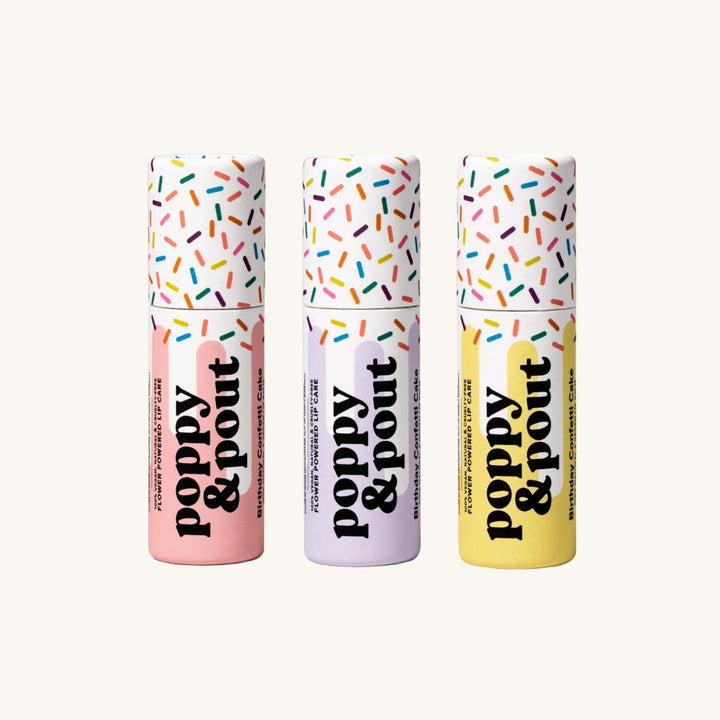
For a child who already tolerates flavored balm, Birthday Cake Natural Lip Balm for Kids by Poppy & Pout is a useful example of why parents should read beyond the front label. Its formula centers coconut oil, beeswax, sunflower oil, and vitamin E, but it also includes a birthday-cake flavor oil. That makes it a better fit for a child who enjoys flavor without falling into a lip-licking cycle than for a child whose lips are already reactive to scented or flavored products.
Birthday Cake Natural Lip Balm for Kids
$9.99
Make the birthday magic last with the Birthday Confetti Cake Lip Balm, a sweet treat she can enjoy long after the candles are blown out. Infused with the joyous essence of vanilla cake and a hint of raspberry, this handcrafted… read more
3) Tinted vs clear: keep it simple
A sheer tint can be fun for dress-up or special occasions, but for everyday care, clear is often the most practical. If you do choose tinted, treat it like a cosmetic: check colorants, keep it personal (no sharing), and remove at the end of the day.
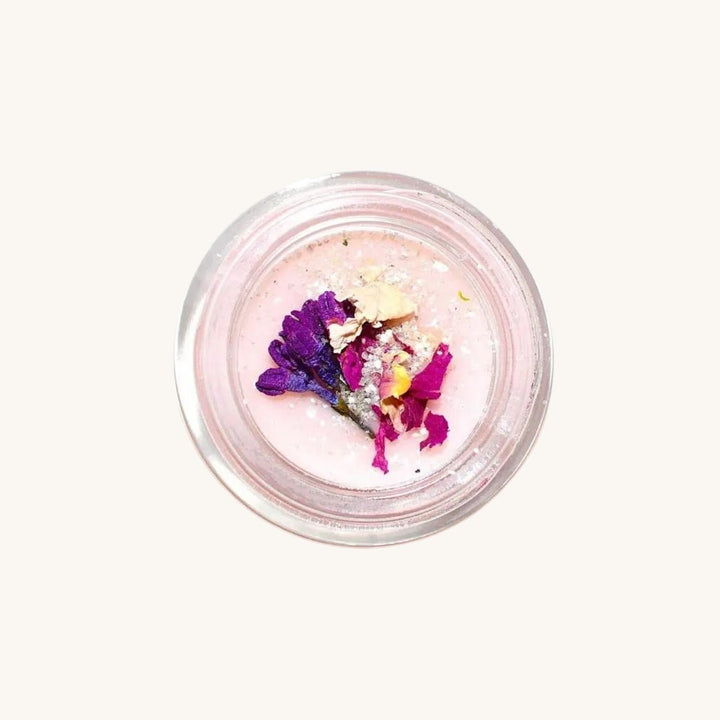
If the goal is occasional color rather than everyday school lip care, Unicorn Balm by Plant Makeup shows how an organic-leaning balm can also cross into beauty play. Its formula combines coconut oil, cocoa butter, beeswax, botanicals, and natural mica for a sheer shimmer that can be used on lips or cheeks. Because it comes in a jar and includes botanical ingredients, it makes more sense as a supervised, clean-hands-at-home option than as the balm tossed loose into a school backpack.
Unicorn Balm
$14.99
This organic, plant-based balm delivers multi-purpose shimmer with safe, skin-loving ingredients, all packaged in sustainable materials. Infused with coconut oil, locally sourced lilac blossoms, roses, and pure mineral-based mica glitter, it gives a sheer, glossy finish while nourishing and moisturizing—whether… read more
4) SPF lip balm: a separate decision
Some families want SPF in a lip product. If you go that route, follow the product’s label directions exactly and consider how realistic reapplication is for your child. If your child’s lips are frequently irritated, ask a qualified clinician which sun-protection approach makes sense for them.
Ingredient and label checklist (what to prioritize, what to pause on)
When parents search organic lip balm for kids, they’re usually trying to reduce avoidable exposures and irritation triggers. Here’s what to actually look at on the label. If you want to compare those ingredients beyond organic certification, our non toxic lip balm for kids guide goes deeper into fragrance, flavor, essential oils, waxes, emollients, packaging, and other label details that can matter for everyday use.
Ingredients that usually make a kid-friendly base
- Plant oils: sunflower, safflower, olive, jojoba, castor, coconut (note: coconut can bother some kids).
- Butters: shea butter, cocoa butter, mango butter.
- Waxes: beeswax, candelilla wax, carnauba wax (waxes help it stay put and protect against wind).
- Vitamin E (often listed as tocopherol): commonly used to help stabilize oils.
Ingredients to be cautious about (not automatic “bad,” but worth a closer look)
- “Fragrance” or “flavor”: these umbrella terms can hide multiple ingredients. The FDA notes that individual fragrance ingredients don’t have to be listed separately on labels, which can make it hard to know what you’re reacting to if irritation happens.
- Essential oils (peppermint, cinnamon, citrus, clove, etc.): popular in “natural” balms, but common irritants for lips—especially in kids who reapply often.
- Cooling/tingling agents: menthol, camphor, “plumping” blends—these can feel fun but may trigger stinging, redness, or a cycle of dryness.
- Strong exfoliants: scrubs or acids don’t belong in everyday kid lip care. If there’s persistent scaling or cracking, it’s a clinician question, not an exfoliation project.
- Lanolin: helpful for some, but a known potential allergen for others.
- Nut-derived oils (sweet almond, hazelnut, etc.): many kids tolerate them, but families managing food allergies may prefer avoiding nut oils on lips to reduce confusion or accidental exposure routes.
- Added dyes or heavy pigments: not necessarily unsafe, but for younger kids it can create more mess, more ingestion, and more frequent reapplication. If you want color, choose sheer and clearly labeled colorants.
Label green flags Popsicle looks for
- Clear, specific ingredients instead of vague marketing terms.
- Simple function: “lip balm” should mostly be emollients + wax—no need for long, treatment-style ingredient lists for kids.
- Easy removal (important for bedtime routines and to prevent product buildup around the mouth).
Organic vs “natural” vs “clean”: what those words can (and can’t) guarantee
When comparing organic lip balm for kids, it’s easy to assume that “organic” automatically means “best.” In reality:
- Organic usually refers to how certain ingredients were grown/processed, not whether a product is irritation-proof.
- Natural is not a regulated safety term in cosmetics, and “natural” ingredients can still irritate (especially on lips).
- Clean varies by retailer/brand—always read the ingredient list.
NIEHS explains that cosmetics include products used to cleanse or beautify, and that (except for color additives) cosmetic products and ingredients generally do not require FDA approval before going on the market. That’s one reason Popsicle pushes parent-friendly label checks instead of relying on buzzwords alone.
Organic, natural lip balm “lipstick-style” and organic lip gloss for kids: are they okay?
Many kids ask for “makeup-looking” lip products because they want to copy older siblings or what they see online. You can keep it age-appropriate by choosing products that are still fundamentally lip care (not performance makeup): sheer color, comfortable feel, and easy cleanup.
- Organic, Natural Lipstick-Style Lip Balm for Kids: look for a balm base first (oils/butters/wax). Avoid long-wear claims, strong fragrance, or intense pigment that stains and encourages constant touching.
- Organic lip gloss for kids: prioritize non-sticky formulas and low scent. Sticky gloss can migrate, get on hands, and end up everywhere—especially for younger kids.
If your child is repeatedly asking for bolder color, consider channeling that interest into nail color, hair accessories, face gems for special occasions, or washable costume face paint—options that feel expressive without centering a child’s “pretty” on their lips.
Routine and safety basics (patch test, hygiene, and when to pause)
Even the best organic lip balm for kids won’t help if it becomes a germy pocket product or triggers a reaction pattern.
- Patch test when appropriate: If your child has sensitive skin, try a small amount on the outside of the lip line or inner forearm first, and wait to see if irritation develops.
- One child, one balm: don’t share lip products between siblings or friends (it’s a simple hygiene boundary that prevents a lot of issues).
- Keep it out of hot cars: natural oils and waxes can melt and separate.
- Bedtime reset: wipe lips/around the mouth after a day of reapplying (especially if the balm is tinted or flavored).
- When to pause: if you see persistent redness, cracking, swelling, rash around the mouth, or your child is uncomfortable, stop the product and seek guidance from a qualified clinician—especially if symptoms persist.
Common mistakes to avoid
- Assuming organic means irritation-free. Even organic lip balm for kids can contain essential oils or flavors that irritate a child’s lips.
- Buying the strongest flavor for a lip-licker. Sweet flavors can unintentionally encourage constant licking and reapplication, which can worsen dryness.
- Using adult “plumping” or “tingling” lip products on kids. Those sensations often come from ingredients that can sting and irritate.
- Choosing a pot balm for school. Finger-dipping on the go is a fast path to contamination; stick formats are usually a better kid choice.
- Not checking for “fragrance”/“flavor” on the label. If your child reacts, vague labeling makes it harder to identify what caused it.
- Letting lip products become a performance habit. For kids, lip balm should be about comfort and care (and occasional playful color), not daily pressure to look a certain way.
Where Popsicle Beauty Club fits: a practical way to shop
If you’re overwhelmed by ingredient lists, Popsicle Beauty Club exists to make this category simpler. We carry and highlight kids organic lip balm options that align with cleaner, age-aware standards—so you can compare vetted brands in one place and choose based on what matters to your family (unscented vs flavored, stick vs pot, tinted vs clear, and transparent ingredient lists).
When you’re browsing organic kids lip balm at Popsicle, use this quick decision path:
- Sensitive kid? Start with unscented, minimal ingredients, and patch test.
- Backpack kid? Choose a twist-up stick and set a “no sharing” rule.
- Wants color? Pick sheer tint for occasional fun, and remove at the end of the day.
- Very young child? Keep it simple: lip care only, low flavor, and supervised use.
Bottom line
The best organic lip balm for kids is the one that’s simple, comfortable, and clearly labeled—so parents can avoid common irritants (especially heavy fragrance/flavor and tingly additives) and kids can use it safely and independently. Start with a short ingredient list, choose a hygienic format, patch test when appropriate, and keep lip care focused on comfort and playful self-expression.
Sources and further reading
- NIEHS: Cosmetics and Your Health - Helpful context on what counts as cosmetics and how cosmetics are regulated in the U.S.
- FDA: Phthalates in Cosmetics - Explains how fragrance labeling works and why individual fragrance ingredients may not be listed separately.
- NIEHS: Endocrine Disruptors - Background on endocrine-disrupting chemicals and how exposures can come from everyday products.
Curious about which harmful ingredients to avoid in your child's beauty products? Read The Truth About Harmful Beauty Ingredients for Kids to uncover the hidden toxins in mainstream makeup, skincare, and hair care—and discover safer alternatives.
About the Author: This article was written by the contributing writers at Popsicle Beauty Club—a team of moms, educators, and clean beauty advocates passionate about creating a safer, more imaginative world for kids. We believe in empowering parents with trusted information and offering fun, non-toxic beauty and personal care products that let children play, express, and explore—without compromising their health.
FAQs
Is organic lip balm safe if my child licks it off?
What ingredients should I avoid in organic lip balm for kids?
What’s better for school: a stick balm or a pot balm?
Does organic certification mean every ingredient in a lip balm is organic?
Not necessarily. A formula may contain some certified-organic ingredients alongside other permitted ingredients such as waxes, flavors, pigments, or vitamin E. Read the complete ingredient list and any certification details rather than assuming the word “organic” describes every component in the product.
Is flavored organic lip balm a good choice for kids who lick their lips?
It depends on the child. A mild flavor may be perfectly comfortable for some kids, but a sweet or strongly flavored balm can encourage repeated licking and application in others. If licking is already contributing to dryness, an unflavored or very lightly flavored balm may be a simpler starting point.
Can kids use organic lip balm every day?
Yes, a well-tolerated balm can be used as needed for everyday comfort. The goal is not constant reapplication, though. Use a thin layer when lips feel dry or before situations that commonly cause dryness, and reconsider the formula if your child develops persistent redness, stinging, or irritation.