
Table of Contents
- Introduction
- 1) What makes the best lip balm for kids different?
- 2) Shopping criteria: how to choose a safe lip balm for kids in real life
- 3) Ingredient and label guidance (without the panic)
- 4) Matching the best lip balm for kids to age and habits
- 5) Routine and application tips that actually work
- 6) Shopping comparison: quick “pick this if…” guide
- 7) FAQ (including: is elf lip balm safe for kids?)
- Bottom line: how to choose the best lip balm for kids
- FAQs
Introduction
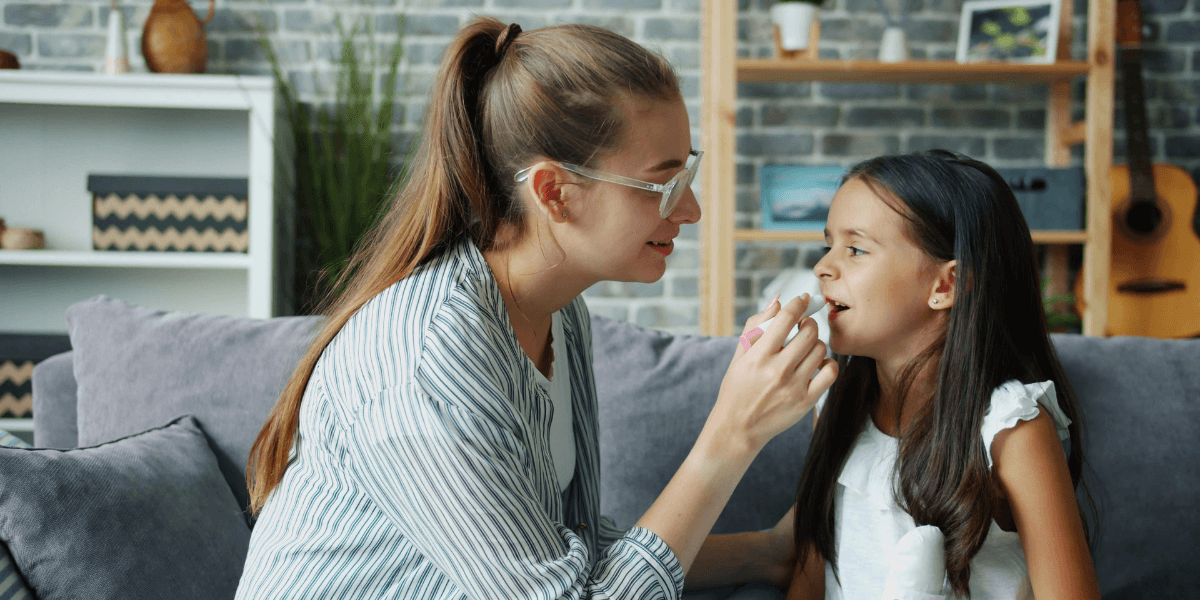
Shopping for the best lip balm for kids is a little different than shopping for yourself. Kids are more likely to lick their lips, smear balm outside the lip line, or treat a tube like a toy. So the “right” balm often comes down to a mix of simple ingredients, comfortable texture, low-irritation flavor choices, and packaging that fits their routine.
This guide is written for parents and beauty shoppers who want practical, non-alarmist help choosing the best lip balm for kids—with realistic advice on labels, common irritants, and how to actually get kids to use it consistently. As always, check the label for ingredient specifics and consider a patch test if your child has sensitive skin or a history of reactions.
1) What makes the best lip balm for kids different?
Lip skin is thin, and the lip area gets constant exposure to saliva, food, and weather. Kids often add two extra challenges: frequent lip licking and less careful application. That means the best lip balm for kids usually prioritizes:
- Barrier support: Ingredients that form a protective layer to reduce dryness from wind, cold, or licking.
- Gentle formulas: Fewer potential irritants (especially strong flavors/fragrances) to avoid stinging or redness on sensitive lips.
- Comfortable feel: Not too waxy, not too slippery—kids abandon balms that drag or feel “weird.”
- Practical packaging: Twist-up sticks are often easiest; pots can be messy and less hygienic for school bags.
“Safe” in the context of lip balm for kids generally means well-tolerated for everyday use when used as directed, with ingredients that don’t commonly cause irritation for that child. It doesn’t mean the product is edible, or that every kid will tolerate every formula the same way.
2) Shopping criteria: how to choose a safe lip balm for kids in real life
If you’re comparing options in-store or online, use these criteria to narrow down the best lip balm for kids for your household:
Texture and staying power
- For frequent reapplication: A lighter, smoother balm can be fine, especially if your child will reapply often.
- For outdoor days: Look for a slightly more occlusive feel (balms that create a noticeable barrier) so it lasts through playtime.
Flavor and fragrance level
- Best for sensitive kids: Choose unscented or very lightly flavored options.
- Best for reluctant users: A mild flavor can help—just avoid intense candy-like scents if your child is prone to licking.
Packaging and hygiene
- Twist-up stick: Easiest for kids, less mess, no fingers needed.
- Squeeze tube: Good middle ground; works well at home.
- Pot/jar: Can be effective but is often least practical for kids (fingers, lost lids, sharing risk).
“Non toxic lip balm for kids” claims
The phrase non toxic lip balm for kids is used loosely in marketing. Rather than relying on the claim alone, treat it as a prompt to read the ingredient list and choose a formula that fits your child’s sensitivities (for example, skipping strong fragrances if they’re reactive). If a brand provides clear ingredient disclosure and simple usage directions, that’s often a good sign of transparency.
3) Ingredient and label guidance (without the panic)
Ingredient lists can look intimidating, but for kids lip balm you can simplify the search by focusing on a few categories. The best lip balm for kids usually includes a mix of occlusives (to lock in moisture) plus emollients (to soften). For a deeper ingredient-by-ingredient breakdown, see our guide to non toxic lip balm for kids.
Commonly well-tolerated balm ingredients
- Petrolatum: A classic barrier ingredient that helps reduce moisture loss. Many families like it for very dry lips.
- Beeswax or other waxes: Adds structure and protective feel; can be a good “outdoor” option.
- Shea butter, cocoa butter, plant oils: Emollients that make lips feel softer and smoother.
- Glycerin: A humectant that can help attract moisture; often paired with occlusives so it doesn’t feel tight.
Ingredients that may bother some kids (depends on the child)
- Fragrance/parfum and strong flavorings: Can be irritating for sensitive lips, especially if there’s any chapping.
- Minty ingredients (peppermint, menthol, camphor): Can tingle or sting; not ideal for a child who already has irritated lips.
- Essential oils: Not automatically “bad,” but they can be a frequent source of sensitivity for some people.
- Lanolin: Great for some, itchy for others; if your child reacts, switch to a lanolin-free option.
One more label tip: avoid assuming “natural” equals “gentle.” If you’re trying to find a safe lip balm for kids, “unscented” and “simple” often win over trendy ingredient stories. And if your child has known allergies, double-check for that specific ingredient family.
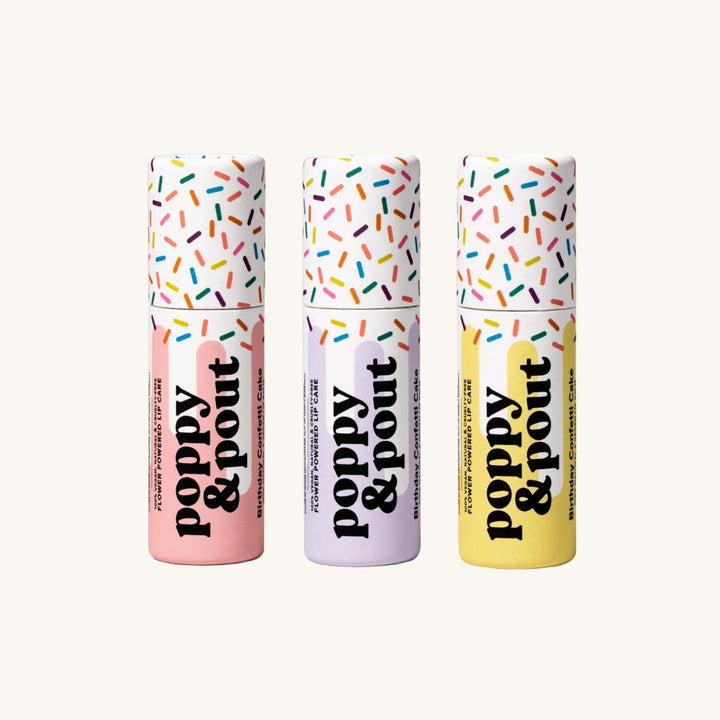
Looking for an all-natural lip balm? We highly recommend this lip balm by Poppy & Pout.
Birthday Cake Natural Lip Balm for Kids
$9.99
Make the birthday magic last with the Birthday Confetti Cake Lip Balm, a sweet treat she can enjoy long after the candles are blown out. Infused with the joyous essence of vanilla cake and a hint of raspberry, this handcrafted… read more
4) Matching the best lip balm for kids to age and habits
The best lip balm for kids for a preschooler might not be the best for a 10-year-old with a backpack and after-school activities. Think about how they’ll actually use it.
Preschoolers (and kids who treat balm like a snack)
- Choose minimal flavor or unscented to discourage licking and “tasting.”
- Pick sturdier packaging (a cap that clicks securely, a stick that twists up smoothly).
- Apply it for them, especially before outdoor time and bedtime.
School-age kids
- Look for a twist-up stick that can live in a pocket without leaking.
- Consider a two-balm system: one for backpack/daytime, one for home/bedside so it doesn’t get lost.
- If they dislike the “waxy” feel, try a softer balm texture so they’ll actually use it.
Kids who pick or peel chapped lips
Picking can make lips look worse and feel more irritated. The most helpful approach is usually consistent barrier use and gentle routines rather than “strong” or tingly balms. If you’re unsure what’s triggering irritation, choose a simpler, fragrance-free option and stick with it for a bit to see how they tolerate it. If persistent cracking or irritation continues, consider checking in with a clinician.
5) Routine and application tips that actually work
Even the best lip balm for kids won’t help much if it never makes it onto their lips. Here are practical ways to build a routine without turning it into a battle:
- Use it at “transition moments”: before leaving the house, after brushing teeth, before bed, and before outdoor play.
- Apply to clean, dry lips: After eating, wipe the mouth area gently so balm isn’t sliding over food residue.
- Use a thin layer: Kids often apply too much, which migrates outside the lip line and can cause redness around the mouth for some children.
- Don’t share lip balm: Make it a personal item like a toothbrush. This is especially important with pot-style balms.
- Replace when it gets gross: If a stick has debris or has been dropped repeatedly, it’s okay to toss it.
If your child is sensitive, do a simple patch test: apply a tiny amount on the inner forearm (or just outside the lip line) and watch for irritation over the next day. If anything stings, burns, or causes a rash, stop use and choose a simpler formula.
6) Shopping comparison: quick “pick this if…” guide
Instead of naming specific products (since formulas change), here’s a comparison-style guide you can use to identify the best lip balm for kids type for your needs:
- If lips get very dry in winter: Choose a thicker barrier balm (often waxy or petrolatum-based) that stays put longer.
- If your child hates heavy textures: Choose a lighter, smoother balm (often more oil/butter-forward) and plan for more frequent reapplication.
- If they’re prone to irritation: Choose fragrance-free/unscented, avoid mint/tingle, and keep the ingredient list simple.
- If they keep losing it: Buy multiples and keep one in each “station” (bathroom, backpack, car).
- If you want a “non toxic lip balm for kids” vibe: Focus on transparent labeling, minimal fragrance, and kid-proof packaging rather than buzzwords.
When comparing two similar options, the winner is usually the one your child will use willingly and consistently. Compliance is underrated—and it’s a big part of finding the best lip balm for kids in real life.
7) FAQ (including: is elf lip balm safe for kids?)
Is elf lip balm safe for kids?
It depends on the specific e.l.f. product and your child’s sensitivities. e.l.f. makes multiple lip products (balms, oils, masks, gloss-balm hybrids) with different ingredients and levels of fragrance/flavor. If you’re asking is elf lip balm safe for kids, the most practical approach is to check the ingredient list for fragrance, minty/tingly additives, and any known allergens for your child. If your child is sensitive or already chapped, consider starting with an unscented formula and do a patch test first.
What should I avoid if my kid keeps licking their lips?
Strongly flavored or sweet-smelling balms can encourage licking for some kids. Also skip “tingly” ingredients (like mint/menthol) if lips are already irritated. A simple, comfortable barrier balm is often the best starting point.
Is SPF lip balm necessary for kids?
Sun protection can matter for lips during outdoor time. If you choose an SPF lip product, make sure your child tolerates it (some filters can sting on chapped lips) and follow the label directions for reapplication. For very sensitive kids, you may prefer using shade/hat strategies and a non-SPF balm for comfort, then add SPF later if tolerated.
How often should kids reapply lip balm?
Most kids do well with a few predictable times per day (morning, after school, bedtime) plus as-needed after eating or outdoor play. Overapplying constantly can sometimes lead to mess and irritation around the mouth, so aim for a thin, even layer.
Bottom line: how to choose the best lip balm for kids
The best lip balm for kids is the one your child will use consistently, that feels comfortable, and that doesn’t trigger irritation. Start simple: choose a gentle texture, avoid intense fragrance or minty tingle if your child is sensitive, and pick packaging they can manage. For any new lip balm for kids, check labels for potential irritants and do a patch test when appropriate. With the right match and an easy routine, finding the best lip balm for kids becomes much less guessy—and a lot more effective.
Curious about which harmful ingredients to avoid in your child's beauty products? Read The Truth About Harmful Beauty Ingredients for Kids to uncover the hidden toxins in mainstream makeup, skincare, and hair care—and discover safer alternatives.
About the Author: This article was written by the contributing writers at Popsicle Beauty Club—a team of moms, educators, and clean beauty advocates passionate about creating a safer, more imaginative world for kids. We believe in empowering parents with trusted information and offering fun, non-toxic beauty and personal care products that let children play, express, and explore—without compromising their health.