
Table of Contents
- Introduction
- Why ingredient-checking matters for kids’ lip products
- How to read a lip balm label in 60 seconds
- Ingredients many parents choose to avoid in kids’ lip balms (and why)
- Ingredients many families look for in non toxic lip balm for kids
- Shopping checklist: what to prioritize (and what to skip)
- How to use lip balm with kids (routine, patch testing, and hygiene)
- Bottom line: choosing non toxic lip balm for kids without overthinking it
- FAQs
Introduction
Shopping for non toxic lip balm for kids can feel strangely complicated for something so small. Lip products sit on a spot kids lick, chew, smear, and reapply—often with less-than-perfect hand hygiene—so it makes sense that parents want simpler formulas and clearer labels. The goal isn’t to panic about every ingredient; it’s to choose a balm that’s comfortable, age-appropriate, and easy to use daily.
This guide breaks down practical, label-based criteria for finding non toxic lip balm for kids, including ingredients many families prefer to avoid, ingredients that tend to be well-tolerated, and how to build a realistic routine (including when to patch test and when to pause).
Why ingredient-checking matters for kids’ lip products
Lips are thin and prone to dryness, especially in cold weather, windy days, indoor heating, and salty pool days. Kids also rub their faces more and can be sensitive to strong flavors, fragrance, or tingly “plumping” sensations that are popular in adult lip products.
When parents search for non toxic lip balm for kids, they’re usually looking for a few specific outcomes:
- Lower irritation potential (less sting, less redness, fewer “mystery” reactions).
- Less temptation to over-apply (overly flavored or candy-scented products can turn into a snack substitute).
- Simple, legible ingredient lists so you can spot common triggers (like fragrance).
- Safer day-to-day habits (hygienic packaging and easy reapplication).
It’s also worth noting that “non-toxic” is not a regulated claim for cosmetics in many markets. That’s why label reading—and choosing brands that clearly explain their formula choices—tends to be more useful than relying on a front-of-package buzzword alone.
How to read a lip balm label in 60 seconds
Ingredient lists are ordered from highest to lowest concentration until about the 1% line; after that, ingredients can appear in any order. For lip balm, the first few ingredients often tell you the entire story (wax + oil + butter, or petrolatum-based, etc.).
Quick label cues parents can use
- Look for “fragrance,” “parfum,” or “aroma.” If you’re shopping for non toxic lip balm for kids due to sensitivity concerns, fragrance is a common first thing to avoid. Flavor blends can also be complex and may include fragrance components.
- Scan for “flavor.” Flavor is not always disclosed ingredient-by-ingredient. If a child is prone to lip-licking, choosing an unflavored balm can reduce the cycle of lick → dry → apply → lick.
- Note potential sensitizers in botanical lists. Essential oils and certain plant extracts can be lovely, but “natural” doesn’t always mean “gentle,” especially on chapped skin.
- Check for active ingredients. If you see menthol, camphor, phenol, salicylic acid, or “plumping” ingredients, that’s more of a treatment product than a basic kids balm.
- Packaging matters. Pots and tins invite finger-dipping (germs + sand + snack crumbs). Tubes or twist-up sticks are often easier for kids and more hygienic.
Ingredients many parents choose to avoid in kids’ lip balms (and why)
Different families have different comfort levels. The list below isn’t meant to label ingredients as “bad,” but to explain why parents often filter them out when choosing non toxic lip balm for kids, especially for daily use.
- Fragrance (parfum) and undisclosed flavor blends: Common sources of irritation and “mystery reactions.” If a child has sensitive skin, eczema-prone skin, or frequently gets redness around the mouth, fragrance-free and unflavored can be a practical starting point.
- Essential oils (peppermint, citrus, cinnamon, clove, etc.): These can feel “fun” or smell sweet, but they may sting on chapped lips or trigger sensitivity. Cinnamon/cassia-type flavor notes are frequent culprits for lip irritation in some people.
- Cooling/tingling ingredients like menthol, camphor, and strong mint oils: Often included for a “medicated” feel, but kids may find them uncomfortable and they can encourage licking because of the sensation.
- “Plumping” ingredients: Many are designed to create a temporary tingle or warmth. Not ideal for kids’ daily comfort.
- Strong exfoliants or acids: Scrubby sugar balms, salicylic acid, or other exfoliating actives can worsen irritation if lips are already raw or cracked.
- Lanolin: This ingredient can be very effective for sealing in moisture, but some people prefer to avoid it due to sensitivity or personal preferences. If you use it, patch testing is a good idea.
If you’re also looking at non toxic lip gloss for kids or kids lip gloss non toxic options, the same avoidance list applies—plus an extra watch-out: glosses often rely on flavor/fragrance to feel “sweet,” and that can increase the chance of irritation or repetitive application.
Ingredients many families look for in non toxic lip balm for kids
A comfortable balm usually does three jobs: coats (occlusive), softens (emollient), and sometimes draws water (humectant). A kid-friendly formula doesn’t need to be complicated—often, simpler is better.
Commonly well-tolerated building blocks
- Occlusives (help reduce moisture loss): Petrolatum, mineral oil, and waxes (like beeswax or plant waxes) can form a protective barrier. Some parents prefer petrolatum-free; others like its performance. Choose based on your preferences and your child’s comfort.
- Emollients (make lips feel smooth): Shea butter, cocoa butter, mango butter, squalane, and various plant oils (sunflower, jojoba, coconut). If your child is acne-prone around the mouth, you may prefer lighter oils and non-greasy textures to reduce smearing onto surrounding skin.
- Gentle humectants (help attract water): Glycerin is commonly used and generally considered gentle, though it works best when paired with occlusives to prevent moisture from evaporating.
- Soothers: Ingredients like colloidal oatmeal (in some products), or very simple formulas without “extras,” can be a good choice when lips are reactive.
For many households, non toxic lip balm for kids ends up meaning: fragrance-free, minimal ingredients, no tingle, no intense flavor, and a texture that stays put without feeling sticky.
Shopping checklist: what to prioritize (and what to skip)
Use this as a quick filter when comparing options in-store or online. You don’t need every box checked, but the more your choice matches your child’s habits, the better it usually performs.
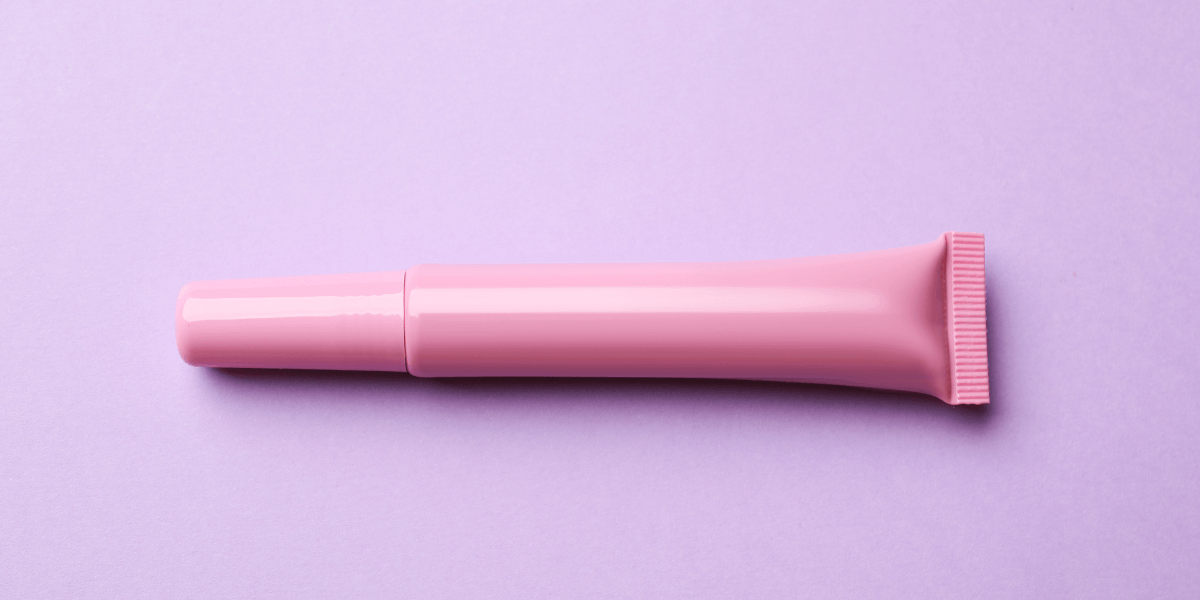
- Choose stick or squeeze-tube packaging for hygiene and easy reapplication. Pots are cute but messy.
- Pick fragrance-free and ideally unflavored if your child is sensitive, lip-licks, or gets redness at the corners of the mouth.
- Look for short, clear ingredient lists if you’re seeking non toxic kids lip balm. Fewer components can make it easier to identify what caused a reaction.
- Consider finish and feel: Waxy balms can feel protective; buttery balms feel soothing; glossy balms can migrate outside the lip line (which may irritate skin around the mouth).
- Be cautious with SPF lip products for kids: SPF can be great for outdoor days, but some children find sunscreen filters taste bitter or sting. If you choose an SPF lip balm, apply carefully and watch for irritation. If your child dislikes it, you may have better luck using other sun-protection habits (hats, shade) and trying a different SPF formula later.
- Avoid “medicated” language unless you specifically need it: For everyday dryness, plain barrier balms are often the simplest choice.
If your child is asking for shine, consider starting with a balm-like gloss texture rather than a highly scented product. Many parents searching for non toxic kids lip gloss are happiest with a “balm-gloss hybrid” that’s unflavored, non-sticky, and packaged in a tube.
If you're comparing glosses and balms, our guide to lip gloss for kids ingredients parents should check explains what to look for in shiny formulas and how fragrance, flavor, and packaging can affect everyday use.
We highly recommend this all-natural lip balm by Poppy & Pout.
All-Natural Kids Lip Balm
$29.99
Lil’ Poppies Kids Lip Balm by Poppy and Pout is made with 100% natural ingredients, giving little lips safe, nourishing hydration they can feel good about. Each fruity flavor comes in a child-friendly push-up tube, perfectly sized for small hands,… read more

How to use lip balm with kids (routine, patch testing, and hygiene)
Even the best non toxic lip balm for kids works better with a simple routine and a few guardrails.
A realistic routine that actually sticks
- Apply on clean, dry lips after brushing teeth in the morning and before bed.
- Use small amounts. A thin, even layer reduces smearing beyond the lip line.
- Reapply strategically: before outdoor time, after swimming, and after meals (especially if you wipe the face with napkins frequently).
- Discourage sharing between siblings or friends to reduce germ transfer.
- Replace often if it’s been dropped, rolled in a backpack, or used during a cold.
Patch test when appropriate
When trying a new product—especially if your child has sensitive skin, a history of rashes, or you’re switching from flavored to unflavored—do a simple patch test. Apply a tiny amount to a small area (some parents use the outer corner of the mouth or the inner forearm) and wait to see if there’s redness or irritation. If irritation occurs, stop using it and choose a simpler formula. If symptoms are persistent or severe, consult a qualified healthcare professional.
Also keep in mind: very chapped lips can sting with almost anything at first. If a balm consistently stings, that’s a sign to switch to a blander, fragrance-free option.
Bottom line: choosing non toxic lip balm for kids without overthinking it
The most dependable path to non toxic lip balm for kids is not a single “perfect” ingredient list—it’s a practical match between formula, packaging, and your child’s habits. Prioritize fragrance-free (and ideally unflavored) options, skip tingling/plumping/medicated extras, and choose a hygienic stick or tube. Read labels, keep the routine simple, and patch test when introducing something new.
If your child is specifically asking for shine, apply the same checklist to lip balm for kids non toxic searches and to non toxic lip gloss for kids options: minimal ingredients, no strong fragrance or flavor, and a texture that won’t smear outside the lip line. With a few smart filters, non toxic lip balm for kids can be an easy, everyday essential rather than a stressful shopping category.
Curious about which harmful ingredients to avoid in your child's beauty products? Read The Truth About Harmful Beauty Ingredients for Kids to uncover the hidden toxins in mainstream makeup, skincare, and hair care—and discover safer alternatives.
About the Author: This article was written by the contributing writers at Popsicle Beauty Club—a team of moms, educators, and clean beauty advocates passionate about creating a safer, more imaginative world for kids. We believe in empowering parents with trusted information and offering fun, non-toxic beauty and personal care products that let children play, express, and explore—without compromising their health.