
Table of Contents
- Introduction
- Why shopping for non toxic kids lip gloss is different than adult lip products
- How to read a label: what matters most (and what marketing terms don’t guarantee)
- Ingredients many parents choose to avoid in kids lip gloss (and why they show up)
- Ingredients many parents look for in non toxic kids lip gloss (with realistic expectations)
- Kid-specific watch list: flavor, fragrance, shimmer, and colorants
- Shopping checklist: how to choose non toxic kids lip gloss in real life
- How to patch test and use kids lip products safely (without making it a big deal)
- Bottom line: what to prioritize when choosing non toxic kids lip gloss
- FAQs
Introduction
Shopping for non toxic kids lip gloss is a little different than shopping for your own. Kids tend to reapply more often, lick their lips, and share products with friends and siblings. That means the “small details” on a label—flavoring, fragrance, pigments, and preservatives—matter in a very practical way.
This guide is designed to be calm, specific, and useful at the store (or while you’re scrolling). We’ll break down common ingredients you’ll see in kids glosses, what parents often choose to avoid, and how to spot formulas that are more aligned with a non toxic kids lip gloss shopping goal—without assuming that every ingredient is automatically “bad.” You’ll also get a simple patch-test and use routine that fits real life.
Why shopping for non toxic kids lip gloss is different than adult lip products
When a product is made for kids, it’s often used differently:
- Higher chance of ingestion: Lip products transfer to snacks, water bottles, and fingers. Even if a child isn’t deliberately eating it, some amount can end up in the mouth.
- More frequent reapplication: Kids may reapply for fun, not just comfort. A formula that seems fine for occasional use may be less ideal if it’s layered all day.
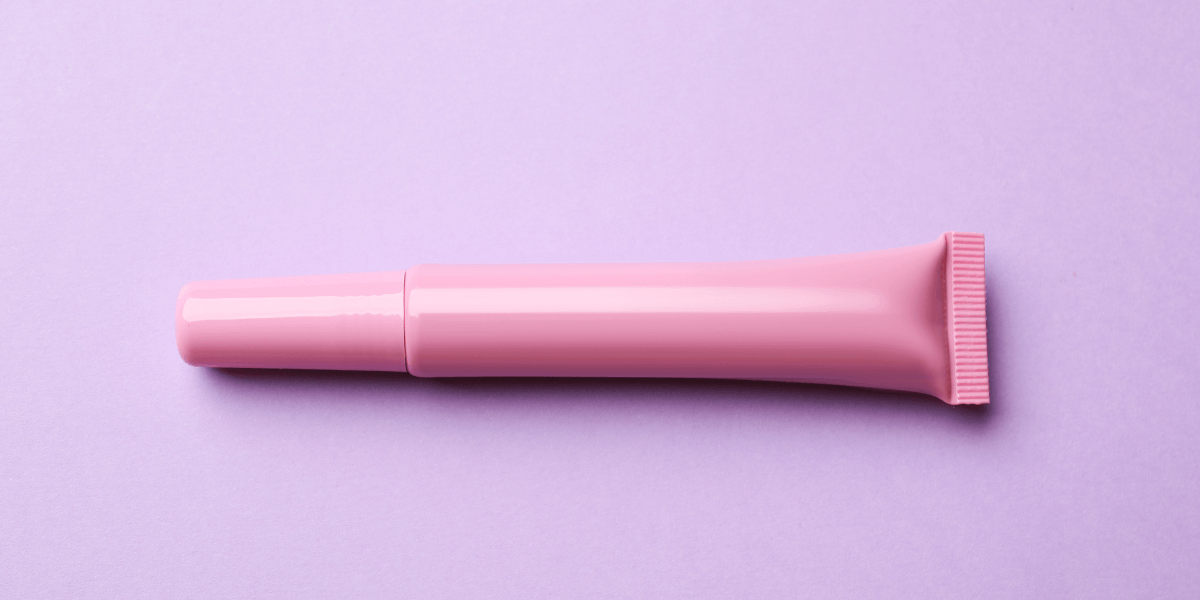
- More sharing: Sharing increases the importance of hygiene and packaging (tubes and squeeze applicators are generally easier to keep “personal” than open pots with finger-dipping).
- Sensory preferences: Kid-focused products often lean heavily on sweet flavors, strong scents, and sparkly pigments—common sources of irritation for some.
Because of these habits, many parents looking for non toxic kids lip gloss prioritize simpler formulas, gentler scents/flavors, and packaging that reduces contamination.
How to read a label: what matters most (and what marketing terms don’t guarantee)
Start with the ingredient list. Marketing claims on the front—“clean,” “natural,” “plant-based,” “chemical-free”—can mean different things to different brands and aren’t standardized. For non toxic kids lip gloss, your best tool is the back label or the online INCI list.
Quick label-reading tips
- Shorter isn’t always safer, but it can be simpler: A very long list can be fine; it just requires more scrutiny. For kids, many parents prefer fewer fragrance/flavor components and fewer strong sensorial additives.
- Look for what gives the shine: Gloss texture usually comes from oils, butters, waxes, or gelled polymers. Knowing the “base” helps you compare formulas.
- Check for fragrance and flavor separately: “Fragrance (Parfum)” is different from flavor oils; both can be present.
- Identify pigment sources: Kids gloss often uses mica for shimmer and lakes/oxides for tint. If your child is sensitive, this is a key area to review.
- Watch the first 5–7 ingredients: Those typically make up most of the formula and tell you what the product mainly is.
Also consider the brand’s transparency. If an online listing doesn’t show a full ingredient list, that’s a reason to pause and choose a product with clearer labeling—especially when your goal is non toxic kids lip gloss.
Ingredients many parents choose to avoid in kids lip gloss (and why they show up)
Different families draw the line in different places. The goal here isn’t to scare you—it’s to explain why certain ingredients are on some “avoid” lists and what role they play in a gloss formula.
- Fragrance (Parfum) and strong fragrance allergens: Fragrance makes products smell like candy or fruit, but it’s also a common trigger for irritation for some people. If your child has sensitive skin, eczema-prone skin, or reacts to scented products, a fragrance-free or lightly scented option can be a practical choice.
- Essential oils (especially in higher amounts): Essential oils are natural, but “natural” doesn’t automatically mean gentle. Some can tingle or irritate, particularly around the lip area. If you’re aiming for non toxic kids lip gloss with minimal irritation risk, look for low-scent or no-scent options.
- Menthol, camphor, or strong “plumping” style additives: These ingredients are used to create cooling/tingling sensations. For kids, many parents prefer avoiding intentional tingle effects and choosing comfort-focused formulas.
- High-intensity flavors and sweeteners: Flavorings make kids products fun, but they can encourage licking and reapplication. If you’re trying to reduce accidental ingestion and irritation from constant licking, a lightly flavored or unflavored gloss can be easier.
- Glitter (as opposed to cosmetic-grade shimmer): Some products use larger sparkle particles. Parents often prefer cosmetic-grade mica shimmer or very fine pearl over chunky glitter, which can feel gritty.
If a product doesn’t align with your family’s preferences, that doesn’t mean it’s “dangerous”—it just may not be the best fit for a kid’s routine. The practical question is: will it be comfortable, unlikely to irritate, and used in a way that matches your comfort level for a non toxic kids lip gloss? For a deeper ingredient-by-ingredient breakdown, see our guide to non toxic lip gloss for kids.
Ingredients many parents look for in non toxic kids lip gloss (with realistic expectations)
“Non toxic” isn’t a regulated cosmetic category, so it helps to translate the goal into tangible features: a gentle base, fewer common irritants, and clear labeling. Here are ingredient types many parents like to see.
- Simple emollient bases: Oils and butters (for example, common cosmetic emollients like plant oils or shea-type butters) can provide slip and shine without intense sensations. Texture matters—some oils feel lighter, some feel thicker.
- Waxes for structure: Wax components help a gloss stay put and reduce dripping. A little more structure can also reduce the need for constant reapplication.
- Humectants for comfort: Some formulas include humectants (ingredients that help draw moisture). These can make a gloss feel more cushiony, but they may require a balanced formula to avoid feeling sticky.
- Clearly listed pigments and pearls: Look for transparent colorant labeling (for example, iron oxides and mica listed clearly). If your child is sensitive, you may prefer lightly tinted options with fewer colorants.
- Thoughtful preservatives (when needed): If a gloss contains any water or water-like components, preservation matters for safety and shelf stability. Rather than avoiding preservatives across the board, many parents prefer brands that disclose them clearly and formulate appropriately for the product type.
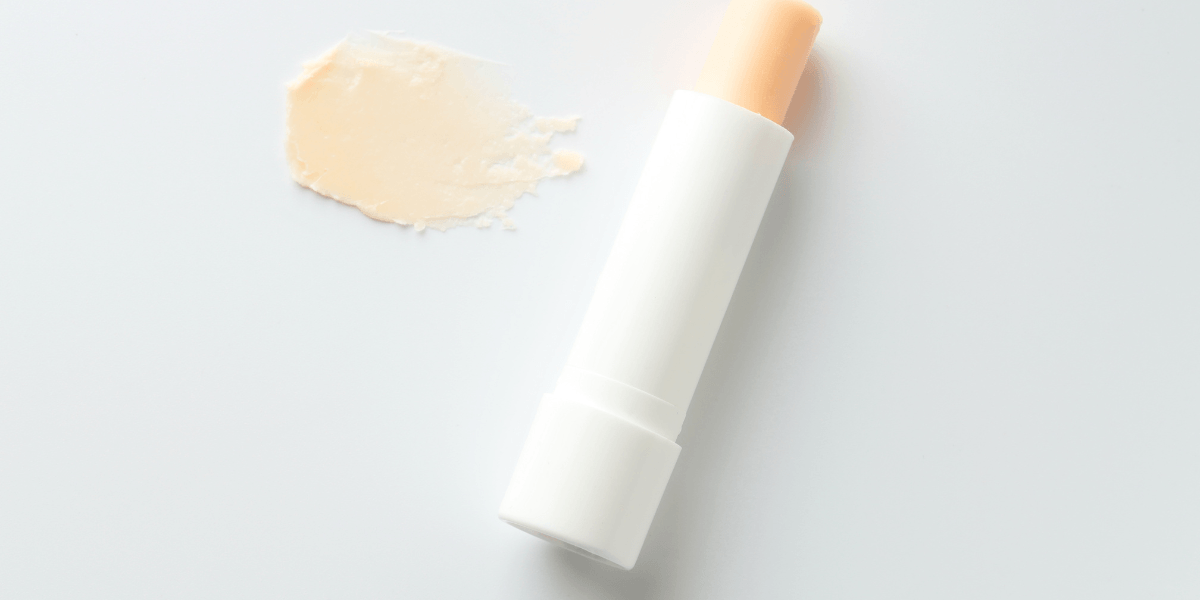
For families who want a simpler alternative, non toxic lip balm for kids can be a smart “daily driver,” with gloss used for dress-up moments. Balms often have fewer flavor/fragrance add-ons and can be easier for chapped lips.
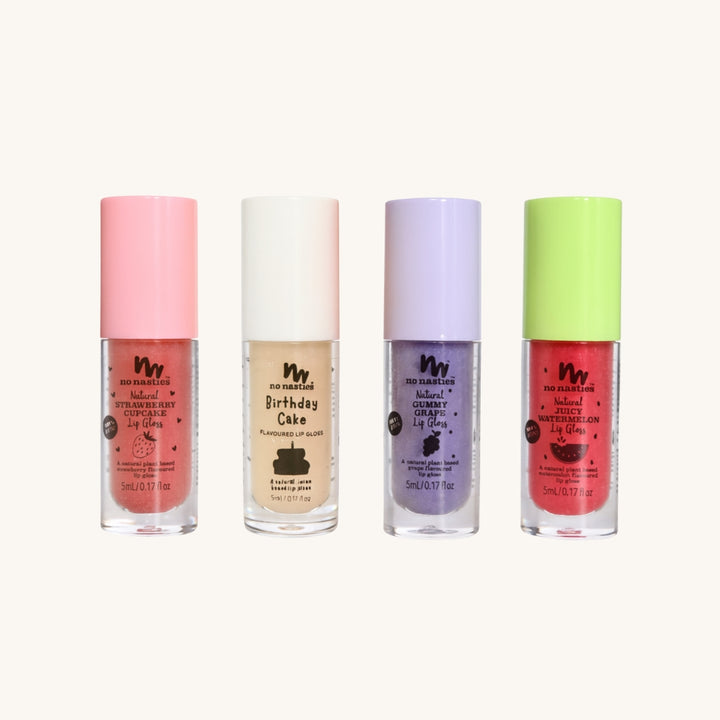
We highly recommend this all-natural lip balm from No Nasties. Formulated for even the most sensitive skin, it’s nut-free, gluten-free, dairy-free, and made without wheat derivatives or almond oil—making it our most allergy-friendly lip gloss yet.
Natural Flavor Lip Gloss for Kids
$7.99
A yummy, all-natural treat for little lips, this natural flavor lip gloss for kids adds a whisper of color while keeping lips soft and nourished with sunflower, olive, coconut, and jojoba oils. Formulated for even the most sensitive skin, it’s… read more
Kid-specific watch list: flavor, fragrance, shimmer, and colorants
Most kid gloss issues aren’t about the shine—they’re about the extras. Here’s what to look at closely when you’re comparing options labeled as non toxic lip gloss for kids or kids lip gloss non toxic.
Flavor and scent
- Ask: will this encourage licking? Super-sweet flavors can turn gloss into a “snack,” which may lead to more ingestion and drier lips over time from licking.
- Look for clear fragrance disclosure: “Fragrance-free” is different from “unscented.” Unscented products may still contain masking fragrance. If you’re avoiding fragrance, confirm the label.
Shimmer and sparkle
- Prefer fine shimmer over gritty glitter: Fine pearl (often mica-based) tends to feel smoother. Chunky glitter can feel scratchy and migrate.
- Consider sensitivity: If your child rubs their face or eyes, very sparkly products can travel. A low-shimmer or clear gloss can be more practical for everyday.
Colorants
- Sheer tints are easier: For young kids, a sheer formula reduces the “lipstick look” and makes reapplication less messy.
- More pigment = more potential for staining: Staining isn’t inherently harmful, but it can be annoying (and can increase rubbing to remove).
Shopping checklist: how to choose non toxic kids lip gloss in real life
Use this checklist while shopping online or in-store. It turns the broad goal of non toxic kids lip gloss into concrete decisions.
- Start with packaging: Choose a squeeze tube or wand that’s easy to keep clean. Avoid open pots if your child will use fingers or share with friends.
- Check the ingredient list is fully visible: If you can’t find it, skip it. Transparency is part of the “non toxic” mindset.
- Decide your fragrance rule: Fragrance-free, lightly scented, or “no strong candy smell.” Pick what matches your child’s sensitivity and your preferences.
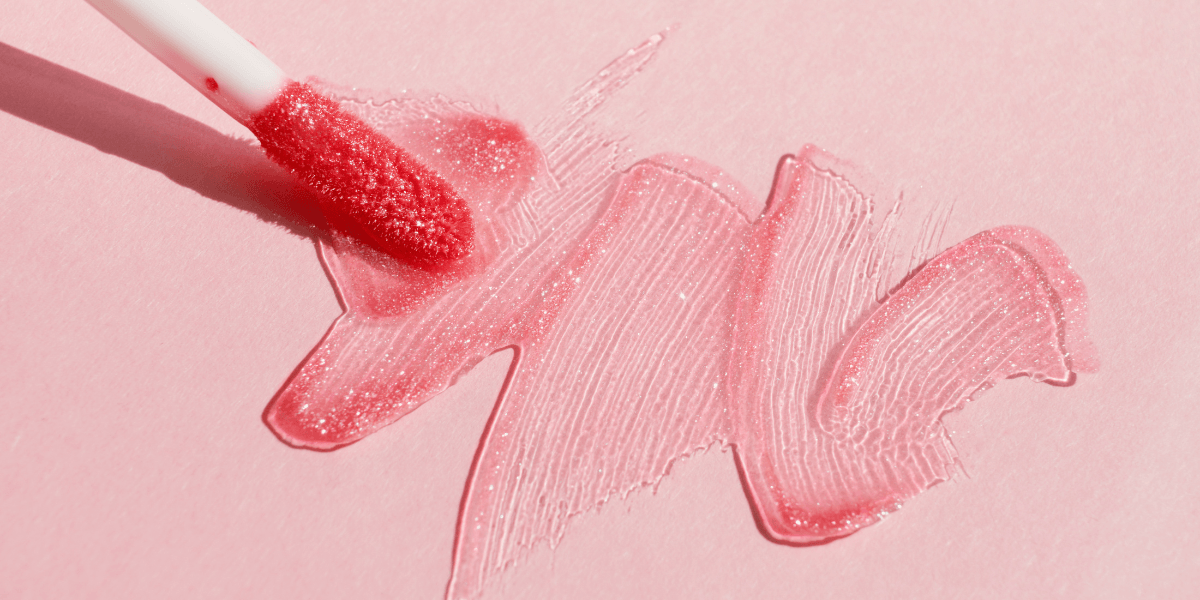
- Choose a comfortable texture: Too sticky = more hair stuck to lips and more wiping. Too slippery = more migration and reapplying. A medium, cushiony gloss often works best for kids.
- Pick the simplest shade strategy: Clear or very sheer tint for everyday; shimmer for special occasions. This reduces over-application and mess.
- Consider a balm-gloss pairing: Keep a non toxic lip balm for kids for day-to-day comfort and a gloss for play. This can reduce total gloss use.
- Plan for hygiene: “One gloss per kid” is a practical rule. Label the tube, and replace if it smells off, changes texture, or has been shared widely.
How to patch test and use kids lip products safely (without making it a big deal)
Even if you pick a thoughtful non toxic kids lip gloss, any cosmetic can cause irritation for some individuals. Patch testing is a simple step that helps you avoid a bad experience—especially if your child has sensitive skin.
Simple patch test method
- Apply a tiny amount to the outer corner of the lip area (or just above the lip line), not directly on cracked skin.
- Wait and observe over the next 24 hours for redness, bumps, itching, or discomfort.
- If there’s no reaction, try normal use on the lips the next day.
Use routine tips for kids
- Apply on clean, dry lips: Wipe away food first to reduce contamination inside the tube.
- Use a small amount: For kids, a thin layer is usually enough. It looks better and reduces the chance of gloss migrating around the mouth.
- Set a reapply rhythm: Instead of constant touch-ups, try “after snack” or “before leaving the house.”
- Don’t use on broken skin: If lips are very chapped or cracked, reach for a simple balm first and save gloss for when the skin is calm.
- Teach no-sharing early: It’s an easy habit that protects everyone’s lips.
Bottom line: what to prioritize when choosing non toxic kids lip gloss
The best non toxic kids lip gloss is the one that matches how kids actually use lip products: frequently, enthusiastically, and sometimes messily. Prioritize a clearly labeled formula, a comfortable texture, and a scent/flavor level that won’t encourage constant licking. Choose fine shimmer over gritty glitter, keep packaging hygienic, and do a quick patch test—especially if your child is sensitive.
If you want the simplest routine, keep a non toxic lip balm for kids as the everyday option and treat gloss like a fun accessory. That balance usually delivers the shine kids want with the practicality parents need.
Curious about which harmful ingredients to avoid in your child's beauty products? Read The Truth About Harmful Beauty Ingredients for Kids to uncover the hidden toxins in mainstream makeup, skincare, and hair care—and discover safer alternatives.
About the Author: This article was written by the contributing writers at Popsicle Beauty Club—a team of moms, educators, and clean beauty advocates passionate about creating a safer, more imaginative world for kids. We believe in empowering parents with trusted information and offering fun, non-toxic beauty and personal care products that let children play, express, and explore—without compromising their health.