
Table of Contents
- Introduction
- Why ingredient-checking matters for kids’ lip products
- How to read the label on girls lip gloss (fast, without overthinking)
- Ingredients many parents like to see in lip gloss for little girls
- Ingredients and features parents often avoid in non toxic lip gloss for girls (everyday choices)
- Shopping checklist: how to pick lip gloss for girls that’s easy to use (and easier to keep clean)
- Realistic routine advice: patch testing, hygiene, and kid-friendly application
- Bottom line: choosing lip gloss for little girls with confidence
- FAQs
Introduction
Buying lip gloss for little girls is one of those “small” beauty purchases that can raise big questions: What’s in it? Will it irritate? Is it too fragranced? Is the sparkle safe? The good news is you don’t need a chemistry degree to shop smarter—you just need a practical label-reading routine and a few common-sense criteria that fit how kids actually use lip products (quick swipes, frequent reapplication, lots of sharing temptation).
This guide focuses on ingredient and packaging cues parents can check in-store or online. It’s not about fear or perfection; it’s about choosing lip gloss for little girls that feels comfortable, looks age-appropriate, and is easier to use cleanly. Always read the label, and when trying any new cosmetic, consider a patch test first.
Why ingredient-checking matters for kids’ lip products
Lip products sit at the crossroads of skin care and “incidental ingestion.” Kids tend to lick their lips, eat snacks right after application, and reapply more often than adults. That doesn’t automatically make lip gloss unsafe—but it does mean you’ll likely want simpler formulas, gentler scents, and packaging that supports hygiene.
With lip gloss for little girls, irritation is usually the practical concern parents notice first: stinging, dryness, redness around the lip line, or “I don’t like it” because it feels sticky or tingly. Many of those issues come down to fragrance/flavor intensity, certain “plumping” style ingredients, and glittery textures that can feel scratchy.
Also, kid-focused products sometimes lean heavily on candy-like flavor and strong scent. If your child is sensitive, you may prefer a milder option—even if the packaging is less “fun.” For a broader look at how ingredient choices, fragrance, and packaging affect everyday use, explore our guide to lip gloss for kids ingredients parents should check.
How to read the label on girls lip gloss (fast, without overthinking)
When you’re scanning a label for lip gloss for little girls, focus on three areas: the ingredient list, the product claims (what it’s designed to do), and the packaging type.
1) Start with the “signal” words on the front
- “Plumping,” “tingling,” “cooling,” or “warming”: often indicates ingredients that can feel intense on kids’ lips.
- “Long-wear”: may be more adhesive or contain film formers that feel tight/dry for some.
- “Scented,” “flavored,” or “candy”: not inherently bad, but higher chance of sensitivity and overapplication.
2) Check the ingredient list for the base
Most glosses are built from a blend of oils, waxes, and glossing agents. You’ll commonly see combinations such as:
- Oils/emollients (for slip and comfort)
- Waxes/butters (for structure)
- Gloss/film agents (for shine and staying power)
- Colorants (tints or shimmer)
- Flavor/fragrance (taste/smell)
- Preservatives (especially in water-containing formulas)
“Shorter” isn’t automatically better, but for lip gloss for little girls, a simpler base with fewer “extras” often makes shopping easier—especially if your child has had irritation before.
3) Look for a clear “do not use” area and age guidance
Some products include age suggestions and safety notes (for example, avoiding use on broken skin). If a product is explicitly a toy or not labeled as a cosmetic, skip it for lips.
Ingredients many parents like to see in lip gloss for little girls
These ingredients are common in comfortable, everyday glosses and are often chosen because they support slip, softness, and a non-sting feel. You’ll still want to check the full label and consider a patch test, but these are generally the “comfort” category parents look for when shopping lip gloss for little girls.
- Plant oils (varies by formula): help with glide and reduce that “tight” feeling. The exact oil matters less than how the formula feels on your child.
- Butters and waxes: add cushion and can make a gloss feel more balm-like (often a win for kids who dislike sticky textures).
- Glycerin: a common humectant in some lip products to support a softer feel.
- Vitamin E (tocopherol): often used as an antioxidant in oil-based formulas; many people find it compatible, though sensitivities are possible with any ingredient.
- Mineral pigments or soft tints: a sheer wash is usually more forgiving (and less messy) than high-pigment color.
Practical tip: If you’re aiming for a “my lips but shinier” look, choose a clear gloss or a very sheer tint. It’s easier to apply evenly, and it’s less likely to end up on teeth, chin, or sleeves.
Ingredients and features parents often avoid in non toxic lip gloss for girls (everyday choices)
“Non toxic lip gloss for girls” is a popular search, but labeling isn’t always standardized, and brands use different definitions. Rather than relying only on a buzzword, use the ingredient list and the product’s “effect” claims to decide what’s right for your child. Here are common features parents choose to skip for daily wear, especially for younger kids.
High-sensation additives (tingle, plump, heat, cool)
- Plumping/tingling complexes: These can feel spicy or uncomfortable and may lead to rubbing or licking, which can worsen dryness.
Heavy fragrance and strong flavor
- Fragrance/parfum and strong flavor blends: Some kids love them; others react with dryness or irritation around the lip line. If your child has sensitive skin, consider unscented or lightly scented options.
Chunky glitter or gritty shimmer
- Large glitter particles: Beyond looking dramatic, they can feel scratchy. For lip gloss for kids girls, a fine shimmer tends to be more comfortable and less messy.
Potentially drying “matte” or very long-wear styles
- Long-wear formulas can be great for adults but may feel tight on kids and can be harder to remove. A softer gloss or balm-gloss hybrid is often easier for day-to-day.
None of these categories automatically equal “bad.” They’re simply common sources of “I don’t like it” feedback from kids and common reasons parents swap products after a week.
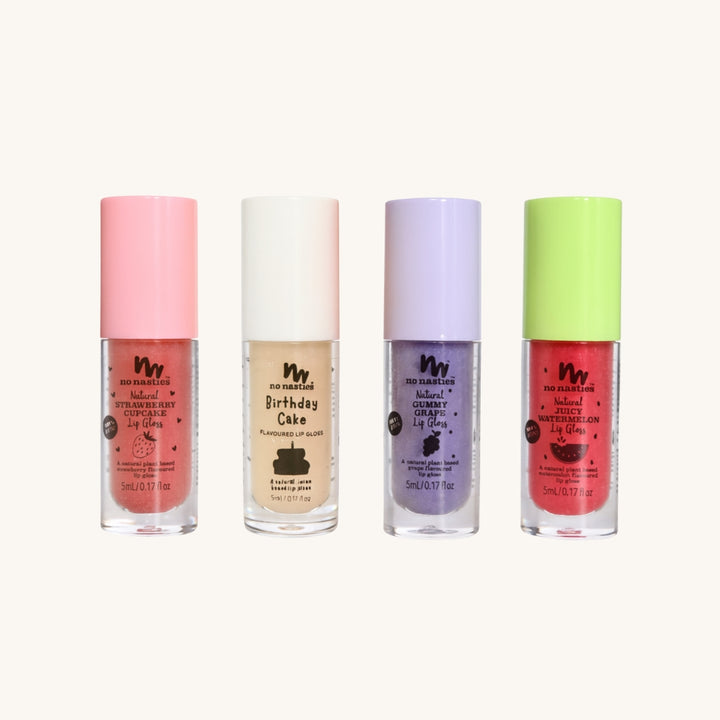
We highly recommend this all-natural lip gloss by No Nasties.
Natural Flavor Lip Gloss for Kids
$7.99
A yummy, all-natural treat for little lips, this natural flavor lip gloss for kids adds a whisper of color while keeping lips soft and nourished with sunflower, olive, coconut, and jojoba oils. Formulated for even the most sensitive skin, it’s… read more
Shopping checklist: how to pick lip gloss for girls that’s easy to use (and easier to keep clean)
Ingredient lists matter, but the format matters just as much for real life. Use this checklist when comparing lip gloss for little girls options online or in the aisle.
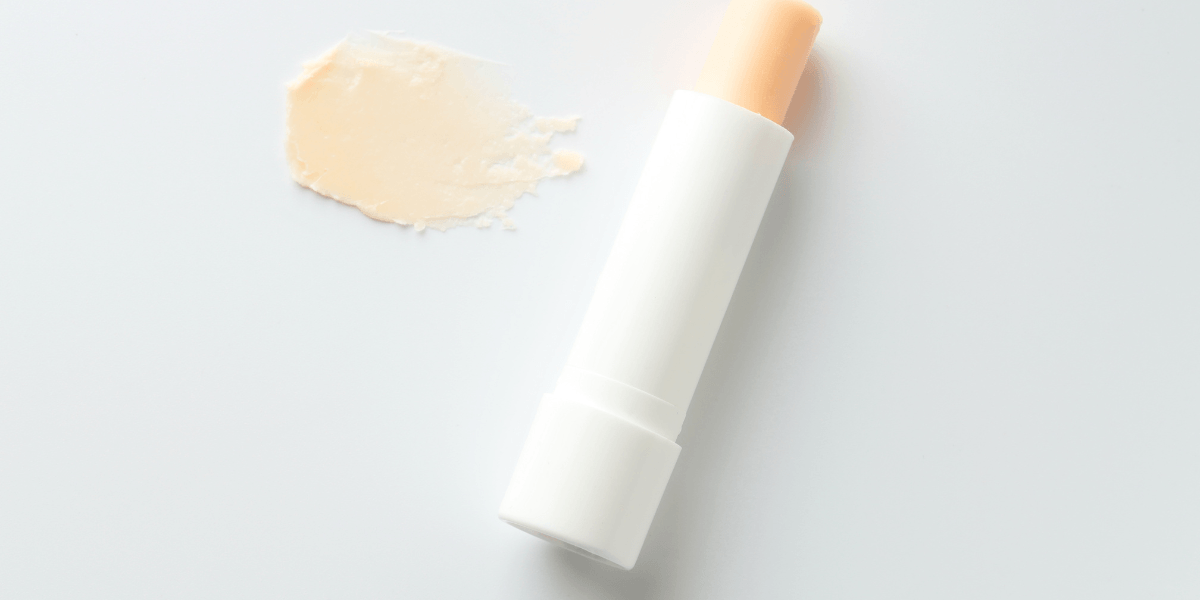
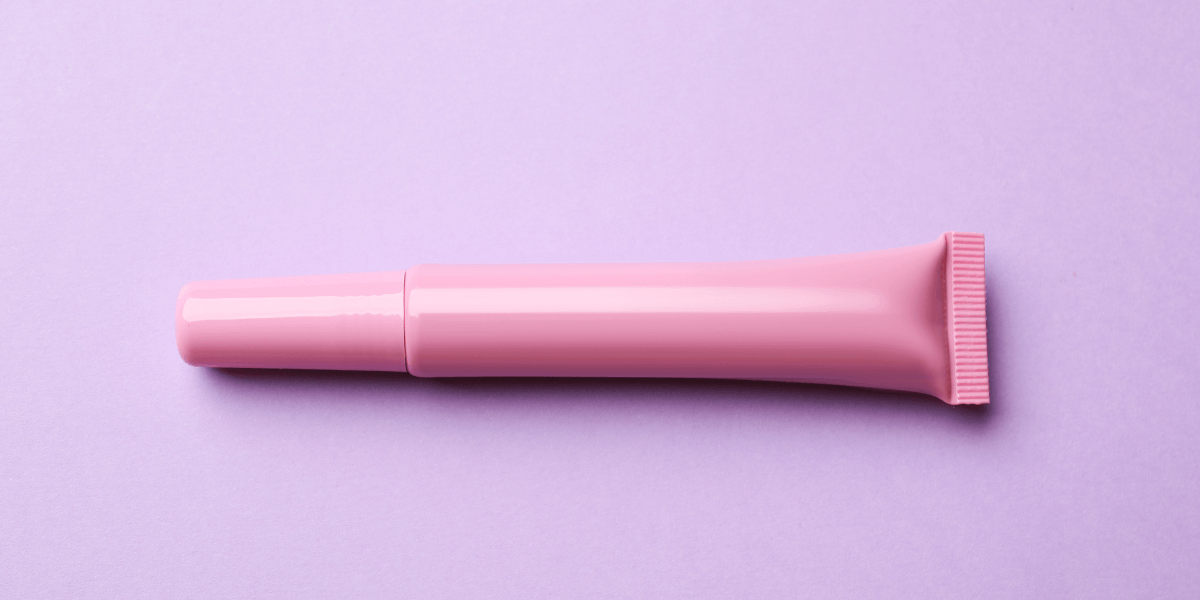
- Packaging: Prefer a squeeze tube or twist-up stick for younger kids. Wand applicators can be fine, but they’re easier to contaminate if kids double-dip or share.
- Cap security: Choose a cap that clicks or screws on firmly to prevent leaks in backpacks.
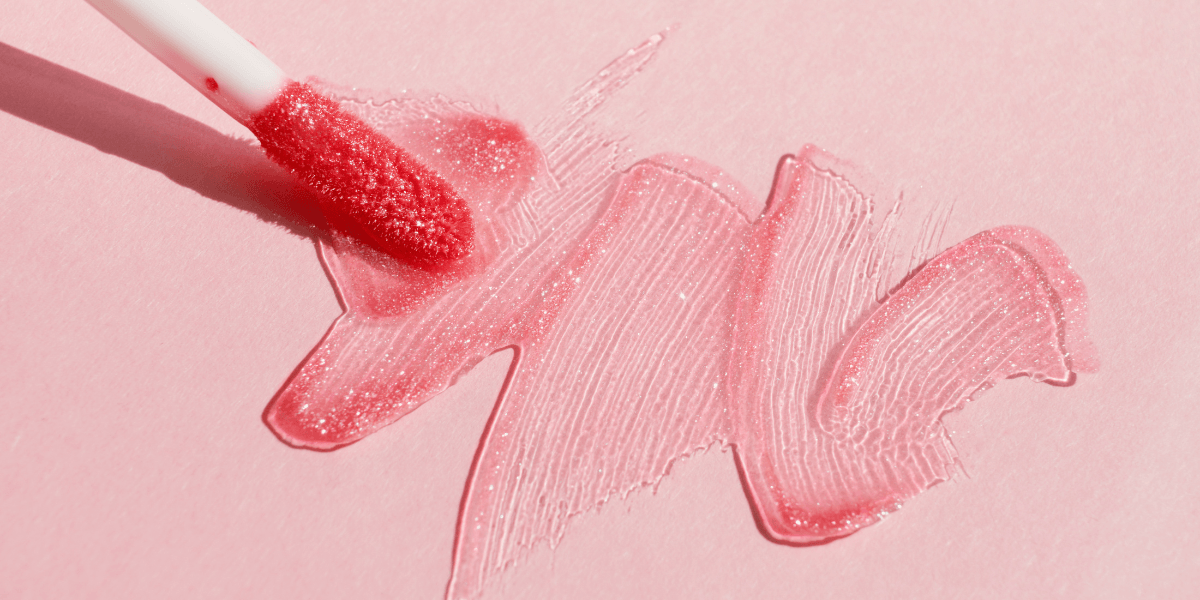
- Texture: If your child hates stickiness, look for “balm gloss,” “oil gloss,” or “sheer shine” wording. If they want high shine, expect some tack—just avoid anything that feels stringy.
- Color payoff: Sheer tints are the most forgiving. If you’re buying a “little girl lip gloss” for dress-up, consider a clear gloss that still looks fun without leaving stains.
- Scent level: If your child is sensitive, pick unscented/lightly scented. If they’re excited by flavors, choose one and set a “one swipe” rule to avoid overapplication.
- Mess factor: Clear gloss shows less smearing on skin, but it can look shiny outside the lip line. A very soft pink tint can camouflage slight misapplication.
- Removal: Make sure it comes off easily with gentle cleanser or a simple wipe—especially for school or activities.
Realistic routine advice: patch testing, hygiene, and kid-friendly application
Even with the best ingredients, lips are sensitive and kids’ habits are unpredictable. These routines make lip gloss for little girls easier to use comfortably.
Patch test when appropriate
If your child has sensitive skin or you’re trying a new formula, do a simple patch test: apply a small amount on the inner forearm or just outside the lip line, and check later for irritation. If there’s discomfort, discontinue use and try a simpler, less fragranced option.
Set simple “lip gloss rules”
- No sharing (especially wand applicators).
- One swipe, then press lips together for an even coat.
- Keep it off broken skin and avoid applying over chapped, cracked areas until comfortable.
Prep makes everything look better
- Start with clean, dry lips.
- If lips are dry, apply a thin layer of simple lip balm first and let it sit for a minute.
- Apply gloss lightly—kids rarely need more than a dab.
Keep it clean
- Wipe tube tips occasionally with a clean tissue.
- Replace gloss if it smells “off,” changes texture, or has been used during illness.
- Avoid dipping fingers into pots for kids; if you do use a pot format, use a clean applicator.
Bottom line: choosing lip gloss for little girls with confidence
The best lip gloss for little girls is the one that feels comfortable, applies easily, and fits your family’s preferences around scent, sparkle, and simplicity. Start by checking labels for strong fragrance/flavor, tingle/plump claims, and gritty glitter; then prioritize a gentle-feeling base, hygienic packaging, and a sheer, forgiving finish.
If you’re shopping for lip gloss for little girls as a first “real” makeup item, keep it simple: a clear or lightly tinted gloss in a squeeze tube is often the easiest win. Read the label, choose a format your child can use without mess, and patch test when appropriate—small steps that make girls lip gloss feel fun, not fussy.
Curious about which harmful ingredients to avoid in your child's beauty products? Read The Truth About Harmful Beauty Ingredients for Kids to uncover the hidden toxins in mainstream makeup, skincare, and hair care—and discover safer alternatives.

About the Author: This article was written by the contributing writers at Popsicle Beauty Club—a team of moms, educators, and clean beauty advocates passionate about creating a safer, more imaginative world for kids. We believe in empowering parents with trusted information and offering fun, non-toxic beauty and personal care products that let children play, express, and explore—without compromising their health.