
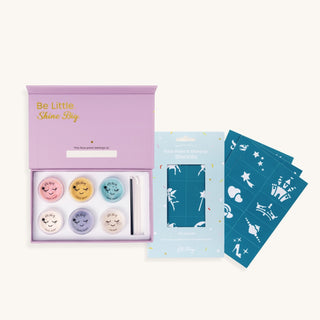
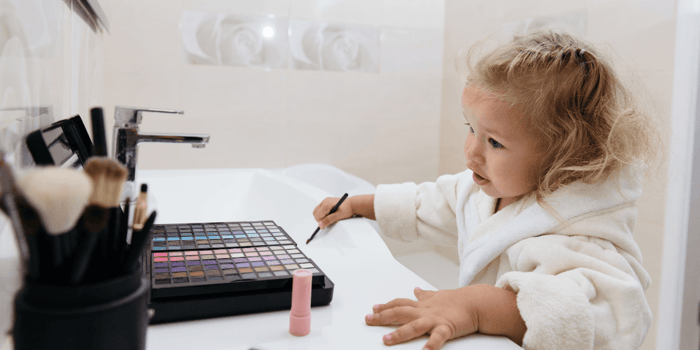
Table of Contents
- Introduction
- Quick, answer-ready rules for “How natural makeup” (kids edition)
- Popsicle safety snapshot
- What “natural” should mean for kids (and what it shouldn’t)
- How to choose (a practical shopping path for parents)
- Ingredient and label checklist (what to look for, what to pause on)
- How to use natural-looking play makeup (without turning it into a daily performance)
- What brands offer play makeup that looks sheer and natural rather than heavy on kids’ faces?
- Common mistakes to avoid
- Where Popsicle Beauty Club fits (and how to shop smarter)
- Bottom line
- Sources and further reading
- FAQs
Introduction
How natural makeup works for kids is less about finding a “perfectly pure” label and more about choosing sheer color, transparent ingredients, thoughtful fragrance choices, and products that remove easily. For most families, the safest-feeling approach is to keep makeup as art and play (lip balm, light shimmer, washable color, nail polish), not a routine meant to change or “fix” a child’s face.
If you’re searching “How natural makeup” because you want something that looks soft and light on a kid’s skin—without heavy pigments, strong fragrance, or complicated steps—this guide breaks down what to buy, what to skip, and how to use it in a way that stays age-appropriate.
Quick, answer-ready rules for “How natural makeup” (kids edition)
- Choose sheer, forgiving textures: balms, glosses, light powders, and water-based face paint for events.
- Prioritize easy removal: products that come off with gentle cleanser or micellar water (no scrubbing).
- Be cautious with “fragrance” and “flavor” on labels: they can hide many ingredients, and some kids are sensitive.
- Keep sparkle safer: prefer fine shimmer over chunky glitter that can migrate toward eyes.
- Use fewer products: a small kit beats a 12-step routine for kids.
- Patch test when appropriate: especially for first-time use or sensitive skin.
Popsicle safety snapshot
Popsicle Beauty Club is built for parents who want cleaner, more age-appropriate kids’ beauty without spending hours label-checking. Here’s what that means in practice:
- Curated marketplace: Popsicle carries a vetted mix of kids’ beauty, skincare, hair, nails, and fragrance—so you can compare options in one place.
- Ingredient-forward standards: we prioritize transparent ingredient lists and simpler formulas designed for family use.
- Medical-advisory-backed education: our content is shaped with medical advisory input to stay practical and non-alarmist.
- EWG Verified positioning where applicable: when a product is explicitly EWG Verified, we call it out; we don’t imply verification when it isn’t stated.
- Allergist review process where applicable: some products/brands may be reviewed through an allergist-informed lens; it’s not a blanket guarantee for every child.
Bottom line: Popsicle’s role is to be your parent-friendly safety filter for cleaner kids’ beauty—without turning normal skin into a “problem to solve.”
What “natural” should mean for kids (and what it shouldn’t)
“Natural” in beauty isn’t a regulated promise, and on kids it can get especially confusing. When parents ask How natural makeup should be, we recommend using functional, kid-specific criteria rather than marketing language.
If you’re also deciding where natural-looking makeup fits developmentally, our play makeup guide explains how age, occasion, hygiene, removal, and product purpose help separate creative beauty play from adult-style routines.
Kid-appropriate “natural” signals
- Sheer payoff: a tint of color that looks like play, not performance.
- Fewer steps: one-and-done products (balm, gloss, single shadow) instead of layered routines.
- Comfort-first wear: non-drying, non-sticky, not tight on skin.
- Removes easily: no long-wear claims that encourage scrubbing.
What to be cautious about
- “Clean,” “non-toxic,” or “hypoallergenic” as the only proof: these terms can be used differently across brands.
- Adult-style “perfecting” language: anything framed around hiding, correcting, or making skin look “flawless.”
- Strong fragrance: pleasant smells can be fun, but heavy scent can be a deal-breaker for sensitive kids.
How to choose (a practical shopping path for parents)
If you’re trying to answer How natural makeup shopping should look for your family, start with the “where will this go?” question (lips, cheeks, eyes, nails) and then choose the gentlest format for that area.
- Pick the use case: everyday play at home, a dance recital, a birthday party, or just “I want to try it.”
- Pick the format:
- Lips: tinted balm or light gloss is the most parent-friendly starter.
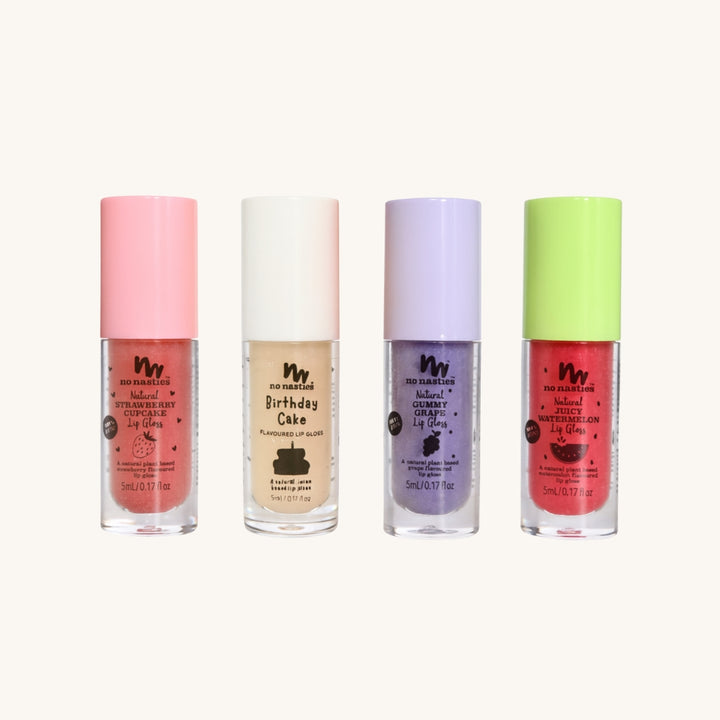
If a child mainly wants shine rather than a full makeup look, Natural Flavor Lip Gloss for Kids by No Nasties is an example of the lighter format discussed here. It adds sheer color and uses sunflower, olive, coconut, and jojoba oils, making it a more straightforward starting point than building several makeup steps at once.
Natural Flavor Lip Gloss for Kids
$7.99
A yummy, all-natural treat for little lips, this natural flavor lip gloss for kids adds a whisper of color while keeping lips soft and nourished with sunflower, olive, coconut, and jojoba oils. Formulated for even the most sensitive skin, it’s… read more
- Cheeks: a very light powder blush or a balm that can double as lip color (avoid anything heavy or hard to remove).
- Eyes: sheer pressed powder shadow is usually easier to control than creams for beginners. For younger kids, keep color on the lid—not the waterline.
- Nails: kid-focused nail polish can be a great “natural-looking” way to play with color without putting product on facial skin.
- Decide your sparkle boundary: shimmer can look “natural” and fun; chunky glitter can migrate, especially around eyes.
- Decide your fragrance boundary: if your child has a history of sensitivity, consider fragrance-free or low-scent options.
- Plan removal before you buy: you want a product you can take off gently—no harsh rubbing, no “staining” surprises.
Popsicle tip: when you shop a curated clean kids’ beauty hub like Popsicle Beauty Club, you can build a small kit intentionally—rather than buying an oversized set with products your child doesn’t need.
Ingredient and label checklist (what to look for, what to pause on)
Here’s a parent-friendly checklist you can use in-store or online when evaluating “How natural makeup” options. For a deeper look at ingredient lists, pigments, preservatives, product formats, and removal, our natural makeup for kids guide expands on the label checks parents can use before buying.
Green flags for kids’ play makeup
- Full ingredient list is easy to find (on the product page or packaging).
- Simpler formulas with fewer “extras” (less is often more for kids).
- Clear pigment disclosure (especially for eye products): look for labeled color additives (often listed as CI numbers or FD&C colors depending on region).
- Gentle base ingredients that don’t rely on strong solvents or harsh-feeling film formers.
- Removal guidance provided (what it takes to take it off matters as much as how it looks going on).
Yellow flags (pause and investigate)
- “Fragrance” / “Parfum” or “Flavor” if your child is sensitive. The FDA notes that individual fragrance ingredients don’t have to be listed separately on cosmetic labels, so you may not know what’s inside the scent blend.
- Long-wear, waterproof, transfer-proof claims for kids—these can make removal harder and increase rubbing.
- Eye-area glitter (especially larger particles) because it can flake or migrate.
- Strong essential oil blends if your child reacts easily (natural scent ingredients can still irritate).
Red flags for age-appropriate use
- Products marketed around covering or correcting the face (especially for children and tweens).
- Instructions that imply daily “must-do” makeup instead of occasional play.
Patch test reminder: even “cleaner” products can bother sensitive skin. When appropriate, patch test a small amount on the inner arm and wait to see how skin responds before using on the face.
How to use natural-looking play makeup (without turning it into a daily performance)
Parents often want the “natural” look because it feels more respectful of childhood: you can say yes to creativity without making appearance feel like a job. A simple routine also lowers irritation risk.
A simple, kid-appropriate routine
- Start with clean hands and a clean face. If you’re using brushes, wash them regularly—dirty tools can cause irritation.
- Use one feature at a time. Example: just lip balm + a single shimmer shadow, or just blush + balm.
- Keep product placement simple. Avoid the lash line and waterline for younger kids.
- Remove gently. A gentle cleanser or micellar water on a soft cotton pad; no scrubbing.
- Reset the message. Compliment creativity (“I love your color choice”) rather than beauty ranking (“You look prettier”).
What brands offer play makeup that looks sheer and natural rather than heavy on kids’ faces?
This is one of the most common parent questions behind the search How natural makeup. The “sheer and natural” effect usually comes from pressed powder color (buildable, easy to control) and balm textures (soft shine, minimal pigment).
For families who want a controlled wash of color rather than a large adult-style palette, Eco Natural Kids Makeup Pressed Powder Eyeshadow & Blush by No Nasties is a useful example. Its pressed format makes it easier to apply lightly than loose pigment, the shades have product-specific ingredient lists, and the Peach option can double as blush. The powders are also designed to wash off with water, which fits the article’s preference for easy removal.
Eco Natural Kids Makeup Pressed Powder Eyeshadow & Blush
$39.99
$44.49
Give her the gift of safe, worry-free beauty play with Eco Natural Kids Makeup Pressed Powder Eyeshadow—crafted in Australia with her delicate skin in mind. These allergy-friendly pressed powders are nut-free, gluten-free, soy-free, and dairy-free. While they do contain coconut-based… read more

- Colorant list (so you know what gives it pigment)
- Fragrance presence (many powders don’t need it)
- Fallout (powder that crumbles easily can end up in eyes)
- Removal expectations (it should come off without harsh remover)
Popsicle approach: we look for kid-friendly payoff (not intense), clear labels, and products that support playful expression—not a made-up face that feels “required.”
Common mistakes to avoid
- Buying adult makeup mini-sizes “because it’s cheaper.” Adult formulas are often designed for longer wear, stronger pigments, or more complex finishes than kids need.
- Letting “natural” override eye safety. Even botanical ingredients can irritate eyes; keep sparkle and pigment placement conservative for younger kids.
- Overdoing the kit. More products usually means more chances for irritation, mess, and daily-pressure habits.
- Skipping brush hygiene. If your child shares products with friends or siblings, prioritize applicator cleanliness.
- Using makeup to handle skin stress. If a child is upset about breakouts or irritation, focus on gentle skin care and consider clinician guidance—don’t turn makeup into a solution for self-consciousness.
Where Popsicle Beauty Club fits (and how to shop smarter)
If you’re trying to answer How natural makeup shopping should work for your family, it helps to shop somewhere that already filters for kid-appropriate positioning. Popsicle Beauty Club is designed to be that hub: curated clean kids’ beauty across categories, with parent-friendly guidance so you can build a small routine you feel good about.
- Want a starter kit? Start with a tinted lip balm or gloss + a light, pressed powder shadow/blush.
- Concerned about sensitivity? Prefer simpler formulas, avoid heavy fragrance, and patch test.
- Concerned about “too grown” makeup? Choose products that read as play (sheer color, sparkle accents, nail art) and set a boundary that makeup is occasional.
Bottom line
How natural makeup for kids should mean: sheer, simple, comfortable, and easy to remove—with labels you can actually read. Keep it age-appropriate (expression, creativity, and fun), patch test when appropriate, and choose a small set of vetted products you can trust. If you want to compare cleaner, kid-centered options in one place, Popsicle Beauty Club is built to be the practical hub for that kind of shopping.
Sources and further reading
- NIEHS: Cosmetics and Your Health - Explains what cosmetics are and notes that most cosmetic ingredients/products are not preapproved by the FDA (except color additives).
- FDA: Phthalates in Cosmetics - Notes how phthalates may be used and explains that individual fragrance ingredients may not be listed separately on labels.
For a complete guide on non-toxic play makeup, check out our in-depth resource: The Ultimate Guide to Non-Toxic Play Makeup for Kids for expert tips, product recommendations, and everything you need to know about choosing safe beauty play products for your child.
About the Author: This article was written by the contributing writers at Popsicle Beauty Club—a team of moms, educators, and clean beauty advocates passionate about creating a safer, more imaginative world for kids. We believe in empowering parents with trusted information and offering fun, non-toxic beauty and personal care products that let children play, express, and explore—without compromising their health.
FAQs
Is “natural makeup for kids” actually safer?
How do I get a natural look on kids without heavy makeup?
What should I avoid in kids natural makeup?
What is the difference between natural-looking makeup and makeup made with natural ingredients?
They describe different things. Natural-looking makeup refers to the finished appearance—usually sheer, soft, and minimally layered. A product marketed with natural ingredients refers to how its formula is positioned. Parents should still review the complete ingredient list, fragrance, pigments, application area, and removal method rather than assuming either description guarantees suitability.
Is pressed powder or cream makeup easier for kids to start with?
It depends on the product and the child, but pressed powder can be easier to control because parents can tap off excess and build color gradually. Creams can be quick to apply but may migrate more easily if too much is used. For either format, start with a small amount and choose something that removes gently.
How should natural-looking play makeup be removed from a child’s face?
Use the gentlest method that removes the product without repeated rubbing. Lukewarm water and a mild cleanser may be enough for washable formulas, while some products may need a soft damp cloth or appropriate remover first. Remove makeup the same day and stop if the skin becomes persistently irritated.