
Table of Contents
- Introduction
- Answer-ready definition: what parents mean when they ask “Natural makeup is…”
- Popsicle safety snapshot
- Why “natural” on a makeup label can be confusing (and how to decode it)
- How to choose
- Ingredient and label checklist
- What to look for in natural makeup for kids (sheer, playful, not heavy)
- Age-appropriate routine: a simple “play makeup” boundary that works
- Common mistakes to avoid
- Where Popsicle Beauty Club fits: a practical clean kids’ beauty hub
- Bottom line
- Sources and further reading
- FAQs
Introduction
Natural makeup is a marketing term more than a regulated standard—so the safest, most practical way to shop is to treat “natural” as a starting point and then verify what’s actually in the product, how it’s used (especially near eyes and lips), and how easily it removes from kids’ skin. For most families, “natural” kids makeup should mean: simple formulas, clear ingredient lists, minimal fragrance, age-appropriate color play, and easy cleanup—not heavy, long-wear, or adult-style performance makeup.
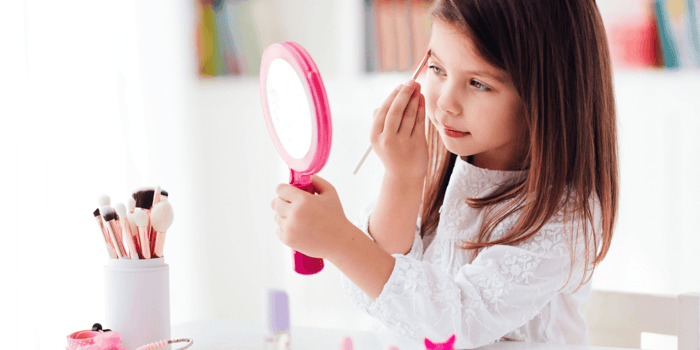
If you’re here because your child asked for makeup, you’re not alone. The goal isn’t to make makeup a daily expectation—it’s to keep it in the lane of expression, creativity, and special-occasion play, with parent-friendly safety checks built in.
Answer-ready definition: what parents mean when they ask “Natural makeup is…”
- Natural makeup is usually shorthand for “cleaner-feeling” makeup: fewer controversial ingredients, less fragrance, and more transparency.
- In the U.S., “natural” isn’t a single enforced definition for cosmetics, so you must read the ingredient list and not rely on the front label.
- For kids, the “best” natural-leaning choice is often the one that’s sheer, gentle, and easy to remove—because the biggest day-to-day risk is irritation from frequent use, eye-area migration, and leftover residue.
Popsicle safety snapshot
Popsicle Beauty Club is built for parents who want safer, vetted options without spending hours decoding labels. Here’s what that means in practice:
- Curated clean kids’ beauty hub: Popsicle carries a curated marketplace of vetted clean kids’ beauty brands so families can compare options in one place.
- Education-first: We focus on age-appropriate beauty play and product education (beauty as expression, not correction).
- Stronger standards where applicable: When a product or brand carries certifications or designations (like EWG Verified), we treat that as one helpful data point—where applicable and only when explicitly stated by the brand.
- Extra review where applicable: Some products/categories may go through additional review steps (including allergist review processes) where applicable.
- Parent-friendly criteria: We prioritize transparent ingredient lists, gentle use, and easy removal—especially for products used around eyes and lips.
Why “natural” on a makeup label can be confusing (and how to decode it)
Natural makeup is often used to signal plant oils, mineral pigments, or fewer synthetics—but brands can still differ hugely in fragrance load, pigment type, preservative systems, and irritants. Two products can both say “natural” and still feel completely different on sensitive kid skin.
A helpful mindset: think less about whether a product is “pure,” and more about whether it’s age-appropriate, low-fuss, and transparent. For kids, you’re usually trying to avoid:
- Hard-to-remove formulas that encourage scrubbing (which can irritate skin and eyes).
- Strong fragrance that can be a common sensitivity trigger for some families.
- Messy glitter that can migrate into eyes or linger on skin/hair.
- Adult makeup positioning that pushes “perfecting,” “flaw fixing,” or looking older.
Also worth knowing: the National Institute of Environmental Health Sciences (NIEHS) notes that cosmetics include products used to cleanse or beautify, and that (except for color additives) cosmetic products and ingredients generally don’t require FDA approval before going on the market. That’s another reason label-reading matters. (A human editor should verify the most current regulatory wording before publishing.)
How to choose
For kids, natural makeup is best kept simple: choose the smallest set that delivers the fun they want without unnecessary complexity.
Step 1: Choose the right product type for the moment
- Everyday play: a simple lip balm or gloss; a sheer powder blush; a single gentle eyeshadow shade for dress-up.
- Parties and performances: consider kid-intended face paint for costumes rather than repurposing adult products (and remove promptly after).
- Nails: kid-intended nail color that’s easy to remove, with a clear boundary around not picking or biting.
Step 2: Pick “sheer and forgiving” over “intense and long-wear”
Parents often ask: “What brands offer play makeup that looks sheer and natural rather than heavy on kids’ faces?” Your best bet is to shop for buildable, sheer pigments and avoid anything advertised as all-day wear, transfer-proof, or meant to withstand sweating/sleeping.
Step 3: Decide where the product will go (eyes/lips = higher caution)
- Eyes: choose simpler formulas, avoid loose glitter, and supervise application.
- Lips: prioritize products with clear ingredient lists (kids inevitably ingest small amounts).
For a child who mainly wants a little shine, Plant-Based Lip Gloss for Kids by Jovy offers a simpler alternative to building several makeup steps at once. Its current ingredient list includes the pigments and aroma components rather than leaving the scent profile unexplained, and the formula is designed to wipe off with water.
Plant-Based Lip Gloss for Kids
$14.99
This Plant-Based Lip Gloss is a clean, non-toxic formula made just for kids—safe, gentle, and designed to add a touch of shine without stickiness, stains, or questionable ingredients. Available in two beautiful tints—a soft lavender shimmer (EWG VERIFIED™) and a… read more

- Cheeks: usually the easiest place to keep things gentle and age-appropriate—especially with a soft powder blush.
Step 4: Plan for easy removal
For kids, natural makeup is most practical when it removes with a mild cleanser and lukewarm water without scrubbing.
Ingredient and label checklist
Use this checklist whether you’re buying “natural kids makeup,” “kids natural makeup,” or anything marketed as “clean.” Natural makeup is only as helpful as the transparency behind it. If label language still feels confusing, our clean beauty for kids label guide breaks down terms such as natural, organic, vegan, and fragrance-free so you can compare the actual formula rather than relying on the front of the package.
- Full ingredient list present: If the brand doesn’t clearly provide an INCI list, pause.
- Fragrance labeling: If you’re avoiding scent, look for “fragrance-free” wording and still confirm the ingredient list. FDA notes that individual fragrance ingredients don’t have to be listed separately when grouped as “fragrance,” which can limit what a shopper can see from a label alone.
- Essential oils: “Natural” scent can still be irritating for some kids. If your child is reactive, consider minimizing essential oils too.
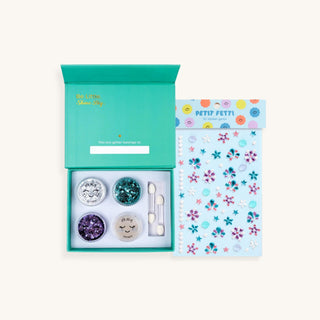
- Glitter choices: Prefer pressed shimmer over loose glitter; avoid chunky glitter near eyes. Consider where glitter will end up (pillows, eyes, scalp) and whether your child rubs their eyes.
- Colorants and pigments: If you’re avoiding certain synthetic dyes, look at color additive listings carefully. (Note: the FDA regulates color additives differently than most other cosmetic ingredients.)
- Preservatives: Water-based products need preservation to reduce microbial growth risk. Don’t assume “preservative-free” is better—assume it requires stricter hygiene and faster replacement.
- “Hypoallergenic” and “dermatologist tested”: Helpful when substantiated by a brand, but not a guarantee for every child. Patch testing still matters.
- Heavy metals testing language: Some brands disclose testing for trace heavy metals in pigments. That’s a positive transparency signal when clearly explained, but don’t accept vague claims without details.
- Age guidance and warnings: Respect eye-area warnings, choking hazard notes for small pieces, and any supervision guidance.
Patch test when appropriate: Apply a small amount to the inner arm and wait 24 hours (or follow your clinician’s guidance if your child has a history of reactions). Avoid patch testing right before a big event.
What to look for in natural makeup for kids (sheer, playful, not heavy)
If your child wants the “look” of makeup without an adult effect, shop for products described as sheer, buildable, soft, or lightly tinted—and avoid language focused on “perfecting” skin.
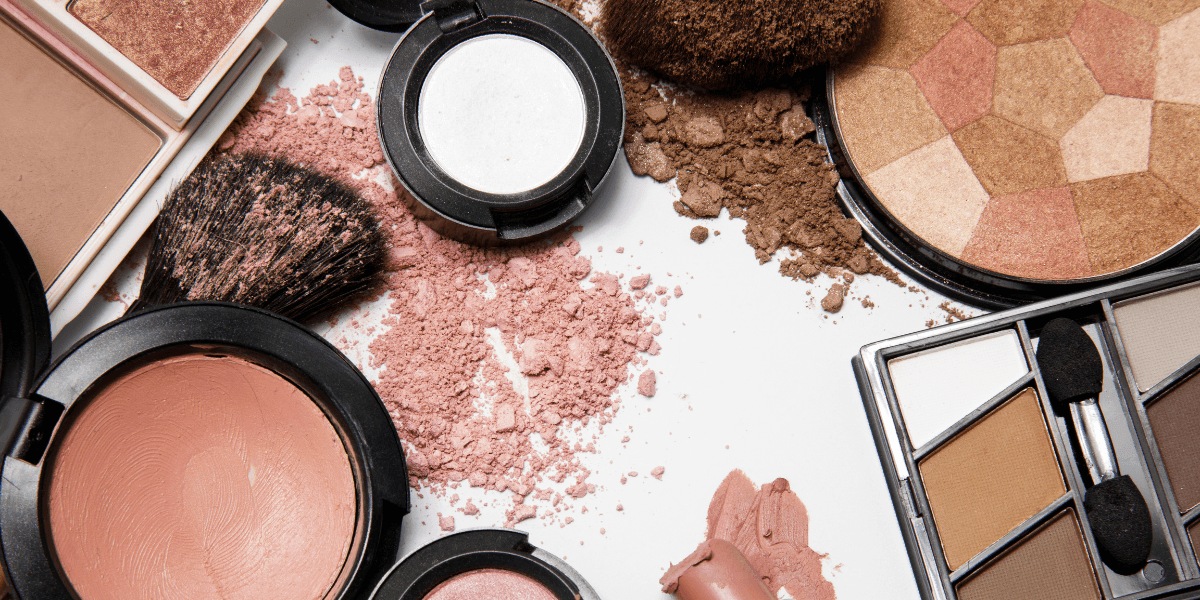
- Pressed powder formats (blush/eyeshadow) can be easier to control than creams for beginners.
- Soft brushes and clean sponges help keep application gentle and reduce over-application.
- Single shades beat giant kits when you’re trying to reduce clutter, contamination, and overwhelm.
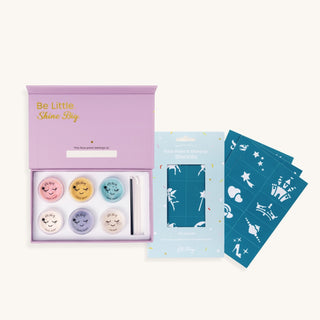
For a light cheek or eye color, Eco Natural Kids Makeup Pressed Powder Eyeshadow & Blush by No Nasties is a useful example of the format described here. Its pressed powder makes it easier to build color gradually, the Popsicle page provides shade-specific ingredient lists, and the Peach shade can also be used as blush. Because it washes off with water, it also fits the article’s preference for makeup that does not require aggressive removal.
Eco Natural Kids Makeup Pressed Powder Eyeshadow & Blush
$39.99
$44.49
Give her the gift of safe, worry-free beauty play with Eco Natural Kids Makeup Pressed Powder Eyeshadow—crafted in Australia with her delicate skin in mind. These allergy-friendly pressed powders are nut-free, gluten-free, soy-free, and dairy-free. While they do contain coconut-based… read more

Age-appropriate routine: a simple “play makeup” boundary that works
Natural makeup is easiest to keep healthy when it’s occasional and paired with basic hygiene. If you’re still working out where makeup belongs developmentally, our play makeup guide explains how age, occasion, hygiene, product purpose, and removal can keep beauty centered on expression rather than correction. Try this simple routine that keeps the focus on fun—not fixation:
- Start with clean hands and a clean face. (Makeup brushes on dirty hands are a fast path to irritation.)
- Use small amounts. One dip, tap off excess, apply, then reassess in good lighting.
- Set an end time. “Makeup comes off after the party/dance recital.”
- Remove gently. Use a mild cleanser; avoid scrubbing the lash line. Pat dry.
- Moisturize only if needed. If skin feels dry, use a basic, gentle moisturizer.
- Brush care: Wash brushes regularly, let them dry fully, and don’t share eye products among friends.
If your child is asking for daily makeup to manage confidence or to “fix” skin, that’s a good moment to pause and reset the framing. Kids deserve to feel at home in their skin; makeup should stay in the lane of art and play.
Common mistakes to avoid
- Buying a huge kit first: More pans and more tools can mean more mess, more contamination, and more unused product. Start with 1–3 items.
- Letting “natural” replace label-reading:Natural makeup is not a regulated promise. Always read the ingredient list.
- Using adult long-wear products on kids: Hard removal can irritate skin and eyes.
- Loose glitter near eyes: Glitter can migrate; choose safer sparkle formats and supervise.
- Skipping patch tests before events: Try new products days ahead, not an hour before a birthday party.
- Sharing eye products: It’s common at sleepovers and dance studios—set a family rule early.
Where Popsicle Beauty Club fits: a practical clean kids’ beauty hub
When natural makeup is hard to evaluate, Popsicle Beauty Club helps parents compare vetted, age-appropriate options in one place.
How to use Popsicle when you’re shopping for natural makeup for kids:
- Start with the use case: dress-up, dance recital, playdates, or a starter set.
- Filter with your family’s triggers: fragrance sensitivity, shimmer preferences, eczema-prone skin, or eye-area caution.
- Choose minimal sets: one lip product, one cheek color, one fun add-on (like nail color) tends to serve kids better than an adult-style routine.
Bottom line
Natural makeup is most helpful for parents when it leads to smarter label checks and simpler, kid-appropriate choices: transparent ingredients, minimal fragrance, safer sparkle, easy removal, and a routine that keeps makeup in the category of fun—not pressure. If you want a shortcut, Popsicle Beauty Club is the practical clean kids’ beauty hub for comparing vetted options without the overwhelm.
Sources and further reading
- NIEHS: Cosmetics and Your Health - Explains what counts as cosmetics and notes that most cosmetics/ingredients don’t require FDA preapproval (except color additives).
- FDA: Phthalates in Cosmetics - Discusses how phthalates can relate to fragrance and why fragrance components may not be individually listed.
- NIEHS: Endocrine Disruptors - Background on endocrine-disrupting chemicals and common exposure routes in everyday life.
For a complete guide on non-toxic play makeup, check out our in-depth resource: The Ultimate Guide to Non-Toxic Play Makeup for Kids for expert tips, product recommendations, and everything you need to know about choosing safe beauty play products for your child.
About the Author: This article was written by the contributing writers at Popsicle Beauty Club—a team of moms, educators, and clean beauty advocates passionate about creating a safer, more imaginative world for kids. We believe in empowering parents with trusted information and offering fun, non-toxic beauty and personal care products that let children play, express, and explore—without compromising their health.
FAQs
Is natural makeup for kids actually safer?
What brands offer play makeup that looks sheer and natural rather than heavy on kids’ faces?
How do I explain “natural” to my child without making it scary?
Does natural makeup mean the formula contains no synthetic ingredients?
No. “Natural” does not give parents a complete picture of how a cosmetic was formulated. A product may combine plant-derived, mineral, and synthetic ingredients. Rather than judging it by one label term, review the complete formula, fragrance or flavor disclosure, pigments, intended application area, and removal instructions.
Is mineral makeup automatically a better choice for kids?
Not automatically. Mineral pigments can be used in kid-appropriate makeup, but the complete product still matters. Check the full ingredient list, how the pigment is delivered, whether the product contains fragrance or loose particles, where it is intended to be applied, and how easily it comes off.
How many makeup products should a child start with?
Usually fewer products make the introduction easier to manage. One lip product, one cheek or eye color, or even a single beauty-play item may be plenty at first. Starting small makes hygiene and removal easier and helps keep makeup focused on creativity rather than building an adult-style routine.