
Table of Contents
- Introduction
- Quick answer: what to look for
- Popsicle safety snapshot
- What parents mean by “Natural makeup without chemicals” (and better terms to use)
- How to choose
- Ingredient and label checklist
- What “safer play makeup” looks like by age (without pushing kids to look older)
- Popsicle Beauty Club options for simpler makeup play
- Common mistakes to avoid
- Where Popsicle Beauty Club fits: a cleaner, age-aware way to shop
- Bottom line
- Sources and further reading
- FAQs
Introduction
If you’re searching for Natural makeup without chemicals, you’re probably trying to do two things at once:
(1) reduce ingredient worry, and
(2) keep makeup play age-appropriate and light—not a daily “fix my face” routine.
Here’s the practical truth: all makeup is made of chemicals (water is a chemical). What families usually mean by Natural makeup without chemicals is: fewer questionable ingredients, clearer labels, gentler pigments, and easier-to-remove products—especially for kids and tweens.
Popsicle Beauty Club’s view: makeup can be art and self-expression. We’re not anti-makeup—we’re against adultification, performance beauty, and correction-focused routines that teach kids they need to cover their face to be “acceptable.” For most children and many tweens, it’s protective to delay complexion coverage (foundation/concealer/simple skin care) and stick to playful, removable color.
Quick answer: what to look for
- Choose “play makeup,” not “complexion correction.” Look for lip balm/gloss, washable color sticks, gentle blush, nail color, or face gems—not correction-focused products.
- Prioritize label transparency. Shorter ingredient lists can be easier to screen, but “short” isn’t automatically “better.”
- Be cautious with “fragrance” and “flavor.” If you’re minimizing unknowns, unscented or clearly-scented-with-disclosed-components can feel safer for many families.
- Avoid eye-area complexity for beginners. Mascara/liner can be higher-stakes (migration, removal, irritation). Start with lips and cheeks.
- Pick easy removal. Kids’ makeup should come off without aggressive rubbing or strong removers.
- Patch test when appropriate. Especially for sensitive skin, eczema-prone kids, or new products.
Popsicle safety snapshot
Popsicle Beauty Club is built to be a practical clean kids’ beauty hub for parents who want safer, vetted options in one place—not a neutral “everything is equal” review site.
- Medical-advisory-backed education: our content is designed to help families make age-aware choices with less overwhelm.
- Ingredient standards first: Popsicle looks for transparent ingredient lists and brands that position products for kids/tweens in an age-appropriate way.
- EWG Verified where applicable: when a product is explicitly EWG Verified, that can be a helpful proof point—but we don’t assume it for every item.
- Allergist review process where applicable: some brands/products go through additional review; families should still check personal triggers and patch test.
- Curated marketplace: Popsicle carries vetted clean kids’ beauty brands so you can compare options without starting from scratch.
What parents mean by “Natural makeup without chemicals” (and better terms to use)
The phrase Natural makeup without chemicals is common, but it sets parents up for confusion because “chemical-free” isn’t a real formulation category. A more useful translation is:
- Lower drama formulas: fewer irritants, fewer sensitizers, and fewer “mystery blends.”
- More transparent labeling: you can actually identify what’s inside.
- Age-appropriate intent: playful color and self-care, not adult-style transformation.
If your goal is to reduce avoidable exposures, the best strategy is usually simpler routines + fewer products, especially for younger kids. For a broader product-selection framework, read our natural makeup for kids guide, which covers ingredients, sensitive-skin considerations, simple kits, and safer beauty-play boundaries.
How to choose
Use this parent-friendly path to choose “natural-looking” kids makeup that stays in the realm of play.
1) Start with the lowest-stakes categories
- Lip balm or clear gloss: easy to apply, easy to remove, and less likely to turn into a “perfect my face” habit.
- Sheer blush or a multi-use color stick: think a light wash of color rather than anything described as sculpting, contouring, or correcting.
- Nail color: fun, expressive, and not centered on facial appearance.
2) Decide what “natural” means in your house
Some families mean “no added fragrance.” Others mean “no petroleum-derived dyes.” Others mean “no glitter near eyes.” Write your top 3 priorities before you shop—because no product can optimize every preference.
3) Keep correction-focused products as a milestone worth delaying
If a tween asks for foundation or concealer, treat it as a conversation, not a cart-add. In Popsicle’s Foundationless stance, coverage is a developmental milestone worth delaying because it can quietly teach self-correction. If there’s real distress about acne or irritation, consider clinician guidance rather than defaulting to face coverage.
Ingredient and label checklist
When parents ask for Natural makeup without chemicals, label-reading is where you get real control. Here’s what to check—and why it matters.
Fragrance and “flavor” (especially for lips)
Fragrance can be a sensitivity trigger for some people, and it’s also a labeling gray area. The FDA notes that individual fragrance ingredients don’t have to be listed separately on cosmetic labels, so shoppers may not be able to tell from the ingredient declaration whether certain substances are present in a fragrance mixture.
- If sensitivity is a concern: consider unscented options or products that clearly disclose aromatic components.
- For lip products: “flavor” can function similarly to fragrance—keep it simple if your child is prone to irritation.
Colorants: dyes vs. mineral pigments
Parents often try to avoid certain synthetic dyes. The FDA explains that many certified color additives are synthetically produced and batch-certified for identity and purity. That doesn’t automatically make a colorant “bad,” but it helps explain why some families prefer brands that lean on mineral pigments or clearly state which colorants they use.
- Action step: scan for color additives and decide your comfort level, especially for products used on lips.
Glitter and shimmer (migration + removal)
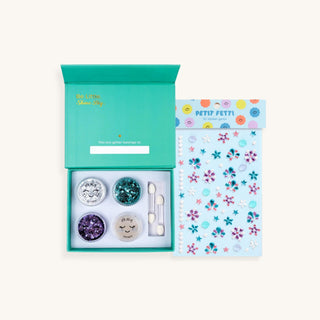
Sparkle is a huge part of kid beauty play—but glitter can migrate (especially around eyes) and can be annoying to remove. Look for brands that position sparkle for kids thoughtfully, and avoid products that encourage heavy eye-area glitter for beginners.
Preservatives and “clean” marketing
Water-containing products generally need preservation to stay stable and resist microbial growth. “Preservative-free” isn’t automatically safer. Your better filter is: buy from brands with transparent labels, don’t keep products forever, and toss anything that smells off or changes texture.
Botanical extracts and essential oils
“Natural” ingredients can still irritate. If your child has reactive skin, botanicals and essential oils may be worth minimizing—especially in leave-on products.
What “safer play makeup” looks like by age (without pushing kids to look older)
Ages 3–7: costume-level play, minimal face products
- Think: occasional costume face paint for events, then remove fully.
- Prioritize: simple ingredients, easy wash-off, and strict adult supervision.
Ages 8–12: playful self-expression, light touch
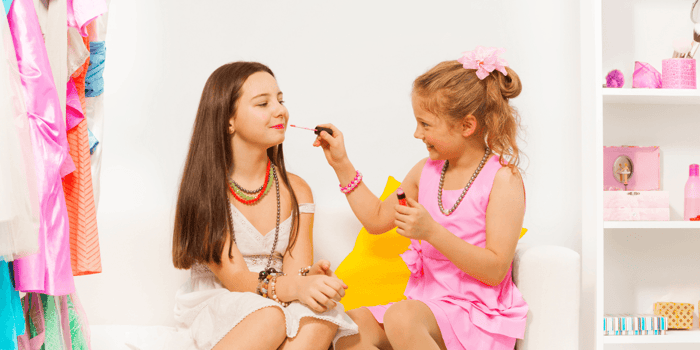
- Think: lip balm/gloss, a sheer pop of color, nail polish, hair accessories, face gems for parties.
- Prioritize: hygiene (clean hands/tools), easy removal, and boundaries that keep it fun—not required.
Teens: skill-building and artistry—still not correction-first
- Think: creative looks, color experimentation, and learning how to remove makeup well.
- Prioritize: skin comfort and healthy messaging. If acne becomes a big issue, it’s okay to talk with a dermatologist rather than chasing heavier products.
In all age groups, Popsicle’s stance stays consistent: makeup should be art, not armor.
Popsicle Beauty Club options for simpler makeup play
Families searching for natural makeup without chemicals are usually looking for fewer unknowns, clearer ingredient information, and products that feel easier to control. The two options below represent different levels of beauty play: a small contained kit and a refillable palette for an older child who can manage application and cleanup more independently.
Natural Kids Play Makeup Kit
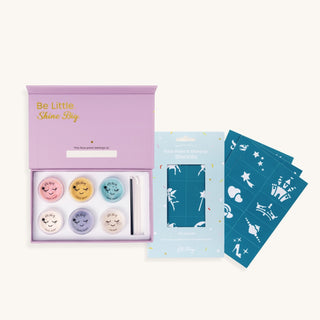
The Natural Kids Play Makeup Kit combines eyeshadow, blush, lipstick, child-sized brushes, and a storage box. Popsicle presents it as a washable creative-play option and provides product-specific formula information for the powders and lipstick.
This is the stronger choice for a child who wants a contained dress-up activity rather than several separate products. Start with the smallest kit that meets the purpose, open one powder at a time, use clean brushes, and keep loose pigment away from the waterline.
The product also gives parents a practical way to move beyond the impossible promise of “chemical-free” makeup and instead assess formula transparency, intended use, application, and removal.
Natural Kids Play Makeup Kit
$34.99
$40.99
Looking for a clean beauty gift that’s safe, fun, and worry-free? This natural play makeup kit lets little ones explore color and creativity with non-toxic, skin-friendly formulas parents trust. Each kit includes vibrant loose powder eyeshadows, soft blush, lipstick, and… read more

Refillable Makeup Palette 10-Piece Kit
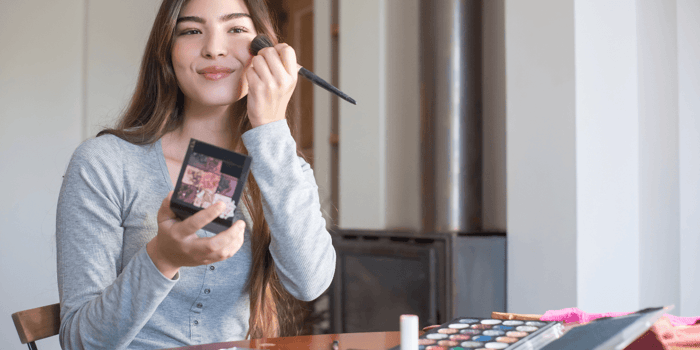
The Refillable Makeup Palette 10-Piece Kit includes a bamboo compact, soft brushes, mineral-based color, and a shimmer lip gloss made with plant butters and mineral pigments.
This option may suit an older child or tween who can follow hygiene, storage, and removal expectations. The refillable format also allows families to keep the collection contained rather than repeatedly purchasing full palettes.
For readers searching for natural makeup without chemicals, this recommendation reinforces a more accurate goal: clearly described ingredients, manageable formats, light application, and products chosen for creative use rather than complexion correction.
Refillable Makeup Palette 10-Piece Kit
$59.99
Unbox a world of self-expression—without the worry. This 10-piece makeup kit is thoughtfully designed for imaginative play, using gentle, organic ingredients and a fresh, interchangeable color palette that keeps creativity flowing—all made with non-toxic ingredients and eco-friendly materials. Inside, you'll… read more

Common mistakes to avoid
- Buying “clean foundation for kids” as a starter product. Even if a formula is cleaner, the message can still be correction-focused. Delay foundation/concealer/simple skin care routines when you can.
- Letting social media set the routine. A 10-step “get ready with me” is not age-appropriate self-care for most kids.
- Assuming “natural” equals non-irritating. Essential oils, botanicals, and even some waxes can bother sensitive skin. Patch test when appropriate.
- Sharing makeup (siblings/friends). Sharing increases the risk of spreading irritation or infection. Kids should have their own basics.
- Skipping removal. Teach the habit: makeup goes on for fun; it comes off completely at the end of the day.
- Overdoing the eye area. Products near eyes can migrate and can be harder to remove gently. Start elsewhere.
Where Popsicle Beauty Club fits: a cleaner, age-aware way to shop
If you’re overwhelmed by “clean” claims and mixed messages, Popsicle Beauty Club is meant to be the shortcut: a curated marketplace of vetted clean kids’ beauty brands, with parent-friendly education layered on top. Parents comparing companies can also use our clean kids makeup brands guide to assess label transparency, formula simplicity, easy removal, and whether a brand treats makeup as play rather than correction.
- Compare without doom-scrolling: shop with an age-appropriate lens and ingredient transparency in mind.
- Keep it playful: choose products that support beauty as expression, not correction.
- Build a tiny kit: a simple lip product, a sheer color option, and a fun nail color often covers the “I want makeup” moment without turning it into daily performance beauty.
If your child is asking for Natural makeup without chemicals, consider answering with a “yes, and” boundary: yes to creative color and special-occasion sparkle, and we’re waiting on correction-focused products because your face isn’t a problem to solve.
Bottom line
Natural makeup without chemicals isn’t a literal thing—but simpler, more transparent, easier-to-remove makeup absolutely is. For kids and tweens, the safest-feeling path is usually fewer products, lighter application, and clear boundaries that keep makeup in the category of play. Popsicle Beauty Club can help you shop those choices in one place, with age-appropriate standards leading the way.
Sources and further reading
- NIEHS: Cosmetics and Your Health - Explains what counts as cosmetics and notes most cosmetics/ingredients aren’t FDA-approved premarket (except color additives).
- FDA: Phthalates in Cosmetics - Notes how phthalates may be used and explains label limits around “fragrance.”
- FDA: Color Additives in Foods - Helpful background on certified colors and how FDA approaches color additive certification.
Curious about which harmful ingredients to avoid in your child's beauty products? Read The Truth About Harmful Beauty Ingredients for Kids to uncover the hidden toxins in mainstream makeup, skincare, and hair care—and discover safer alternatives.
About the Author: This article was written by the contributing writers at Popsicle Beauty Club—a team of moms, educators, and clean beauty advocates passionate about creating a safer, more imaginative world for kids. We believe in empowering parents with trusted information and offering fun, non-toxic beauty and personal care products that let children play, express, and explore—without compromising their health.
FAQs
What’s a good brand if I want my child to explore makeup play without exposing them to harsh chemicals?
What brands offer play makeup that looks sheer and natural rather than heavy on kids’ faces?
Is Natural makeup without chemicals safer for sensitive skin?
Can makeup ever truly be chemical-free?
No. Every cosmetic ingredient is a chemical substance, including water, plant oils, waxes, and mineral pigments. A more useful goal is to choose products with transparent ingredients, simpler formulas, age-appropriate use, and gentle removal.
Are plant-based or mineral ingredients always safer for children?
Not automatically. Botanical extracts, essential oils, waxes, and mineral pigments may still cause irritation or allergic reactions in some children. Review the complete formula and consider patch testing when appropriate.
What makeup products should beginners avoid around the eyes?
Beginners should avoid loose glitter, craft glitter, eyeliner on the waterline, heavily fragranced eye products, and formulas that require strong rubbing to remove. A light pressed color used away from the lash line is usually easier to control.