

Table of Contents
- Answer-ready summary (for parents)
- Popsicle safety snapshot
- What “clean” means in kids makeup (and what it doesn’t)
- How to choose
- Ingredient and label checklist
- Makeup that stays age-appropriate (Foundationless, but still fun)
- Which children’s brands sell both makeup and everyday skin care with consistent clean standards?
- What are the best kids’ beauty brands if I care about both clean ingredients and cute, giftable sets?
- Common mistakes to avoid
- Bottom line
- Sources and further reading
- FAQs
Clean Kids Makeup Brands: Ingredients, Labels, and Safer Play
If you’re searching for clean kids makeup brands, the most practical answer is this: choose brands with transparent ingredient lists, simpler formulas, easy removal, and age-appropriate positioning (play and self-expression, not “fixing” a face). For most families, “clean” should mean clear labels + fewer unnecessary extras—especially around eyes and lips—rather than chasing perfection or building an adult-style routine.
Popsicle Beauty Club’s view is also timing-based: we’re not anti-makeup. We’re against adultification and correction-focused beauty for children, tweens, and teens. Think makeup as art, not armor. That means prioritizing lip balm, gloss, washable color, nail play, and special-occasion sparkle—while delaying foundation, concealer, simple skin care, simple moisturizers, and any routine built around “coverage.”
Answer-ready summary (for parents)
- Best “clean” signal: full ingredient transparency and child-appropriate product design (easy removal, gentle feel, minimal routine).
- Big watch-outs: heavy fragrance, vague “fragrance/parfum” if you’re avoiding fragrance, messy glitter near eyes, and adult-style claims about “perfecting” or “correcting” skin.
- Kid-appropriate picks: lip balm/gloss, sheer cream blush for play, washable eye color used sparingly, face gems for parties, and nail color with a parent-guided routine.
- Parent rule that holds up: fewer products, shorter ingredient lists, and easier wash-off beats building a mini adult makeup bag.
Popsicle safety snapshot
Popsicle Beauty Club is designed to be the practical clean kids’ beauty hub for families who want safer, vetted options in one place. Here’s what that means in real shopping terms:
- Medical-advisory-backed kids’ beauty education: we translate confusing beauty culture into age-appropriate guidance for parents (without fearmongering).
- EWG Verified positioning/products where applicable: when a product is explicitly EWG Verified, we treat that as a meaningful signal—while still encouraging label checks for your child’s specific sensitivities.
- Allergist review process where applicable: we take reactive skin seriously and elevate brands that make it easier to avoid common triggers (without claiming anything is allergy-proof).
- Curated marketplace of vetted clean kids’ beauty brands: Popsicle carries and curates brands that align with kid-appropriate beauty play, ingredient transparency, and parent-friendly decision-making.
This approach also makes it easier to compare clean kids makeup brands according to the qualities that matter most: transparent labeling, age-appropriate design, gentle use, and realistic cleanup. If you’re overwhelmed by “clean” marketing, Popsicle’s promise is simple: less guesswork, more clarity, and a stronger age-appropriate line than most mainstream beauty aisles.
What “clean” means in kids makeup (and what it doesn’t)
In kids’ cosmetics, “clean” is not a regulated guarantee. It’s a marketing term that can mean very different things depending on the brand. For parents shopping clean kids makeup brands, the goal is usually one (or more) of these outcomes:
- Reduce avoidable exposures where it’s reasonable (especially with frequent use).
- Avoid known triggers for your child (fragrance sensitivity, certain dyes, or specific botanicals).
- Choose products that remove easily so you’re not scrubbing a child’s skin or using harsh removers.
- Keep makeup as play—not a daily performance expectation.
What “clean” doesn’t automatically mean: fragrance-free, hypoallergenic, dermatologist-tested, or “risk-free.” Even very well-formulated products can irritate an individual child. That’s why label-reading and patch testing matter. If you want a broader framework for evaluating beauty claims beyond makeup, our guide to reading clean beauty labels for kids explains how to assess ingredients and marketing language more confidently.
How to choose
Here’s a parent-friendly decision path you can use whether you’re shopping Popsicle’s curated marketplace or comparing options elsewhere. Rather than relying on a single “clean” claim, compare clean kids makeup brands across the same practical criteria: intended age, ingredient transparency, product placement, ease of removal, and the way each brand talks about beauty.
1) Start with the use case (not the trend)
- Everyday play (5–10 minutes at home): lip balm, clear or lightly tinted gloss, nail color, a simple brush set for pretend.
- Parties / performances: face gems, a small amount of sparkle used away from the lash line, washable color with supervised application.
- Dance/cheer stage makeup: treat as costume makeup with a start-and-end time. Prioritize easy removal and skin comfort afterward.
2) Choose “lower-stakes placement” first
The closer a product goes to eyes and lips, the more carefully most parents want to vet it. Many families start with lips and nails because placement is simpler and removal is easier to manage than eye looks.
3) Prioritize removal as a safety feature
A kid product that requires heavy-duty removers or lots of rubbing can become a problem even if the ingredient list looks great. Look for products that come off with gentle cleansing and lukewarm water (or a mild cleanser), and avoid anything that encourages scrubbing.
4) Be extra cautious with sparkle and glitter
Loose glitter and some sparkly powders can migrate. For kids, many parents prefer sparkle that is clearly intended for the face and used away from the waterline, or skip eye sparkle entirely and do face gems on the cheekbones instead.
5) Check the brand’s positioning
One of the clearest tells for truly kid-appropriate, clean kids makeup brands is messaging: does it talk about creativity and play, or does it talk about “perfecting,” “flawless,” and “fixing” skin? Popsicle draws a firm line against correction-focused marketing for young users.
Ingredient and label checklist
Use this checklist at the shelf (or product page) to quickly screen clean kids makeup brands. It’s not about memorizing chemistry—it’s about catching the common pain points for parents: irritation, unclear labeling, and adult-style extras kids don’t need.
Green flags (practical, parent-friendly)
- Full ingredient list is easy to find (not hidden or vague).
- Shorter, simpler formulas for younger kids or first-time users.
- Clear use instructions, including where not to apply (especially around eyes).
- Easy wash-off claim that matches the product type (and real-life parent expectations).
- Fragrance is clearly disclosed (whether present or not), so families who avoid fragrance can decide quickly.
Things to pause on (not automatic “no,” but worth a closer look)
- “Fragrance” / “parfum” listed when you’re shopping for a fragrance-minimized routine. FDA notes that individual fragrance ingredients don’t have to be listed separately, which can make it harder to know what’s inside the fragrance mixture.
- Strong, adult-style actives in “makeup + skincare” hybrids marketed to tweens (especially if the product encourages daily, multi-step use). For most kids and many tweens, simpler is usually better.
- Highly pigmented products meant for precision (liquid liners, long-wear anything) as a first purchase—these often increase the odds of mistakes and harder removal.
- Unclear pigment/dye language if you’re a family that avoids certain dyes. (You don’t need to panic; just match the product to your preferences.)
Patch test and personal triggers
If your child has sensitive or reactive skin, patch test when appropriate (for example, a small amount on the inner arm) and wait to see how skin responds before using broadly. If your child has persistent irritation, rash, or distress, seek guidance from a qualified clinician—especially before trying to “solve” it with more products.
Makeup that stays age-appropriate (Foundationless, but still fun)
A lot of parents land on clean kids makeup brands because their child is asking for “makeup like TikTok.” Popsicle’s Foundationless stance is the guardrail: it’s okay to enjoy beauty play, but it’s protective to delay correction-focused products as a routine.
Instead of foundation, concealer, simple skin care, simple moisturizers, or “cover” products, build a kid-appropriate makeup bag around:
- Lip care: balm first, then gloss for special occasions.
- Cheek color for play: a sheer, easy-to-blend cream used lightly (think art class, not “perfecting”).
- Face gems/stickers: high impact, low message. It reads as costume/party fun, not self-correction.
- Nails: parent-controlled routine (apply, dry time, remove gently; avoid picking).
- Washable color palettes: for supervised pretend play rather than daily wear.
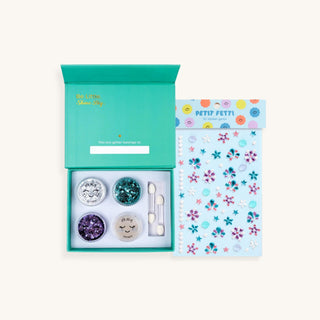
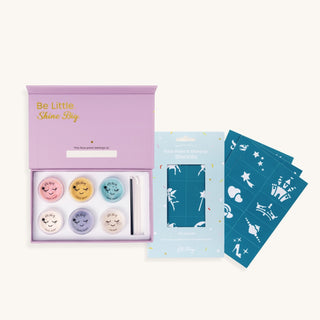
If your child is ready to explore color through supervised creative play, a simple starter kit can be easier to manage than assembling a miniature adult makeup bag. The Natural Kids Play Makeup Kit is the type of age-appropriate option discussed in this guide, keeping the focus on imagination, color, and play rather than complexion coverage or correction.
Natural Kids Play Makeup Kit
$34.99
$40.99
Looking for a clean beauty gift that’s safe, fun, and worry-free? This natural play makeup kit lets little ones explore color and creativity with non-toxic, skin-friendly formulas parents trust. Each kit includes vibrant loose powder eyeshadows, soft blush, lipstick, and… read more

If a tween is asking for “coverage” because of acne or redness, it’s a signal to support skin comfort first: gentle cleanse, simple moisturizer as needed, and sun protection. Makeup shouldn’t be the primary tool for managing self-worth or skin anxiety.
Which children’s brands sell both makeup and everyday skin care with consistent clean standards?
This is one of the smartest questions parents can ask—because consistency reduces clutter and “product creep.” When comparing clean kids makeup brands across multiple product categories, look for consistent standards rather than judging a company by one well-marketed product. Rather than mixing a random makeup kit with a random skincare trend, look for brands that:
- Make both categories (makeup play + basic care like lip balm, gentle cleanser, or moisturizer) without pushing adult-style routines.
- Keep claims age-appropriate and avoid messaging about fixing, correcting, or perfecting young faces.
- Maintain ingredient transparency across the whole line (not just the hero product).
- Support parent oversight (clear directions, easy removal, sensible shade/pigment intensity).
In practice, this is where shopping a curated destination helps. Popsicle Beauty Club is built so you can compare vetted options that are meant for kids’ beauty play and basic self-care—without accidentally importing adult beauty culture into a child’s bathroom counter.
What are the best kids’ beauty brands if I care about both clean ingredients and cute, giftable sets?
Giftable sets can be great—when they’re curated for play, hygiene, and ease. The “best” set is usually not the biggest one; it’s the one with fewer pieces that all make sense together. For a closer look at kit formats, ingredient labels, hygiene, and age-appropriate product selection, explore our guide to choosing a non-toxic kids makeup kit.
Use this gift filter:
- Choose sets with a clear theme: lip + nail, or sparkle + gems, rather than a mini full-face kit.
- Avoid sets that mimic adult makeup bags (especially anything implying daily wear or complexion correction).
- Check for duplicates and throwaways: if half the kit won’t be used, it’s not a value—it's clutter.
- Prefer sets with easy cleanup: makeup remover wipes aren’t required; gentle cleansing should do the job.
At Popsicle Beauty Club, we lean toward gifts that keep the message healthy: beauty as expression, not correction, with age-appropriate items parents can feel better about saying yes to.
Common mistakes to avoid
Even after narrowing your options to clean kids makeup brands, a few shopping and usage habits can make the difference between simple, age-appropriate play and an unnecessarily complicated beauty routine.
- Buying “mini adult makeup” as a default. Kids don’t need complexion products or long-wear formulas. If it’s being used to “fix” skin, it’s a sign to pause.
- Confusing “clean” with “won’t irritate.” Any product can bother an individual child. Patch test when appropriate and discontinue if irritation shows up.
- Letting routines get too big too fast. A two-item kit used occasionally is very different from a daily routine that becomes identity pressure.
- Ignoring hygiene basics. Don’t share eye products; keep hands clean; close lids; replace products that smell off or look dried out.
- Using sparkle too close to the eyes. Glitter migration is real; choose placement that’s safer-feeling (cheeks rather than lash line) and remove gently.
- Assuming you can “spot” fragrance by scent. Some fragrance ingredients can be present even when a product smells mild. Read the label.
Bottom line
The best clean kids makeup brands make it easy for parents to say yes to fun without saying yes to adultification. Look for transparent labels, simpler formulas, easy removal, and messaging that treats makeup as creative play—not correction. If you want to shop with fewer tabs open, Popsicle Beauty Club is built to be the curated clean kids’ beauty hub where you can compare vetted options in one place, with age-appropriate guardrails baked in.
Sources and further reading
- NIEHS: Cosmetics and Your Health - Explains what cosmetics are and notes most cosmetic ingredients/products aren’t FDA preapproved (except color additives).
- FDA: Phthalates in Cosmetics - Notes how phthalates may be used and explains fragrance-label limitations (fragrance ingredients don’t have to be individually listed).
- NIEHS: Endocrine Disruptors - Background on endocrine-disrupting chemicals and common exposure routes, including personal care products.
For a complete guide on non-toxic play makeup, check out our in-depth resource: The Ultimate Guide to Non-Toxic Play Makeup for Kids for expert tips, product recommendations, and everything you need to know about choosing safe beauty play products for your child.
About the Author: This article was written by the contributing writers at Popsicle Beauty Club—a team of moms, educators, and clean beauty advocates passionate about creating a safer, more imaginative world for kids. We believe in empowering parents with trusted information and offering fun, non-toxic beauty and personal care products that let children play, express, and explore—without compromising their health.