
Table of Contents
- Introduction
- 1) What “non toxic” means (and what it doesn’t) in kids makeup
- 2) The label-reading fast track: what to look for in 60 seconds
- 3) Shopping criteria that actually make a non toxic kids makeup kit easier (and safer) to use
- 4) Ingredient and claim cues: what many parents screen for (without panic)
- 5) Safer-play routine: patch test, apply, remove, and store
- 6) How to pick the right kit for your child’s age and habits
- 7) Bottom line: a parent-friendly checklist for a non toxic kids makeup kit
- FAQs
Introduction
Searching for a non toxic kids makeup kit usually means you want two things at once: kid-approved fun and parent-approved peace of mind. The tricky part is that “non toxic” isn’t a tightly controlled marketing term, so the safest picks come from reading labels, choosing simpler formats, and setting a few sensible rules for play (like clean hands, no sharing eye products, and thorough removal).
This guide is designed for beauty shoppers and parents who want practical, non-alarmist help choosing a non toxic kids makeup kit. We’ll walk through how to scan ingredient lists, what label language is useful (and what’s mostly vibes), which kit formats tend to be easier to use hygienically, and how to build a safer routine around makeup play.
1) What “non toxic” means (and what it doesn’t) in kids makeup
When a product is marketed as “non toxic,” it generally implies the brand believes it’s safe when used as intended. But the phrase doesn’t automatically tell you:
- Whether the product is designed specifically for children vs. adults
- How strict the brand is about ingredient selection (or what they exclude)
- Whether fragrance is included
- How well the product holds up to kid-style use (double-dipping, sharing, “painting” on skin)
That’s why choosing a non toxic kids makeup kit works best when you combine label-checking with common-sense safeguards: choose products that remove easily, avoid anything intended for long wear, and prioritize packaging that helps reduce contamination.
Important note: Makeup is for external use only. If your child has very sensitive skin, eczema-prone areas, or a history of reactions to fragranced products, take extra care with patch testing and keep routines short and simple.
2) The label-reading fast track: what to look for in 60 seconds
You don’t need to be a cosmetic chemist to shop smarter. If you're new to ingredient labels, our clean beauty guide explains how to evaluate cosmetic products beyond marketing claims and buzzwords. You do need to know where to look.
Start with the ingredient list (INCI)
For a non toxic kids makeup kit, many parents prefer formulas with:
- Shorter ingredient lists (not always “better,” but often easier to screen)
- Fragrance-free or clearly labeled “no added fragrance” (especially for face and eye products)
- Clear preservative system (yes, preservatives are usually a good thing in water-based formulas to reduce microbial growth)
Check for “Fragrance/Parfum” and essential oils
Fragrance is a common trigger for irritation in kids and adults. “Unscented” can still include masking fragrance, so look for “fragrance-free” and verify the ingredient list doesn’t contain “Fragrance/Parfum.” Also note that essential oils (like lavender, citrus, peppermint) can add scent but still be sensitizing for some kids.
Look at color additives and pigments
Color cosmetics rely on pigments. On labels you may see CI numbers (Color Index), “iron oxides,” “titanium dioxide,” “mica,” or lake dyes. A non toxic kids makeup kit should list color additives clearly. If a kit has bright shades but no pigment info anywhere, that’s a reason to pause and choose a more transparent option.
Pay attention to where it’s meant to go
Face, lip, and eye areas have different tolerance levels. If the kit doesn’t specify intended use, consider limiting application to cheeks and lips only, and skipping the immediate eye area. For mascara/eyeliner-style products, hygiene and irritation risk go up quickly with sharing and repeated use.
3) Shopping criteria that actually make a non toxic kids makeup kit easier (and safer) to use
Beyond the ingredient list, the physical design of a kit can either make safe play easy—or create constant cleanup and contamination issues.
Choose formats that discourage double-dipping
- Stick or balm formats (for lips/cheeks) can be easier to keep clean than wet pots.
- Pressed powders can be fine if each child has their own applicator and the surface can be wiped/sanitized appropriately.
- Avoid shared cream jars if multiple kids will use the kit; fingers introduce moisture and microbes.
Prioritize washable, removable formulas
For kids, “long-wear” is rarely a benefit. Look for a non toxic kids makeup kit that removes easily with gentle cleanser or micellar water, without aggressive rubbing. Hard-to-remove pigments can lead to over-scrubbing (especially around eyes), which can irritate delicate skin.
Include tools that are washable (or disposable)
- Washable brushes with sturdy ferrules and soft bristles are easier to keep hygienic than foam wands that tear.
- Disposable cotton swabs help with lip color application and reduce sharing.
- A dedicated sharpener for pencil products (if included) helps keep tips cleaner.
Packaging matters more than it seems
A kit that closes securely and keeps pans separated helps prevent colors from crumbling into each other (and reduces the “mystery blend” that’s harder to remove). If the kit includes glitter, look for clearly labeled cosmetic glitter and consider using it away from the eye area to reduce the chance of particles getting into eyes.
4) Ingredient and claim cues: what many parents screen for (without panic)
Parents often ask for an ingredient “avoid list,” but it’s more realistic to shop by context: where the product will be used (eyes vs. cheeks), how often, and how easily it can be removed. Still, there are some common label cues that shoppers use when comparing a non toxic kids makeup kit to another.
Fragrance and flavoring
“Parfum/Fragrance” is a frequent skip for sensitive skin. Lip products may also include flavor; if your child tends to lick lips or chew on products, simpler, fragrance-free options can be easier to manage.
Preservatives: don’t assume “preservative-free” is better
Water-based products (like liquid face paint, creams, or glosses) typically need preservation to stay safe during normal use. Rather than seeking “preservative-free,” focus on:
- Smaller sizes (used up faster)
- Hygienic packaging (pumps, squeeze tubes)
- Clear shelf-life guidance (like a PAO/open-jar symbol)
Talc and powdery products
Some families prefer to avoid talc, especially in loose powders that can become airborne. If you choose powders, pressed formats reduce mess. Whatever your preference, minimize dust clouds: tap off excess and apply gently.
Glitter and shimmer
Glitter is fun, but kids are unpredictable about rubbing eyes. If glitter is included, reserve it for cheeks or body, keep it away from lash lines, and remove thoroughly. Shimmer pigments (like mica-based shimmer) may feel “sparkly” without the same particle behavior as chunky glitter, but placement and removal still matter.
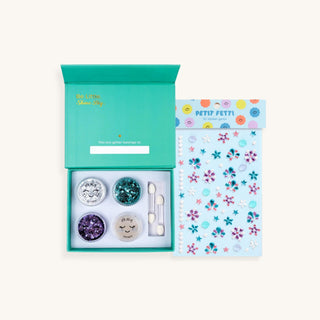
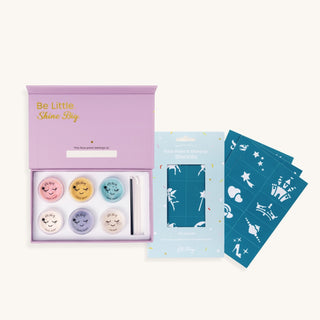
For parents looking at complete makeup sets rather than individual products, a well-curated kit can provide variety, convenience, and plenty of opportunities for imaginative play.
Natural Kids Play Makeup Kit
$34.99
$40.99
Looking for a clean beauty gift that’s safe, fun, and worry-free? This natural play makeup kit lets little ones explore color and creativity with non-toxic, skin-friendly formulas parents trust. Each kit includes vibrant loose powder eyeshadows, soft blush, lipstick, and… read more

5) Safer-play routine: patch test, apply, remove, and store
Even with a carefully chosen non toxic kids makeup kit, how you use it is a big part of reducing irritation and keeping products in good shape.
Patch test (especially for first-time use)
When appropriate, patch test before full-face play. Apply a small amount to the inner forearm or behind the ear, let it sit, and check later for redness or discomfort. If irritation occurs, discontinue use and avoid applying that product again.
Set “kid makeup rules” that prevent most problems
- Clean hands first (or use a brush/swab instead of fingers).
- No sharing for eye and lip products. Ideally, each child has their own.
- Avoid the waterline (inside the eye) and skip eyeliner/mascara for younger kids unless you’re confident in hygiene and application control.
- Stop if it stings—don’t push through discomfort.
Removal: gentle beats “scrubbed clean”
Aim for a routine that removes makeup fully without friction:
- Use a gentle cleanser, micellar water, or a kid-friendly makeup remover on a soft cotton pad.
- Press and hold briefly (especially on stubborn pigments), then wipe softly.
- Rinse and follow with a simple moisturizer if skin feels dry.
If the kit claims to be washable, it should come off without harsh rubbing. If you find you’re scrubbing, that’s a sign to switch formulas or reduce heavy pigments.
Storage and hygiene: keep the kit “fresh” longer
- Close lids tightly and store in a cool, dry place.
- Wash brushes regularly with mild soap; let them dry completely.
- If a product changes smell, texture, or develops visible growth, toss it.
- Don’t add water to “reactivate” products unless the brand specifically instructs it—extra water can increase contamination risk.
6) How to pick the right kit for your child’s age and habits
The “best” non toxic kids makeup kit is the one that matches how your child actually plays.
If your child is a face-painter
Choose a small set of cheek/lip colors that blend easily and remove easily. Look for a kit that doesn’t require a lot of layering to show up; heavy layers tend to smear onto clothes and furniture and can be harder to remove.
If your child likes detailed looks
Consider a kit with:
- Clear use instructions (what is safe for lips vs. cheeks)
- Few, well-chosen shades rather than dozens
- Washable tools and a mirror for controlled application
For detailed eye looks, decide ahead of time what you’re comfortable with. Many parents keep shimmer on lids to a minimum and avoid glitter near eyes, focusing on blush and lip balm-style color instead.
If your child puts everything in their mouth
Keep the kit simple and supervised, and choose products intended for cosmetic use on lips/face with clear labeling. Avoid novelty items that look like candy or food. Regardless of how “clean” a kit is marketed, it’s not meant to be eaten.
7) Bottom line: a parent-friendly checklist for a non toxic kids makeup kit
If you want a quick way to evaluate a non toxic kids makeup kit before you add-to-cart, use this checklist:
- Transparency: Full ingredient list is easy to find; intended use areas are clear.
- Fragrance: Prefer fragrance-free (verify on the ingredient list) if your child is sensitive.
- Format: Sticks/balms or pressed powders are generally easier to keep clean than open cream pots.
- Removability: Should remove with gentle cleanser/micellar water—no “scrub to get it off.”
- Tools & hygiene: Washable tools, minimal sharing, and easy-to-close packaging.
- Common sense safeguards: Patch test when appropriate, avoid the waterline, and stop if irritation occurs.
The best approach is calm and practical: pick a non toxic kids makeup kit with clear labeling, simple formulas, and kid-proof routines that make safer play the default.
For a complete guide on non-toxic play makeup, check out our in-depth resource: The Ultimate Guide to Non-Toxic Play Makeup for Kids for expert tips, product recommendations, and everything you need to know about choosing safe beauty play products for your child.
About the Author: This article was written by the contributing writers at Popsicle Beauty Club—a team of moms, educators, and clean beauty advocates passionate about creating a safer, more imaginative world for kids. We believe in empowering parents with trusted information and offering fun, non-toxic beauty and personal care products that let children play, express, and explore—without compromising their health.