
Table of Contents
- Introduction
- 1) What “natural” can (and can’t) mean in natural makeup for kids
- 2) Label-reading basics: the ingredients list is your map
- 3) Shopping criteria: what to look for beyond “all natural” claims
- 4) Choose lower-mess formats for safer play
- 5) A realistic routine: fun application without turning it into a full glam session
- 6) Patch testing and hygiene: the unglamorous essentials
- 7) Build a practical kids natural makeup kit (shopping checklist)
- Bottom line: how to shop smarter for natural makeup for kids
- FAQs
Introduction
Parents searching for natural makeup for kids usually want two things at once: the fun of dress-up and face painting, and a set of ingredients and packaging that feel more thoughtful than random toy-store palettes. The tricky part is that “natural” isn’t a guarantee of gentle, and “kid” on a box doesn’t automatically mean the product is formulated like everyday cosmetics. This guide is designed to help you shop with calm confidence—by reading labels, choosing lower-mess formats, and building a simple routine that keeps play enjoyable and practical.
1) What “natural” can (and can’t) mean in natural makeup for kids
Before you compare products, it helps to set expectations. Natural makeup for kids is often marketed with words like “clean,” “plant-based,” or “non-toxic,” but these terms can be used in many ways and don’t always reflect a consistent standard. A product can contain some plant-derived ingredients and still include synthetic preservatives or colorants. Another product may be “all natural” but use essential oils or botanical extracts that can be more irritating for some children than a carefully formulated conventional product.
Use “natural” as a starting point, not the finish line. Your best tools are the ingredient list, the product format (powder vs. cream vs. crayon), and how it fits your child’s age and habits (hands in mouth, rubbing eyes, sensitive skin, etc.). If you're comparing natural and organic products, our guide to organic kids makeup explains how ingredient sourcing and labeling claims can differ.
2) Label-reading basics: the ingredients list is your map
When shopping for natural makeup for kids, flip the package over. The front-of-box claims are less useful than the ingredient list and any clear usage instructions. Here’s how to read it quickly:
- Ingredients are listed in descending order (highest amount first) until the 1% line; after that, the order can vary.
- Color additives often appear as “CI” numbers (common in many regions) or may be listed as iron oxides, titanium dioxide, mica, ultramarines, etc. The presence of these doesn’t automatically make a product “bad,” but you’ll want them from a reputable brand that provides clear labeling.
- Preservatives matter. Water-based creams, gels, and liquids generally need a preservative system to reduce spoilage risk. “Preservative-free” in a wet formula can be a red flag unless the product is packaged and formulated in a way that supports stability (and even then, you still need good hygiene and attention to shelf life).
If you see an ingredient and you’re unsure, look it up from a neutral ingredient glossary, then decide based on your child’s specific sensitivities. And remember: natural kids makeup that’s “minimal ingredients” can still cause a reaction if a child is sensitive to one component.
Common “natural-leaning” ingredients you may see
- Mineral pigments such as iron oxides and titanium dioxide
- Plant oils/butters such as jojoba, sunflower, shea (richer textures may feel greasy on some kids)
- Waxes like beeswax or plant waxes for balms and crayons
- Starches/clays (often used to reduce shine or improve slip in powders)
Ingredients to approach thoughtfully (not automatically “bad”)
- Fragrance/essential oils: even if “natural,” they can be sensitizing—especially around eyes and on reactive skin.
- Strong flavorings/sweeteners: “tasty” lip products can encourage licking; frequent licking may lead to dryness around the mouth.
- Glitter: particularly loose glitter. For kids, prioritize eye-safe, cosmetic-grade shimmer and avoid anything that migrates easily.
3) Shopping criteria: what to look for beyond “all natural” claims
If you’re comparing all natural makeup for kids options, try using a consistent checklist. Many of the same evaluation criteria apply when choosing the best non toxic makeup for kids, especially when ingredient transparency and easy removal are priorities. This is the difference between buying a cute palette and buying something that works for play without constant cleanup or worry.
- Clear intended use: face vs. lips vs. body; avoid “everything” products that don’t specify safe areas (especially near eyes).
- Age-appropriate design: easy-to-hold applicators, minimal fallout, and packaging that closes securely.
- Simple shade edit: fewer, wearable shades usually means fewer stains and less over-application.
- Washability: look for directions that mention removal with gentle cleanser or warm water. Ultra-staining pigments can frustrate both parent and child.
- Ingredient transparency: a full INCI list on the package or brand site, not just “made with natural ingredients.”
- Thoughtful scent choices: fragrance-free or lightly scented can be easier for sensitive kids and parents.
- Practical safety notes: guidance like “avoid direct contact with eyes,” “adult supervision,” and shelf-life icons (like a PAO symbol) can indicate a brand is thinking about real use.
This is where kids natural makeup differs from novelty play kits: you want a product that behaves predictably, cleans up easily, and comes with straightforward instructions.
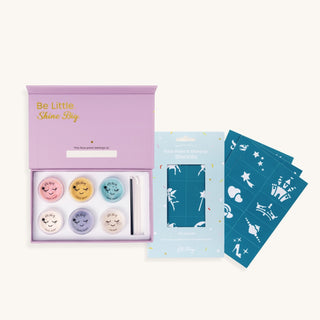
Looking for a clean beauty gift that’s safe, fun, and worry-free? This natural play makeup kit lets little ones explore color and creativity with non-toxic, skin-friendly formulas parents trust.
Each kit includes vibrant loose powder eyeshadows, soft blush, lipstick, and easy-to-use brushes—all housed in a premium magnetic box that’s perfect for gifting. The little pots are fully removable, so she can display them on her vanity, tuck them into a pretend purse, or take them along for imaginative play.
Natural Kids Play Makeup Kit
$34.99
$40.99
Looking for a clean beauty gift that’s safe, fun, and worry-free? This natural play makeup kit lets little ones explore color and creativity with non-toxic, skin-friendly formulas parents trust. Each kit includes vibrant loose powder eyeshadows, soft blush, lipstick, and… read more

4) Choose lower-mess formats for safer play
Format matters as much as ingredients when choosing natural makeup for kids. The goal isn’t perfection—it’s reducing the most common pain points: fallout, eye rubbing, stains, and bacteria transfer from shared applicators.
- Makeup crayons/balms: Great for controlled placement (cheeks, lips) and less airborne powder. They’re often the easiest “first makeup” option.
- Pressed powders (not loose): Pressed products reduce floating particles and mess. If your child loves “sparkle,” aim for pressed shimmer rather than loose glitter.
- Cream blush in a compact: Easy to apply with clean fingers, but watch for double-dipping with dirty hands. Consider a small spatula if you want to be extra tidy.
- Peel-off or long-wear formulas: These can be fun for adults, but for kids they can increase tugging during removal. For everyday play, gentle, easily removable textures are usually better.
For younger kids, the simplest approach is often a balm blush, a sheer lip balm, and an optional highlighter-style shimmer—rather than a full “face.” If you’re buying a kids natural makeup kit, look for a kit that leans into these easy formats instead of stacking many powder pans and tiny brushes that shed.
5) A realistic routine: fun application without turning it into a full glam session
Kids tend to apply too much product in the wrong places (straight onto eyelids, near tear ducts, or all around the mouth). A gentle “rules of play” routine helps keep natural makeup for kids enjoyable and low-drama.
- Start with clean, dry skin: quick rinse or gentle cleanser, then pat dry. Skip heavy moisturizers right before makeup—they can make color slide and migrate into eyes.
- Choose one “feature”: cheeks or lips. For many kids, cheeks are the easiest because it’s away from eyes and mouth.
- Use the smallest amount: a tiny dab, then blend. If it’s a crayon, one swipe per cheek is usually enough.
- Set boundaries around eyes: consider a “no waterline/no lashline” rule. If you allow eye color, keep it on the brow bone area with a gentle, cosmetic-grade shimmer and avoid loose particles.
- Finish with removal: make cleanup part of playtime. Warm water + a gentle cleanser is often enough; avoid harsh scrubbing.
For dress-up days, you can add a little more, but keeping the routine simple reduces the temptation to rub product into delicate areas. This matters whether you’re choosing all natural kids makeup or conventional cosmetics—kids’ skin and habits call for extra practicality.
6) Patch testing and hygiene: the unglamorous essentials
Even if a product is marketed as natural makeup for kids, it can still cause irritation for some children. A patch test is a low-effort way to reduce surprises:
- How to patch test: apply a small amount to the inner arm or behind the ear and wait to see if irritation develops over the next day or two. If anything looks or feels off, stop using it.
- Avoid testing near eyes or lips first: start on a less sensitive area.
Hygiene helps, too—especially with shared play makeup:
- No sharing lip products between siblings/friends; consider labeling products or giving each child their own balm.
- Use clean hands or a clean applicator. If kids use fingers, wash hands first.
- Keep lids closed and store away from heat and humidity (bathroom counters can be surprisingly harsh on products).
- Pay attention to smell/texture changes. If a product starts smelling different, separating, or looking “off,” it’s safer to discontinue use.
These habits matter more than chasing the perfect buzzword. A well-formulated product used cleanly can be a better experience than a “natural” product that gets contaminated quickly.
7) Build a practical kids natural makeup kit (shopping checklist)
If you’re assembling or upgrading a kids natural makeup kit, aim for a small set that covers play without encouraging overuse. Here’s a parent-friendly kit checklist that keeps things simple:
- 1 sheer lip balm (ideally fragrance-free or lightly scented; avoid “candy” flavors if licking is an issue)
- 1 cream or balm blush in a forgiving shade (peachy pinks tend to be more foolproof than deep berries)
- 1 pressed shimmer/highlighter (optional; choose pressed over loose sparkle)
- 1 soft brush for powder (if you include any powder product) plus a way to clean it
- 1 gentle remover option: a mild cleanser or micellar water your child tolerates, plus a soft washcloth
- Hair clips/headband to keep hair back during application and removal
When you shop, compare ingredient lists and prioritize easy removal. This is especially useful if your child is new to natural makeup for kids—a simpler kit makes it easier to spot what works well and what causes redness, dryness, or mess.
Bottom line: how to shop smarter for natural makeup for kids
Natural makeup for kids can be a fun, confidence-building part of pretend play when it’s chosen thoughtfully and used with simple boundaries. Instead of relying on “natural” as a blanket promise, focus on ingredient transparency, lower-mess formats, minimal fragrance, and clear directions for use and removal. Always check labels, avoid questionable eye-area products, and patch test when appropriate—especially for kids with sensitive or reactive skin. The best choice is the one that fits your child’s age, habits, and your cleanup reality while keeping play light, comfortable, and easy to wash off.
For a complete guide on non-toxic play makeup, check out our in-depth resource: The Ultimate Guide to Non-Toxic Play Makeup for Kids for expert tips, product recommendations, and everything you need to know about choosing safe beauty play products for your child.
About the Author: This article was written by the contributing writers at Popsicle Beauty Club—a team of moms, educators, and clean beauty advocates passionate about creating a safer, more imaginative world for kids. We believe in empowering parents with trusted information and offering fun, non-toxic beauty and personal care products that let children play, express, and explore—without compromising their health.