
Table of Contents
- Introduction
- 1) What “non toxic” really means in kids makeup (and what it doesn’t)
- 2) Age-appropriate expectations: play makeup vs. performance makeup
- 3) Label reading 101: ingredients, irritants, and allergy flags
- 4) Shopping criteria: what to look for in a kids makeup kit (non toxic) that actually works
- 5) How to use non toxic kids makeup safely: patch test, hygiene, and routines
- 6) Storage, expiration, and when to toss a kit
- 7) Bottom line: how to choose non toxic kids makeup with confidence
- FAQs
Introduction
Shopping for non toxic kids makeup can feel oddly high-stakes: you want something fun and expressive, but you also want it to be gentle, age-appropriate, and easy to remove. The tricky part is that “non toxic” is often used as a marketing phrase rather than a standardized guarantee. The good news: you can still make a smart, practical choice by focusing on labels, ingredients, packaging, and how the product will realistically be used at home.
This guide walks through what “non toxic” can and can’t mean, how to evaluate a kids makeup kit non toxic claim, and how to build a low-drama routine for application, hygiene, and removal.
1) What “non toxic” really means in kids makeup (and what it doesn’t)
There isn’t one universal definition of “non toxic” across all cosmetics marketing. In practice, you’ll see it used to suggest that a product is made with ingredients the brand considers safer or gentler, or that it avoids certain ingredient categories (like some preservatives or fragrances). That can be helpful, but it’s not the same as a regulated certification.
When evaluating non toxic makeup for kids, think of “non toxic” as a starting point, not the final answer. What matters most is:
- Full ingredient list (INCI) is available and readable.
- Clear use instructions and intended area (face vs lips vs eyes).
- Responsible claims (no sweeping “chemical-free” language, no miracle promises).
- Good manufacturing signals such as sealed packaging and a visible lot/batch code or PAO (period after opening) symbol when present.
Also, remember the basics: even products marketed as gentle can still irritate sensitive skin, especially around eyes or on eczema-prone areas. That’s why label-checking and a patch test matter. For a related buying guide, our article on non toxic makeup for kids explains how to compare ingredient lists, product formats, and removal expectations.
2) Age-appropriate expectations: play makeup vs. performance makeup
One of the biggest shopping mistakes is buying kids products with adult expectations. Many parents want pigment and wear-time like an adult palette, but for younger users, the priorities are usually different: quick cleanup, easy blending, and a formula that doesn’t feel heavy.
Consider what your child actually wants to do:
- Dress-up play: Think washable face paints, light shimmer, simple balm-like lip products, and minimal steps.
- Special occasions: A small kit with a few shades (not dozens) and a removable “look” plan you can supervise.
- Learning application: A basic brush or sponge plus one or two forgiving products (like a sheer blush and clear gloss).
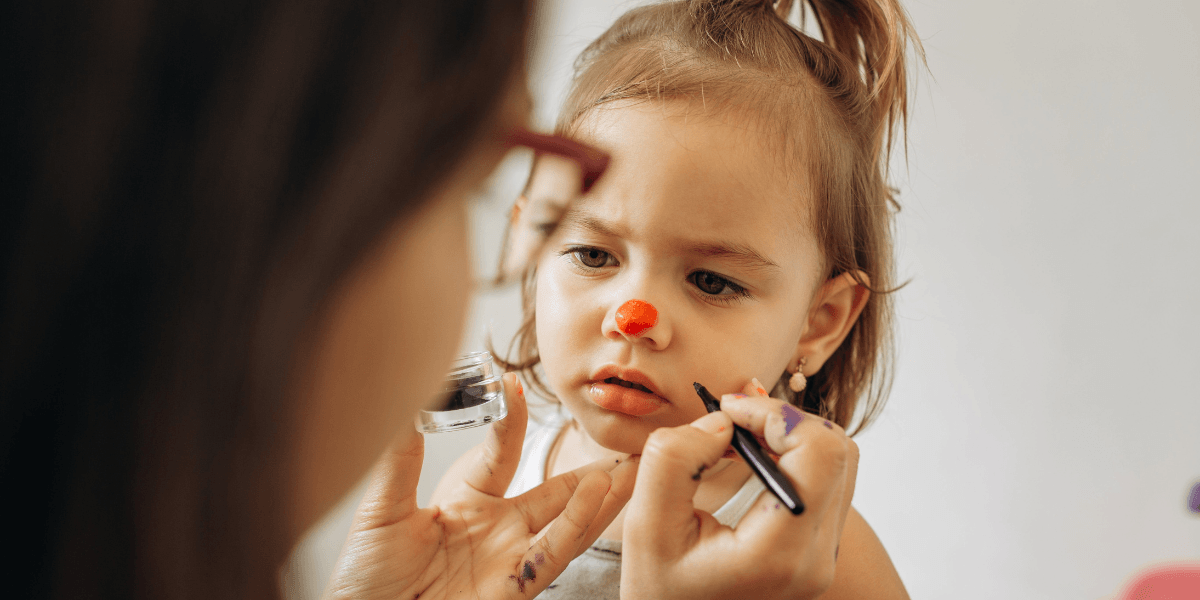
For very young kids, products intended as face paint (used occasionally, removed the same day) may be a better match than a full “makeup” kit, especially around the eye area. For many families, non toxic kids makeup works best when it supports creative play while remaining easy to supervise and remove. If a kit includes eye products, look for clear instructions about eye-area suitability and removal.
3) Label reading 101: ingredients, irritants, and allergy flags
If you’re trying to buy kids non toxic makeup, the ingredient list is your best tool. You don’t need to be a chemist, but you do want to scan for common triggers and make sure the brand is transparent.
Fragrance and essential oils
“Fragrance” (sometimes listed as parfum) is a common sensitivity trigger, especially for kids with reactive skin. Essential oils can also be irritating for some children, even though they’re natural. If your child is sensitive, consider fragrance-free options or avoid strongly scented kits.
Color additives and dyes
Color is what makes kids makeup fun—but it’s also where some sensitivities show up. Look for clearly listed colorants (often listed as CI numbers). If your child has had reactions to colored bath products, body paints, or face paint, take extra care here and patch test.
Preservatives (not “bad,” but worth understanding)
Any water-based product (creams, liquids, gels) needs preservation to reduce the risk of microbial growth over time. Rather than avoiding preservatives entirely, focus on: sealed packaging, a reasonable shelf-life, and clear disposal guidance. “Preservative-free” water-based makeup can be a red flag unless it’s single-use or designed in a way that stays hygienic.
Talcs, micas, and powders
Powder products are common in kits (powder blush, eyeshadow). Consider how the product is used: kids tend to tap, swirl, and blow powder around. Powder inhalation is not the goal—so prioritize pressed powders that aren’t overly dusty, and supervise use for younger kids. If your child has asthma or sensitivities, a balm or cream format may be a simpler choice.
Glitters and eye-area caution
Large, chunky glitter can be uncomfortable near eyes. If you’re buying shimmer for kids, look for finely milled shimmer rather than craft-style glitter, and avoid loose glitter products. Keep glitter away from the waterline and teach “hands off eyes” during wear.
Practical tip: If a brand doesn’t provide a full ingredient list before purchase, treat that as a reason to skip—even if the front label says non toxic kids makeup.
4) Shopping criteria: what to look for in a kids makeup kit (non toxic) that actually works
A great non toxic kids makeup kit should be easy to use, easy to clean, and realistic for how kids apply makeup. If you’re choosing a full set, our guide to buying a kids makeup kit breaks down what to check before adding one to your cart. The best non toxic kids makeup products are often the simplest ones, with clear labels, straightforward ingredients, and age-appropriate colors. Here are concrete criteria to use while shopping:
- Ingredient transparency: Full INCI list on the box, product, or brand website.
- Age guidance: Clear recommended age range and whether adult supervision is suggested.
- Format choices: Consider creams/balms for minimal mess; pressed powders for less fallout than loose powders.
- Minimal, functional shade range: A few wearable shades beat a huge palette kids won’t use.
- Tools you can wash: If a kit includes applicators, look for brushes/sponges that can be cleaned (and replace them if they get funky).
- Secure packaging: Lids that snap shut, pans that don’t crumble, and components that won’t leak in a backpack.
- Clear removal instructions: Especially for lip and eye products.
- Reasonable product size: Smaller sizes can be better—less time sitting around after opening.
If you’re comparing options and wondering what qualifies as the best non toxic makeup for kids, use a “least hassle” test: Will you feel comfortable letting them use it with light supervision, and can you remove it completely without scrubbing?
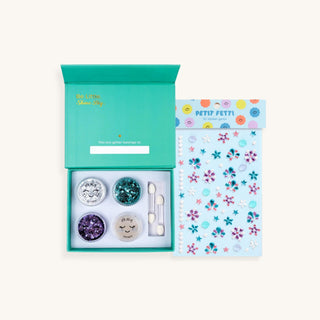
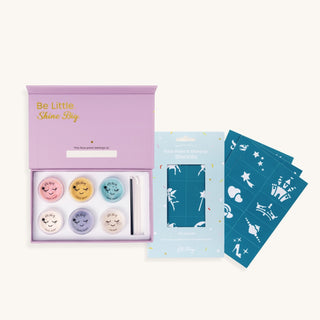
Looking for a clean beauty gift that’s safe, fun, and worry-free? This natural play makeup kit lets little ones explore color and creativity with non-toxic, skin-friendly formulas parents trust.
Each kit includes vibrant loose powder eyeshadows, soft blush, lipstick, and easy-to-use brushes—all housed in a premium magnetic box that’s perfect for gifting. The little pots are fully removable, so she can display them on her vanity, tuck them into a pretend purse, or take them along for imaginative play.
Natural Kids Play Makeup Kit
$34.99
$40.99
Looking for a clean beauty gift that’s safe, fun, and worry-free? This natural play makeup kit lets little ones explore color and creativity with non-toxic, skin-friendly formulas parents trust. Each kit includes vibrant loose powder eyeshadows, soft blush, lipstick, and… read more

5) How to use non toxic kids makeup safely: patch test, hygiene, and routines
Even the gentlest kit can cause irritation for a specific child. Build a simple routine that reduces avoidable problems.
Patch test (when appropriate)
For a new product, do a small patch test first—especially if your child has sensitive skin, allergies, or a history of reactions. Apply a small amount to a discreet area (like the inner arm) and monitor for irritation before using it on the face. If there’s discomfort or a visible reaction, don’t use the product.
Set “makeup rules” that prevent the most common issues
- No sharing lip products, eye products, or applicators (sharing spreads germs).
- Hands first: Wash hands before application.
- Avoid the waterline: Keep products off the inner rim of the eyes.
- Keep it out of mouth: Teach that makeup isn’t food, even if it smells sweet.
- One-day wear: Remove before bed; don’t sleep in makeup.
Make removal easy (and gentle)
Scrubbing is a major cause of redness. Instead:
- Use a gentle cleanser or a mild makeup remover suited to your child’s skin.
- Soften first: Hold a damp, warm (not hot) cloth over makeup for a few seconds.
- Wipe, rinse, repeat as needed rather than rubbing hard.
- Moisturize if skin looks dry after cleansing.
For face paint or highly pigmented colors, you may need a two-step cleanse: an oil-based cleanser or balm first (used carefully and kept out of eyes), then a gentle water-based cleanser.
6) Storage, expiration, and when to toss a kit
Kids makeup tends to live in warm bedrooms, cars, backpacks, and playrooms—places that can shorten shelf-life. Good storage protects both performance and hygiene.
- Keep lids closed tightly and store in a cool, dry place.
- Don’t add water to “revive” dried products; that can increase contamination risk.
- Clean tools weekly if used often; let them dry completely.
- Watch for changes in smell, texture, or color; toss if something seems off.
Also consider the “ick factor”: if a product has been used by multiple kids, dropped on the floor repeatedly, or stored open, it’s usually better to replace it rather than try to sanitize indefinitely—especially for eye and lip items.
7) Bottom line: how to choose non toxic kids makeup with confidence
Non toxic kids makeup shopping doesn’t have to be stressful. Treat “non toxic” as a helpful filter, then confirm the details with transparent labeling, sensible formats, and a routine that prioritizes hygiene and easy removal. If you focus on ingredient lists, avoid common irritants for your child, choose products that match the way kids actually play, and patch test when appropriate, you’ll end up with a kit that feels fun for them and comfortable for you.
Simple checklist before you buy: full ingredient list, age guidance, minimal mess packaging, fragrance level you’re comfortable with, and removal you can do without scrubbing.
If you’d like, share your child’s age range and whether you’re shopping for dress-up, a performance, or everyday play—then we can narrow the most practical kit format (balms vs powders vs face paint) and what to prioritize on the label.
For a complete guide on non-toxic play makeup, check out our in-depth resource: The Ultimate Guide to Non-Toxic Play Makeup for Kids for expert tips, product recommendations, and everything you need to know about choosing safe beauty play products for your child.
About the Author: This article was written by the contributing writers at Popsicle Beauty Club—a team of moms, educators, and clean beauty advocates passionate about creating a safer, more imaginative world for kids. We believe in empowering parents with trusted information and offering fun, non-toxic beauty and personal care products that let children play, express, and explore—without compromising their health.