

Table of Contents
- 1) What makes a kids makeup kit different from adult makeup
- 2) Safety basics: labels, patch testing, and hygiene you can actually follow
- 3) “Non toxic” claims: helpful marketing term or meaningful standard?
- 4) Shopping checklist: how to evaluate a kids makeup kit before you click “add to cart”
- 5) What should be inside a makeup kit for kids (and what to skip)
- 6) Realistic routine advice: how to use and remove kids makeup without irritation
- 7) Bottom line: choosing a kids makeup kit you’ll feel good about
- FAQs
Kids Makeup Kit: What to Know Before You Buy
Shopping for a kids makeup kit is its own category of decision-making: you’re balancing fun and creativity with practical concerns like sensitive skin, easy cleanup, and ingredients you can feel comfortable putting near little eyes and lips. The best kits aren’t just mini versions of adult palettes—they’re thoughtfully designed for occasional play, lighter coverage, simpler tools, and straightforward removal.
This guide walks through what to look for before you buy, how to read labels without spiraling, and how to help kids use makeup in a way that’s safe, age-appropriate, and low-stress for parents. Choosing the right kids makeup kit is often less about finding the biggest set and more about finding products that are easy to use, easy to remove, and appropriate for your child’s age.
1) What makes a kids makeup kit different from adult makeup
In a perfect world, a makeup kit for kids is built around three priorities: gentler wear, easier removal, and hygiene. Kids are more likely to rub their eyes, touch their face, share products with friends, or forget to wash brushes—so the products should be forgiving and designed for occasional, supervised use.
- Texture matters: Creamy, balmy, or sheer powders are typically easier to apply lightly and blend quickly (without needing technique).
- Removal matters: Look for makeup that comes off with a gentle cleanser and lukewarm water, rather than needing heavy-duty removers that could sting.
- Packaging matters: A sturdy closure, minimal loose glitter, and fewer tiny parts reduce mess and risk.
It’s also worth thinking about intention. Many families want a kit for dress-up or special occasions, not daily wear. If that’s you, you can prioritize easy cleanup and simpler color stories over “full face” realism.
2) Safety basics: labels, patch testing, and hygiene you can actually follow
You don’t need to be a chemist to shop smarter—but you do want a few non-negotiables.
Check the label (and the product type)
- Intended use area: Products labeled for lips should be used on lips; products for eyes should be used on eyes. Avoid kits that blur those lines without clear labeling.
- Ingredient list: Choose kits that provide a full ingredient list on the box or an insert. If there’s no ingredient list available, treat that as a reason to skip.
- Expiration/PAO symbol: Many cosmetics include a “period after opening” symbol (like 6M or 12M). For kids’ products that may be used sporadically, it helps to know when to toss.
Patch test when appropriate
Even with a thoughtfully made kit, irritation can happen—especially around the eyes or on eczema-prone skin. Patch testing is a practical step: apply a small amount to the inner arm (or behind the ear) and wait to see if redness or itching develops before using on the face. If your child has known sensitivities, proceed extra cautiously and consider consulting a qualified professional for personalized guidance.
Hygiene rules that keep it low-drama
- One child, one kit: Sharing increases the chance of spreading germs, especially with mascara-like products, lip products, or anything used near eyes.
- Wash hands first: It sounds obvious, but it’s the easiest way to prevent breakouts or irritation.
- Use simple tools: A couple of small brushes plus clean fingertips are often better than a big set of sponges that never fully dries.
- Clean brushes regularly: Mild soap and warm water, then air-dry fully.
- Skip eye products if there’s active irritation: If eyes are watery, itchy, or visibly irritated, pause makeup and focus on gentle cleansing.
3) “Non toxic” claims: helpful marketing term or meaningful standard?
Many parents search specifically for a kids makeup kit non toxic or a non toxic kids makeup kit. The tricky part is that “non toxic” is often used as a broad marketing phrase rather than a single regulated standard. That doesn’t mean the claim is meaningless—it means you’ll want to back it up with label details and brand transparency.
Here’s a grounded way to approach it:
- Look for full disclosure: A brand that lists every ingredient for every item in the kit (not just “proprietary blend”) is easier to evaluate.
- Be cautious with “free-from” lists: “Free from” can be useful, but it doesn’t automatically guarantee a product won’t irritate your child or that it’s safer for every family.
- Know what matters for your child: Fragrance sensitivity, dye sensitivity, and eye-area irritation are common concerns. Reading the ingredient list is more actionable than relying on a front-of-box claim.
If you want a simple rule: prioritize clear labeling, reputable manufacturing, and easy removal over buzzwords. And remember that “gentler” still doesn’t mean “no chance of irritation,” which is why patch testing and supervision matter. Our guide to kids makeup non toxic explains how to evaluate ingredient lists, marketing claims, and safer product choices for children.
4) Shopping checklist: how to evaluate a kids makeup kit before you click “add to cart”
Use this checklist to compare options quickly—especially when you’re deciding between a playful dress-up set and a more “real” kit.
Formula and finish
- Sheer, buildable color: Tinted balms, soft blushes, and light shimmers are easier for kids to control than ultra-pigmented powders.
- Low fallout: Pressed powders with minimal dust are less likely to end up in eyes and on clothing.
- Skip strong plumping/tingling effects: Any “tingle” is a sign it may not be kid-friendly.
Removal and staining risk
- Removes with gentle cleanser: If a kit requires heavy scrubbing, it’s not ideal for kids.
- Beware of long-wear claims: Long-wear can be great for adults; for kids, it often means harder removal.
- Check for dyes that stain: Some lip and cheek colors can leave a stubborn tint. That may be fine, but it should be a conscious choice.
Packaging and mess factor
- Sturdy case: Hinges and closures should survive drops.
- Avoid loose glitter: Glitter can migrate into eyes and is difficult to clean up. If glitter is included, prefer products where glitter is suspended in a balm/gel rather than loose.
- Reasonable number of pieces: More pieces isn’t always better; it can mean more mess and more expired products later.
Age appropriateness and supervision
- Small parts: If the kit includes tiny applicators, gems, or detachable pieces, consider whether it’s appropriate for your child’s age and habits.
- Eye-area products: For younger kids, you may choose to skip mascara/liner entirely and keep looks to cheeks + lips + a gentle shimmer on lids applied by an adult.
5) What should be inside a makeup kit for kids (and what to skip)
When parents ask for a makeup kit for kids real, they often mean “it works like makeup” but still feels age-appropriate. A good middle ground is a small set that supports simple looks without pushing a full-face routine.
Nice-to-have items
- Tinted lip balm or gloss (preferably in a twist-up or squeeze tube for cleanliness)
- Blush in a soft pink/peach that blends easily
- Simple eyeshadow (1–4 shades) in satins or soft shimmers
- One or two small brushes that are easy to wash
- Mirror that isn’t distorted
Items to think twice about
- Liquid eyeliner: High precision + close-to-lash-line application increases the chance of pokes and irritation.
- Mascara: If included, keep it strictly individual (no sharing) and replace it regularly. For many families, it’s simplest to skip.
- Loose pigments and loose glitter: Higher mess, higher migration risk.
- Strong fragrance: Not inherently “bad,” but fragrance can be a common sensitivity trigger in face products.
If you’re aiming for a kids safe makeup kit, fewer, simpler products often win. You can always add fun with stickers for the case, a themed headband, or a makeup bag—without increasing the complexity of what goes on skin.
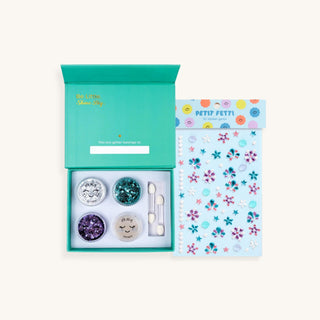
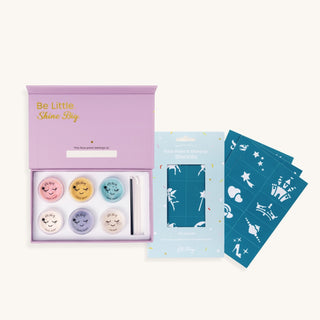
Looking for a clean beauty gift that’s safe, fun, and worry-free? This natural play makeup kit lets little ones explore color and creativity with non-toxic, skin-friendly formulas parents trust.
Each kit includes vibrant loose powder eyeshadows, soft blush, lipstick, and easy-to-use brushes—all housed in a premium magnetic box that’s perfect for gifting. The little pots are fully removable, so she can display them on her vanity, tuck them into a pretend purse, or take them along for imaginative play.
Natural Kids Play Makeup Kit
$19.99
Looking for a clean beauty gift that’s safe, fun, and worry-free? This natural play makeup kit lets little ones explore color and creativity with non-toxic, skin-friendly formulas parents trust. Each kit includes vibrant loose powder eyeshadows, soft blush, lipstick, and… read more
6) Realistic routine advice: how to use and remove kids makeup without irritation
The easiest way to keep makeup play positive is to build a mini routine that’s short, repeatable, and focused on comfort.
Before makeup (1–2 minutes)
- Clean hands and a clean face (a quick rinse or gentle cleanser is plenty).
- Moisturize if skin is dry; makeup tends to grab onto dry patches.
- Tie hair back to keep products off strands and reduce cleanup.
During makeup: keep it light and supervised
- Use small amounts: Tap off excess powder; apply balm in a thin layer. The goal is comfortable wear, not maximum payoff.
- Set “no waterline” boundaries: Keep products away from the inner rim of the eye.
- Encourage gentle habits: No eye rubbing; take breaks if something feels itchy or uncomfortable.
Removal: gentle, thorough, and no scrubbing
- Use lukewarm water and a gentle cleanser. Massage lightly and rinse.
- For stubborn areas (like shimmer), use a soft damp cloth and press—don’t scrub.
- Moisturize after cleansing if skin feels tight.
Any time a new product is introduced—especially for face and eye area—revisit the basics: check labels, avoid using products outside their intended area, and patch test when appropriate.
7) Bottom line: choosing a kids makeup kit you’ll feel good about
A great kids makeup kit is the one that fits your child’s age, your family’s comfort level, and your practical needs (easy cleanup, minimal mess, clear ingredients). Look for transparent labeling, simple product selection, gentle wear, and straightforward removal. Treat “non toxic” as a starting point for evaluation—not the finish line—and prioritize hygiene: one kit per child, clean hands, clean tools, and prompt removal at the end of play.
If you shop with those criteria, you’re far more likely to end up with a kit that feels fun for kids and sensible for parents—without turning makeup time into a complicated project.
For a complete guide on non-toxic play makeup, check out our in-depth resource: The Ultimate Guide to Non-Toxic Play Makeup for Kids for expert tips, product recommendations, and everything you need to know about choosing safe beauty play products for your child.
About the Author: This article was written by the contributing writers at Popsicle Beauty Club—a team of moms, educators, and clean beauty advocates passionate about creating a safer, more imaginative world for kids. We believe in empowering parents with trusted information and offering fun, non-toxic beauty and personal care products that let children play, express, and explore—without compromising their health.