
Table of Contents
- Introduction
- What “safe” means for young skin (without panic)
- Age-by-age guidance: what to buy (and what to avoid)
- Shopping checklist: what to look for before you add to cart
- Label reading made practical: ingredients and claims to interpret carefully
- Patch testing and first-time use: a simple method that actually gets done
- Routine and hygiene rules that make the biggest difference
- Bottom line: a calm, confident approach to makeup safety for minors
- FAQs
Introduction
Shopping for a child or teen’s first makeup can feel oddly high-stakes: you want it to be fun and confidence-building, but you also want to avoid irritation, messy breakouts, or questionable products that weren’t made with young skin in mind. This guide to makeup safety for minors is designed for real-world shopping—what to look for, what to skip, and how to set simple routines that keep makeup enjoyable (and low-drama) at home.
One note up front: “safe” isn’t a single stamp. Makeup safety for minors is about choosing reputable products, checking labels, matching formulas to the occasion, using clean tools, and introducing items gradually with a patch test when appropriate.
What “safe” means for young skin (without panic)
Most everyday makeup is intended for adult consumers, but many products can still be used responsibly by minors with the right guardrails. Makeup safety for minors often comes down to three practical factors:
- Skin sensitivity: Younger skin can be reactive, especially around eyes and lips. Fragrance, certain colorants, and long-wear formulas can be more irritating for some people.
- Hygiene and habits: Kids share. Teens forget to remove makeup. Both can increase the chance of irritation or clogged pores.
- Product quality and oversight: Products from unknown sellers, unsealed packaging, or “toy-like” cosmetics not meant for skin can introduce avoidable risk.
A calm goal: pick simple, well-made basics, limit the number of products at first, and prioritize comfortable wear over correction-focused routines. That approach supports makeup safety for minors while still letting them explore.
Age-by-age guidance: what to buy (and what to avoid)
Kids and teens wear makeup for different reasons—dress-up, dance recitals, school, experimentation. Use the occasion to guide the formula choice.
Under ~10 (play and costumes)
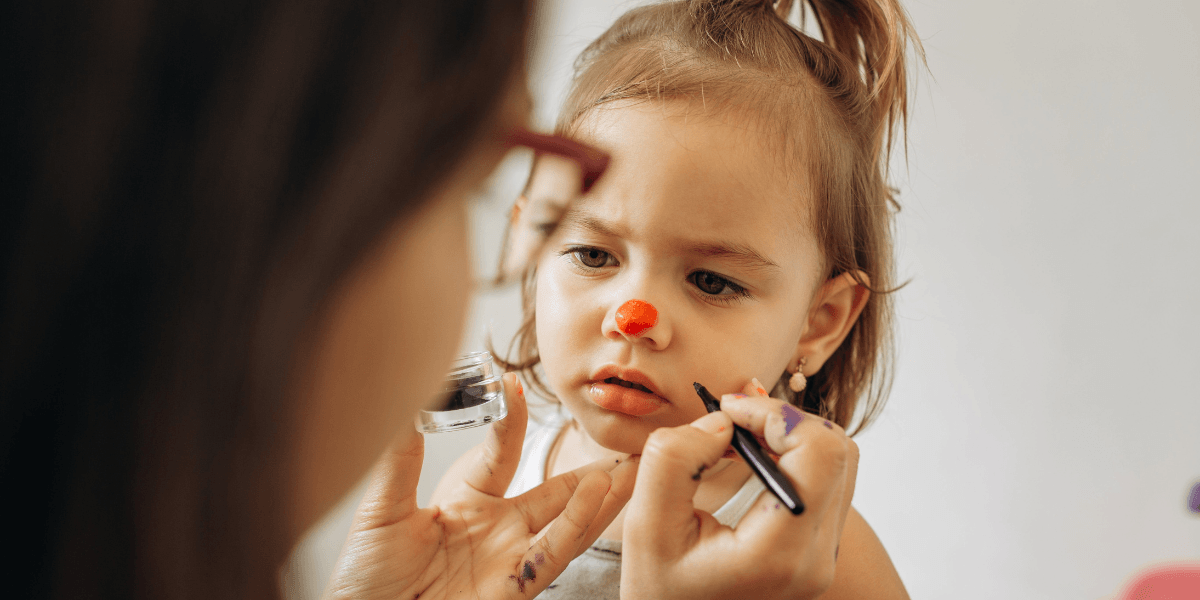
- Best bets: Face paint or products specifically marketed for children’s use (from a reputable brand and retailer) and used for short periods.
- Use advice: Keep it occasional, remove promptly, and avoid the waterline (inside the lash line) and irritated skin.
- Skip: Unlabeled kits, expired hand-me-downs, and anything with a strong perfume smell—these are common troublemakers for makeup safety for minors.
Preteen (~10–12) (first “real” makeup)
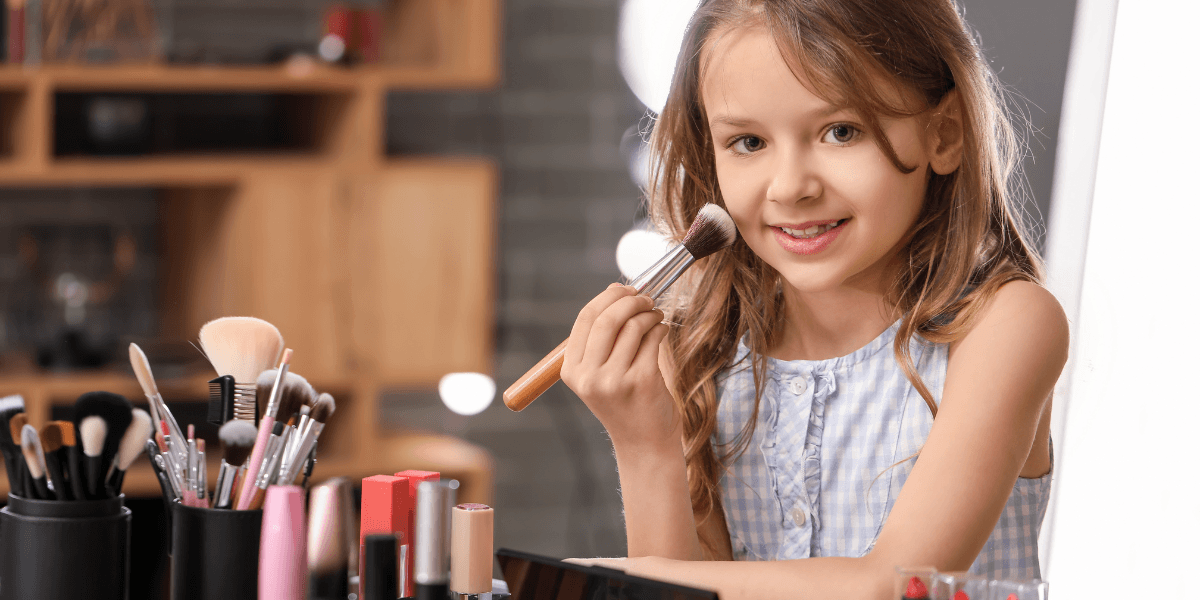
- Best bets: Tinted lip balm or gloss, a sheer blush, a clear brow gel, and a gentle mascara if they can remove it properly.
- Use advice: Keep coverage light; focus on wash-off products and easy removal.
- Skip: Heavy foundations, ultra-matte long-wear liquids, and strong lash glues until they’re comfortable with hygiene.
Teen (~13–17) (everyday wear)
- Best bets: Skin tints or light foundations, concealer used strategically, non-drying lip products, and a powder that doesn’t feel “cakey.”
- Use advice: Add one new item at a time (especially complexion products), and watch how skin responds over a week or two.
- Skip: Anything from a questionable marketplace listing, open/tester products for home use, or products that sting, burn, or cause persistent redness.
No matter the age, makeup safety for minors is easier when the starting kit is small, predictable, and easy to sanitize.
Shopping checklist: what to look for before you add to cart
If you’re searching terms like non toxic makeup for kids, non toxic kids makeup, kid safe makeup, clean makeup for kids, or kids safe makeup, it helps to translate that intent into concrete criteria. Here’s a practical checklist you can use on any product page or box.
- Buy from reputable retailers and brands: Clear manufacturer info, sealed packaging, batch/lot codes, and complete ingredient lists are strong green flags.
- Choose simpler formulas first: Fewer steps and fewer layers generally mean fewer opportunities for irritation (and fewer products to clean).
- Prioritize “easy-off” over “all-day”: Long-wear, waterproof, and transfer-proof formulas can require stronger removers and more rubbing—often the opposite of what supports makeup safety for minors.
- Pick comfortable textures: Cream blushes and balms can be more forgiving than ultra-matte liquids that emphasize dryness and encourage overapplication.
- Check applicators and packaging: Pump bottles, squeeze tubes, and pencil formats can be more hygienic than open jars. Wand products (mascara, lip gloss) are fine, but should never be shared.
- Avoid “mystery glitter”: Look for eye products that are intended for eye-area use. Chunky glitter can migrate and irritate.
- Consider fragrance-free options: Fragrance isn’t automatically “bad,” but it’s a common sensitivity trigger—especially for beginners.
These criteria won’t replace reading the label, but they dramatically improve the odds of a smooth first experience with makeup safety for minors in mind.
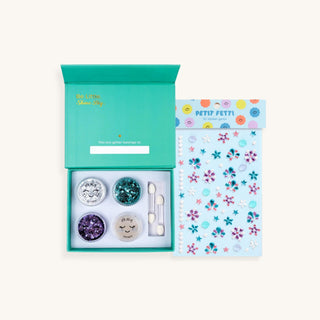
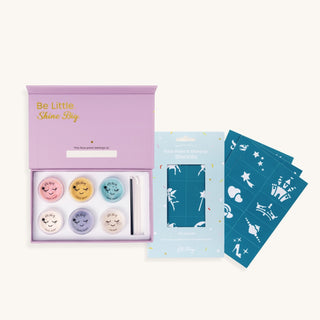
If you are in the market for an all-natural makeup kit, we highly recommend this product by Oh Flossy.
Natural Kids Play Makeup Kit
$34.99
$40.99
Looking for a clean beauty gift that’s safe, fun, and worry-free? This natural play makeup kit lets little ones explore color and creativity with non-toxic, skin-friendly formulas parents trust. Each kit includes vibrant loose powder eyeshadows, soft blush, lipstick, and… read more

Label reading made practical: ingredients and claims to interpret carefully
Ingredient lists can be intimidating. You don’t need to memorize chemistry to shop smart. You do need to know what’s in the product, whether the brand discloses it clearly, and whether the formula fits the area of use (eyes, lips, face).
Fragrance and essential oils
Fragrance (sometimes listed as “fragrance” or “parfum”) and certain essential oils can be irritating for some people, especially around eyes and lips. If your minor has sensitive skin, eczema history, or frequently watery eyes, fragrance-free basics can simplify makeup safety for minors.
Glitter and eye-area products
Eye makeup deserves extra caution because particles can migrate. If a product is marketed as a general glitter or craft product, don’t use it on the face. For shimmer, look for eye shadows and liners intended for cosmetic eye-area use, and avoid placing products directly on the waterline unless they’re specifically meant for that use and don’t cause discomfort.
Preservatives are not the enemy (but check for sensitivity)
Water-based products need preservatives to reduce microbial growth. “Preservative-free” or “DIY” makeup can spoil faster, which can work against makeup safety for minors. If someone is sensitive to a particular preservative, that’s a personal-reactivity issue to navigate with patch testing and careful trial—rather than assuming all preservatives are universally harmful.
“Clean” and “non-toxic” as marketing shorthand
Terms like clean makeup for kids or non toxic kids makeup are not single, regulated standards. Treat them as a starting point, then verify: full ingredient list, clear usage instructions, and purchase from a reputable source. The most “kid safe makeup” is often simply the product that is well-made, used correctly, and removed gently. Parents who want a deeper understanding of ingredient transparency, safety claims, and clean beauty standards can explore our guide to clean beauty science and ethics before making a purchase decision.
Patch testing and first-time use: a simple method that actually gets done
Patch testing won’t predict every reaction, but it’s a smart step when introducing new products—especially anything for eyes, lips, or all-over face. It’s also a practical cornerstone of makeup safety for minors.
- Pick a discreet area: Inner forearm or behind the ear works well.
- Apply a small amount: Use the product as intended (a thin layer).
- Wait and observe: Check the area over the next day or two for redness, itchiness, bumps, or burning sensation.
- Start small on the face: If the patch test is fine, use the product on a limited area the first time (for example, just cheeks instead of full face).
- Stop if it stings: Discomfort is a signal to remove it and discontinue use.
Also: introduce one new product at a time. If a reaction happens, you’ll know what caused it—an underappreciated part of makeup safety for minors.
Routine and hygiene rules that make the biggest difference
You can buy the best product in the world and still run into issues if tools are dirty or makeup stays on overnight. These habits are simple, realistic, and effective.
- No sharing wand products: Mascara, liquid liner, and lip gloss wands should be individual-only to reduce contamination.
- Wash hands before application: Especially for cream products applied with fingers.
- Clean brushes and sponges regularly: A weekly wash is a good baseline for frequently used tools. Let them dry fully.
- Remove makeup every night: Use a gentle cleanser or remover, then rinse well. Avoid aggressive scrubbing—more rubbing can lead to more irritation.
- Be cautious with waterproof formulas: They often require stronger removers and more friction. Save them for performances or special events.
- Watch the “smell and texture” test: If a product smells off, separates oddly, or changes texture, toss it.
- Don’t apply on broken or irritated skin: Give skin a chance to calm down first.
If you want a starter routine that supports makeup safety for minors, keep it to: gentle cleanse, moisturizer (and daytime sunscreen when appropriate), minimal makeup, then full removal at night.
Bottom line: a calm, confident approach to makeup safety for minors
Makeup safety for minors isn’t about banning makeup or chasing perfect “clean” labels—it’s about choosing reputable products, checking labels, patch testing when appropriate, and building hygiene habits that prevent the most common problems. Start with a small kit, prioritize easy removal, avoid questionable sellers and unlabeled kits, and teach simple rules (no sharing, clean tools, remove nightly). With those basics in place, makeup can stay what it should be: creative, age-appropriate, and comfortable to wear.
If you’re shopping under “non toxic makeup for kids” or “kid safe makeup,” use that search as a filter—not a finish line. Verify the ingredient list, buy from trusted sources, and let your minor’s skin (and comfort) guide what stays in the routine.
For a complete guide on non-toxic play makeup, check out our in-depth resource: The Ultimate Guide to Non-Toxic Play Makeup for Kids for expert tips, product recommendations, and everything you need to know about choosing safe beauty play products for your child.
About the Author: This article was written by the contributing writers at Popsicle Beauty Club—a team of moms, educators, and clean beauty advocates passionate about creating a safer, more imaginative world for kids. We believe in empowering parents with trusted information and offering fun, non-toxic beauty and personal care products that let children play, express, and explore—without compromising their health.