
Table of Contents
- Introduction
- 1) What “organic” means in kids makeup (and what it doesn’t)
- 2) Label-reading checklist for organic kids makeup
- 3) Ingredients parents often look for—and ingredients many prefer to limit
- 4) Shopping criteria for a truly usable organic kids makeup kit
- 5) How to patch test and apply kids makeup more safely
- 6) Removal, hygiene, and storage: the unglamorous safety wins
- Bottom line: choosing organic kids makeup with confidence
- FAQs
Introduction
Kids love copying the grown-up routine—lip balm, shimmer, “getting ready” with a brush. If you’re shopping for organic kids makeup, you’re probably aiming for products that feel gentler, are easier to remove, and come with clearer ingredient choices than toy-store paint palettes. That’s a smart goal, but it helps to know what “organic” can (and cannot) guarantee in a color cosmetic.
This guide is built for real shopping: how to read labels, which ingredients and claims tend to matter most for parents, what to look for in an organic kids makeup kit, and how to make play makeup more hygienic and lower-mess—without turning it into a stressful process. As always: read labels on the exact item you’re buying, and patch test when appropriate.
1) What “organic” means in kids makeup (and what it doesn’t)
In skincare and cosmetics, “organic” usually refers to how certain plant-based ingredients were grown (for example, oils, butters, botanical extracts). It does not automatically mean:
- the product is “chemical-free” (everything is chemicals, including water)
- the product is preservative-free (and it often shouldn’t be—especially if it contains water)
- the product is non-irritating for every child
- the product is edible (makeup should be treated as not for eating)
With organic kids makeup, you’re typically balancing three practical priorities: (1) ingredient transparency, (2) formulas that rinse/clean off without scrubbing, and (3) packaging and product formats that reduce contamination. “Organic” can support those goals when it’s backed up by a complete ingredient list and a reputable brand, but the full label matters more than the front-of-box language. For a broader look at how parents compare formulas, ingredients, and certifications, read our guide to organic makeup for kids.
2) Label-reading checklist for organic kids makeup
When you’re comparing organic kids makeup options, start with the back label or product page ingredient list. Here’s a simple checklist you can use in-store or while scrolling online.
Ingredient list basics
- Look for a complete INCI list (ingredient names). If a product doesn’t show a full list, skip it.
- Water-based products (often listed as “Aqua/Water/Eau”) typically need preservatives. The presence of a preservative isn’t automatically “bad”—it can be a sign the brand is taking stability and contamination seriously.
- Fragrance: if you’re avoiding scent, look for “Fragrance/Parfum” and also scan for essential oils. “Unscented” is different from “fragrance-free.”
Marketing terms that need context
- “Non-toxic”: not a regulated cosmetic claim in many regions; treat it as marketing unless supported by clear ingredient transparency and responsible usage directions.
- “Natural”: can be loosely used. A “natural” product can still irritate skin.
- “Hypoallergenic”: not a guarantee; it generally signals an intent to reduce common irritants, but reactions can still happen.
Certifications (helpful, but not the only measure)
Some products use third-party certification logos related to organic content or ingredient standards. If you see one, it can be a plus—but still read the INCI list. Also note that a product may include organic ingredients without being “certified organic” overall (and that can be legitimate depending on formula type and regional rules).
3) Ingredients parents often look for—and ingredients many prefer to limit
Every family’s comfort level is different. The key is to decide what you’re optimizing for (minimal scent, minimal mess, quick removal, fewer potential irritants) and shop accordingly. Below is a practical, non-alarmist way to think about common ingredient categories you’ll see in organic kids makeup.
Common “comfort” ingredients (often well-liked in kids formulas)
- Plant oils and butters (like shea butter or jojoba oil): often used in balms, lip products, and cream blush-style formulas for slip and softness.
- Waxes (like beeswax or plant waxes): help balms and crayons hold shape and reduce crumbling.
- Mineral pigments: used for color in many clean-leaning lines; they can be a good option for simple tints.
Ingredients some parents choose to limit for kids
- Added fragrance (including some essential oils): scent is a common reason products sting or feel “spicy,” especially near lips and eyes.
- Loose powders and very dusty products: not ideal for little kids who might blow on them or create airborne mess. Pressed powders are usually easier to control.
- High-shine glitter: craft-style glitter can be scratchy and messy. If you want sparkle, look for smoother shimmer and keep it away from the waterline and lash line.
Important: ingredient sensitivity is individual. “Natural” ingredients can still cause irritation, and a child can react to something “gentle” on paper. That’s why patch testing and supervising application matter as much as the ingredient philosophy.
4) Shopping criteria for a truly usable organic kids makeup kit
A good organic kids makeup kit should make play easy for kids and clean-up easy for parents—without relying on intense pigment or long-wear claims. When you’re deciding between sets, use these concrete criteria.
Choose formats that reduce mess and over-application
- Balms, crayons, and cream compacts are usually easier than loose powders.
- Press-and-go pans (pressed shadow, pressed blush) are typically less dusty than loose mineral powders.
- Roll-on or solid fragrance alternatives (if you’re buying scent at all) tend to be less spill-prone than sprays for kids, but still avoid eye area and wash hands after use.
Prioritize packaging that stays clean
- Twist-up crayons reduce finger-dipping and make sharing a bit more hygienic.
- Pump or squeeze packaging (where relevant) can be cleaner than jars.
- Individual components (separate lip balm, separate blush) are often easier to monitor than a giant all-in-one palette that everyone touches.
Look for clear usage and age guidance
Brands that take kids products seriously usually provide straightforward directions: where it’s intended to be used (lips vs. face vs. nails), whether adult supervision is recommended, and how to remove it. If a product marketed as organic kids makeup offers no guidance at all, that’s a quality signal to reconsider.
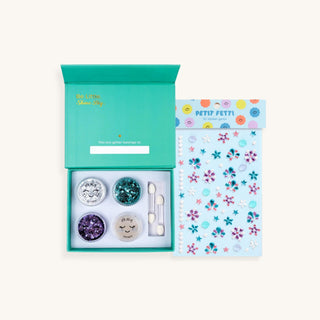
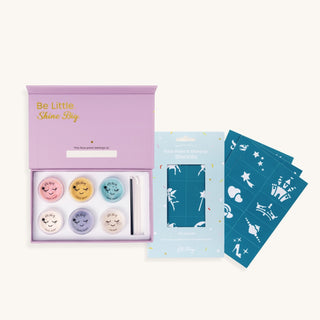
Looking for a clean beauty gift that’s safe, fun, and worry-free? This natural play makeup kit lets little ones explore color and creativity with non-toxic, skin-friendly formulas parents trust.
Each kit includes vibrant loose powder eyeshadows, soft blush, lipstick, and easy-to-use brushes—all housed in a premium magnetic box that’s perfect for gifting. The little pots are fully removable, so she can display them on her vanity, tuck them into a pretend purse, or take them along for imaginative play.
Natural Kids Play Makeup Kit
$34.99
$40.99
Looking for a clean beauty gift that’s safe, fun, and worry-free? This natural play makeup kit lets little ones explore color and creativity with non-toxic, skin-friendly formulas parents trust. Each kit includes vibrant loose powder eyeshadows, soft blush, lipstick, and… read more

5) How to patch test and apply kids makeup more safely
Even with organic kids makeup, it’s wise to introduce new products slowly—especially anything used around the mouth, cheeks, or eyes. A patch test can help you spot irritation before a full-face application.
Simple patch test approach
- Pick a small area: inner forearm is common; for face products, you can also choose a small area near the jawline (avoid broken skin).
- Apply a tiny amount once a day for 2–3 days if you can, watching for redness, itching, or discomfort.
- Stop if irritation shows up and wash off with a gentle cleanser.
Application rules that prevent most problems
- Skip the waterline and avoid applying product right at the lash roots. For pretend “eye makeup,” aim for the eyelid area only, with a soft brush, and keep it minimal.
- Hands first: wash hands before play makeup and again after.
- Use kid-dedicated tools: a couple of washable brushes or sponge applicators that are only for the child’s kit.
- Supervise sharing: if multiple kids are using the same kit, avoid direct-to-lip products (like shared lipstick bullets). Consider individual balms or disposable applicators.
6) Removal, hygiene, and storage: the unglamorous safety wins
The safest makeup is the one that comes off easily at the end of play. Many parents choose organic kids makeup hoping it will be simpler to remove—so set yourself up with a realistic removal routine.
Easy removal routine (no scrubbing)
- Start with a gentle cleanse: a mild face wash or a soft, fragrance-free cleanser can be enough for balms and light creams.
- Use a soft cloth: lukewarm water + a soft washcloth helps lift color without rubbing.
- For stubborn balm or pigment: a small amount of gentle oil or an oil-based remover can help, followed by cleanser (avoid getting remover in eyes).
- Moisturize if needed: especially if a child’s cheeks get dry after repeated washing.
Hygiene and replacement guidelines
- Don’t use makeup on irritated or broken skin.
- Keep lids tightly closed to prevent drying out and contamination.
- Wipe the top layer of creams or sticks if they’ve been used with unwashed hands.
- Replace anything that smells “off,” changes texture, or grows visible mold (especially important for water-containing products).
Storage matters too: keep the kit in a cool, dry place (not a hot car, not a steamy bathroom shelf). Heat can melt balms and shift textures; humidity can shorten shelf life.
Bottom line: choosing organic kids makeup with confidence
Organic kids makeup can be a thoughtful way to support dress-up play while keeping ingredients and routines parent-friendly—but the best choice comes down to the full label, the format, and how the product is used. Prioritize complete ingredient lists, low-mess packaging, minimal fragrance, and easy removal. Patch test when appropriate, keep application away from the waterline, and treat hygiene (hand washing, clean tools, closed lids) as part of the routine.
If you’re building a first-time setup, start small: one balm-style lip product, one cream blush, and one pressed shimmer—then expand into an organic kids makeup kit once you know what your child enjoys and what their skin tolerates.
For a complete guide on non-toxic play makeup, check out our in-depth resource: The Ultimate Guide to Non-Toxic Play Makeup for Kids for expert tips, product recommendations, and everything you need to know about choosing safe beauty play products for your child.

About the Author: This article was written by the contributing writers at Popsicle Beauty Club—a team of moms, educators, and clean beauty advocates passionate about creating a safer, more imaginative world for kids. We believe in empowering parents with trusted information and offering fun, non-toxic beauty and personal care products that let children play, express, and explore—without compromising their health.