
Table of Contents
- Introduction
- What “non toxic” means (and doesn’t) in toddler makeup
- Age guidance: a realistic approach for toddlers
- How to read labels for non toxic toddler makeup: what to look for
- Shopping criteria: how to choose safer formats (and avoid the messiest ones)
- Safer play routine: prep, apply, supervise, remove
- Better-than-makeup alternatives for toddlers (still fun, often simpler)
- Bottom line: choosing non toxic toddler makeup with confidence
- FAQs
Introduction
Parents searching for non toxic toddler makeup usually want the same thing: a way to let a little one play “getting ready” without turning it into a daily exposure experiment—or a full-on mess. The tricky part is that “non toxic” is not a regulated marketing term in most beauty categories, and toddlers use products differently than adults: more hand-to-mouth behavior, more rubbing eyes, and less patience for careful application.
This guide is meant to be practical and non-alarmist. You’ll learn how to evaluate non toxic toddler makeup by reading labels, choosing formats that lower risk, and setting up a routine that keeps play fun and short. You’ll also find easy alternatives if you decide traditional makeup isn’t the best fit yet.
What “non toxic” means (and doesn’t) in toddler makeup
When a brand markets non toxic toddler makeup, they’re usually signaling a preference for gentler ingredients and a shorter “avoid” list. That can be helpful—but it doesn’t replace label-reading or basic safety practices.
- “Non toxic” is not a guarantee. Even a thoughtfully formulated product can irritate a child’s skin, especially around the eyes and lips.
- Regulatory and testing language matters. Look for clear intended use (cosmetic vs. toy) and straightforward directions. Be cautious with vague claims like “chemical-free” (everything is chemicals, including water).
- Toddlers have different real-world exposure. Products end up on fingers, clothing, furniture, and sometimes in mouths. Choosing products that are easy to control and remove is part of “safer.”
Bottom line: treat non toxic toddler makeup as a starting filter, not the finish line. For broader label-reading guidance across children’s cosmetics, read our guide to kids makeup non toxic.
Age guidance: a realistic approach for toddlers
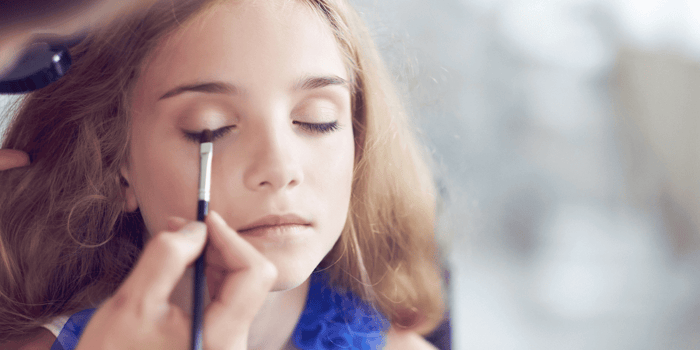
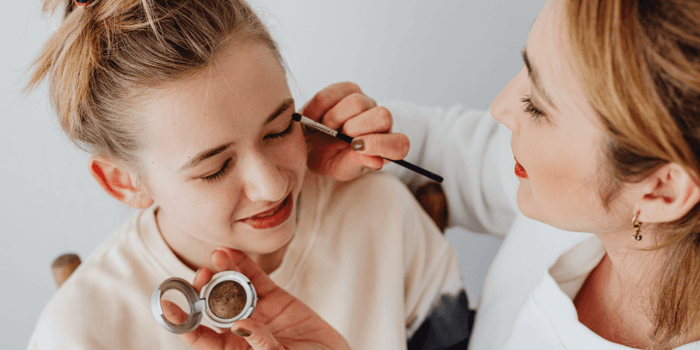
Most toddlers don’t need actual cosmetics; they need a playful, supervised activity. If you choose to introduce non toxic toddler makeup, think in terms of occasional play, not a daily routine.
Good “starter” boundaries
- Keep it occasional. Special occasions, dress-up time, or a quick “match parent” moment is more age-appropriate than everyday wear.
- Skip the waterline and inner eye area. Toddlers rub their eyes. Stick to cheeks or forehead designs if you’re using color.
- Be cautious with lips. Lip products are easily ingested. If you use one, choose a very simple balm-like texture and apply lightly.
- Avoid aerosol products. No sprays or powders that can puff into the air around little faces.
- Less is more. One product at a time is easier to monitor for irritation and easier to remove.
If your child has very sensitive skin, eczema-prone patches, or frequent rashes, consider sticking to non-skin-contact pretend play (toy compacts, brush-only play) and ask your pediatrician or dermatologist for individualized guidance.
How to read labels for non toxic toddler makeup: what to look for
Label literacy is the most useful skill you can bring to shopping for non toxic toddler makeup. Marketing claims can be broad; ingredients and directions are specific.
Start with the intended use
- Cosmetic labeling: Look for an ingredient list (INCI-style names), usage directions, and the area of application.
- Toy labeling: Some “play makeup” sets are closer to toys than cosmetics. If a product isn’t meant to be applied to skin, don’t use it that way.
Common ingredient categories that deserve extra scrutiny
- Fragrance (parfum) and essential oils: These can be frequent irritants for sensitive skin. “Unscented” is often easier than “naturally scented.”
- Strong dyes and lakes: Many colorants are permitted in cosmetics, but toddlers’ skin can still react. If you’re doing color, prefer products designed for sensitive use and avoid anything that stains the skin.
- Preservatives: Preservatives aren’t automatically “bad”—they help keep water-based products from growing microbes. The goal is a well-preserved product from a reputable brand rather than a preservative-free cream that goes off quickly.
- Glitter: Avoid loose glitter and be cautious even with fine shimmer near the eyes. If you want sparkle, look for products that keep shimmer suspended in a balm or gel and keep it away from the lash line.
Be skeptical of “free-from” lists that replace clarity
“Free from” claims can be a helpful snapshot, but they’re not a substitute for reading the ingredient list and understanding how the product is used. If a brand is selling non toxic toddler makeup, you should still expect a complete ingredient list, clear usage directions, and basic safety warnings (for example, avoiding broken skin and supervising children).
Shopping criteria: how to choose safer formats (and avoid the messiest ones)
For non toxic toddler makeup, the format often matters as much as the ingredients. Toddlers do best with products that are controlled, creamy, and easy to wipe away.
- Choose creams over powders. Cream blush or balm tints tend to stay put better than powder, and there’s less airborne fallout.
- Look for stick or compact packaging. A twist-up stick or small compact is easier to limit than an open pot that invites double-dipping and spills.
- Avoid tiny detachable pieces. Small caps, sponge tips, and mini parts can become choking hazards. Prefer simple, sturdy packaging.
- Skip “adult” long-wear features. Long-wear, transfer-proof, and stain-like products are designed to cling—great for adults, harder for toddler cleanup.
- Prioritize easy removal. You want something that comes off with gentle cleanser or a soft washcloth—not aggressive scrubbing.
- Choose minimal-product kits. A single cheek tint or a gentle balm can meet the play need without a suitcase of items.
Also consider hygiene: toddlers share. If multiple kids will use the product, avoid wands that go back into tubes and choose items that can be sanitized (or applied with clean fingers you wash first).
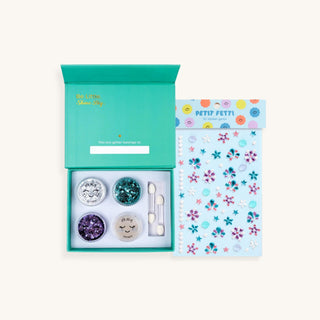
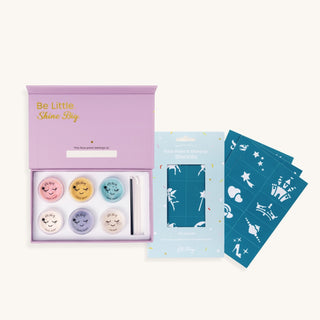
Looking for a clean beauty gift that’s safe, fun, and worry-free? This natural play makeup kit lets little ones explore color and creativity with non-toxic, skin-friendly formulas parents trust.
Each kit includes vibrant loose powder eyeshadows, soft blush, lipstick, and easy-to-use brushes—all housed in a premium magnetic box that’s perfect for gifting. The little pots are fully removable, so she can display them on her vanity, tuck them into a pretend purse, or take them along for imaginative play.
Natural Kids Play Makeup Kit

$34.99
$40.99
Looking for a clean beauty gift that’s safe, fun, and worry-free? This natural play makeup kit lets little ones explore color and creativity with non-toxic, skin-friendly formulas parents trust. Each kit includes vibrant loose powder eyeshadows, soft blush, lipstick, and… read more
Safer play routine: prep, apply, supervise, remove
The safest non toxic toddler makeup routine is short, supervised, and predictable. Build a little “ritual” so it doesn’t become a free-for-all.
1) Prep the skin
- Start with clean, dry skin. Makeup on sticky sunscreen or snack residue is more likely to smear into eyes.
- Use a simple barrier if needed. If cheeks get dry, a plain moisturizer can help reduce friction during removal.
2) Patch test before first use
Even when shopping carefully for non toxic toddler makeup, patch testing is a smart step. Apply a tiny amount to a small area (like the outer arm) and wait to see if irritation develops before using it on the face. If any redness, itching, or discomfort shows up, discontinue use and choose a different approach.
3) Apply with clean hands and keep it away from eyes
- Use clean fingers or a washable brush. Skip sponges that stay damp and can get funky.
- One small area at a time. “Two dots of blush” is plenty. Toddlers don’t need full-face coverage.
- Set a time limit. 5–10 minutes of play is usually enough before it turns into rubbing and smearing.
4) Remove gently—no scrubbing
- Use a gentle cleanser and lukewarm water. A soft washcloth can help lift creams without rubbing.
- Double-cleanse only if needed. If a balm tint clings, a small amount of a gentle oil or balm cleanser followed by a mild wash can help.
- Moisturize after. A simple moisturizer can reduce post-wash dryness.
And yes: keep products out of reach between play sessions. Toddlers are excellent at “self-applying” at 6 a.m.
Better-than-makeup alternatives for toddlers (still fun, often simpler)
If your goal is imaginative play more than actual cosmetics, you may not need non toxic toddler makeup at all. These alternatives can lower the chance of eye irritation and make cleanup easier.
- Pretend compacts and brushes: A clean brush with no product can satisfy the “I want to do what you do” impulse.
- Sticker earrings or temporary tattoos: These create a “special look” without going near the eyes and lips.
- Dress-up accessories: Headbands, hair clips, and fun nail stickers (instead of polish) can be toddler-friendly options.
- Occasional face paint designed for skin: If you go this route, read labels closely, keep designs away from eyes/mouth, and remove promptly after the event.
These options can be especially helpful for kids who love the idea of makeup but tend to rub their faces or put fingers in their mouths.
Bottom line: choosing non toxic toddler makeup with confidence
Non toxic toddler makeup can be a reasonable choice for short, supervised play—when you prioritize clear labeling, gentle formulas, and easy removal. Focus less on trendy claims and more on what reduces real-life risk for toddlers: skip the eye area, avoid loose powders and glitter, choose simple cream formats, and keep play sessions brief.
Before buying, check labels for a full ingredient list and intended use, and patch test any new product before it goes on your child’s face. With those guardrails, non toxic toddler makeup becomes less about chasing perfection and more about making playtime safer and calmer—for kids and parents alike.
For a complete guide on non-toxic play makeup, check out our in-depth resource: The Ultimate Guide to Non-Toxic Play Makeup for Kids for expert tips, product recommendations, and everything you need to know about choosing safe beauty play products for your child.
About the Author: This article was written by the contributing writers at Popsicle Beauty Club—a team of moms, educators, and clean beauty advocates passionate about creating a safer, more imaginative world for kids. We believe in empowering parents with trusted information and offering fun, non-toxic beauty and personal care products that let children play, express, and explore—without compromising their health.