
Table of Contents
- Introduction
- 1) What “kids makeup non toxic” really means (and what it doesn’t)
- 2) Label-reading 101: where to look and how to compare
- 3) Ingredient and format guidance by category (what tends to be easier on skin)
- 4) Shopping criteria: how to choose non toxic kids makeup you’ll actually use
- 5) Safer play rules: patch test, hygiene, and sharing
- 6) A simple routine for using and removing kids makeup (without over-scrubbing)
- 7) Building a “less is more” kids makeup kit non toxic checklist
- Bottom line: how to shop and use kids makeup non toxic with confidence
- FAQs
Introduction
Searching for kids makeup non toxic usually means you want two things at once: a fun “grown-up” play experience and a more careful ingredient/label approach than random costume makeup. That’s a smart instinct. The tricky part is that “non toxic” isn’t a single regulated standard across all cosmetics marketing, and products aimed at kids can still vary widely in formula, fragrance, pigment load, and how they’re intended to be used.
This guide is designed for parents and beauty shoppers who want practical, calm, evidence-aware shopping criteria: how to read labels, what to look for in different product types, what “free-from” claims do (and don’t) tell you, and simple routines that make play makeup less irritating and easier to remove. You’ll also see where it’s best to skip certain items entirely until kids are older.
1) What “kids makeup non toxic” really means (and what it doesn’t)
In everyday shopping language, kids makeup non toxic often signals “made to be gentler” and “made with more transparent ingredient choices.” That can be helpful, but it’s important to keep expectations realistic:
- “Non toxic” is usually a marketing term, not a guarantee of zero risk. Cosmetics are mixtures of ingredients; even very simple formulas can cause irritation or allergy in some people.
- “Cleaner” isn’t always “kinder.” Some “natural” ingredients (including certain essential oils and botanical extracts) can be more irritating than synthetic alternatives, especially on young skin.
- Kid-friendly design matters as much as the formula. A product that’s easy to apply lightly, easy to remove, and less likely to crumble into eyes can reduce problems during play.
A better goal than chasing perfect wording is to shop for non toxic makeup for kids with a clear ingredients list, sensible product types for age and skill level, and packaging that supports hygienic use. For a broader look at ingredient transparency and safer product choices, see our guide to nontoxic kids makeup.
2) Label-reading 101: where to look and how to compare
When you’re evaluating kids makeup non toxic options, start with the product label and listing page details. Here’s how to read what matters quickly.
Ingredients list: your most useful tool
Look for a full ingredients list (INCI names). If a listing doesn’t show ingredients anywhere, consider that a reason to move on—especially for items used near the eyes or lips.
- Shorter isn’t automatically better, but clarity is. A clearly stated list lets you avoid known sensitivities (for example, certain fragrances or specific preservatives you’ve reacted to before).
- Fragrance note: “Fragrance,” “parfum,” and essential oils are common triggers for irritation. Many parents prefer fragrance-free for face products, especially for frequent play.
- Color additives: Makeup uses approved colorants. If you have concerns, prioritize brands that clearly list color additives and avoid vague “colorants” language.
“Free-from” claims: helpful, but incomplete
Claims like “free from parabens,” “free from phthalates,” or “clean” can be a starting point, but they don’t tell you what replaced those ingredients or whether the product is suitable for sensitive skin. Use them as a filter, not the final decision.
Product context cues
- Intended area of use: A cheek tint is not automatically safe as an eye product. Look for products explicitly intended for the area where they’ll be applied.
- Country/region compliance: Reputable brands will note compliance with relevant cosmetic regulations and provide manufacturer information and batch/lot details.
- Age guidance: If a kit says “for ages 3+” or similar, treat it as guidance for choking hazards and supervision needs—not a promise of irritation-free use.
3) Ingredient and format guidance by category (what tends to be easier on skin)
Not all makeup types behave the same way on young skin. When shopping kids makeup non toxic, it helps to choose formats that are naturally more forgiving and easier to remove.
Lips: balms and glosses over long-wear
- Often better choices: simple lip balms and sheer glosses with a short wear time.
- Approach with caution: long-wear liquid lipsticks, strong plumping ingredients, or heavily fragranced/flavored formulas (kids may reapply frequently).
- Label tip: if your child has a history of lip dryness, consider fragrance-free options and avoid “tingle” or “cooling” marketing cues.
Face: sheer, buildable, easy-to-clean textures
- Often better choices: light powder blushes, sheer cream blush in a stick, or subtle highlighter applied sparingly.
- Approach with caution: heavy coverage foundations, strong mattifying formulas, and anything that requires vigorous rubbing to remove.
- Label tip: prioritize products that remove with gentle cleanser and water—especially for frequent play.
Eyes: minimize risk by simplifying
Eye-area products are the most common source of discomfort during play because powders and glitter can migrate.
- Often better choices: a single, soft powder shadow applied with a clean brush; or face paints designed for the eye area when used as directed.
- Approach with caution: loose glitter, chunky shimmer, or very powdery palettes that kick up dust.
- Practical rule: if the product flakes easily, it’s more likely to end up in eyes.
Nails: consider peelable polish, and don’t forget habits
- Often better choices: kid-specific peelable nail polishes for occasional use (they can reduce remover exposure).
- Approach with caution: gel systems, acrylics, strong adhesives, or anything requiring UV curing at home.
- Habit tip: nail biting and picking can increase exposure and irritation. If that’s common, keep nail products minimal.
4) Shopping criteria: how to choose non toxic kids makeup you’ll actually use
If you’re trying to find the best non toxic makeup for kids for real-life use (not just a one-time costume day), focus on these criteria that improve the day-to-day experience.
- Full ingredient transparency: available on the package or brand site, not “proprietary blend” language.
- Fragrance level: fragrance-free or very lightly scented is often easier on sensitive skin.
- Washability: should remove with a gentle cleanser; avoid products that require heavy scrubbing.
- Low-mess packaging: pressed powders and cream sticks are usually easier than loose powders for kids.
- Tool hygiene: kits that include washable brushes/sponges are easier to keep clean than foam applicators that get soggy and grimy.
- Clear shade payoff: choose soft, sheer colors so kids can play without over-application.
- Reasonable kit size: smaller kits reduce product sitting open for long periods and simplify clean-up.
For shoppers comparing non toxic kids makeup kits, this is the big difference-maker: a kit that encourages light, controlled application is usually safer and more enjoyable than a huge palette that gets shared, dropped, and smeared.
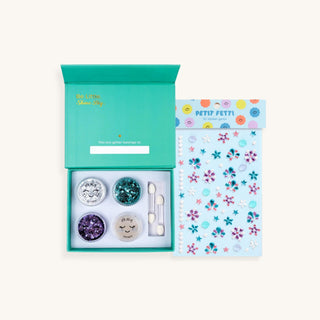
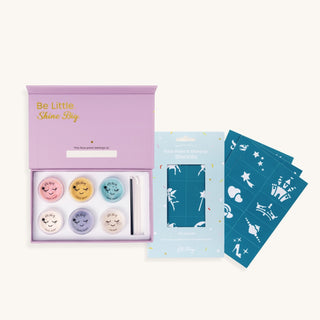
Looking for a clean beauty gift that’s safe, fun, and worry-free? This natural play makeup kit lets little ones explore color and creativity with non-toxic, skin-friendly formulas parents trust.
Each kit includes vibrant loose powder eyeshadows, soft blush, lipstick, and easy-to-use brushes—all housed in a premium magnetic box that’s perfect for gifting. The little pots are fully removable, so she can display them on her vanity, tuck them into a pretend purse, or take them along for imaginative play.
Natural Kids Play Makeup Kit
$34.99
$40.99
Looking for a clean beauty gift that’s safe, fun, and worry-free? This natural play makeup kit lets little ones explore color and creativity with non-toxic, skin-friendly formulas parents trust. Each kit includes vibrant loose powder eyeshadows, soft blush, lipstick, and… read more

5) Safer play rules: patch test, hygiene, and sharing
Even with carefully chosen kids makeup non toxic, how makeup is used matters. A few simple rules can prevent most problems parents run into.
Patch test when appropriate
If your child has sensitive skin or you’re introducing a new product type, do a small patch test first (for example, a tiny amount on the inner arm). Wait to see if irritation develops before putting it on the face. If irritation occurs, discontinue use and choose a simpler formula. (This is general product-use guidance, not medical advice.)
Set hygiene basics early
- One person, one lip product. Avoid sharing glosses and balms.
- Clean hands first. Especially before eye makeup.
- Wash tools weekly (or more). Mild soap + thorough drying helps prevent funky brushes.
- Don’t apply on broken skin. Skip areas with cuts, active irritation, or peeling.
Make “no eyes, no mouth” a glitter rule
If you allow sparkle, keep it on cheeks (high points) and away from waterlines and lips. Many eye mishaps come from glitter travel during rubbing.
6) A simple routine for using and removing kids makeup (without over-scrubbing)
The quickest way to turn play makeup into an irritation issue is aggressive removal. Here’s a gentle, realistic routine that works for most families using kids makeup non toxic products.
- Start with a gentle cleanser. Use lukewarm water and a mild, fragrance-light or fragrance-free cleanser.
- Soften first, then wipe. If something is stubborn (like pigmented lip color), hold a damp cotton pad on the area for a few seconds before wiping. Avoid repeated hard rubbing.
- Rinse thoroughly. Residue can cause next-day dryness or itching.
- Moisturize lightly if needed. A simple, non-fragranced moisturizer can help if skin feels dry after removal.
- Keep makeup time-limited. For younger kids, shorter wear time can be kinder to skin.
If you notice a pattern—redness after every use, watery eyes with powders, or persistent lip dryness—scale back to fewer products and simpler formats rather than adding more steps.
7) Building a “less is more” kids makeup kit non toxic checklist
If you’re assembling a kids makeup kit non toxic (or editing down an existing kit), aim for a small set of items that cover play without pushing into higher-risk categories.
Good starter kit items
- Sheer lip balm or gentle gloss
- Soft blush (pressed powder or cream stick)
- One neutral shimmer-free eyeshadow (optional)
- Washable brushes (a fluffy face brush + small shadow brush)
- Gentle cleanser dedicated to makeup removal nights
Items many parents choose to skip (especially for younger kids)
- Loose glitter and ultra-flaky pigments
- Liquid eyeliner (precision products increase eye-area mishaps)
- Long-wear stains that need heavy remover
- Adhesive lashes and strong glues
- At-home gel systems
When you’re evaluating kids non toxic makeup kits, remember: a smaller kit that gets used hygienically is usually a better “safety” choice than a giant kit with dozens of powders that end up shared and crumbly.
Bottom line: how to shop and use kids makeup non toxic with confidence
Kids makeup non toxic shopping works best when you treat it as a label-and-routine decision, not a single buzzword. Choose products with clear ingredient lists, prefer fragrance-light formulas, and pick easy-to-remove textures. Keep eye products simple, avoid loose glitter, and build a small kit you can actually keep clean. Check labels every time (formulas change), and patch test when appropriate—especially if your child has sensitive skin or you’re introducing something new.
If you want to keep it simple: prioritize transparency + gentle removal + hygiene. That combination is what most parents are really looking for when they search kids makeup non toxic.
For a complete guide on non-toxic play makeup, check out our in-depth resource: The Ultimate Guide to Non-Toxic Play Makeup for Kids for expert tips, product recommendations, and everything you need to know about choosing safe beauty play products for your child.
About the Author: This article was written by the contributing writers at Popsicle Beauty Club—a team of moms, educators, and clean beauty advocates passionate about creating a safer, more imaginative world for kids. We believe in empowering parents with trusted information and offering fun, non-toxic beauty and personal care products that let children play, express, and explore—without compromising their health.