
Table of Contents
- Introduction
- 1) What “kids safe makeup” can (and can’t) mean
- 2) Label-reading for safe makeup for kids: what to check before you buy
- 3) Ingredient guidance: what to prioritize—and what to be cautious about
- 4) Pick the right format: face paint vs. lip products vs. nails
- 5) Building a kids safe makeup kit: a practical shopping list
- 6) Safer play routine: prep, patch test, apply, remove, and store
- 7) Bottom line: a simple checklist for kids safe makeup
- FAQs
Introduction
Parents shopping for kids safe makeup are usually trying to balance two things: letting kids enjoy creative play and keeping products gentle, cleanable, and appropriate for young skin. The tricky part is that “safe” in beauty isn’t a single label you can rely on—it’s a combination of sensible product choices, careful label reading, and how the makeup is used (where it’s applied, how long it stays on, and how it’s removed).
This guide is designed for real shopping decisions. You’ll learn what to look for on packaging, how to scan ingredient lists without getting overwhelmed, how to build a practical kids safe makeup kit, and how to set up a “safer play” routine at home. As always, check labels on the exact product you’re buying and consider patch testing when trying something new.
1) What “kids safe makeup” can (and can’t) mean
Kids safe makeup isn’t a regulated, universal standard phrase. Some brands use it to indicate “made for children,” “gentle,” “washable,” or “non-toxic,” but those words can be loosely defined. A better approach is to treat the phrase as a starting point, then evaluate the product with a few consistent criteria:
- Intended use: Is it marketed specifically for children (or for sensitive skin) with clear directions and age guidance?
- Ingredient transparency: Is there a full ingredient list on the product or brand site, not just marketing claims?
- Appropriate formats: Products for lips/cheeks are different from eye-area products; nail products are different from face paint.
- Hygiene and removability: Does it remove easily with gentle cleanser? Is it packaged in a way that discourages contamination?
Also consider the “where” factor. Makeup for the eye area and waterline is generally higher risk for irritation. For younger kids, many parents prefer to keep play makeup to cheeks and lips and skip tightlining/mascara-style products entirely. For a related parent guide on evaluating safer formulas and routines, read our article on safe makeup for kids.
2) Label-reading for safe makeup for kids: what to check before you buy
When shopping for safe makeup for kids, the front-of-package claims are less useful than the back label. Here’s a practical label checklist you can use in-store or while scrolling online listings:
- Full ingredient list (INCI): Avoid products that don’t disclose ingredients. If the listing says “proprietary blend” with no details, move on.
- Clear product type and directions: Look for “for face,” “for lips,” “for body,” and removal instructions. Vague instructions are a yellow flag.
- Fragrance disclosure: If your child is sensitive, check whether “fragrance,” “parfum,” or essential oils are included.
- Color additives: Pigments and dyes should be listed. Be extra cautious with products used near the eyes.
- Expiration/period-after-opening: A jar icon (e.g., 6M/12M) helps you know how long it should be used after opening. Replace older products regularly.
- Manufacturer info: A real brand should provide a company name, contact, and batch/lot details. That’s basic accountability.
A note on “non-toxic” and “clean”: these can be helpful brand philosophies, but they aren’t guarantees. For makeup safe for kids, ingredient transparency and appropriate use matter more than a single buzzword.
3) Ingredient guidance: what to prioritize—and what to be cautious about
If you’re scanning an ingredient list for kids safe makeup, prioritize formulas that are simple, well-preserved, and designed to wash off without heavy scrubbing. You don’t need to memorize chemistry; you need a few practical signals.
Ingredients and features many parents prefer
- Fragrance-free or low-fragrance options: Often easier for sensitive skin (though not automatically irritation-proof).
- Simple emollients and humectants: Ingredients that support slip and comfort can reduce tugging during application and removal.
- Clear preservative system: Especially for creams/liquids. Kids tend to double-dip and share, so preservation matters for hygiene.
- Mineral-based shimmer (when used away from eyes): Fine mica can add sparkle, but placement matters (see cautions below).
Common things to be cautious about (context matters)
- Heavily fragranced products: Fragrance can be a common trigger for irritation in some people. If you’re trialing a product, start with fragrance-free.
- Loose glitter: Glitter can migrate and irritate eyes. If sparkle is non-negotiable, consider pressed shimmer and keep it on cheeks—not eyelids or near the lash line.
- Essential oils: “Natural” isn’t automatically gentler. Some essential oils can be sensitizing, especially in leave-on products.
- Alcohol-heavy formulas: Some fast-drying products can feel tight or sting on compromised skin.
- Unlabeled pigments/dyes: If color additives aren’t clearly listed, it’s hard to know what you’re putting on skin.
This isn’t about panic—many kids can tolerate a wide range of products. It’s about stacking the odds in your favor when choosing safe kids makeup, especially for first-time users.
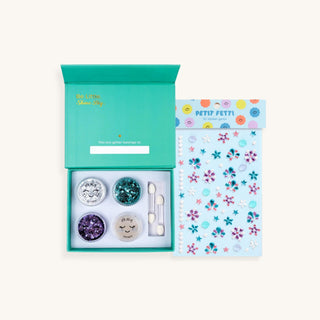
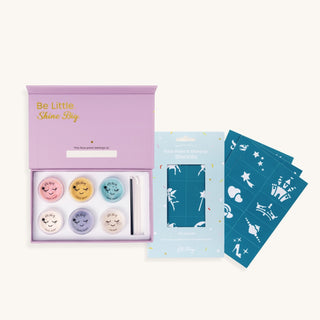
Looking for a clean beauty gift that’s safe, fun, and worry-free? This natural play makeup kit lets little ones explore color and creativity with non-toxic, skin-friendly formulas parents trust.
Each kit includes vibrant loose powder eyeshadows, soft blush, lipstick, and easy-to-use brushes—all housed in a premium magnetic box that’s perfect for gifting. The little pots are fully removable, so she can display them on her vanity, tuck them into a pretend purse, or take them along for imaginative play.
Natural Kids Play Makeup Kit
$34.99
$40.99
Looking for a clean beauty gift that’s safe, fun, and worry-free? This natural play makeup kit lets little ones explore color and creativity with non-toxic, skin-friendly formulas parents trust. Each kit includes vibrant loose powder eyeshadows, soft blush, lipstick, and… read more

4) Pick the right format: face paint vs. lip products vs. nails
Not all “play makeup” behaves the same way. Choosing the right format is one of the simplest ways to make makeup for kids safe in day-to-day use.
For cheeks and general play
- Pressed powders: Often easier to control, less messy than creams, and less likely to smear onto clothing. Use clean brushes and avoid sharing.
- Cream sticks: Convenient, but apply with a clean finger or brush to reduce double-dipping. Cap tightly to prevent drying out.
For lips
- Balmy tints: Generally simpler to remove and less likely to feel drying. Still check fragrance/flavoring if your child is sensitive.
- Avoid “long-wear” claims for kids: Long-wear often means stronger film formers that can require more effort to remove—more rubbing is not ideal for young skin.
For the eye area (use extra caution)
- Consider skipping for younger kids: Eyes are more sensitive, and kids touch/rub frequently.
- If used, keep it simple: Use minimal product, avoid the waterline, and remove promptly. Avoid loose glitter near eyes.
For nails
- Look for kid-appropriate nail products: Many families choose peelable or water-based options for easier removal, but still follow the label directions and supervise use.
- Ventilation matters: Use nail products in a well-ventilated space and keep them away from the face.
5) Building a kids safe makeup kit: a practical shopping list
If you’re assembling a kids safe makeup kit, start small. You’ll get better hygiene and less clutter, and you can learn what your child actually enjoys before investing in bigger sets.
Core items (the “starter kit”)
- One cheek color (pressed powder or gentle cream)
- One lip balm or lip tint (preferably fragrance-free if you’re unsure)
- Two tools: a soft blush brush and a small blending brush (or clean makeup sponges)
- Gentle remover: micellar water or a gentle cleanser, plus soft cloths
- Hand sanitizer + soap routine: clean hands before play reduces mess and contamination
Nice-to-have upgrades
- A pencil sharpener (for any pencil products—dull tips tug, and clean sharpening is more hygienic)
- A small zip pouch to keep everything together and away from bathroom humidity
- Disposable lip applicators if multiple kids are sharing (helps reduce germ transfer)
Skip giant kits if you can’t verify every ingredient and intended use. A smaller set of well-labeled products can be a more reliable route to kids safe makeup than a big box of mystery pans.
6) Safer play routine: prep, patch test, apply, remove, and store
Even the best-labeled product can become “not so great” if it’s used with sticky hands, shared between kids, or slept in. This routine keeps safe makeup for kids more comfortable and more predictable.
Step 1: Prep the skin
- Start with clean, dry skin. Makeup adheres better and is less likely to smear.
- Use a basic moisturizer if needed. Avoid heavy occlusive layers that can make pigments slide around.
Step 2: Patch test when appropriate
If your child has sensitive skin, eczema-prone areas, or a history of reactions, patch testing is a smart step. Apply a tiny amount to a small area (like the inner forearm) and wait to see how skin responds before using it broadly. Always follow the product’s directions and stop using anything that seems to irritate.
Step 3: Apply with control
- Use clean tools. Brushes/sponges reduce the urge to dig fingers into pans.
- Keep it away from eyes and broken skin. Especially for younger kids.
- Set a time limit. For play makeup, consider a “wear window” (for example, 1–2 hours) so it doesn’t become an all-day, face-touching situation.
Step 4: Remove gently—no scrubbing
- Loosen first, then cleanse. Use micellar water or a gentle oil-free remover on a soft cloth, then wash with a gentle cleanser.
- Rinse well. Residue can cause itchiness that leads to rubbing.
- Moisturize after. Especially if cheeks feel dry after washing.
Step 5: Store and replace
- Don’t share lip products. If sharing happens, use disposable applicators.
- Keep lids closed tightly. Drying and contamination are common in kids’ products.
- Replace old items. If something smells off, changes texture, or has been sitting open, it’s time to let it go.
7) Bottom line: a simple checklist for kids safe makeup
Kids safe makeup is less about a perfect label and more about smart selection plus good habits. Use this quick checklist when you’re deciding what to bring home:
- Ingredients are fully listed (no mystery formulas).
- The product is meant for the area you’ll use it (lips vs. face vs. nails).
- Low-fragrance or fragrance-free if you’re unsure about sensitivities.
- No loose glitter near eyes (pressed shimmer on cheeks is a safer compromise for sparkle lovers).
- Easy removal with gentle cleanser—avoid “long-wear” for play.
- Patch test when appropriate, especially for sensitive skin.
- Hygiene plan: clean tools, minimal sharing, and replace products on time.
With these basics, you can choose kids safe makeup that supports creativity while keeping routines realistic: quick to apply, comfortable to wear, and easy to wash off at the end of the fun.
For a complete guide on non-toxic play makeup, check out our in-depth resource: The Ultimate Guide to Non-Toxic Play Makeup for Kids for expert tips, product recommendations, and everything you need to know about choosing safe beauty play products for your child.
About the Author: This article was written by the contributing writers at Popsicle Beauty Club—a team of moms, educators, and clean beauty advocates passionate about creating a safer, more imaginative world for kids. We believe in empowering parents with trusted information and offering fun, non-toxic beauty and personal care products that let children play, express, and explore—without compromising their health.