
Table of Contents
- Introduction
- What “safe” can realistically mean for kids’ makeup
- Label reading 101: cosmetics vs. toys (and what claims actually tell you)
- Ingredients and materials to approach with extra caution
- What to look for instead: kid-friendlier formulas, formats, and packaging
- How to use makeup more safely: patch test, hygiene, and removal
- Putting together a kids safe makeup kit (simple, not stuffed)
- Shopping checklist: how to choose safe makeup for kids in 2 minutes
- Bottom line: safe makeup for kids is mostly about transparency + simple habits
- FAQs
Introduction
Kids love the creativity of color—sparkly lids, rosy cheeks, “fancy” lipstick moments—and as a parent or gift-giver, you’re likely searching for safe makeup for kids that feels fun without being risky. The tricky part: “safe” isn’t a single stamp you can rely on. It’s a combination of choosing products that are clearly labeled for cosmetic use, avoiding common red-flag ingredients and formats, and using them in a way that keeps germs, irritation, and accidental ingestion to a minimum.
This guide is designed for real shopping decisions. You’ll learn how to evaluate labels, what to avoid (without panic), what to look for instead, and how to set up a simple routine so makeup play stays low-stress and easy to clean up.
What “safe” can realistically mean for kids’ makeup
When people say safe makeup for kids, they’re usually aiming for three practical outcomes:
- Lower irritation risk: kids’ skin can be more reactive, especially around eyes and lips.
- Lower exposure risk: less fragrance, fewer unnecessary dyes, and fewer harsh solvents can reduce the chance of stinging, dryness, or headaches triggered by scent.
- Lower hygiene risk: products that are easier to keep clean and less likely to be shared reduce the chance of spreading eye or skin infections.
It’s also worth being honest about how kids use makeup: they tend to apply with fingers, double-dip, and forget to wash brushes. That means format and packaging matter almost as much as the ingredient list.
If your child has a history of eczema, very sensitive skin, or known allergies, “safer” often means simpler: fewer products, fewer shades, fewer extras like fragrance or glitter, and a consistent removal routine. When in doubt, check with a pediatric dermatologist for individualized guidance.
For a related parent guide on supervision, ingredients, and safer play habits, read our article on kid safe makeup.
Label reading 101: cosmetics vs. toys (and what claims actually tell you)
A common source of confusion: some “play makeup” is marketed like a toy. For safe makeup for kids, prioritize products that are clearly labeled as cosmetics intended for skin contact.
Quick label checks to do in-store or online
- Ingredient list is present: If there’s no full ingredient list, skip it. “Non-toxic” alone is not enough.
- Intended use is clear: Look for language like “for cosmetic use” or clear application instructions.
- Age guidance: If it says “not for children under 3,” take it seriously—small parts, glitter, or certain formats can be choking/eye hazards.
- Manufacturer info: A real brand name and contact details matter for accountability.
- Country-specific compliance statements: Depending on where you shop, there may be standard cosmetic labeling requirements. Lack of basic compliance info is a red flag.
Be cautious with vague marketing terms like “clean,” “natural,” or “chemical-free.” They can be helpful shortcuts when backed by a complete ingredient list and transparent brand practices, but they’re not guarantees. Your best tool is still the label.
Ingredients and materials to approach with extra caution
This isn’t about fear—it’s about preventing the most common kid-makeup problems: stinging eyes, rashes, and messes that are hard to remove. When you’re shopping for safe makeup for kids, these are the ingredient and material categories that tend to cause issues.
1) Heavy fragrance and essential oils
Fragrance can make products more irritating, especially on cheeks, eyelids, and around the nose. Essential oils (like peppermint, citrus oils, or tea tree) can also sting and may increase sensitivity for some kids. If your child is scent-sensitive, choose fragrance-free or very lightly scented options.
2) Eye-area “glitter” and craft sparkle
Not all sparkle is created equal. Chunky glitter near the eyes can scratch, migrate, and feel uncomfortable. Avoid craft glitter or anything that isn’t clearly intended for cosmetic use. If you want shimmer, look for finely milled, cosmetic-intended shimmer in a cream or pressed format that doesn’t shed easily.
3) Strong solvents and high-alcohol formulas
Some face paints, body glues, or long-wear products can rely on stronger solvents or high alcohol content that may be drying or sting on compromised skin. For kids, you typically don’t need extreme wear time—choose formulas that remove easily with gentle cleanser.
4) Unnecessary “extras” in lip products
Kids are more likely to lick their lips. Choose simpler balmy textures and avoid intense plumping effects (often associated with tingly ingredients) for play. A straightforward tinted balm or gentle gloss can be a more comfortable choice.
5) Mystery dyes and unclear colorants
When the ingredient list is vague or incomplete, it’s harder to gauge irritation potential. Transparent labeling helps you make informed decisions, especially if your child has sensitivities.
What to look for instead: kid-friendlier formulas, formats, and packaging
If you want safe makeup for kids that’s also easy to manage at home, focus on a few practical features.
Choose easy-removal textures
- Cream blushes and eyeshadows that blend with fingers and wash off without heavy scrubbing.
- Tinted balms instead of long-wear liquid lipsticks.
- Water-based face paints designed for skin (not craft paint) for costumes—ideally ones that remove with mild soap and water.
Look for lower-mess packaging
- Twist-up sticks (for blush or highlighter) can reduce brush sharing and keep products cleaner.
- Pump or squeeze packaging for remover or cleanser helps limit contamination vs. open jars.
- Smaller palettes help avoid overwhelming color mixing and reduce the chance of broken powders.
Prioritize simple shade stories
For play, kids don’t need highly pigmented professional color payoff. Softer, sheer shades are often more forgiving, easier to remove, and less likely to stain.
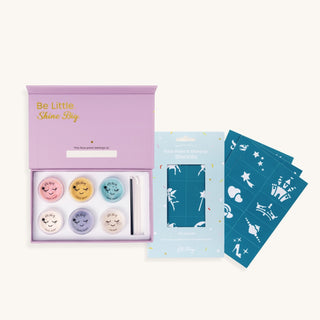
Looking for a clean beauty gift that’s safe, fun, and worry-free? This natural play makeup kit lets little ones explore color and creativity with non-toxic, skin-friendly formulas parents trust.
Each kit includes vibrant loose powder eyeshadows, soft blush, lipstick, and easy-to-use brushes—all housed in a premium magnetic box that’s perfect for gifting. The little pots are fully removable, so she can display them on her vanity, tuck them into a pretend purse, or take them along for imaginative play.
Natural Kids Play Makeup Kit
$34.99
$40.99
Looking for a clean beauty gift that’s safe, fun, and worry-free? This natural play makeup kit lets little ones explore color and creativity with non-toxic, skin-friendly formulas parents trust. Each kit includes vibrant loose powder eyeshadows, soft blush, lipstick, and… read more

How to use makeup more safely: patch test, hygiene, and removal
Even the best shopping choices can be undermined by rough application or poor hygiene. A few simple habits go a long way toward makeup safe for kids in real life.
Patch test (especially for new products)
Before first use, apply a small amount to the inner forearm or behind the ear, and wait to see if any irritation develops. If there’s redness, itching, or discomfort, don’t use it on the face. Patch testing is a simple step that supports your search for safe makeup for kids, particularly for eye and lip products.
Set a “no sharing” rule
Sharing eye products (mascara, eyeliner, eyeshadow applicators) increases the risk of spreading germs. If siblings or friends play together, consider individual mini kits or disposable applicators for anything used near the eyes and lips.
Keep tools minimal—and washable
- Fingers are okay for creams if hands are washed first.
- Use one or two basic brushes for powders only if your child enjoys them—then wash weekly with gentle soap and let fully dry.
- Avoid scratchy, shed-prone applicators that can irritate delicate skin.
Removal: gentle, complete, and no scrubbing
Makeup left on overnight is a common cause of dryness and bumps. Use a gentle cleanser or fragrance-free micellar water on cotton pads, then rinse or follow with a mild face wash. For stubborn shimmer, hold a damp pad over the area for a few seconds to loosen product rather than rubbing.
When to skip makeup play
- If skin is already irritated, sunburned, or peeling.
- During an active eye infection or if the eyes are watery/itchy.
- If a product’s smell or feel causes immediate discomfort—wash it off and discontinue.
Putting together a kids safe makeup kit (simple, not stuffed)
A kids safe makeup kit doesn’t need to be a giant suitcase. A small, curated set is easier to keep clean and makes it obvious when something is old, broken, or irritating. Here’s a realistic starter list that supports kids safe makeup play at home.
Core kit (5–7 items)
- Tinted lip balm (sheer, comfortable, easy removal)
- Cream blush stick (blendable with fingers)
- Soft shimmer or satin eyeshadow in a pressed or cream format (avoid chunky glitter)
- One gentle cleanser or micellar water for removal
- Soft cotton pads or a clean, dedicated washcloth
- Hand sanitizer or hand-washing reminder (use before application, not on the face)
- A small pouch that keeps everything together and reduces bathroom counter clutter
Optional add-ons for costumes and parties
- Water-based face paint intended for skin (use on clean skin, remove fully)
- Hair-safe temporary color made for hair (avoid products not intended for cosmetic use)
What to skip for most kids: mascara (harder to keep hygienic), strong liquid liners (stinging risk), long-wear stains (harder removal), and anything with loose glitter.
Shopping checklist: how to choose safe makeup for kids in 2 minutes
When you’re scanning options online or in-store, use this quick checklist to narrow down safe makeup for kids choices without overthinking it.
- Is there a full ingredient list? If not, skip.
- Is it clearly intended for cosmetic use? Avoid craft products or toy-like items without cosmetic labeling.
- Does it avoid obvious irritant triggers for your child? (Heavy fragrance, tingly “plumping” effects, chunky glitter.)
- Will it remove easily with gentle cleansing? If it advertises extreme wear, you’ll likely need harsher removal.
- Is the packaging hygienic? Twist-up sticks and small pans are easier to keep clean than big shared jars.
- Can you commit to a simple routine? Clean hands, no sharing, and full removal at the end.
Bottom line: safe makeup for kids is mostly about transparency + simple habits
Safe makeup for kids isn’t about finding a magical “perfect” product—it’s about choosing clearly labeled cosmetics with transparent ingredients, avoiding the most common irritants and risky sparkle formats, and keeping application and cleanup gentle and consistent. Read labels, skip anything with missing info, patch test new products when appropriate, and treat makeup like any personal-care item: keep it clean, don’t share, and remove it fully. With those basics in place, makeup play can stay creative, age-appropriate, and comfortably within your family’s boundaries for safe makeup for kids.
If you’re building or refreshing a kids safe makeup kit, aim for fewer, multipurpose items you’ll actually use—and retire anything that smells “off,” looks dried out, or starts causing irritation.
For a complete guide on non-toxic play makeup, check out our in-depth resource: The Ultimate Guide to Non-Toxic Play Makeup for Kids for expert tips, product recommendations, and everything you need to know about choosing safe beauty play products for your child.
About the Author: This article was written by the contributing writers at Popsicle Beauty Club—a team of moms, educators, and clean beauty advocates passionate about creating a safer, more imaginative world for kids. We believe in empowering parents with trusted information and offering fun, non-toxic beauty and personal care products that let children play, express, and explore—without compromising their health.