
Table of Contents
- Introduction
- 1) What “safe kids makeup” really means (and why kids are different)
- 2) How to read labels for safe kids makeup (the fast, parent-friendly method)
- 3) Ingredients and product types that deserve extra caution
- 4) Shopping checklist: how to choose safe makeup for kids without guesswork
- 5) Safer play routine: patch test, prep, application rules, and removal
- 6) Red flags and common marketing traps (what to skip)
- 7) Bottom line: a simple plan for safe kids makeup
- FAQs
Introduction
When kids ask for makeup, most parents aren’t trying to build a 10-step routine—they’re looking for play that feels special, looks cute in photos, and washes off without drama. That’s where safe kids makeup comes in. “Safe” isn’t a magic guarantee, but you can make smart choices by learning how to read labels, choosing simpler formats, and setting a few hygiene rules that prevent the most common problems (irritation, eye stinging, and messy sharing).
This guide is designed for beauty shoppers and parents who want practical, non-alarmist advice on safe kids makeup: what to look for on packaging, which ingredients and product types deserve extra caution, and how to make play makeup feel fun while keeping risk lower.
1) What “safe kids makeup” really means (and why kids are different)
Kids’ skin can be more reactive, and kids tend to use products differently than adults: heavier application, more rubbing, more sharing, and more chances for product to end up in eyes or mouths. So safe kids makeup is less about chasing a single “clean” label and more about choosing products and routines that:
- Minimize irritants (especially fragrance and harsh preservatives where possible).
- Reduce exposure (smaller areas, lighter wear time, fewer products).
- Prioritize easy removal (so you’re not scrubbing).
- Limit hygiene risks (cream pots shared by a group are a common issue).
It also means being realistic: any cosmetic can cause irritation for someone. That’s why label-checking and a patch test are so useful before makeup goes on a whole face. For a broader shopping comparison, our guide to makeup brands for kids explains what parents should check before choosing a first kit.
2) How to read labels for safe kids makeup (the fast, parent-friendly method)
For safe kids makeup, your best tool is the ingredient list. Here’s a quick way to scan packaging without getting overwhelmed:
- Find the ingredient list (INCI): On the outer box, the back label, an insert, or sometimes a sticker. If there’s no ingredient list anywhere, skip it.
- Check the product type: Powder, balm, cream, gloss, or “face paint” matters more than most marketing phrases.
- Look for eye-area intent: If a product is meant for eyelids, it should be clearly sold as eye makeup (not a general craft paint or “color palette” with vague usage).
- Scan for fragrance: Words like “fragrance,” “parfum,” or essential oils can be a common trigger for sensitive skin. Not everyone reacts, but if you’re trying to keep things gentler, fragrance-free is often simpler.
- Note staining dyes: Very vivid pigments can leave temporary stains on lips/cheeks, which often leads to extra scrubbing during removal.
- Check for an expiry/PAO: Look for an expiration date or the open-jar symbol (e.g., 6M, 12M). If it’s old, dried out, or smells “off,” toss it.
Reminder: Always check labels and patch test when appropriate. Patch testing won’t predict every reaction, but it can help you avoid obvious irritation before a big playdate or performance.
3) Ingredients and product types that deserve extra caution
Instead of a scary “never” list, think of this as a “pause and evaluate” list. With safe kids makeup, the goal is to reduce the chance of stinging, rashes, or prolonged cleanup.
Fragrance and essential oils
Fragrance can make products more fun, but it’s also a common source of irritation—especially around the nose, cheeks, and eyes. If your child has sensitive skin, eczema-prone skin, or you’ve had reactions before, fragrance-free is often the easiest choice.
Strong alcohols and “tingly” actives
Products that promise cooling, plumping, or tingling sensations can be uncomfortable for kids and may cause redness. For play makeup, you don’t need “performance” sensations—choose simple balms/glosses instead.
Loose powders and dusty formulas
Loose glitter and very dusty powders can get into eyes more easily. If your child loves sparkle, consider presseds or gels that keep particles more contained, and keep shimmer away from the immediate lash line.
Pot creams shared among kids
Jar or pot products can be fine for one child with clean hands, but they’re easier to contaminate when shared. If you’re building a kids safe makeup kit for parties or siblings, prioritize sticks, pencils, pumps, or single-use applicators.
Very long-wear or hard-to-remove formulas
Long-wear can mean more rubbing to remove. For kids, “easy on, easy off” is a safety feature—less friction, less irritation, fewer tears at bedtime.
4) Shopping checklist: how to choose safe makeup for kids without guesswork
If you’re shopping for safe makeup for kids, use this checklist to compare options quickly. You don’t need perfection—just a few strong “yes” signals.
- Full ingredient list available on packaging or the brand’s product page (and it matches the item you’re buying).
- Clear intended use (lip product labeled for lips; eye product labeled for eyes). Avoid anything that looks like it belongs in a craft aisle.
- Fragrance-free or low-fragrance if your child is sensitive. If it is fragranced, keep it away from eyes and broken skin.
- Simple formats: tinted balm, cream blush in a stick, sheer lip gloss, washable mascara designed for eyes (not “costume paint” near lashes).
- Easy removal: choose formulas that come off with a gentle cleanser rather than heavy scrubbing.
- Appropriate applicators: a built-in wand, a pencil you can sharpen, or a clean brush is generally easier to keep hygienic than finger-dip pots.
- Age-appropriate design: smaller pigment payoff and sheerer finishes can look cute while being more forgiving to apply and remove.
Parents often ask whether “natural” automatically means makeup safe for kids. Not necessarily. Botanical ingredients can still irritate, and “clean” claims vary widely. A clear ingredient list, sensible product type, and good hygiene practices matter more than buzzwords.
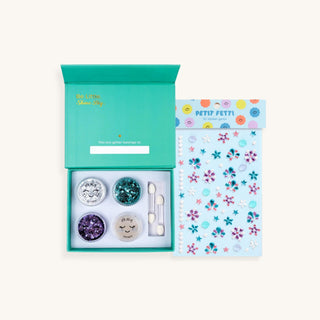
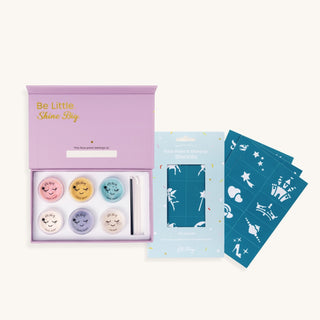
If you're comparing complete makeup sets for younger users, this kit is a good example of an all-in-one option that combines creative play, age-appropriate cosmetics, and convenient storage in a single package.
Natural Kids Play Makeup Kit

$19.99
Looking for a clean beauty gift that’s safe, fun, and worry-free? This natural play makeup kit lets little ones explore color and creativity with non-toxic, skin-friendly formulas parents trust. Each kit includes vibrant loose powder eyeshadows, soft blush, lipstick, and… read more
5) Safer play routine: patch test, prep, application rules, and removal
The routine is a huge part of safe kids makeup. Even a well-formulated product can cause issues if it’s used on chapped skin, applied with dirty tools, or left on overnight.
Patch test (quick and practical)
When trying a new item, do a small patch test when appropriate: apply a tiny amount to the inner arm and wait to see if irritation develops. If your child has a history of reactions, consider patch testing each new product type (especially anything for lips or eyes).
Prep: start with clean, dry skin
- Wash hands first (kids touch everything).
- Clean the face with a gentle cleanser; pat dry.
- If skin is very dry, use a simple moisturizer and let it absorb before makeup.
Application rules that actually work for kids
- Keep it off the waterline: Avoid applying product directly inside the eye.
- Set “no sharing” for lip products: Sharing gloss can share germs. If sharing is unavoidable, use disposable applicators and don’t double-dip.
- One product per area: A single balm for lips + a cheek tint is often plenty. More layers = harder removal.
- Time limit: Put a time on wear (for example, remove after the event or before dinner), especially for younger kids.
Removal: gentle beats thorough scrubbing
For safe kids makeup, removal is where irritation often happens. Use a gentle cleanser and lukewarm water. For stubborn lipstick or glitter, a small amount of a gentle cleansing balm or oil can help loosen pigment so you can wipe softly. Finish with a rinse and a simple moisturizer. Avoid aggressive rubbing around the eyes.
6) Red flags and common marketing traps (what to skip)
Not all “kids” makeup is created equal. These are practical reasons to pause or pass when looking for kids safe makeup:
- No ingredients listed anywhere (package, insert, or brand site).
- Vague usage like “color palette” with no indication of lip/eye/face safety.
- Craft or costume products being used as cosmetics. Items not intended as makeup can be more likely to sting or be hard to remove.
- Strong scent + eye-area use: fragrance near eyes is a common stinging complaint.
- Old, dried, or separated product: texture changes can make application tuggy and uncomfortable.
- Adult “mini me” kits with intense pigment or long-wear claims that increase the need for heavy-duty removal.
If a product causes persistent discomfort, redness, or swelling, stop using it and remove it gently. When in doubt, choose simpler products and limit wear time. This isn’t about panic—it’s about keeping play enjoyable.
7) Bottom line: a simple plan for safe kids makeup
Safe kids makeup is easiest when you focus on three things: (1) a real ingredient list you can check, (2) kid-friendly formats that are easy to remove, and (3) basic hygiene and boundaries (no sharing, clean hands, keep product out of the waterline). Choose a small edit of products—like a tinted balm, a washable cheek tint, and a gentle remover—then make patch testing and label-checking part of the routine.
If you’re building a kids safe makeup kit, prioritize simple, fragrance-minimal options with clear intended use and easy cleanup. That combination is what most parents mean when they search for safe kids makeup—and it’s what keeps the focus on fun, not irritation.
Curious about which harmful ingredients to avoid in your child's beauty products? Read The Truth About Harmful Beauty Ingredients for Kids to uncover the hidden toxins in mainstream makeup, skincare, and hair care—and discover safer alternatives.
About the Author: This article was written by the contributing writers at Popsicle Beauty Club—a team of moms, educators, and clean beauty advocates passionate about creating a safer, more imaginative world for kids. We believe in empowering parents with trusted information and offering fun, non-toxic beauty and personal care products that let children play, express, and explore—without compromising their health.