
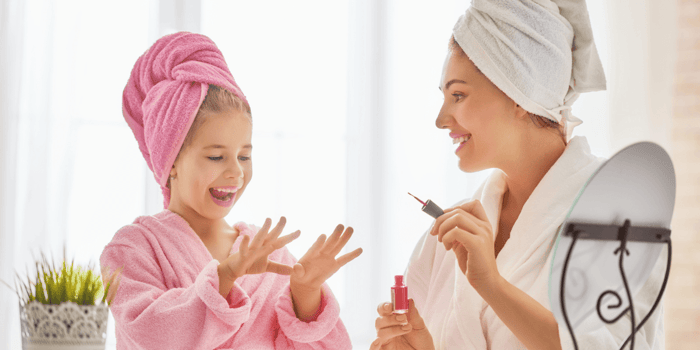
Table of Contents
- Introduction
- What “non-toxic” means (and doesn’t) for kids’ nail polish
- When can kids wear nail polish? Age and readiness over a magic number
- Label checks: how to shop smarter for nontoxic nail polish for kids
- Water-based peel-off vs traditional polish: which is best nail polish for kids?
- Safer-at-home routine: application, ventilation, dry time, and removal
- Troubleshooting: staining, chipping, and sensitivity
- Bottom line: a simple checklist for buying nontoxic nail polish for kids
- FAQs
Introduction
Kids love color, and nails feel like a low-stakes way to play with self-expression. But if you’re searching for nontoxic nail polish for kids, you’ve probably noticed that labels can be confusing: “non-toxic,” “natural,” “water-based,” “3-free,” “10-free,” “odor-free,” “peel-off,” and more. This guide is designed to help you shop calmly and confidently—without scare tactics—by focusing on practical label checks, age-and-readiness considerations, and simple habits that reduce mess and exposure.
One important note up front: “non-toxic” isn’t a regulated guarantee across all nail products, and different brands use the term differently. That’s why the best approach is to read the ingredient list, understand common claim language, and choose the formula that fits your child’s age, patience level, and your comfort with removal and wear time. And as with many personal care items, it’s smart to patch test when appropriate, especially if your child has sensitive skin.
What “non-toxic” means (and doesn’t) for kids’ nail polish
When people say nontoxic nail polish for kids, they usually mean a polish that’s formulated to avoid certain common ingredients, has a lower odor, and is intended for casual use with simpler removal. But “non-toxic” doesn’t automatically mean:
- Edible or safe to ingest (polish should never be treated like face paint or food).
- Allergy-proof (any cosmetic can trigger irritation or sensitization in some people).
- Chemical-free (everything is made of chemicals; what matters is which ones and at what levels).
A more useful way to shop is to look for: (1) the type of formula (water-based peel-off vs traditional solvent-based), (2) what the brand explicitly avoids (the “free-from” list), (3) clear directions for use and removal, and (4) packaging and usability that helps you apply a thin, controlled coat. Many of the same label-reading principles apply across children's beauty products, especially when comparing ingredient claims and marketing language.
When can kids wear nail polish? Age and readiness over a magic number
Parents often ask when can kids wear nail polish, and there isn’t a single universal age. Instead, consider readiness and the product type. A good rule of thumb: choose the simplest formula that matches your child’s habits.
Signs a child is ready
- They won’t put fingers in their mouth for the dry time (or you can paint toes instead).
- They can sit still long enough for a thin coat to set.
- They tolerate hand washing without immediately peeling or picking at the polish.
- They understand “nails only” (not for eyes, lips, or skin doodles).
For very young kids or avid thumb-suckers, many families prefer non toxic kids nail polish that’s water-based and peel-off, used mostly for special occasions and removed soon after. Older kids who want longer wear may do better with a traditional polish approach—still with careful label checks, ventilation, and adult help for removal.
Label checks: how to shop smarter for nontoxic nail polish for kids
If you’re trying to decide is nail polish safe for kids, the label is your best starting point. Here’s a practical way to compare products on a store shelf or online listing.
1) Look for a full ingredient list (not just marketing claims)
Ideally, the product page or packaging includes a complete ingredient list. If it doesn’t, that’s not automatically a dealbreaker, but it makes it harder to evaluate and compare.
2) Understand “free-from” language (and its limits)
Many polishes use “free” claims to indicate they exclude certain ingredients. You may see 3-free, 5-free, 7-free, 10-free, or more. The number isn’t a quality score by itself; it simply means the brand is choosing to exclude a list of ingredients they consider priorities. The exact excluded ingredients can vary by brand, so compare the actual list, not just the number.
Common “free-from” lists often reference ingredients like toluene, formaldehyde, and dibutyl phthalate (DBP). Some also mention formaldehyde resin, camphor, certain fragrance components, or other solvents. What matters is transparency: a brand that clearly states what it excludes and provides the full ingredients makes it easier for parents to make an informed decision about nontoxic nail polish for kids.
3) Check for added fragrance and strong odor cues
Some kids are bothered by scent, and strong odor can be a practical dealbreaker for at-home use. “Fragrance-free” and “unscented” aren’t always identical in cosmetics (unscented products may still contain masking fragrance), so rely on the ingredient list when possible. If you’re sensitive to smells, consider water-based options or plan to apply polish in a well-ventilated space.
4) Look for age guidance and clear directions
Brands sometimes specify an age range or recommend adult supervision. While these aren’t perfect safety guarantees, they can indicate the product is designed with kids in mind (brush size, peel-off behavior, removal instructions). Clear directions also reduce messy application, which is a practical part of “safer” use.
For families who enjoy occasional at-home manicures, choosing a nail polish designed specifically for younger users can make the experience more comfortable and parent-friendly.
20 FREE Unscented, Non-Toxic Nail Polish for Kids
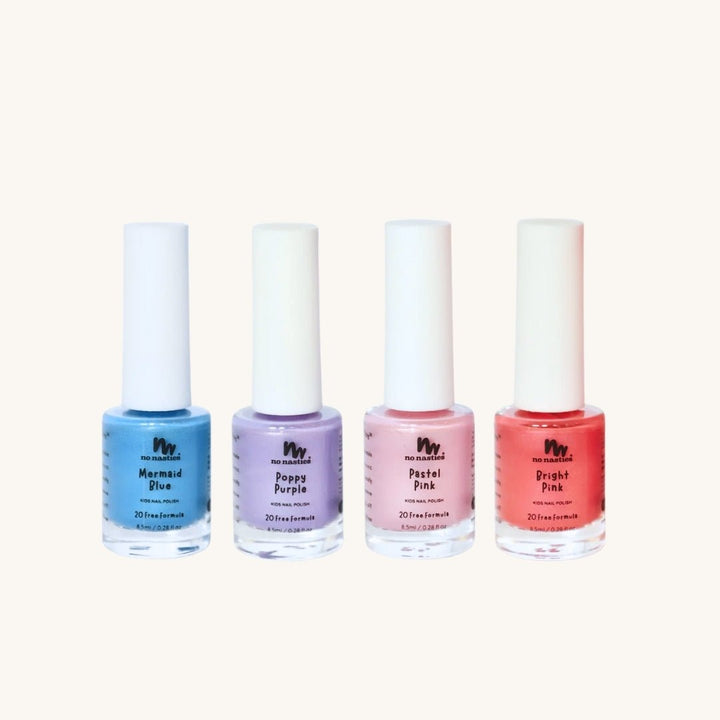
$9.99
Give your little one’s nails a safer mani/pedi with this 20 FREE Unscented Nail Polish—meaning it’s made without the 20 most common toxic ingredients found in conventional nail polish, including formaldehyde (a known carcinogen), toluene (linked to headaches and nervous… read more
Water-based peel-off vs traditional polish: which is best nail polish for kids?
Parents searching for best nail polish for kids often end up choosing between two broad categories. Neither is “perfect,” but each has strengths depending on your goals.
Water-based, peel-off polishes
- Pros: Typically lower odor; removal can be as simple as peeling or warm water/soap; great for short wear and quick color changes.
- Cons: Usually chips or peels faster; may not tolerate handwashing; kids may pick at it; can lift unevenly if applied too thick.
This category is often what people mean by non toxic nail polish for kids, especially for younger children, playdates, and parties.
Traditional solvent-based polishes (often “free-from”)
- Pros: Longer wear; smoother finish; bigger shade range; can work well with a base/top coat routine.
- Cons: Stronger odor; usually needs remover; more important to use ventilation and avoid skin contact; removal can be drying if done frequently.
If your child is older and wants manicure-like wear, a traditional polish with a clear “free-from” list can still fit into a nontoxic nail polish for kids shopping plan—especially if you prioritize good ventilation, thin coats, and infrequent use.
Safer-at-home routine: application, ventilation, dry time, and removal
Even with nontoxic nail polish for kids, how you use the product matters. These steps keep things tidy and reduce unnecessary skin contact.
Before you paint
- Choose toes for younger kids (less hand-to-mouth risk; fewer smudges).
- Trim and file so edges are smooth (helps reduce peeling and picking).
- Wash and fully dry hands/feet (polish adheres better to clean, dry nails).
- Skip cuticle cutting; if needed, gently push back after bathing. Avoid painting onto cuticle skin.
- Ventilate: open a window or use a fan; avoid painting in small bathrooms.
During application
- Use thin coats. One thin coat is often better than a thick coat that never fully sets.
- Keep polish on the nail plate, not surrounding skin. If you get polish on skin, wipe it off while wet (a damp cotton swab helps).
- Build in dry time: a quiet activity (storytime, show, audiobook) helps.
- Adult handles the bottle for young kids to prevent spills and overloading the brush.
Removal tips
Removal is where routines diverge:
- Peel-off: After a warm bath, gently lift an edge and peel slowly. If it’s stubborn, soak briefly in warm water and try again rather than scraping.
- Traditional polish: Use remover with ventilation, and try to minimize skin contact. Press the remover-soaked cotton on the nail for a few seconds before wiping—this can reduce rubbing. Wash hands after removal and consider a simple moisturizer on hands (not necessarily on the nail plate right before repainting).
If you plan frequent polish changes, peel-off formulas can be the more practical “low-fuss” choice for nontoxic nail polish for kids.
Troubleshooting: staining, chipping, and sensitivity
Staining (especially with bright reds/pinks)
Some pigments can tint the nail plate, particularly with frequent wear. If staining bothers you, consider using a base coat (if compatible with the polish type) or choosing lighter shades for everyday wear. Staining is often cosmetic and temporary, but it’s a useful reason to keep wear occasional.
Chipping and peeling
- Prep matters: clean, dry nails and thin coats.
- Skip lotion right before painting (it can reduce adhesion).
- Cap the edge by lightly brushing along the nail tip if your child’s nails have a free edge.
Redness, itching, or discomfort
If you notice irritation around the nail or on fingers, stop using the product and remove it. Cosmetics can cause sensitivity for some people, even when marketed as non toxic nail polish for kids. Consider patch testing a new product when appropriate: apply a small amount to one nail (or follow the brand’s patch test guidance if provided), wait, and monitor for irritation before doing a full set. If symptoms persist or are severe, seek guidance from a qualified clinician.
Bottom line: a simple checklist for buying nontoxic nail polish for kids
If your goal is nontoxic nail polish for kids that fits real family life, aim for transparency, simplicity, and a routine your child can handle. Use this quick shopping checklist:
- Ingredient transparency: full ingredient list available and easy to find.
- Clear “free-from” list: specific exclusions stated (not just “clean” or “natural”).
- Formula match: water-based peel-off for short wear/easy removal; traditional “free-from” for longer wear with careful removal.
- Low-mess usability: decent brush control, not overly runny, solid cap.
- Use plan: ventilated space, thin coats, toes for younger kids, hands washed after removal.
- Common-sense precautions: avoid mouth contact while wet, keep bottles out of reach, and patch test when appropriate.
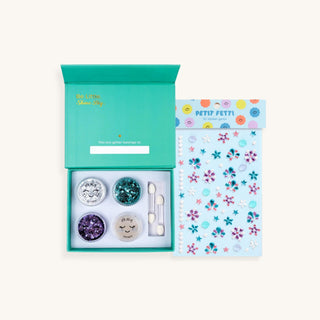
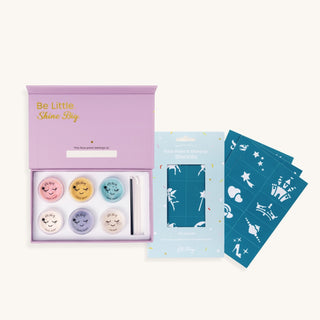
With the right label checks and a calmer routine, nontoxic nail polish for kids can be a fun, occasional add-on—more about play and personal style than perfection. For children who enjoy beauty-themed activities, supervised makeup games and dress-up routines can be another age-appropriate way to explore creativity.
Want to explore more about safe nail polish and toxin-free manicures for kids? Check out Safe & Non-Toxic Nail Care for Kids to learn about the best brands, safe removal methods, and fun, non-toxic nail art ideas.

About the Author: This article was written by the contributing writers at Popsicle Beauty Club—a team of moms, educators, and clean beauty advocates passionate about creating a safer, more imaginative world for kids. We believe in empowering parents with trusted information and offering fun, non-toxic beauty and personal care products that let children play, express, and explore—without compromising their health.