

Table of Contents
Choosing non toxic nail polish for kids should make a little color play easier to enjoy. A useful choice fits the child, comes with clear ingredients and directions, and can be removed without a struggle. A reassuring label is only one part of that decision.
This guide covers polish types, practical product options, gentle nail care, and simple nail art. Nail color is optional: let children enjoy choosing a shade or a design without suggesting their natural nails need improving.
What “non toxic” and “20-free” tell you
Free-from claims identify ingredients a brand says it excludes. They can help you compare products, but a higher number is not a standardized safety score. Different brands may count different substances, and an omitted ingredient does not tell you everything about the finished formula.
A primary study of nail-polish labels and ingredients found inconsistent definitions across free-from labels. It also found that a larger exclusion count did not necessarily correspond to reduced toxicity. The study did not establish a safety ranking for the products featured here.
When shopping for non toxic nail polish for kids, read the actual ingredient list, age guidance, warnings, and removal instructions. If a child has a known allergy, check the exact shade as well as the brand.
Water-based, peel-off, and longer-wear formulas
Water-based describes part of a formula; peel-off describes a removal method. They are related in some products, but they are not interchangeable terms. Some water-based polishes need a specific removal routine, while a polish advertised as plant-based may still contain solvents.
No formula type guarantees that a child will have no reaction. Scent, pigments, film-forming ingredients, preservatives, and the way a product is used all matter. The FDA’s nail-product guidance emphasizes following directions and warnings. An unpleasant reaction is a reason to stop, not something to tolerate for a longer-lasting manicure.
Our practical polish and nail-art picks
These options serve different purposes. Choose the smallest selection your child will enjoy, and check the current product page for shades and availability.
| Product | What it offers | Choosing it thoughtfully |
|---|---|---|
| No Nasties polish in Mermaid Blue, Poppy Purple, Bubblegum Pink, and Barbie Pink. | An unscented option for color play. Follow the current label’s removal method rather than pulling at resistant polish. |
| No Nasties polish in Blueberry Muffin, Gummy Grape, Cherry Berry, and Strawberry Cupcake. | A scented alternative for children who enjoy that feature. Avoid a scent your child is sensitive to. |
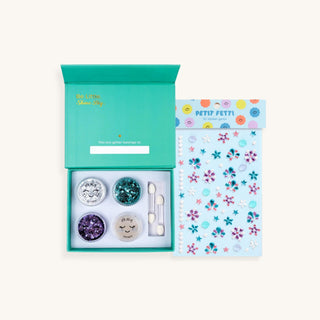
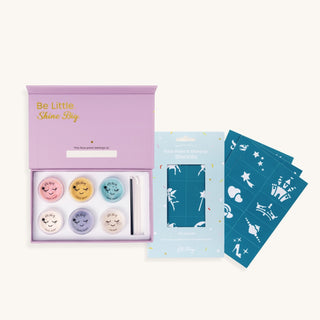
| No Nasties peel-and-stick designs in Birthday, Ice Cream, Mermaid, and Princess themes. | A simple design option. Follow the packaging’s application, age, and removal guidance. |
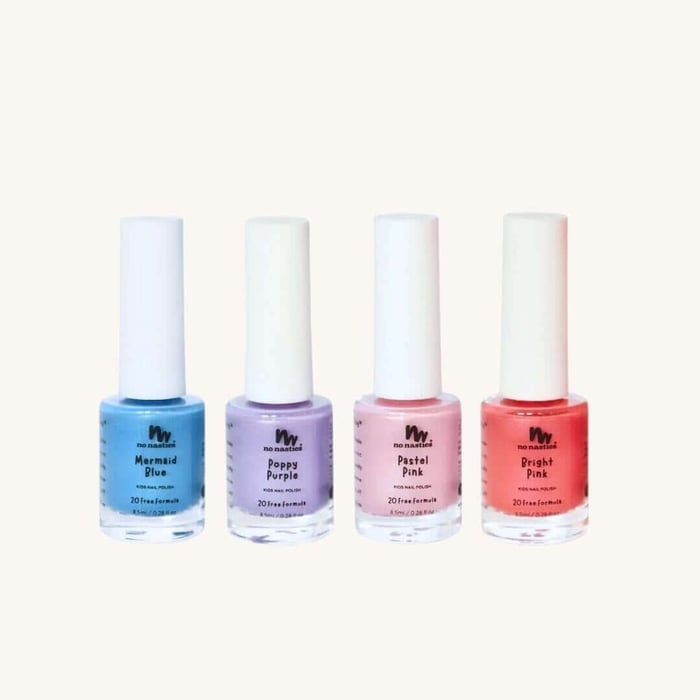
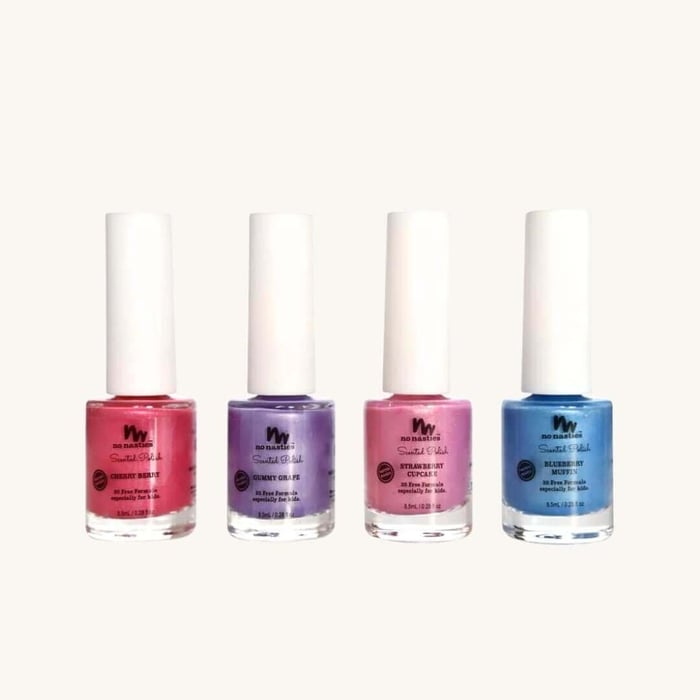
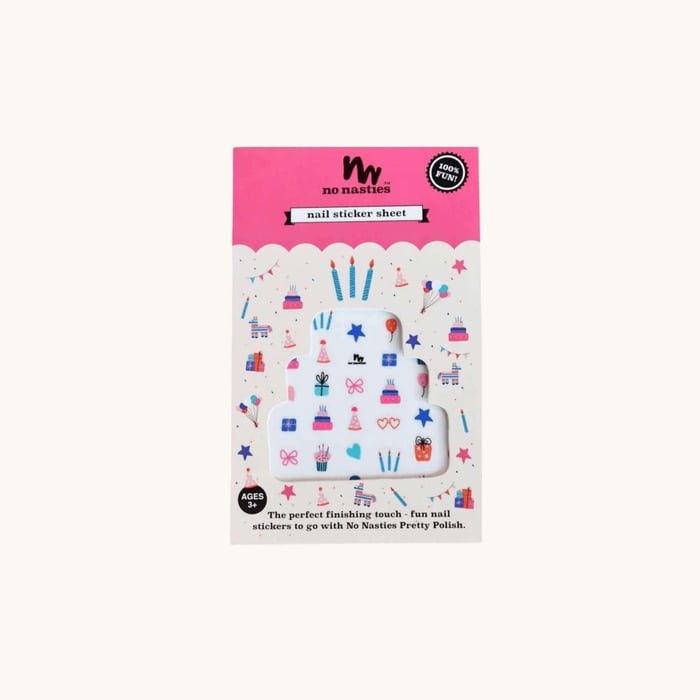
No Nasties describes its polish range as water-based and designed for easy removal. Its manufacturer guidance also says not to eat the product. Cosmetic use on nails is different from suitability for swallowing, even when the marketing emphasizes gentle or natural ingredients.
Choose for your child, not just an age bracket
There is no single starting age that makes every nail product suitable. Read the directions for the exact item and supervise use. Consider whether your child can sit comfortably, wait for polish to dry, and avoid putting freshly decorated fingers in their mouth.
If a child frequently bites nails or mouths small objects, leaving nails undecorated may be the more practical choice for now. For older children, start with one or two colors and a short activity rather than complicated layers or unfamiliar products.
Check the nail and surrounding skin before painting. Pause if skin is broken, sore, or inflamed. Ask a clinician about persistent nail changes or suspected infection rather than covering them with another coat.
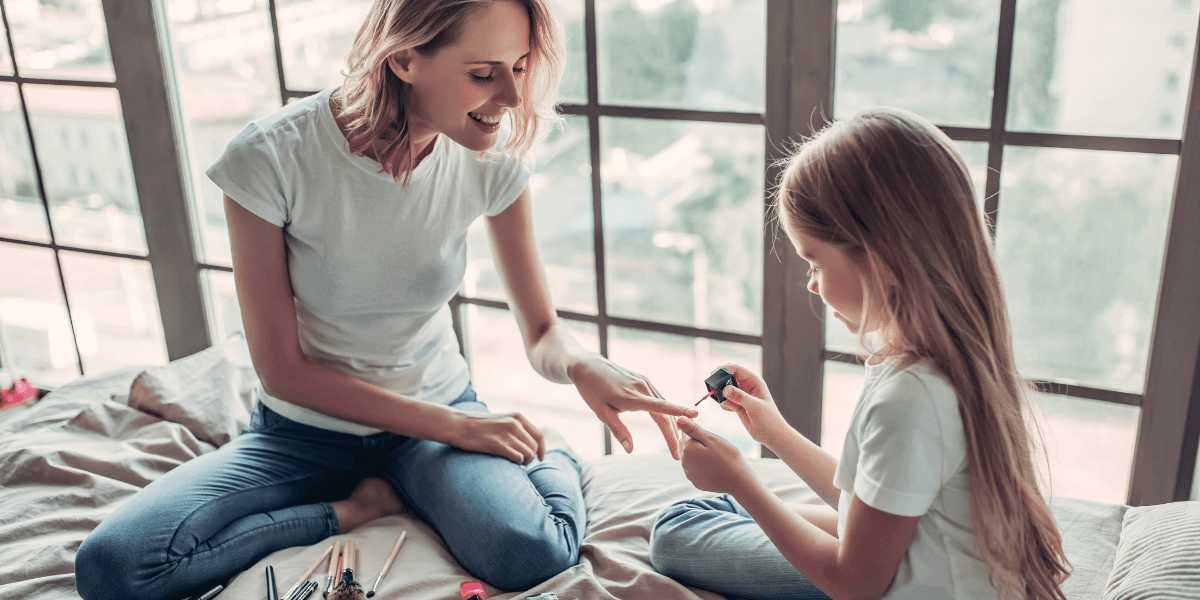
A simple manicure routine
- Choose the polish and read its application and removal directions together.
- Wash and dry hands, and protect the work surface.
- Have an adult help with trimming or smoothing nails when needed.
- Apply the amount recommended on the label, keeping polish off surrounding skin.
- Allow the stated drying time before touching clothing, food, or toys.
- Close the bottle and store polish, remover, and small accessories out of younger children’s reach.
For everyday nail care, clippers or nail scissors are appropriate tools; a file can smooth rough edges. The AAD’s guidance for children recommends leaving cuticles alone and moisturizing nails. There is no need to cut or push back cuticles for a child’s manicure.
Keep the activity optional and comfortable. If your child loses interest after two nails, there is no need to finish the set. Easy cleanup and a relaxed pace matter more than a perfect result.
Remove polish using its own instructions
Removal methods differ. Follow the manufacturer’s directions for a peel-off or scratch-off product, and stop if removal hurts or requires force. Do not scrape the nail surface with a tool or repeatedly pick at a coating that will not release.
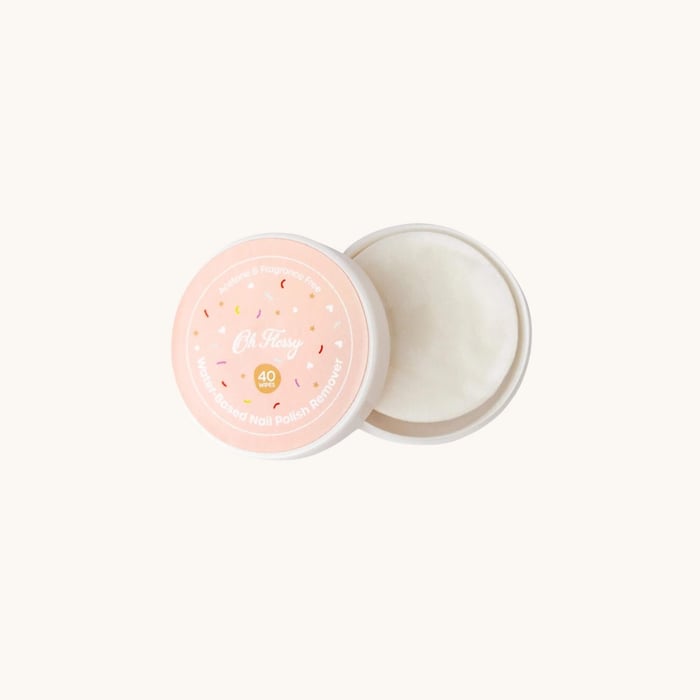
If the polish calls for remover, check compatibility and the remover’s directions. Water-Based, Acetone Free Nail Polish Remover Wipes by Oh Flossy are supplied in a pack of 40. They are an option to consider where a remover is needed; acetone-free does not mean solvent-free or a guarantee against irritation.
Avoid improvised removal with lemon juice, vinegar, or household cleaners. The AAD warns that citrus juice on skin followed by sunlight can cause a painful reaction. A kitchen ingredient is not a tested substitute for a product’s removal directions.
For a closer look at choosing a method, read our Kids Nail Polish Remover Comparison: What Parents Should Know. After removal, wash or rinse as the product directs and moisturize surrounding skin if needed.
Easy nail art without a complicated kit
A few simple designs can turn one or two shades into an activity:
- Alternating colors: choose a different shade for each nail.
- One accent nail: add a single sticker to one nail and leave the rest plain.
- Small dots: an adult can use a soft, fine brush designed for nail art.
- A color story: pick shades inspired by a favorite outfit, character, or celebration.
Use each accessory as directed. A sticker’s design or child-focused packaging does not establish that it is biodegradable, plastic-free, or suitable for every sensitivity. Check material claims with the supplier if those qualities affect your choice.
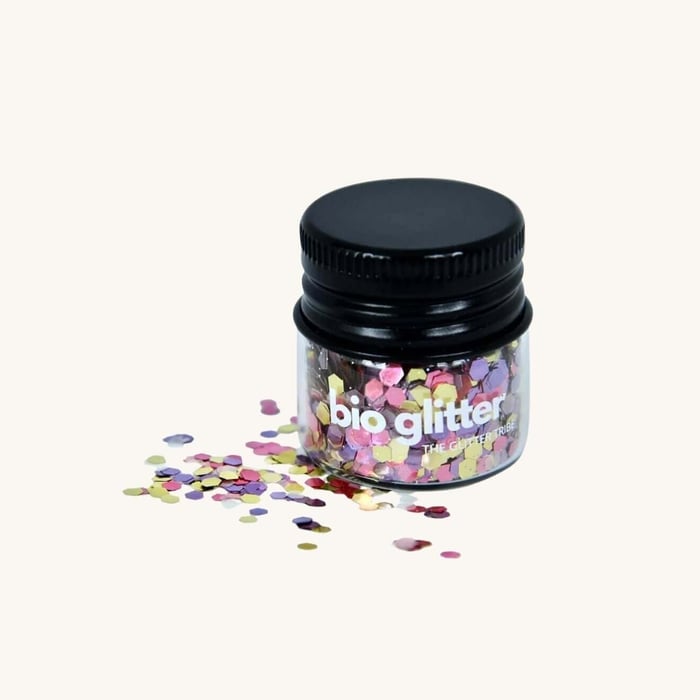
For a sparkle option, Certified Biodegradable Bio-glitter® by The Glitter Tribe comes in a 10g jar. Follow the specific product’s directions and age guidance. A biodegradability claim concerns environmental behavior under particular conditions; it does not establish eye-area suitability or make loose glitter appropriate for swallowing.
Cosmetics generally do not receive FDA approval before sale, while color additives have specific approval and permitted-use requirements. The FDA’s color-additive guide explains the distinction. Treat claims about certification and intended use precisely rather than assuming one covers every application.
Additional guidance: AAD’s emergency warning signs.
FAQs
What is the best non toxic nail polish for kids?
The best fit depends on your child's sensitivities, the label's age guidance, and the removal method you can manage. A clear ingredient list and usable directions are more informative than a universal safest-brand claim.
Does 20-free mean safer than 10-free?
Not automatically. Compare the actual exclusions and complete formulas. Brands can define these numbers differently, and more exclusions do not establish a tested safety advantage.
Can water-based polish always be removed with water?
No. Follow the exact product's instructions. Water-based describes the formula, not a universal removal method. Avoid forceful peeling or scraping when a coating does not release easily.
Are scented polishes suitable for sensitive children?
That depends on the child and formula. If fragrance has caused problems before, skip scented options and seek advice for known allergies. An unscented label alone cannot guarantee tolerance of every ingredient.
What if a nail product causes a reaction?
Stop using it and follow its removal or rinsing directions. Seek medical advice for persistent redness, swelling, pain, or nail changes. Trouble breathing or swallowing, or swelling of the eyes or lips, requires immediate emergency help; call 911 in the United States. See the AAD's emergency warning signs.