
Table of Contents
- Introduction
- What makes gel different (and why it matters for kids)
- Age and maturity: a practical guideline for parents
- UV/LED lamps: how to think about exposure without being alarmist
- Ingredient and label checks: what to look for (and what marketing doesn’t guarantee)
- Patch testing and skin-safety habits (especially important with gels)
- A kid-considerate gel routine: prep, wear time, and removal
- Safer alternatives for younger kids (and low-commitment nail fun)
- Bottom line: so, is gel polish safe for kids?
- FAQs
Introduction
Parents ask is gel polish safe for kids because gel manicures aren’t just “regular nail polish that lasts longer.” Gel systems usually involve reactive ingredients that harden (cure) under a UV/LED lamp, plus removal methods that can stress thin, developing nails if they’re done too often or too aggressively. The good news: you don’t need to panic or ban nail fun altogether. You do need a clearer plan for age appropriateness, lamp exposure, label checks, and removal so kids can enjoy nails without unnecessary hassle.
This guide breaks down what to consider when you’re deciding is gel polish safe for kids, how to shop more confidently, and how to use gel more gently if you choose it.
What makes gel different (and why it matters for kids)
When people say “gel,” they may mean a few different things:
- True UV/LED-cured gel polish: requires a lamp to cure each coat.
- “Gel-like” regular polish: air-dries like normal polish (no lamp) but markets itself for shine/wear.
- Gel extensions/overlays: builder gel, hard gel, or gel tips—more intensive services typically done in salons.
The biggest differences for kids are:
- Curing step: UV/LED lamps add a variable parents don’t have with regular polish.
- Removal step: soaking in acetone and/or filing is common for gel, and both can be rough on thin nails and sensitive skin if rushed.
- Skin contact risk: gel ingredients are meant to cure on the nail plate, not sit on surrounding skin. Messy application can mean more skin exposure.
So when you’re weighing is gel polish safe for kids, the question is less about “gel is always bad” and more about whether the child’s nails, habits, and your routine can support careful application and careful removal.
Age and maturity: a practical guideline for parents
There’s no universal “magic age” that applies to every child, because safety depends heavily on behavior and supervision. Instead of focusing only on a number, assess readiness:
Gel is usually a better fit when a child can:
- Sit still for application and curing without touching wet gel.
- Avoid biting/picking at nails (picking can lift gel and tempt peeling, which can thin the nail surface).
- Keep product off skin or tolerate careful cleanup around the cuticle.
- Accept gentle removal rather than ripping it off when it starts lifting.
For many families, that readiness shows up later than the first time a child asks for a manicure. If the child is very young, wiggly, or prone to nail-biting, you’ll often get a better experience (and happier nails) with peel-off or standard polish instead. If you're shopping for younger children, our guide to toddler safe nail polish explains age readiness, supervision, and simpler alternatives to gel systems. If you’re still wondering is gel polish safe for kids, consider starting with “gel-like” air-dry formulas or a special-occasion gel manicure done less frequently.
UV/LED lamps: how to think about exposure without being alarmist
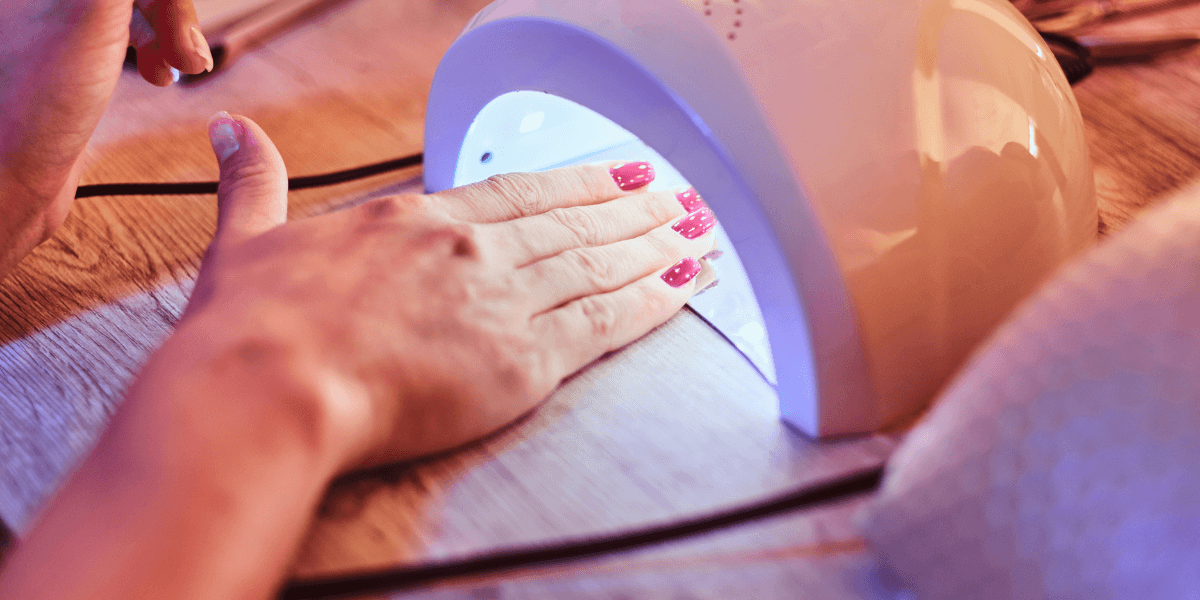
One of the most common reasons people ask is gel polish safe for kids is the curing lamp. UV and LED lamps used for gel are designed to cure nail coatings quickly, and they shine directly on the hands. Parents often want to minimize any avoidable exposure, especially for kids.
If you choose gel, you can reduce exposure with practical steps:
- Limit frequency: gel “once in a while” is a different scenario than a year-round schedule.
- Keep curing times to what the system requires: don’t “double cure” out of caution—follow the polish system’s instructions.
- Use protective measures if desired: some families use fingerless UV-protective gloves or apply broad-spectrum sunscreen to hands (avoiding the nail plate) before curing. If you use sunscreen, let it dry fully so it doesn’t interfere with adhesion.
- Avoid curing on skin: wipe away any gel that touches skin before curing, since curing is meant for the nail plate.
Also note that “LED lamp” doesn’t automatically mean “no UV.” Many LED nail lamps emit wavelengths that still cure gel through UV-related light. That doesn’t mean you can’t use them; it means label checks and smart habits matter when deciding is gel polish safe for kids.
Ingredient and label checks: what to look for (and what marketing doesn’t guarantee)
If you’re shopping and asking is gel polish safe for kids, start by reading the product listing and packaging like a checklist, not like a promise. Marketing terms can be vague, so focus on clear disclosures and instructions.
Look for:
- Full ingredient list (not just “free-from” claims). If the ingredients aren’t available, consider that a red flag for a kids-adjacent purchase.
- Clear curing instructions: required lamp type, cure time, and step order (base/color/top). Mismatched lamps and polishes can lead to under-curing.
- Removal directions: ideally, the brand explains whether it’s soak-off, requires filing, or uses wraps—so you can judge how kid-friendly it is.
- Warnings about skin contact: good instructions typically emphasize avoiding the cuticle and skin and cleaning up before curing.
- Customer support/brand transparency: accessible FAQs and safety guidance are a plus.
About “free-from” labels
Terms like “3-free,” “5-free,” “10-free,” or “clean” can be helpful for narrowing options, but they don’t automatically make a gel polish kid-safe. Gel formulas often rely on reactive ingredients to cure; different brands will use different chemistries. Your best move is to check labels, avoid products with missing ingredient info, and choose systems that emphasize careful use.
Because families also search is nail polish safe for kids and nail polish safe for kids more broadly, it’s worth noting: regular nail polish (air-dry) typically avoids the lamp step, but still benefits from ingredient transparency, ventilation, and supervised use—especially for very young kids.
Patch testing and skin-safety habits (especially important with gels)
Any time you introduce a new cosmetic product, it’s smart to be cautious. For gel products in particular, many parents build in two habits: patch test when appropriate and minimize skin contact.
- Patch testing: If your child has sensitive skin or you’re switching brands, consider a small patch test on a limited area before doing a full manicure. Follow the product’s guidance and stop if irritation occurs.
- Keep gel off the cuticle and sidewalls: Use thin coats and leave a tiny margin around the skin so the gel sits on nail, not skin.
- Clean up before curing: If gel floods the cuticle, wipe it away before the hand goes into the lamp.
- Ventilation: Open a window or use a fan during application and removal. Strong odors aren’t a “danger meter,” but fresh air is a simple best practice.
These steps don’t need to be intense to be effective. They’re part of what makes the answer to is gel polish safe for kids more conditional and routine-based than a simple yes/no.
A kid-considerate gel routine: prep, wear time, and removal
If you decide gel is right for a teen or an older child who can follow directions, the routine matters as much as the product. The goal is strong wear without aggressive prep and without peeling.
Prep (gentle and minimal)
- Start with clean, dry nails. Wash and dry hands thoroughly.
- Skip heavy buffing. Over-buffing thins the nail and can make nails feel weak over time.
- Lightly push back cuticles if needed (no cutting), and remove surface oils as the system recommends.
Application tips that help prevent lifting (and picking)
- Thin coats cure more reliably than thick coats.
- Cap the free edge (a small swipe along the tip) to reduce chipping.
- Choose shorter wear windows for kids: If nails grow fast or a child picks, planning for a shorter, special-occasion wear time can reduce the temptation to peel.
Removal (the step that most often goes wrong)
- Do not peel or pop off gel. That’s a common cause of surface nail damage.
- File only what you must. If you need to break the topcoat seal, use a light hand and stop as soon as the shine is gone.
- Soak-off carefully if it’s a soak-off gel: use acetone with cotton and wraps per instructions, check progress, and avoid extended soaking “just because.”
- Rehydrate after: wash hands, then apply cuticle oil or a simple fragrance-free hand cream.
In many families, the removal step is the deciding factor in is gel polish safe for kids. If you know removal will be rushed, fought, or picked at, regular polish or peel-off options are typically a better match.
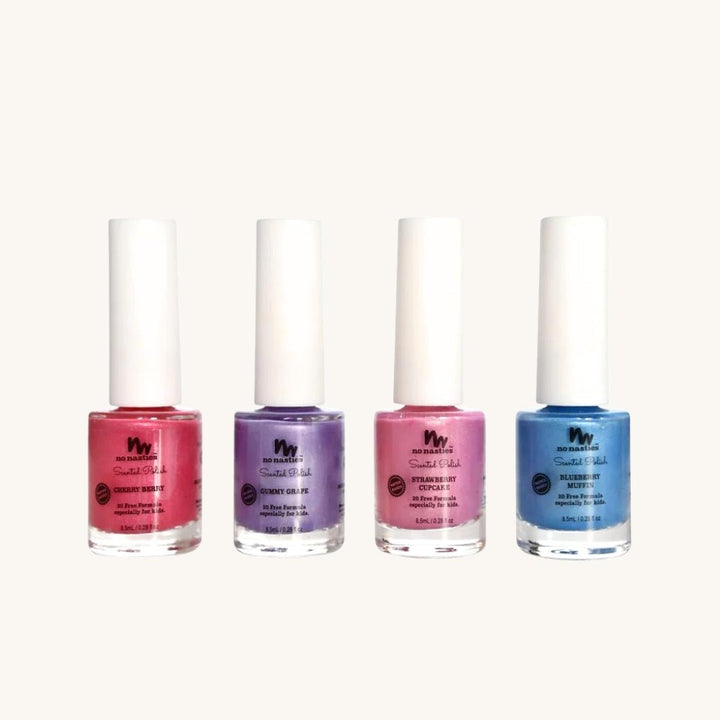
For families that would prefer a peel-off nail polish option, that is still natural, we highly recommend this product by No Nasties. It’s easy to apply and just as easy to wash off—no nail polish remover needed.
20 FREE Naturally Scented, Peel-Off Nail Polish
$8.99
Give your little one’s nails a safer, sweeter mani/pedi with this 20 FREE Scented Nail Polish—meaning it’s made without the 20 most common toxic ingredients found in conventional nail polish, including formaldehyde (a known carcinogen), toluene (linked to headaches and… read more
Safer alternatives for younger kids (and low-commitment nail fun)
If your main goal is colorful nails with minimal fuss, you have options that many parents consider more kid-friendly than true gel:
- Water-based or peel-off kids polish: Often designed for easier removal (peeling or washing off). These can be great for play dates, weekends, and costume looks.
- Traditional air-dry polish: No lamp required. Pair with a gentle base coat and quick-dry topcoat to reduce smudging time.
- Nail stickers/decals: Minimal chemical exposure and easy change-outs; great for kids who want designs.
If you’re shopping for safe nail polish for kids, prioritize transparency (full ingredients), clear age guidance if provided, and simple removal. And if your child is also exploring kids safe makeup, the same principles apply: patch test when appropriate, avoid unknown marketplace items with missing ingredient lists, and choose products that match the child’s ability to use them cleanly.
Bottom line: so, is gel polish safe for kids?
Is gel polish safe for kids depends on age, maturity, frequency, and how carefully the gel is applied and removed. For older kids/teens who can sit still, avoid skin contact, and commit to proper soak-off removal (no peeling), gel can be a reasonable occasional option with smart lamp habits and thorough label checks. For younger kids or habitual pickers/biters, gel is often more trouble than it’s worth—regular polish, peel-off formulas, or nail stickers usually deliver the fun with fewer points of failure.
If you’re deciding today, use this quick checklist:
- Label check? Full ingredients + clear curing/removal instructions.
- Behavior check? Can they avoid touching wet gel and resist peeling later?
- Routine check? You can supervise curing and do patient removal.
- Frequency check? Keep gel as an occasional treat, not a constant cycle.
- Patch test? Consider it when appropriate, especially with sensitive skin.
With those guardrails, you can answer is gel polish safe for kids in a way that’s practical, not perfectionistic—and keep nail time fun, not stressful.
Want to explore more about safe nail polish and toxin-free manicures for kids? Check out Safe & Non-Toxic Nail Care for Kids to learn about the best brands, safe removal methods, and fun, non-toxic nail art ideas.

About the Author: This article was written by the contributing writers at Popsicle Beauty Club—a team of moms, educators, and clean beauty advocates passionate about creating a safer, more imaginative world for kids. We believe in empowering parents with trusted information and offering fun, non-toxic beauty and personal care products that let children play, express, and explore—without compromising their health.