
Table of Contents
- Introduction
- 1) What “non toxic” really means in kids’ makeup (and what it doesn’t)
- 2) Shopping criteria for the best non toxic makeup for kids
- 3) Ingredients and materials many parents avoid in non toxic kids makeup
- 4) Where kids’ makeup should (and shouldn’t) go: eyes, lips, and face
- 5) A simple “starter kit” approach (instead of an overwhelming set)
- 6) Patch test, hygiene, and removal: the safety basics that matter most
- 7) Bottom line: choosing the best non toxic makeup for kids
- FAQs
Introduction
Searching for the best non toxic makeup for kids can feel surprisingly complicated: “non toxic” isn’t a regulated label, ingredient lists can be long, and kids’ skin (and habits) are different from adults’. The good news is you can still shop confidently by focusing on simple formulas, clear labeling, responsible use, and good hygiene—without turning a fun play activity into a stressful research project.
This guide is designed for parents and beauty shoppers who want non toxic makeup for kids in a practical sense: products that are made for children, used occasionally, and chosen with a reasonable ingredient screen. You’ll also find realistic advice on how to use kids’ makeup in a way that keeps mess and irritation low (because safety is about how you use it, not just what you buy).
1) What “non toxic” really means in kids’ makeup (and what it doesn’t)
In beauty, “non toxic” is often shorthand for “made without certain ingredients some people prefer to avoid.” It’s not a standardized certification across all products, and it doesn’t automatically guarantee a product will be irritation-free for every child. For a deeper look at how to evaluate “non-toxic” claims, read our guide to nontoxic kids makeup. That’s why the best non toxic makeup for kids shopping strategy is to combine:
- Age-appropriate products (explicitly made for kids, not mini adult makeup)
- Transparent labeling (clear ingredient list, basic directions, and contact info)
- Good usage habits (patch testing, clean tools, and gentle removal)
Also note the difference between “non toxic” and “hypoallergenic.” A product can be marketed as gentle and still contain ingredients a specific child reacts to. Conversely, a simple formula with minimal fragrance may work great even without any special marketing terms.
2) Shopping criteria for the best non toxic makeup for kids
If you want kids non toxic makeup that’s easy to live with, prioritize these criteria when comparing products online or in-store:
Choose products designed for kids’ play (not adult wear)
Kids’ makeup should be easy to apply, easy to remove, and used for short periods. Look for language that indicates it’s intended for children (and the brand provides basic safety instructions). Avoid “grown-up” long-wear or waterproof claims for kids—those can require harsher removal and more rubbing.
Prefer shorter ingredient lists and clear INCI labeling
When trying to find the best non toxic makeup for kids, fewer ingredients can mean fewer potential triggers to troubleshoot if something doesn’t agree with your child’s skin. Look for an ingredient list that’s readable and complete (not “proprietary blend” or vague descriptors).
Avoid loose powders and highly pigmented products for younger kids
Loose powder increases the chance of inhalation and gets everywhere. Super pigmented products can stain skin and clothing and may encourage scrubbing to remove. For many families, creams, balms, and pressed powders feel more manageable.
Look for sensible packaging and tool design
- Wide pans and sturdy hinges reduce breakage.
- Twist-up balms are less messy than pots (and more hygienic for sharing).
- Brushes with shorter handles can be easier for little hands, but still should be washable.
Choose a “kit” only if every item is usable
A big kids makeup kit non toxic can look like a great deal, but if it includes lots of duplicates, crumbly shadows, or glitter you don’t want in your house, it’s not a win. Many parents do better buying a small set or building a mini kit with 3–5 pieces their child will actually use.
If you're in the market for a clean, all-natural makeup option for your loved one, we highly recommend this product by Oh Flossy. This natural play makeup kit lets little ones explore color and creativity with non-toxic, skin-friendly formulas parents trust.
Each kit includes vibrant loose powder eyeshadows, soft blush, lipstick, and easy-to-use brushes—all housed in a premium magnetic box that’s perfect for gifting. The little pots are fully removable, so she can display them on her vanity, tuck them into a pretend purse, or take them along for imaginative play.
Natural Kids Play Makeup Kit
$34.99
$40.99
Looking for a clean beauty gift that’s safe, fun, and worry-free? This natural play makeup kit lets little ones explore color and creativity with non-toxic, skin-friendly formulas parents trust. Each kit includes vibrant loose powder eyeshadows, soft blush, lipstick, and… read more

3) Ingredients and materials many parents avoid in non toxic kids makeup
Because every family has a different comfort level, it helps to think in terms of “ingredients I prefer to avoid” rather than “ingredients that are universally bad.” Below are common categories parents often screen out when shopping for non toxic kids makeup—especially for younger children or sensitive skin.
- Added fragrance: “Fragrance,” “parfum,” and some essential oils can be common triggers for irritation. If your child is sensitive, fragrance-free is often the easiest rule.
- Heavy glitter and loose sparkle: Glitter can migrate into eyes and is notoriously hard to clean up. If you want shimmer, look for pressed, low-shed formulas and supervise use.
- Strong stains and long-wear dyes: Very bright tints can linger and encourage scrubbing at removal time.
- Harsh alcohols in face products: Some alcohols can be drying, especially on kids’ cheeks and lips. (Not all alcohols behave the same, so check the full formula context.)
- Unnecessary actives: Kids don’t need exfoliating acids, retinoids, or “anti-aging” ingredients in play makeup.
Important: The best non toxic makeup for kids still requires you to check labels. Product formulas can change, and different shades sometimes have slightly different ingredients.
4) Where kids’ makeup should (and shouldn’t) go: eyes, lips, and face
One of the most useful ways to make non toxic makeup for kids safer is to set simple placement rules. Consider these common-sense guidelines:
- Face/cheeks: Generally the easiest area for play makeup. Look for gentle blushes, face paints, or balms intended for skin.
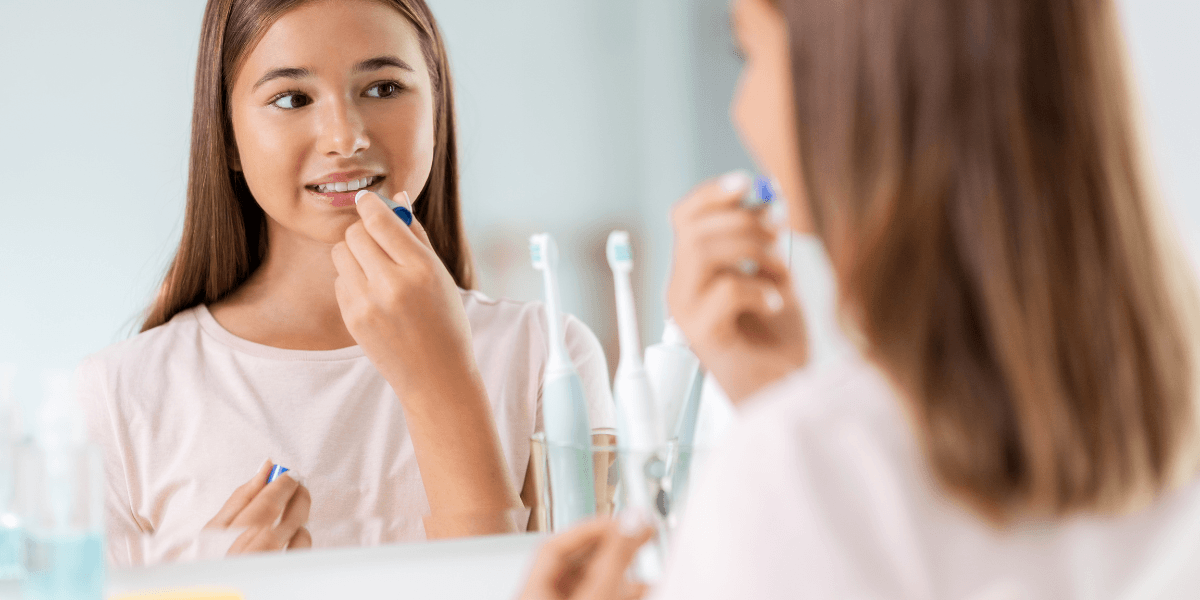
- Lips: Choose simple lip balms or glosses made for kids. Because lip products are easily ingested in tiny amounts, many parents prefer minimal ingredients and no strong flavor.
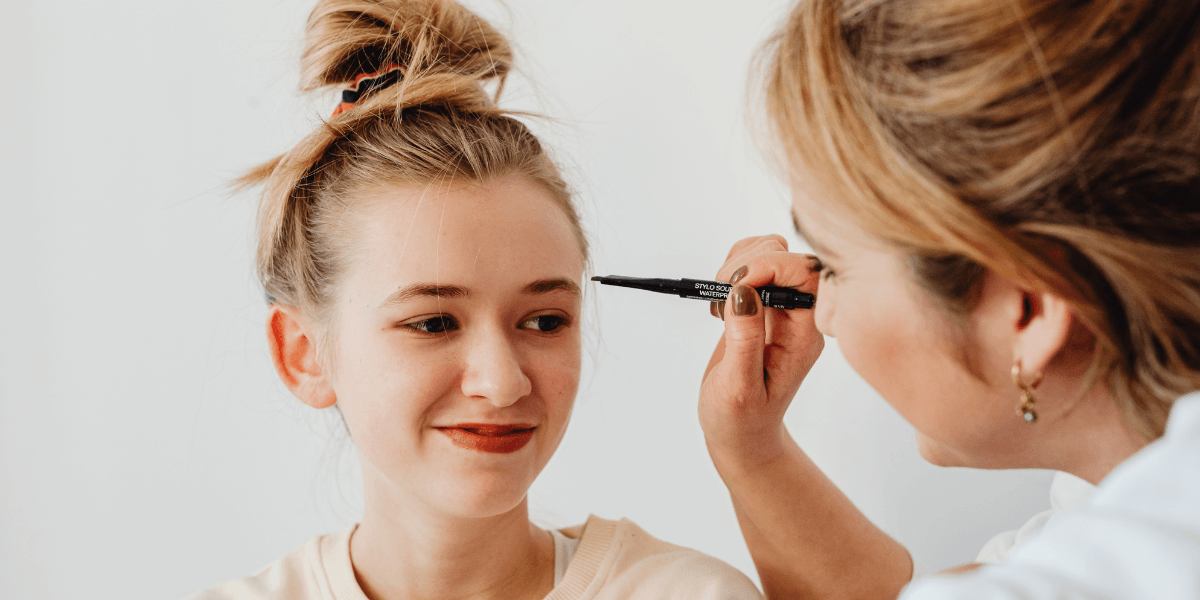
- Eyes: Be more cautious. Avoid applying product directly on the waterline. Use only products intended for the eye area, and supervise closely to prevent rubbing.
- Nails: Kids’ nail products can be fun, but pick child-intended options and keep them out of mouths. Remove promptly if your child tends to bite nails.
If your child has a history of eczema, frequent eye irritation, or very reactive skin, it may be worth keeping makeup play to cheeks and hair accessories (clips, washable color sprays) and skipping eye products altogether. This isn’t a medical recommendation—just practical risk reduction for common sensitivities.
5) A simple “starter kit” approach (instead of an overwhelming set)
To get close to the best non toxic makeup for kids experience at home, you don’t need a suitcase of products. A small, intentional kit is often easier to sanitize, store, and supervise. Here’s a realistic build that works for many families:
- 1 cheek color (cream or pressed powder) in a soft pink or peach
- 1 lip balm or gloss (preferably fragrance-free or lightly flavored)
- 1–2 eyeshadows in light, non-staining shades (champagne, soft pink, lavender)
- 1 applicator brush plus a pack of disposable cotton swabs
- 1 gentle remover (micellar water or gentle cleanser you already trust)
Why this works: fewer items means fewer mystery reactions and fewer hard-to-remove pigments. It also helps kids learn “a little goes a long way,” which reduces fallout and rubbing.
What to skip for younger kids
- Liquid eyeliner (precision plus proximity to the eye can be tricky)
- Adult mascara (often harder to remove; kids also rub eyes more)
- Anything labeled long-wear, transfer-proof, or waterproof
This is one reason many parents searching for kids makeup non toxic end up choosing balms and face paints over “full glam” kits.
6) Patch test, hygiene, and removal: the safety basics that matter most
Even the best non toxic makeup for kids can cause irritation if it’s used on compromised skin, shared too widely, or removed roughly. Our guide to kid safe makeup covers the practical habits that make beauty play cleaner, gentler, and easier to supervise. Build these habits from day one:
Patch test before the first real use
When trying a new product, apply a small amount to a discreet area (like the inner arm) and wait to see how your child’s skin responds. If any irritation occurs, discontinue use. Patch testing is especially helpful with fragranced products, face paints, and anything used near the eyes.
Don’t share lip products (and be careful with shared brushes)
Kids love sharing, but makeup sharing can spread germs. If siblings or friends will use the same kit, consider:
- Twist-up lip balms per child
- Disposable applicators for gloss
- Washable brushes cleaned regularly with gentle soap and fully dried
Keep “play makeup time” short and remove gently
Aim to remove makeup after play rather than leaving it on for hours. Use a gentle cleanser or micellar water and soft cotton pads. Avoid scrubbing—if something won’t come off easily, it may be too tenacious for a kids routine.
Watch for the “hidden irritants” in the routine
Sometimes it’s not the makeup itself but the habits around it: using rough paper towels, rubbing eyes, or applying over dry, flaky skin. A simple moisturizer before play can help some kids tolerate cheek products better, but keep layers minimal to prevent pilling.
7) Bottom line: choosing the best non toxic makeup for kids
The best non toxic makeup for kids is less about a single perfect product and more about a smart, low-drama system: choose child-intended formulas, read labels, avoid unnecessary fragrance and loose glitter, and prioritize easy removal. Keep the kit small, supervise anything near the eyes, and make patch testing and brush washing part of the routine.
If you’re deciding between two options, pick the one with the clearer ingredient list, simpler shades, and gentler removal. That’s usually the most practical path to best non toxic makeup for kids results—fun for them, comfortable for you, and easier on their skin.
Curious about which harmful ingredients to avoid in your child's beauty products? Read The Truth About Harmful Beauty Ingredients for Kids to uncover the hidden toxins in mainstream makeup, skincare, and hair care—and discover safer alternatives.
About the Author: This article was written by the contributing writers at Popsicle Beauty Club—a team of moms, educators, and clean beauty advocates passionate about creating a safer, more imaginative world for kids. We believe in empowering parents with trusted information and offering fun, non-toxic beauty and personal care products that let children play, express, and explore—without compromising their health.