

Table of Contents
- Introduction
- Why ingredient choices matter more for kids’ lip products
- How to read the label (and what claims really mean)
- Ingredients parents often like to see in kids lip gloss
- Ingredients and features to avoid or limit (especially for sensitive kids)
- Concrete shopping criteria: formula, applicator, and clean-up
- How to use lipstick lip gloss for kids safely (patch test + hygiene)
- Bottom line: a parent-friendly checklist for lipstick lip gloss for kids
- FAQs
Introduction
Shopping for lipstick lip gloss for kids is different from shopping for adult makeup. Kids tend to lick their lips, share products with friends, and reapply frequently—so the formula, packaging, and label details matter more than trendy color payoff or long-wear claims. The goal is usually a little shine or tint that feels fun, looks age-appropriate, and is simple for parents to feel good about.
This guide walks through practical ingredients parents can look for, common red flags to consider, and realistic use tips (including how and when to patch test). It’s not meant to be alarmist—many products marketed as lipstick lip gloss for kids can work well. The point is to help you choose thoughtfully, especially if your child has sensitive skin, eczema-prone areas around the mouth, or tends to chew on applicators.
Why ingredient choices matter more for kids’ lip products
Lip products are uniquely “high-contact.” Even adults unintentionally ingest small amounts of lip balm, gloss, or lipstick over time. With kids, that effect can be amplified because:
- Reapplication is frequent: kids may reapply just for the sensory experience.
- Lip licking is common: which can increase dryness and encourage even more product use.
- Sharing happens: in playdates, dance bags, and school backpacks.
- Sensitive skin zones: the skin around the mouth can be reactive, especially after food, wiping, or cold weather.
When choosing lipstick lip gloss for kids, parents often prioritize: fewer potential irritants, minimal fragrance/flavor, a simple base of moisturizers/occlusives, and packaging that’s easy to keep clean. For a broader ingredient and packaging breakdown, read our guide to lip gloss for kids ingredients parents should check.
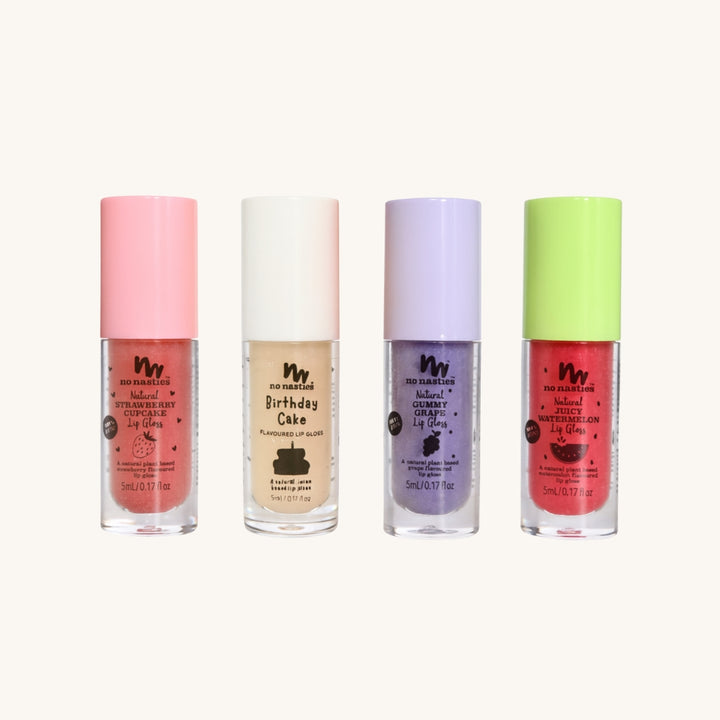
Looking for an all-natiral lip gloss? We highly recommend this product by No Nasties.
Natural Flavor Lip Gloss for Kids
$7.99
A yummy, all-natural treat for little lips, this natural flavor lip gloss for kids adds a whisper of color while keeping lips soft and nourished with sunflower, olive, coconut, and jojoba oils. Formulated for even the most sensitive skin, it’s… read more
How to read the label (and what claims really mean)
Front-of-package language can be helpful, but it’s not a substitute for checking the ingredient list. A few tips for reading labels when shopping for lipstick lip gloss for kids:
- Start with the ingredient list: Ingredients are generally listed from highest to lowest concentration. If fragrance or strong flavoring appears early, it may be more noticeable (and potentially more irritating) than you’d like.
- “Clean,” “non-toxic,” and “natural” are not standardized: These words can signal brand philosophy, but they don’t guarantee suitability for every child. Still check for known sensitivities.
- Look for child-appropriate warnings: Some products include notes like “for external use only,” “do not use on broken skin,” or age guidance. These aren’t inherently bad; they’re common safety language.
- Watch for flavor/fragrance cues: “Strawberry,” “cotton candy,” or “cupcake” can mean added flavor and/or fragrance components. If your child is sensitive, a lightly flavored or unflavored option may be easier.
If you’re comparing multiple options of lipstick lip gloss for kids, choose the one with the shorter, more straightforward ingredient list—especially if it’s your child’s first lip product.
Ingredients parents often like to see in kids lip gloss
Many kid-friendly lip formulas rely on a few functional categories: an occlusive base (to reduce moisture loss), emollients (to soften), and sometimes gentle thickeners for cushion. While every child is different, these ingredients are commonly found in comfortable, simple formulas:
Occlusives and barriers (help reduce dryness)
- Petrolatum (often in balmy glosses): effective at sealing in moisture and reducing chapping.
- Mineral oil: a classic emollient/occlusive base in many lip products.
- Beeswax or candelilla wax: adds structure; can feel less sticky than some gloss polymers.
Emollients (feel-good slip and softness)
- Castor oil: common in lip gloss for shine and smooth glide.
- Jojoba oil or sunflower seed oil: lightweight oils often used for comfort.
- Squalane: a silky emollient that can feel less heavy than some oils.
Gentle humectants (optional, for a “hydrated” feel)
- Glycerin: can add a hydrated feel, though it works best paired with occlusives.
When shopping for lipstick lip gloss for kids, a simple base like oils/waxes/petrolatum with minimal extras is often a practical starting point—especially for kids who have had reactions to fragranced products.
Ingredients and features to avoid or limit (especially for sensitive kids)
Not every child will react to the same things, and a “no” for one family can be fine for another. That said, these are common sources of stinging, dryness, or irritation around the lips—so many parents choose to avoid or minimize them in lipstick lip gloss for kids:
- Fragrance (“parfum”) and heavy flavoring: Candy-like scents can be fun, but they’re also a frequent sensitivity trigger. If your child complains of burning or you notice redness at the lip line, consider switching to fragrance-free or lightly scented options.
- Minty/cooling agents: Ingredients that create a tingle or cooling effect (often used in plumping-style products) can be uncomfortable for kids and may encourage rubbing/licking.
- High-shimmer micro-glitter: Sparkle can be cute, but chunky glitter can migrate and get into eyes, or feel gritty on lips. If you do shimmer, look for very fine pearl rather than large glitter particles.
- Strong staining dyes: Some vivid stains can be hard to remove and may leave a ring at the lip line if applied unevenly. For kids, sheer tints are often easier and more forgiving.
- Drying “long-wear” styles: Long-wear matte liquids or transfer-proof formulas may rely on film formers that can feel tight or emphasize dryness—often not ideal as lipstick lip gloss for kids.
Also consider the product’s taste. If a gloss tastes strongly sweet, kids may be tempted to lick it off quickly and reapply more often. A neutral or lightly flavored formula can be easier for routine use. For a deeper ingredient-by-ingredient safety checklist, see our guide to non toxic lip gloss for kids.
Concrete shopping criteria: formula, applicator, and clean-up
Beyond ingredients, the “user experience” determines whether a product is truly kid-appropriate. Here’s a practical checklist to use in-store or while scrolling online listings for lipstick lip gloss for kids:
- Texture: Aim for comfortable, non-gritty, not overly sticky. Very sticky gloss can pull at the lip line and attract hair.
- Sheer payoff: A sheer tint is easier to apply without a mirror and less likely to look smeared after snacks.
- Packaging durability: Choose a cap that clicks or screws on securely. Loose caps = gloss all over backpacks.
- Applicator style:
- Squeeze tubes can be more hygienic (less double-dipping), but kids may dispense too much.
- Doe-foot wands are easy to apply, but sharing is a no-go and wands can get messy quickly.
- Twist-up balms are tidy and good for beginners; they can be a great “starter” lipstick lip gloss for kids option.
- Removal: Look for formulas that come off with a gentle cleanser or a bit of balm/oil and a soft cloth. If you need heavy-duty remover, it may be too much for everyday kid use.
If you’re specifically shopping for clean lip gloss for kids or non toxic lip gloss for kids, keep your focus on label transparency and avoiding your child’s known triggers rather than chasing buzzwords. “Clean” should still mean comfortable, practical, and easy to use.
How to use lipstick lip gloss for kids safely (patch test + hygiene)
Even with a carefully chosen ingredient list, it’s smart to introduce new products gradually. Here’s a realistic routine for lipstick lip gloss for kids that fits busy mornings and after-school activities:
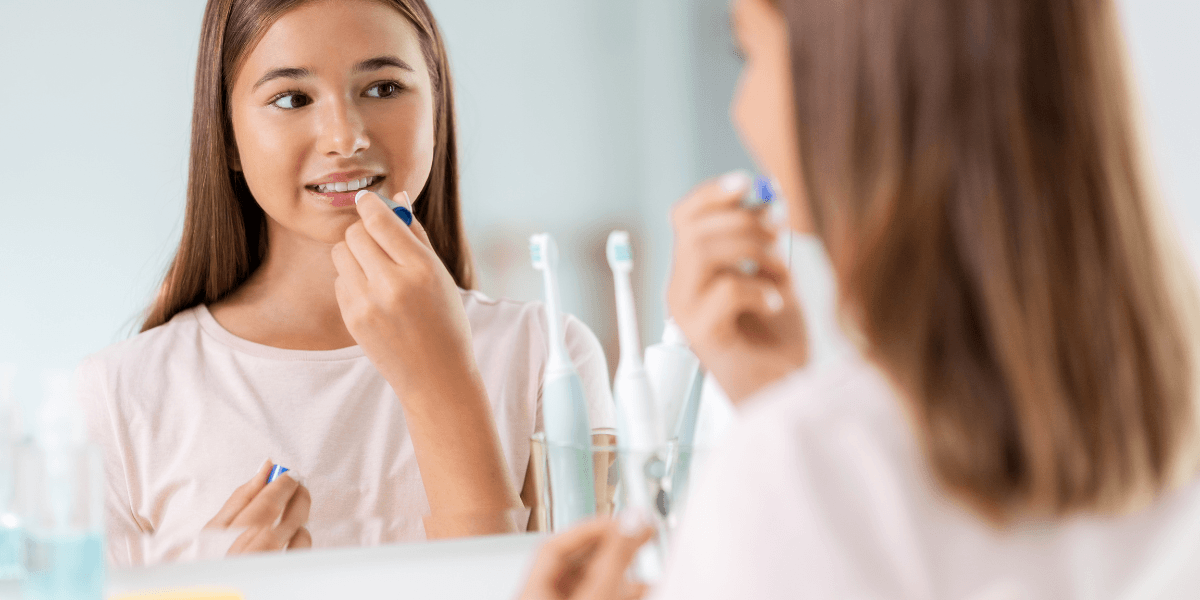
- Patch test when appropriate: If your child has sensitive skin or a history of irritation, try a tiny amount on the inner forearm or just at the corner of the mouth first. Wait and observe before full-lip use. (Stop use if irritation occurs.)
- Start with a “home day” trial: Use the product at home first, not right before school photos or a party, so you can see how it wears and whether it causes dryness.
- Keep it personal—no sharing: Kids love to share, but lip products are best treated like toothbrushes. If siblings want the same shade, buy duplicates.
- Set a simple reapply rule: For example: after snacks and after wiping the mouth, not continuously. This helps prevent the lick–reapply cycle that can make lips feel drier.
- Clean-up habits: If gloss gets outside the lip line, wipe gently with a damp cloth rather than scrubbing. For more tenacious products, a dab of balm or gentle oil can help lift it without friction.
If your child is moving from balm to color, consider a “tint first” approach: a sheer, balmy product that feels like skincare but looks like makeup. This often delivers the fun of lip gloss lipstick for kids without the fussiness of precise application.
Bottom line: a parent-friendly checklist for lipstick lip gloss for kids
The best lipstick lip gloss for kids is the one your child will enjoy wearing while you feel confident about the ingredient choices and the day-to-day practicality. Use this quick checklist before buying:
- Ingredient list is readable and minimal (especially if it’s your child’s first product).
- Fragrance/flavor is light or absent if your child is sensitive or prone to irritation.
- No tingly/plumping effects; comfort is the priority.
- Sheer tint + easy removal beats intense pigment for everyday kid wear.
- Packaging is secure and hygienic (and you have a no-sharing rule).
- You patch test when appropriate and stop if irritation shows up.
If you’re deciding between a few options, choose the simplest, most comfortable formula first—then expand into fun shades once you’ve found a lipstick lip gloss for kids that wears well and fits your family’s routine.
Curious about which harmful ingredients to avoid in your child's beauty products? Read The Truth About Harmful Beauty Ingredients for Kids to uncover the hidden toxins in mainstream makeup, skincare, and hair care—and discover safer alternatives.
About the Author: This article was written by the contributing writers at Popsicle Beauty Club—a team of moms, educators, and clean beauty advocates passionate about creating a safer, more imaginative world for kids. We believe in empowering parents with trusted information and offering fun, non-toxic beauty and personal care products that let children play, express, and explore—without compromising their health.