

Table of Contents
- Introduction
- 1) Start with the “use case”: play makeup vs. real wear
- 2) A parent-friendly checklist for comparing makeup brands for kids
- 3) Labels, ingredients, and “clean” claims: what to prioritize
- 4) Glitter, shimmer, and the eye area: practical safety rules
- 5) Hygiene and tools: the part most people forget
- 6) Building an age-appropriate starter routine (that removes cleanly)
- 7) Shopping comparisons: where you buy changes what you can verify
- Bottom line: how to choose makeup brands for kids with confidence
- FAQs
Introduction
Shopping for makeup brands for kids can feel surprisingly complicated: some products are clearly play-focused, others look like mini versions of adult makeup, and online listings can be heavy on buzzwords. The goal is usually simple—something fun, easy to use, and low-drama for skin and cleanup. The way to get there is also simple: treat it like you would any other beauty purchase and check labels, packaging, and hygiene basics before you add to cart.
This guide is a shopping-comparison roadmap for parents and gift-givers: what to check first, which claims are meaningful (and which are mostly marketing), and how to build a small, age-appropriate routine that doesn’t overwhelm sensitive skin. Throughout, remember the two non-negotiables for any makeup brands for kids: read the label and patch test when appropriate—especially for fragrance, face products, and anything used near eyes or lips.
1) Start with the “use case”: play makeup vs. real wear
Before comparing makeup brands for kids, decide what you actually want the product to do. Many disappointments (and messes) come from mismatched expectations.
- Dress-up/play makeup: Often lighter pigment, more “washable” performance, and sometimes packaged like toys. Great for short, supervised play sessions. Still needs label checks—“play” does not automatically mean gentle.
- Everyday light wear: Think subtle tinted balm, sheer shimmer, or a clear brow gel for older kids/teens experimenting with a “real makeup” feel. Prioritize simple formulas and easy removal.
- Performance (dance, theater, events): Usually requires longer wear and stronger pigment. For this, removal products and skin prep matter as much as the makeup itself.
Why it matters: a product made to “stay put” can be harder to remove, and aggressive removal is a common cause of redness and irritation. For many families, the best choice among makeup brands for kids is the one that balances fun with easy, gentle cleanup.
2) A parent-friendly checklist for comparing makeup brands for kids
Use this checklist to compare makeup brands for kids across websites, in-store packaging, or marketplaces. You don’t need perfect answers to every item, but the more boxes you can comfortably check, the more confidence you’ll have.
- Full ingredient list is available (on the box, on the brand site, or on the product page). If you can’t see ingredients, consider that a reason to skip.
- Clear age guidance and adult supervision notes. “Not for children under 3” is common (small parts). If your child is younger, avoid tiny components and anything with loose glitter.
- Simple product formats: creams/balms in compacts or sticks are typically easier to control than loose powder sets.
- Eye-area caution: Products intended for eyes should be clearly labeled for that area. Avoid improvising lip products as eye products (and vice versa).
- Fragrance transparency: If the product is scented, the brand should say so. For sensitive kids, fragrance-free (or at least low-scent) options are often the easiest starting point.
- Return policy and customer support: Especially important for skin sensitivities—know the rules before buying.
- Packaging quality: Lids should close securely, pans shouldn’t crumble easily, and applicators should be easy to clean or replace.
When you’re comparing kids makeup brands online, screenshots can hide the details. Zoom in on the back label photo and look for a complete INCI list, net weight, and manufacturer/distributor info. Vague listings are a red flag, regardless of how cute the palette looks. When evaluating a first makeup kit, it can also help to understand safe kids makeup ingredients, labels, and safer play before purchasing products for younger users.
3) Labels, ingredients, and “clean” claims: what to prioritize
Parents often search for kids safe makeup brands or clean makeup brands for kids, but “clean” isn’t a regulated promise and can mean different things to different brands. Instead of shopping by buzzword, shop by specifics.
What’s genuinely helpful on a label
- “Fragrance-free” (if your child is sensitive) can reduce the chance of irritation. Note: “unscented” can still include masking fragrance.
- Clear instructions for use and removal. If the brand tells you what remover works best (oil, balm, micellar), that’s a good sign they expect real-world use.
- Batch/lot code and a “period after opening” symbol (like 6M, 12M) can be helpful for tracking freshness once opened.
Claims to treat as marketing (not automatic proof of safety)
- “Non-toxic”: common in kids categories, but not always defined in a way that helps you compare products.
- “Hypoallergenic”: can still irritate individual skin. It’s a starting point, not a guarantee.
- “Dermatologist tested”: without details, it doesn’t tell you how, on whom, or for what outcomes.
What to do instead: if you’re trying to find safe makeup brands for kids, prioritize shorter ingredient lists, avoid heavy scent, and skip products that look like they rely on “special effects” (strong dyes, intense perfumes, or novelty textures) for the fun factor.
Patch test reminder: For new products—especially anything for the face—apply a small amount to a discreet area (like inner arm) and wait to see how skin responds before full use. If irritation shows up, discontinue and choose a simpler formula.
Our guide to clean beauty for kids offers a deeper look at how to evaluate ingredient claims and marketing language when comparing products.
4) Glitter, shimmer, and the eye area: practical safety rules
Many makeup brands for kids lean into sparkle. Shimmer can be fun and usually manageable, but it’s worth being extra picky around eyes.
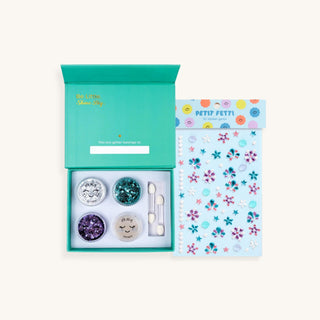
- Avoid loose glitter for young kids. Loose particles can migrate and are harder to control.
- Prefer pressed shimmers over loose powders. They’re less likely to shed and get into eyes.
- Use dedicated eye products only. If a product is not labeled for eye use, don’t place it on lids or lash line.
- Skip the waterline for kids. Keep products on the lid/crease area at most, and choose soft, easy-to-remove textures.
If your child wants a “wow” look, consider a tinted balm + cheek tint + a subtle shimmer topper rather than glitter-heavy kits. When evaluating best makeup brands for kids, the best choice is often the one that creates a fun result while staying easy to control and remove.
5) Hygiene and tools: the part most people forget
Even the most carefully chosen makeup brands for kids can cause trouble if tools and products aren’t kept clean. Kids tend to share, double-dip, and leave compacts open—totally normal, but it raises the importance of hygiene.
Simple rules that actually work
- One face, one set: If possible, avoid sharing lip products and eye products between siblings/friends.
- Wash tools weekly (or more often if used daily). A gentle soap works for brushes; sponges should be rinsed thoroughly and dried fully.
- Hands first: Encourage washing hands before applying creams/balms.
- Close lids tightly and store in a cool, dry place. Bathroom steam can degrade powders and promote mess.
- Replace questionable items: If a product smells “off,” changes texture, or causes stinging, it’s not worth saving.
For younger kids, consider skipping brush-heavy sets. Finger-friendly balms or a single soft brush are usually enough and easier to keep clean.
6) Building an age-appropriate starter routine (that removes cleanly)
The most parent-approved approach to makeup brands for kids is a small routine with products that apply in seconds and come off without scrubbing. Here’s a realistic “starter kit” structure you can adapt.
Starter kit ideas by product type
- Tinted lip balm (or clear balm): low-stakes, easy to reapply, minimal mess.
- Cream blush: a tiny amount blended with fingers can look natural and washes off more easily than some long-wear stains.
- Sheer shimmer topper: for cheeks (not too close to eyes) if they love sparkle.
- Clear brow gel (older kids/teens): gives the “getting ready” experience without heavy pigment.
Removal matters as much as application
- Use a gentle cleanser and lukewarm water. Avoid harsh scrubbing.
- For balms/creams, a gentle cleansing balm or an oil cleanser can help lift product, followed by a mild face wash.
- For sensitive skin, keep removal simple and consistent; frequent switching can make it harder to identify what caused irritation.
When parents look for kids safe makeup brands, they often focus on ingredients but forget that irritation can come from over-cleansing, too-hot water, or rubbing with rough towels. Build “gentle removal” into the plan from day one.
7) Shopping comparisons: where you buy changes what you can verify
Where you shop can make it easier—or harder—to evaluate makeup brands for kids.
- Brand websites: Often the best place to find full ingredient lists, usage instructions, and customer service contacts. Look for clear photos of the back label.
- Major retailers: Usually provide standardized ingredient disclosures and clearer return policies. Product pages may also specify whether items are intended for eyes/lips.
- Online marketplaces: Can be convenient, but listings sometimes vary by seller. Prioritize products shipped/sold by the brand or reputable retailers, and avoid listings without ingredient photos.
Comparison tip: make a quick notes list for each candidate (ingredients visible? fragrance? eye-safe labeling? removal guidance?). The “best” option among best makeup brands for kids is the one you can verify and comfortably supervise—especially for first-time users.
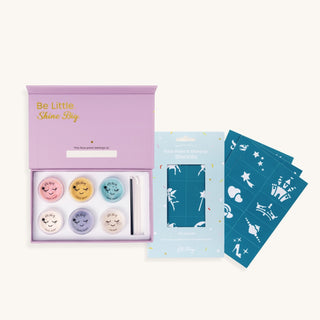
Looking for a clean beauty gift that’s safe, fun, and worry-free? This natural play makeup kit lets little ones explore color and creativity with non-toxic, skin-friendly formulas parents trust.
Each kit includes vibrant loose powder eyeshadows, soft blush, lipstick, and easy-to-use brushes—all housed in a premium magnetic box that’s perfect for gifting. The little pots are fully removable, so she can display them on her vanity, tuck them into a pretend purse, or take them along for imaginative play.
Natural Kids Play Makeup Kit
$34.99
$40.99
Looking for a clean beauty gift that’s safe, fun, and worry-free? This natural play makeup kit lets little ones explore color and creativity with non-toxic, skin-friendly formulas parents trust. Each kit includes vibrant loose powder eyeshadows, soft blush, lipstick, and… read more

Bottom line: how to choose makeup brands for kids with confidence
Choosing makeup brands for kids doesn’t have to be stressful. Anchor your decision in a few practical checks: visible ingredient lists, clear area-of-use labeling (especially near eyes), manageable formats (pressed/cream over loose), and a removal routine that won’t require scrubbing. Treat “clean” and “non-toxic” as starting points, not proof, and rely on what you can confirm on the label.
If you’re narrowing down makeup brands for kids for a gift or a first kit, keep it simple: a tinted balm, a small cream blush, and one soft applicator are often more successful than a big set. And as always, check labels for sensitivities, patch test when appropriate, and prioritize gentle, supervised use.
For a complete guide on non-toxic play makeup, check out our in-depth resource: The Ultimate Guide to Non-Toxic Play Makeup for Kids for expert tips, product recommendations, and everything you need to know about choosing safe beauty play products for your child.

About the Author: This article was written by the contributing writers at Popsicle Beauty Club—a team of moms, educators, and clean beauty advocates passionate about creating a safer, more imaginative world for kids. We believe in empowering parents with trusted information and offering fun, non-toxic beauty and personal care products that let children play, express, and explore—without compromising their health.