
Table of Contents
- Introduction
- 1) What “organic” can mean in kids’ makeup (and what it can’t promise)
- 2) How to read labels for organic makeup for kids: the quick parent checklist
- 3) Ingredient guidance: what parents often avoid (without getting alarmist)
- 4) Shopping criteria: what makes an organic kids makeup kit actually workable
- 5) How to patch test organic makeup for kids (and when to skip a product)
- 6) Safer play routine: application, hygiene, and removal that actually fits real life
- Bottom line: choosing organic makeup for kids with confidence
- FAQs
Introduction
Parents looking for organic makeup for kids usually aren’t chasing runway performance—they’re trying to make dress-up feel more like fun and less like a mystery. The challenge is that “organic” can be used in different ways across beauty products, and kids’ makeup is often applied with less precision, more face-touching, and more sharing than adult makeup. This guide breaks down how to shop for organic makeup for kids with a calm, practical focus on labels, ingredient lists, and play habits that reduce irritation and mess.
1) What “organic” can mean in kids’ makeup (and what it can’t promise)
In beauty, “organic” typically refers to how some ingredients were grown and processed—not automatically how gentle, hypoallergenic, or risk-free a product will be for every child. A product can include some organic plant oils or waxes and still contain other ingredients that might not work for sensitive skin. Conversely, a product might not be labeled organic yet still be thoughtfully formulated for gentle use. For a broader look at plant-based ingredients and how they compare with other makeup formulas, read our guide to natural kids makeup.
When shopping for organic makeup for kids, it helps to set realistic expectations:
- Organic doesn’t equal “no irritation.” Botanical ingredients (like essential oils or certain plant extracts) can still bother some skin types.
- Organic doesn’t automatically mean “edible.” Kids may accidentally get product in their mouth; choose items that are made for cosmetic use on skin and lips, and supervise young children.
- Labels vary. Some brands use “made with organic ingredients,” others pursue third-party certifications, and some simply use “organic” as a marketing descriptor for one ingredient.
The goal is to combine “organic” interest with clear label reading and smart, simple use habits.
2) How to read labels for organic makeup for kids: the quick parent checklist
If you only have 60 seconds in a store or on a product page, focus on what’s concrete: the ingredient list, intended use area (eyes/lips/face), and any certifications disclosed clearly by the brand.
Start with the ingredient list (INCI)
- Shorter isn’t always better, but a clear, complete list is. Avoid listings that hide behind vague phrases like “proprietary blend” without detail.
- Look for colorants listed clearly (common cosmetic colorants, iron oxides, titanium dioxide, mica, ultramarines). If a product is brightly colored but doesn’t explain how, that’s a red flag for transparency.
- Check the order: Ingredients are generally listed from highest to lowest amount (until around the 1% line, after which order can vary). If “organic” ingredients appear near the end, they may be present in small amounts.
Check for clarity on “organic” claims
- “Certified organic” typically suggests the brand has pursued a third-party standard for some part of the formula or ingredients. The certifying body and scope should be stated plainly.
- “Made with organic ingredients” usually means some ingredients are organic, not necessarily the whole product.
- “Natural” is not the same as organic and can be loosely used.
Confirm it’s actually meant for kids’ use
- Age guidance: reputable brands often indicate an age range and supervision notes.
- Area of use: eye-area products should be clearly intended for eyes. Avoid improvising with craft pigments or non-cosmetic colorants.
- Removal instructions: if a product requires aggressive rubbing to remove, it’s more likely to cause redness—especially on kids’ skin.
3) Ingredient guidance: what parents often avoid (without getting alarmist)
Every family has its own comfort level. Below are common ingredient categories parents consider when choosing organic makeup for kids. This isn’t a “bad list”—it’s a practical set of label cues to help you decide what fits your child’s skin and your household’s preferences.
Fragrance and essential oils
Fragrance (including essential oils used for scent) can be a common trigger for irritation in sensitive skin. If your child is prone to redness, dryness, or watery eyes, consider fragrance-free options. On labels, look for “fragrance,” “parfum,” or named essential oils (like lavender, peppermint, citrus oils). Unscented isn’t always fragrance-free, so confirm on the ingredient list.
High-shimmer and loose powder products
Loose powders and very shimmery dusts can travel into eyes or be inhaled during messy play. Pressed powders, creams, and balms can be easier to control. If you do choose powders, use them with a denser applicator and keep play gentle (no blowing product, no fan brushes).
Strong preservatives or alcohol-heavy formulas
Preservatives are important for water-containing products (they help reduce microbial growth). The goal isn’t “no preservatives,” it’s well-preserved products from brands that disclose ingredients. Alcohol-heavy formulas can feel drying on young skin; if “alcohol” is high on the list for a daily-use item, you may prefer a balmier option.
Eye-area sensitivities
The eye area is delicate. For organic makeup for kids, choose products explicitly intended for use around eyes, and avoid glitter pieces that can feel scratchy. If your child rubs their eyes often, consider skipping eye makeup entirely and focusing on cheeks/lips for play.
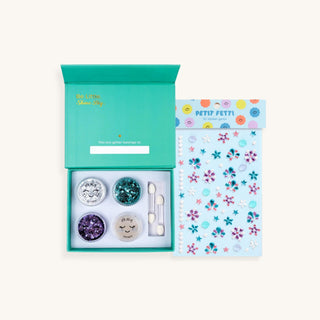
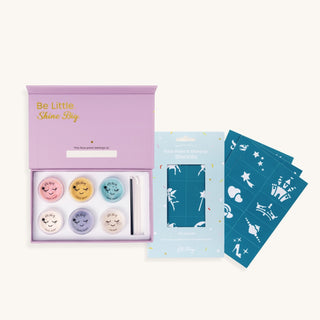
Looking for a clean beauty gift that’s safe, fun, and worry-free? This natural play makeup kit lets little ones explore color and creativity with non-toxic, skin-friendly formulas parents trust.
Each kit includes vibrant loose powder eyeshadows, soft blush, lipstick, and easy-to-use brushes—all housed in a premium magnetic box that’s perfect for gifting. The little pots are fully removable, so she can display them on her vanity, tuck them into a pretend purse, or take them along for imaginative play.
Natural Kids Play Makeup Kit
$34.99
$40.99
Looking for a clean beauty gift that’s safe, fun, and worry-free? This natural play makeup kit lets little ones explore color and creativity with non-toxic, skin-friendly formulas parents trust. Each kit includes vibrant loose powder eyeshadows, soft blush, lipstick, and… read more

4) Shopping criteria: what makes an organic kids makeup kit actually workable
An organic kids makeup kit can look adorable and still be impractical if it’s messy, hard to remove, or too advanced for how kids actually play. Use this checklist to find options that feel more “parent-proof.”
- Simple product types: tinted lip balm, cream blush, and a gentle highlighter balm are often easier than liquid liners or loose pigments.
- Easy removal: look for products that remove with a mild cleanser and lukewarm water (plus a soft washcloth). If it advertises extreme staying power, it may require more rubbing.
- Clear shade payoff without heavy layering: kids tend to over-apply. A product that looks cute with one light swipe helps avoid caking.
- Minimal “extras”: fewer tiny pieces means fewer lost parts and less cross-contamination.
- Applicators you can wash: reusable brushes/sponges should be easy to clean. Better yet, use your own washable tools rather than mystery applicators that come with kits.
- Sealed packaging and batch/PAO info: look for a sealed product and a PAO symbol (like 6M/12M) that indicates how long it’s best used after opening.
- Transparent labeling: full ingredient list, use instructions, and company contact info are good signs of a brand that expects scrutiny.
If you’re comparing organic kids makeup options online, prioritize listings with clear photos of the ingredient panel and specific product descriptions (cream vs. powder, fragrance-free vs. scented, intended age range, and removal guidance).
5) How to patch test organic makeup for kids (and when to skip a product)
Even thoughtfully made organic makeup for kids can cause irritation for an individual child. Patch testing is a low-effort step that can prevent a meltdown 10 minutes before a party.
- Choose a small test area: inside of the elbow or behind the ear works well.
- Apply a tiny amount of the product as it would be used (e.g., a thin swipe of balm).
- Wait and observe: check the area over the next day. If you notice redness, itching, or discomfort, discontinue use.
- Test one product at a time: if you bought a kit, patch test each item separately so you know what caused a reaction.
Also consider skipping certain products entirely for certain kids: anything that migrates easily into eyes, anything strongly scented if your child is sensitive, and anything that requires heavy scrubbing to remove.
6) Safer play routine: application, hygiene, and removal that actually fits real life
How kids use makeup matters as much as what’s in it. A few basic habits can make organic makeup for kids feel more comfortable, cleaner, and less likely to cause irritation.
Application: keep it simple and supervised
- Start with clean, dry skin. If skin is sticky from sunscreen or lotion, powders can clump and creams can slide.
- Set “no inner-eye” rules: keep color on lids (if used) and cheeks, and avoid the waterline.
- Use light layers: one swipe, blend, then decide if more is needed.
- Hands off: remind kids not to rub eyes or lick lips after applying.
Hygiene: reduce sharing and extend product freshness
- One kid, one kit when possible—especially for lip products.
- Wash tools regularly: gentle soap and warm water, air dry fully.
- Don’t add water to products to “revive” them—this can introduce microbes.
- Close lids tightly and store away from heat and direct sun.
Removal: prioritize low-friction cleansing
- Use a mild cleanser and lukewarm water; hold a soft washcloth to the area for a few seconds before wiping.
- For balms and waxy products, a gentle oil-based cleanser can help lift pigment with less rubbing.
- Avoid harsh scrubbing, especially on cheeks and around eyes.
If makeup play happens often, consider making it a short routine: apply, play, remove, moisturize. This keeps skin comfortable and helps kids learn good habits early.
Bottom line: choosing organic makeup for kids with confidence
Organic makeup for kids is easiest to shop for when you treat “organic” as one helpful filter—not the whole safety story. If you're also comparing products marketed as non-toxic, our guide to nontoxic kids makeup explains how to evaluate labels, ingredients, and safer play habits. Read the ingredient list, look for transparent labeling and clear intended-use guidance, and choose easy-to-remove formulas that match how kids really play. Patch test when appropriate, keep tools clean, and favor simple products that minimize eye-area risk and heavy rubbing. With the right expectations and routine, organic makeup for kids can stay firmly in the “fun dress-up” category—without turning into a nightly cleanup battle.
When you’re ready to build or upgrade an organic kids makeup kit, focus on a few versatile staples (a tinted balm, a cream blush, and a gentle shimmer or face paint stick) rather than a huge set. The best organic makeup for kids is the kind that gets used happily, removes easily, and keeps skin feeling normal afterward.
For a complete guide on non-toxic play makeup, check out our in-depth resource: The Ultimate Guide to Non-Toxic Play Makeup for Kids for expert tips, product recommendations, and everything you need to know about choosing safe beauty play products for your child.

About the Author: This article was written by the contributing writers at Popsicle Beauty Club—a team of moms, educators, and clean beauty advocates passionate about creating a safer, more imaginative world for kids. We believe in empowering parents with trusted information and offering fun, non-toxic beauty and personal care products that let children play, express, and explore—without compromising their health.