
Table of Contents
- Introduction
- 1) What “natural kids makeup” really means (and what it doesn’t)
- 2) Claims vs. ingredient lists: how to read labels like a pro
- 3) Ingredient guidance for natural kids makeup: what to prioritize and what to be cautious with
- 4) Shopping criteria: how to choose a kids natural makeup kit that’s actually practical
- 5) How to use natural kids makeup more safely: application, tools, and removal
- 6) Red flags: when to pause, replace, or simplify
- 7) Bottom line: natural kids makeup with realistic expectations
- FAQs
Introduction
Shopping for natural kids makeup can feel oddly confusing: the packaging looks gentle, the marketing says “clean,” and the colors are adorable—yet the ingredient list may read like any other cosmetic. The goal isn’t to panic or to assume “natural” automatically equals “safe.” The goal is to shop with a few clear criteria, understand what labels actually communicate, and set up play that’s fun, age-appropriate, and low-drama for skin (and for parents).
This guide focuses on the practical side of natural kids makeup: how to interpret claims, which ingredient categories tend to be more comfortable on sensitive skin, what to be cautious with (especially around the eye and lip area), and how to build habits that reduce irritation—like patch testing, clean tools, and thorough removal.
1) What “natural kids makeup” really means (and what it doesn’t)
In most markets, “natural” on cosmetics packaging isn’t a single, universally regulated standard. Brands may use it to mean plant-derived ingredients, fewer synthetic ingredients, certain exclusions, or simply a “cleaner” marketing position. That means natural kids makeup can vary widely in formula and quality.
Instead of relying on the front label alone, treat “natural” as a starting point and verify with the ingredient list and the brand’s product details. For a broader framework on label claims and ingredient transparency, read our guide to clean beauty for kids. A kid-friendly product is usually defined more by how it’s formulated and used than by whether it’s labeled natural.
- “Natural” doesn’t guarantee non-irritating. Essential oils, botanicals, and fragranced extracts can be sensitizing for some kids.
- “Hypoallergenic” isn’t a promise. It’s a marketing term that still requires label-checking and patch testing.
- “Non-toxic” can be vague. Cosmetics are generally expected to be safe when used as directed; the details matter (area of use, age, removal).
What you can do: prioritize clear ingredient disclosure, minimal fragrance, and a formula type that fits the child’s age and the intended “play” (face paint for occasional costumes vs. a light shimmer balm for everyday fun).
2) Claims vs. ingredient lists: how to read labels like a pro
If you’re choosing natural makeup for kids, the ingredient list (INCI) is where you’ll learn the most. Claims like “clean,” “green,” or “plant-based” are useful only when they align with what’s actually inside.
Start with these label checks
- Fragrance: Look for “fragrance,” “parfum,” or aromatic essential oils. If a child is sensitive, choose fragrance-free when possible.
- Color additives: Pigments can be mineral-based (like iron oxides, titanium dioxide, mica) or other approved colorants depending on region. If a product is intended for lips or eye area, verify it’s marketed for that use—don’t assume all pigments are appropriate everywhere.
- Preservatives: Water-based formulas (liquids, gels, creams) need preservation to stay stable and reduce microbial growth. “Preservative-free” can be a downside in wet products because it may shorten safe-use time once opened.
- Alcohols and solvents: Some can be drying. This matters for kids’ cheeks and lips, which can get chapped quickly.
- Allergens: If you know a child reacts to certain ingredients (lanolin, specific plant extracts, certain sunscreen filters, etc.), scan for them.
Also look for practical info: an ingredient list you can read, a batch/lot code, and a clear period-after-opening symbol (like 6M, 12M). Those basics often correlate with better manufacturing transparency.
3) Ingredient guidance for natural kids makeup: what to prioritize and what to be cautious with
There’s no single “perfect” ingredient list for natural kids makeup, but there are patterns that tend to be more comfortable for kids’ skin—especially for occasional dress-up use.
Often a good sign for gentle wear
- Simple bases: Balms and powders are often easier for parents because they’re lower-water and less likely to smear into eyes than very creamy liquids.
- Mineral pigments: Iron oxides, titanium dioxide, and mica are common in many cosmetics. For some kids, a simple mineral pigment in a balm base is easier than heavily fragranced formulas.
- Barrier-friendly emollients: Ingredients like shea butter, certain plant oils, or other skin-softening agents can reduce the “tight” feeling some kids get with dry powders.
Use extra caution with these (not automatic “bad,” just higher watch-outs)
- Fragrance and essential oils: Even “natural” fragrance can irritate around the eyes, nose, and lips. If you’re shopping for kids natural makeup, fragrance-free is often the calmest starting point.
- Strong flavorings in lip products: Kids may lick lips, and flavor/fragrance can increase the chance of dryness or irritation.
- Glitter: Cosmetic “glitter” varies. For younger kids, consider skipping loose glitter near the eyes. If you want sparkle, look for a subtle shimmer rather than chunky particles.
- Highly staining pigments: Fun for play, but can be frustrating to remove and may tempt over-scrubbing.
Remember: individual sensitivity matters. That’s why even the best-looking all natural kids makeup should still be patch tested before a big event like a party or performance.
4) Shopping criteria: how to choose a kids natural makeup kit that’s actually practical
A good kids natural makeup kit isn’t just about what’s included—it’s about whether the products suit a child’s skin, attention span, and how parents want cleanup to go. Here’s a concrete checklist you can use while browsing.
Formula and format
- Prefer balms, crayons, or pressed powders for controlled application (less mess, less migration into eyes).
- Avoid very watery liquids for younger kids unless you’re comfortable supervising closely and removing quickly.
- Choose a small color range (2–6 shades) that can do cheeks + lips + a little shimmer rather than 20 colors that encourage heavy layering.
Ingredient and sensitivity checks
- Look for fragrance-free or low-fragrance options if your child has reactive skin.
- Confirm intended use area: If it’s for lips, it should be labeled for lips; for eyes, labeled for eyes. Don’t improvise with craft glitter or non-eye products.
- Avoid “DIY pigment pots” that require adding water or mixing unless you’re confident about hygiene—water + fingers can quickly turn into a contamination issue.
Packaging and hygiene
- Individual components beat shared tubs when multiple kids will use the kit.
- Twist-up crayons or sticks help reduce double-dipping and messy fingers.
- Check for seals and clear expiration guidance (especially for creams and liquids).
If you’re evaluating all natural makeup for kids, treat “all natural” as a marketing claim that should be supported by a straightforward ingredient list and realistic, kid-appropriate packaging.
5) How to use natural kids makeup more safely: application, tools, and removal
The safest product can still cause problems if it’s applied in a way that irritates skin or spreads germs. A few routine habits go a long way with natural kids makeup.
Before play: prep + patch test
- Patch test when appropriate: Apply a small amount to a discreet area (like the inner arm) and wait to see how skin reacts. This is especially helpful before using a new lip product, face paint, or anything near the eyes.
- Start on clean, dry skin: Wipe hands and face. If skin is already irritated, skip makeup that day.
- Set simple rules: No sharing lip products, no rubbing eyes, and “one layer is enough.”
During application: keep it light and controlled
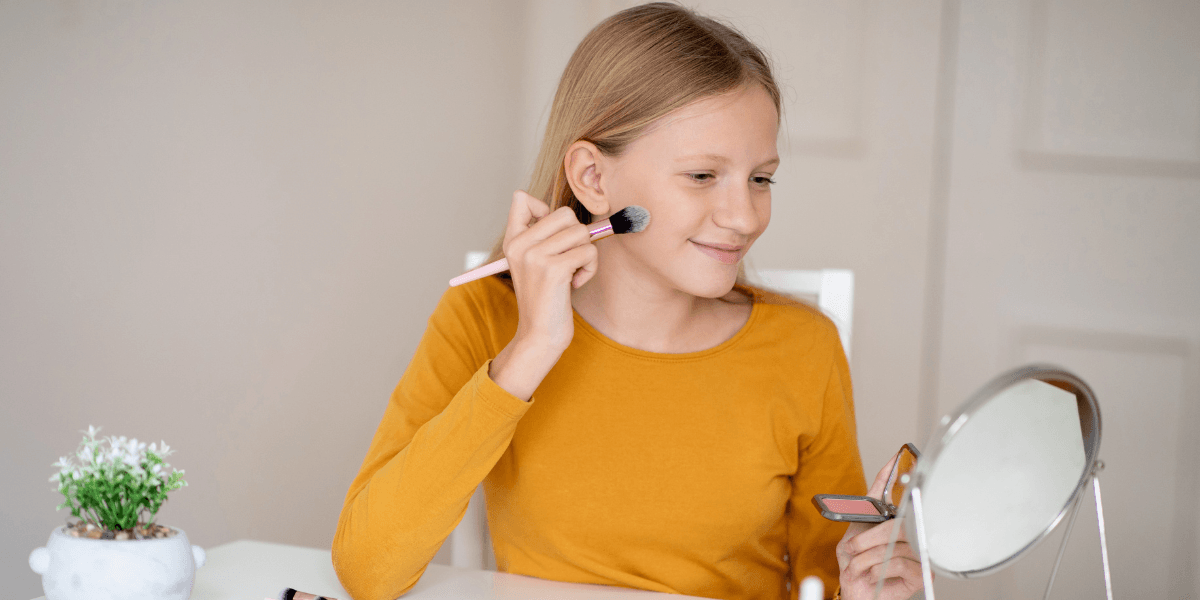
- Use clean tools: A small brush or sponge can be more hygienic than fingers, especially with creams.
- Avoid the waterline and lash line for younger kids; keep color to lids/cheeks where it’s less likely to migrate into eyes.
- Choose comfortable textures: If a product feels sticky or itchy, remove it rather than trying to “make it work.”
Removal: gentle beats aggressive
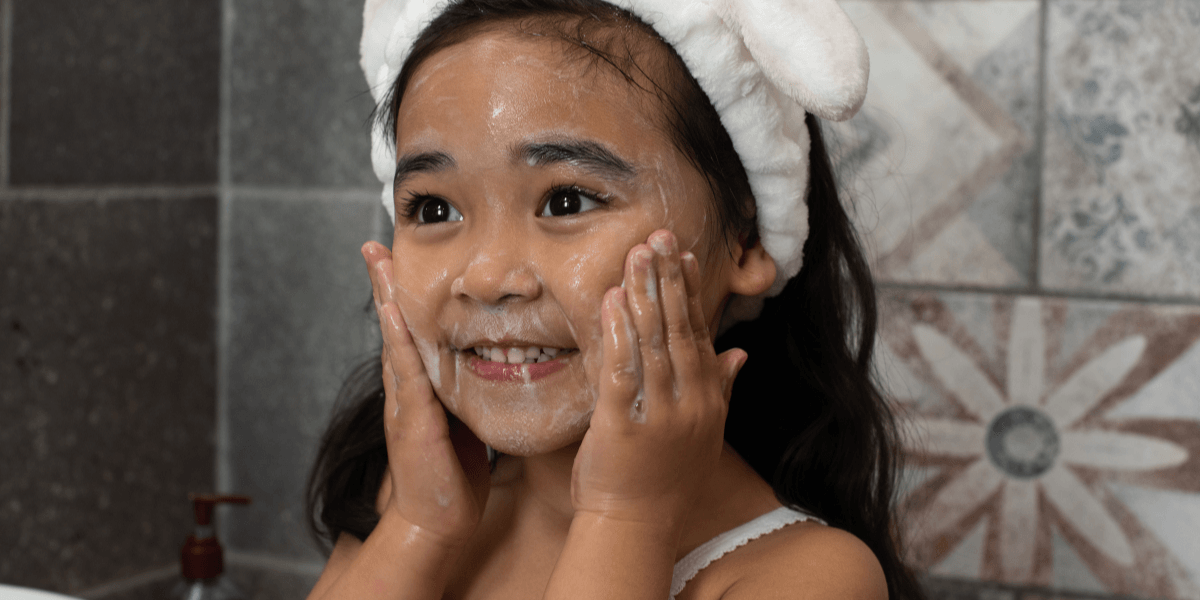
- Remove the same day: Don’t let kids sleep in makeup—play products can be occlusive, and leftover pigment can transfer to eyes.
- Use a gentle cleanser and lukewarm water. For balms or heavier pigments, a mild oil or balm cleanser can help lift color without scrubbing.
- Pat dry and moisturize if cheeks or lips look dry after removal.
These steps matter whether you’re using kids natural makeup daily for dress-up or only for special occasions.
For more age-appropriate beauty play ideas, explore our guide to makeup play for kids.
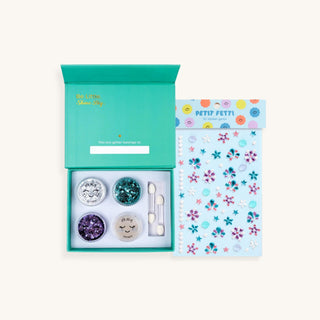
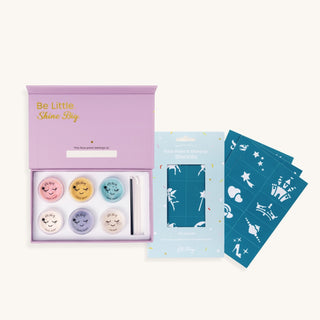
Looking for a clean beauty gift that’s safe, fun, and worry-free? This natural play makeup kit lets little ones explore color and creativity with non-toxic, skin-friendly formulas parents trust.
Natural Kids Play Makeup Kit
$34.99
$40.99
Looking for a clean beauty gift that’s safe, fun, and worry-free? This natural play makeup kit lets little ones explore color and creativity with non-toxic, skin-friendly formulas parents trust. Each kit includes vibrant loose powder eyeshadows, soft blush, lipstick, and… read more

6) Red flags: when to pause, replace, or simplify
Even when you choose thoughtfully, kids’ skin can be unpredictable. Keep this section in mind as a practical “pause button” when using natural kids makeup.
- Irritation or discomfort: If a child says it stings, feels hot, or itchy, remove it and discontinue that product. Choose a simpler, fragrance-free option next time.
- Eye exposure: If product gets into eyes, rinse gently with water. For ongoing eye-area issues, skip eye makeup and stick to cheeks/lips only.
- Sharing and parties: Shared makeup can spread germs. For group play, consider single-use applicators, separate products per child, or skip lip products entirely.
- Old or “off” products: If a cream smells different, changes texture, or has been stored in heat, toss it. This is especially important for water-based items.
- Broken skin: Avoid applying makeup over active rashes, cuts, or very chapped areas.
None of this requires alarm—just common-sense boundaries that make play feel easy and low-risk.
7) Bottom line: natural kids makeup with realistic expectations
Natural kids makeup can be a fun, confidence-building part of pretend play when it’s chosen and used thoughtfully. The most helpful approach is simple: focus on fragrance-minimized formulas, clear intended-use labeling (lips vs. eyes vs. face), hygienic packaging, and easy removal. Don’t let “natural” claims replace label-reading, and check labels every time you buy—formulas can change.
If you’re building a routine around natural kids makeup, keep it light: a balm-style cheek/lip tint, a soft shimmer that stays put, and a gentle cleanser for removal. Add a quick patch test when introducing something new, especially for sensitive skin or products used near the eyes. That’s the sweet spot where safer play and kid-friendly creativity can coexist.
For a complete guide on non-toxic play makeup, check out our in-depth resource: The Ultimate Guide to Non-Toxic Play Makeup for Kids for expert tips, product recommendations, and everything you need to know about choosing safe beauty play products for your child.
About the Author: This article was written by the contributing writers at Popsicle Beauty Club—a team of moms, educators, and clean beauty advocates passionate about creating a safer, more imaginative world for kids. We believe in empowering parents with trusted information and offering fun, non-toxic beauty and personal care products that let children play, express, and explore—without compromising their health.