
Table of Contents
- Introduction
- 1) Know what you’re buying: cosmetics vs. toys vs. “play”
- 2) Start with the label: age guidance, directions, and a real ingredient list
- 3) Ingredient and finish clues: choose gentle formats over “grown-up” performance
- 4) Packaging matters: safer, cleaner, less likely to break
- 5) Hygiene rules that make play makeup safer (especially for sharing)
- 6) A simple routine: patch test, apply lightly, remove gently
- 7) How to shop for a kids play makeup set (and when to skip it)
- Bottom line: a quick checklist for play makeup for kids
- FAQs
Introduction
Shopping for play makeup for kids can feel deceptively simple—until you remember it’s going on sensitive skin, near eyes and lips, and likely to be applied with enthusiastic (and not-so-precise) hands. The goal isn’t to overthink it; it’s to choose products and habits that make pretend play feel fun, not frustrating. This guide walks through the most practical checks parents can make before buying a kids play makeup product or a full kids play makeup set, plus easy routine tips for using and removing it.
Importantly: “clean,” “natural,” and “non toxic” are marketing terms that can mean different things to different brands. You can absolutely look for non toxic play makeup for kids or clean play makeup for kids, but your best protection is still reading the label, following use directions, supervising application, and doing a patch test when it’s appropriate.
1) Know what you’re buying: cosmetics vs. toys vs. “play”
Before you click “add to cart,” confirm whether the item is intended to be used on skin or is simply a toy that resembles makeup. Many products marketed as play makeup for kids are actual cosmetics (formulated to be worn), while others are novelty items designed for pretend use only.
- Skin-use cosmetics should have an ingredient list and clear directions (for example, where it can be used and how to remove it).
- Pretend-only toy makeup may look convincing but isn’t always intended for contact with skin, lips, or the eye area. If directions are unclear, treat it as not meant for skin.
If the listing or packaging doesn’t clearly state intended use, it’s reasonable to choose a different option. With play makeup for kids, clarity is a quality signal. If you’re comparing a full kids play makeup set, look for clear labeling, washable textures, and packaging that helps keep play low-mess.
2) Start with the label: age guidance, directions, and a real ingredient list
The most parent-helpful products make it easy to verify what you’re buying. When comparing options for kids play makeup non toxic claims, look for specifics rather than broad promises.
What to check on the packaging or product page
- Intended age range and safety warnings (especially for small parts, powders, or items that could be mouthed).
- Where it’s meant to be used (face, cheeks, lips) and any “avoid eye area” guidance.
- Full ingredient list for each product in the set—not just a general statement for the kit.
- How to remove (water, gentle cleanser, makeup remover). If removal is unclear, it often translates to extra scrubbing—something most parents want to avoid.
Keep expectations realistic: even well-formulated products can cause irritation for some kids. That’s why a patch test (see routine section below) is worth the few minutes it takes, particularly if your child has sensitive skin.
3) Ingredient and finish clues: choose gentle formats over “grown-up” performance
Parents often assume that more pigment, longer wear, or stronger “staying power” equals better value. With play makeup for kids, the opposite is usually true. A softer, easier-to-remove formula is often a better fit for children’s skin and for household sanity.
Practical ingredient/label cues (without fear)
- Fragrance: If your child is sensitive to scents, consider fragrance-free or low-fragrance options. Fragrance isn’t automatically “bad,” but it can be a common reason products feel irritating for some users.
- Glitter and shimmer: Fine shimmer can be easier to manage than chunky glitter. Large glitter pieces can migrate and become annoying around the eyes. If you choose sparkle, prefer formats that stay put and remove cleanly.
- Strong stains: Very intense lip tints or highly staining pigments can linger and may require more removal effort. For play, a sheer balm or washable color is often the most parent-friendly.
- Powders vs. creams: Pressed powders can create airborne dust and mess; creams and balms can be easier to control. That said, overly greasy creams can travel, so look for a balanced, easy-wipe texture.
If you’re specifically searching for non toxic play makeup for kids, use that phrase as a starting filter—but still verify the basics: full ingredient list, clear directions, and realistic removal. “Non toxic” isn’t a regulated guarantee on its own, so treat it as one data point among many.
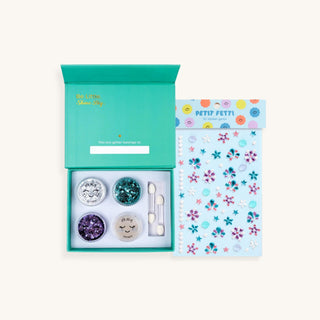
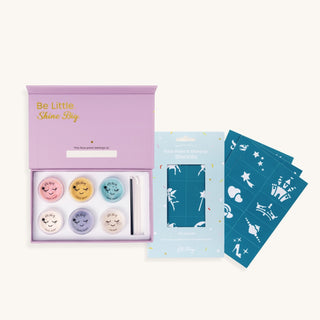
Looking for a clean beauty gift that’s safe, fun, and worry-free? This natural play makeup kit lets little ones explore color and creativity with non-toxic, skin-friendly formulas parents trust.
Each kit includes vibrant loose powder eyeshadows, soft blush, lipstick, and easy-to-use brushes—all housed in a premium magnetic box that’s perfect for gifting. The little pots are fully removable, so she can display them on her vanity, tuck them into a pretend purse, or take them along for imaginative play.
Natural Kids Play Makeup Kit
$34.99
$40.99
Looking for a clean beauty gift that’s safe, fun, and worry-free? This natural play makeup kit lets little ones explore color and creativity with non-toxic, skin-friendly formulas parents trust. Each kit includes vibrant loose powder eyeshadows, soft blush, lipstick, and… read more

4) Packaging matters: safer, cleaner, less likely to break
The best play makeup for kids is designed for small hands and parent oversight. Packaging can reduce mess, improve hygiene, and prevent accidental over-application.
- Sturdy compacts and hinges that won’t shatter easily if dropped.
- Twist-up sticks (for balms or cheek color) that limit dipping fingers into pots.
- Separate pans rather than one giant mixed palette area—less cross-contamination and muddy colors.
- Clear lids or labels so you can quickly identify what’s what during supervised use.
Be cautious with tiny foam applicators and miniature brushes that shed or are hard to clean. If a kids play makeup set includes tools, consider swapping in a couple of easy-wash, kid-designated brushes or using clean fingertips for simple looks (then washing hands right after).
5) Hygiene rules that make play makeup safer (especially for sharing)
Kids love to share, but sharing is where hygiene can fall apart. A few simple practices go a long way for play makeup for kids—without turning it into a stressful production.
- One face, one set when possible—especially for products used on lips or near eyes.
- No sharing mascara- or gloss-style applicators. If a product has a wand that goes back into the tube, keep it individual.
- Wash hands first and tie hair back. This reduces germs and keeps makeup from sticking to stray hair.
- Designate “makeup day” tools and clean them regularly with gentle soap and warm water, then air dry fully.
- Don’t apply to irritated or broken skin. If the skin is already unhappy, take a break and choose a non-skin activity (stickers, costume play, nail stickers for older kids, etc.).
Also: keep products closed tightly and stored away from heat and direct sun. If anything smells “off,” changes texture, or looks contaminated, replace it rather than trying to salvage it.
6) A simple routine: patch test, apply lightly, remove gently
Even the best-labeled play makeup for kids benefits from a routine that prioritizes comfort and easy cleanup. Here’s a realistic approach that most families can stick with.
Step-by-step (parent-friendly)
- Patch test when appropriate: Apply a tiny amount to a small area (like the inner forearm) and wait to see if irritation develops. This is especially useful for first-time use, sensitive skin, or fragranced products.
- Set expectations: “We keep color away from eyes,” “We use just a little,” and “We wash it off before bed.” Clear rules make the experience smoother.
- Supervise eye and lip products: If you allow lip color, stick to simple balms or sheer tints. For eye looks, consider skipping the immediate lash line and focusing on cheek color instead.
- Apply in thin layers: Kids tend to swirl and press. A light hand looks better and is easier to remove.
- Remove gently: Use lukewarm water and a gentle cleanser, or a mild makeup remover that you already know works for your child. Avoid aggressive scrubbing; if it’s not coming off easily, try a second gentle pass instead of friction.
- Moisturize if needed: If skin feels dry after removal, a basic fragrance-free moisturizer can help with comfort (no need for anything complicated).
For parents shopping specifically for clean play makeup for kids, ease of removal is a surprisingly good “clean-living” proxy: the less you need to scrub, the more enjoyable (and skin-friendly) the whole experience tends to be.
7) How to shop for a kids play makeup set (and when to skip it)
A kids play makeup set can be a great gift because it feels complete, but sets are also where labeling gets vague. Some kits include many shades with minimal ingredient detail, or bundle in items that aren’t ideal for young kids (like heavy glitter or hard-to-clean components).
Smart set-shopping criteria
- Complete ingredient lists per item (not just “may contain” without context).
- Fewer, better products rather than a huge assortment. A small set with clear directions often performs better for play.
- Washable-looking finishes: sheer balms, soft blushes, and easy-wipe face gems can be more practical than intense pigments.
- Reasonable shade selection: choose colors your child will actually use. If half the palette is dark or bold, it may increase mess and decrease enjoyment.
- Tool quality: if tools look flimsy, plan to replace them or skip them.
When to skip buying and choose alternatives
- If your child tends to rub eyes frequently, consider skipping face products and choosing hair accessories, temporary tattoos, or costume play.
- If labeling is incomplete or confusing, choose a different brand or a simpler product with transparent information.
- If you’re not ready to supervise application, opt for “pretend-only” accessories (a mirror, brushes with no product) until they’re older.
If your search terms are kids play makeup plus “safe” or kids play makeup non toxic, remember that the safest experience usually comes from a combination of decent labeling, thoughtful packaging, and good routines—not from one perfect buzzword.
Bottom line: a quick checklist for play makeup for kids
Play makeup for kids is at its best when it’s easy to understand, easy to use, and easy to remove. Before you buy, run through this quick checklist:
- Clear intended use (made for skin, not just a toy look-alike)
- Age guidance and directions are easy to find
- Full ingredient list for each product in the kit
- Choose gentle, low-mess formats (sheer balms, creams that wipe clean, minimal chunky glitter)
- Plan to patch test and supervise first uses
- Have a removal plan that doesn’t require scrubbing
- Hygiene rules (avoid sharing wands, keep tools clean, store properly)
With those basics in place, play makeup for kids can stay what it should be: a fun, creative add-on to dress-up—without turning into a complicated skincare situation.
For a complete guide on non-toxic play makeup, check out our in-depth resource: The Ultimate Guide to Non-Toxic Play Makeup for Kids for expert tips, product recommendations, and everything you need to know about choosing safe beauty play products for your child.

About the Author: This article was written by the contributing writers at Popsicle Beauty Club—a team of moms, educators, and clean beauty advocates passionate about creating a safer, more imaginative world for kids. We believe in empowering parents with trusted information and offering fun, non-toxic beauty and personal care products that let children play, express, and explore—without compromising their health.