
Table of Contents
- Introduction
- 1) Start with the “where and how will it be used?” reality check
- 2) Packaging claims vs. the actual label: what to check first
- 3) Ingredient and sensitivity considerations (no panic, just smart filtering)
- 4) Format-by-format: what to choose (and what to avoid) for a first kit
- 5) Hygiene and sharing: the non-negotiables for play makeup
- 6) A simple routine that removes cleanly (and avoids bedtime drama)
- 7) Shopping checklist for comparing kids makeup brands (printable mindset)
- Bottom line: how to choose kids makeup brands with confidence
- FAQs
Introduction
Shopping for kids makeup brands is different than shopping your own stash. The best experience is fun, low-stress, and easy to remove—without turning “play makeup” into a complicated routine or a chemistry quiz. At the same time, it’s reasonable to want clearer guardrails: what’s actually in the product, how it’s meant to be used, and whether the brand is transparent enough for you to feel comfortable.
This guide is a shopping-comparison framework you can use across kids makeup brands, whether you’re buying a first lip balm, a dress-up palette, or a gift set. It’s not about fear-based rules or making medical promises. It’s about practical checks: labels, ingredients, hygiene, and realistic wear-and-removal that fits a kid’s skin and schedule.
1) Start with the “where and how will it be used?” reality check
Before you compare ingredients, compare context. Many mismatches happen because adults buy based on aesthetics (cute packaging, big palette) while kids need simplicity. Use these questions to narrow what you’re even shopping for:
- Occasion: Everyday play at home, special events, dance recital, costume day, sleepover?
- Wear time: 30 minutes of dress-up vs. all-day at school (if allowed) changes what “comfortable” means.
- Removal: Will you remove it immediately, or will it need to come off at bedtime without a battle?
- Sensory needs: Some kids dislike sticky gloss, glitter fallout, or strongly scented products.
- House rules: Eyes only? Lips only? Weekends only? Defining this upfront helps you choose formats that match.
When you know the use-case, it becomes easier to compare kids makeup brands on what matters: gentle removal, low mess, and reasonable ingredient choices for a child’s routine.
2) Packaging claims vs. the actual label: what to check first
In this category you’ll see terms like “clean,” “natural,” “non-toxic,” or “for kids.” These can be marketing descriptors rather than standardized guarantees. A more useful approach is to focus on what must be provided on packaging and product listings.
Quick label checklist
- Full ingredient list (INCI): Prefer brands that clearly list ingredients on the packaging or product page, not only on a third-party marketplace.
- Intended use area: Is it labeled for lips, face, or eyes? Avoid “all-over” ambiguity when shopping for eye-area products.
- Directions + removal: Clear instructions are a good sign the product was designed to be used appropriately (and removed appropriately).
- Age guidance: If a product is intended for older kids or supervised use, it should say so.
- Contact + company info: A reachable brand (website, customer service) matters if you have questions.
If you’re comparing kids makeup brands and one gives you a complete ingredient list and straightforward directions while another relies on vague “safe/clean” phrases, the transparent option is usually the easier choice to evaluate.
If you're comparing multiple kid-friendly makeup brands, it's helpful to understand which safety claims are meaningful and which are mostly marketing language.
3) Ingredient and sensitivity considerations (no panic, just smart filtering)
Kids can have sensitive skin, and makeup can migrate (hands to face, rubbing eyes, licking lips). You don’t need to memorize every ingredient, but you can shop with a few practical filters. The goal: reduce avoidable irritation triggers and choose formulas that are easy to remove.
Common things parents often screen for
- Fragrance: Added fragrance can be a common irritant for some. If your child reacts easily, consider fragrance-free or lightly scented options.
- Essential oils: “Natural” doesn’t automatically mean gentler; some essential oils can bother sensitive skin.
- Glitter and shimmer particles: Eye-area products with sparkle can shed. If you’re buying shimmer, look for smoother, fine shimmer rather than chunky glitter—especially around eyes.
- Strong dyes/pigments in lip products: For “first makeup,” sheer balms and soft glosses are often simpler and lower-maintenance than highly staining colors.
- Preservatives: Preservatives aren’t automatically “bad”—they help prevent microbial growth in water-containing products. What matters is that the formula is stable and the brand provides clear usage guidance.
Every child is different. Even among kids makeup brands that look similar, formulas can vary widely by fragrance, pigment load, and texture. If your child has known sensitivities, bring that lens to every ingredient list and choose fewer products with fewer potential triggers.
Patch test reminder: When trying a new product, patch test a small amount on the inner arm or behind the ear (on clean, dry skin) and wait to see how it goes before using on the face. And always check labels for use-area directions and warnings.
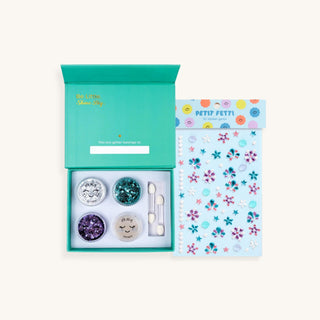
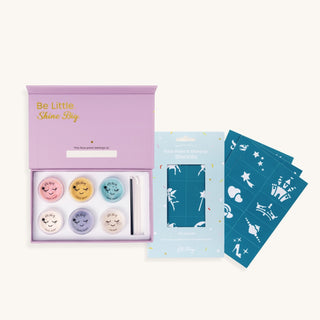
Looking for a clean beauty gift that’s safe, fun, and worry-free? This natural play makeup kit lets little ones explore color and creativity with non-toxic, skin-friendly formulas parents trust.
Each kit includes vibrant loose powder eyeshadows, soft blush, lipstick, and easy-to-use brushes—all housed in a premium magnetic box that’s perfect for gifting. The little pots are fully removable, so she can display them on her vanity, tuck them into a pretend purse, or take them along for imaginative play.
Natural Kids Play Makeup Kit
$34.99
$40.99
Looking for a clean beauty gift that’s safe, fun, and worry-free? This natural play makeup kit lets little ones explore color and creativity with non-toxic, skin-friendly formulas parents trust. Each kit includes vibrant loose powder eyeshadows, soft blush, lipstick, and… read more

4) Format-by-format: what to choose (and what to avoid) for a first kit
Instead of chasing the biggest set, build a small “capsule” that’s easy to apply and remove. Here’s how to evaluate common product types across kids makeup brands:
Lip balms and glosses
- Best for beginners: Sheer tint, balm texture, twist-up tubes or squeeze tubes that stay closed in a backpack.
- Watch-outs: Very sticky formulas (hair gets stuck), strong flavoring (encourages licking), intense stains that are hard to remove.
- Parent tip: Choose one “everyday” shade and one “dress-up” shade to keep it simple.
Powder eyeshadow
- Best for beginners: Pressed powders with soft payoff (buildable rather than highly saturated), and minimal fallout.
- Watch-outs: Chunky glitter near the eyes; crumbly pans that break and scatter.
- Parent tip: Use a clean fingertip or a small brush; avoid foam applicators that get gross quickly.
Cream shadows and face sticks
- Best for beginners: Cream-to-powder textures that dry down a bit and don’t feel slippery.
- Watch-outs: Very emollient sticks can smear and transfer onto clothing and bedding.
- Parent tip: If you buy a stick, label it with the child’s name and treat it like a personal item.
Blushes and highlighters
- Best for beginners: Soft, sheer blush that can’t easily be overdone. For highlight, lean toward a satin sheen instead of glitter.
- Watch-outs: Glitter highlight that sheds onto eyes; very deep pigments that look patchy on quick application.
Nail products (often marketed alongside makeup)
- Decide if you want it at all: Nail color is fun, but it’s also the most likely to chip and end up picked at.
- Watch-outs: Strong odors and unclear directions. Stick to brands that give clear usage and removal instructions.
- Parent tip: Keep nail products as “special occasion” unless you’re ready to manage chips and re-dos.
5) Hygiene and sharing: the non-negotiables for play makeup
Even the most thoughtfully formulated products can become a problem if they’re used like communal craft supplies. Comparing kids makeup brands should include how easy it is to keep products clean.
- One face, one set: Avoid sharing mascara, lip products, or stick products between siblings/friends. If sharing is unavoidable, choose products that can be dispensed (pump/squeeze) rather than swiped.
- Clean hands first: Make “wash hands” the step before “makeup time.” It reduces smudging and keeps pans cleaner.
- Use washable tools: Pick a couple of small brushes and wash them regularly with gentle soap; let them dry fully.
- Close lids tightly: Especially for creams and glosses to prevent drying out and mess.
- Set boundaries: No makeup on broken skin, and avoid the waterline/inside the eye area—stick to lids, cheeks, and lips unless the product is explicitly intended and labeled for a specific area.
Also check labels for any “use within” guidance (for example, a period-after-opening symbol) and discard products that smell off, change texture, or have been contaminated. When evaluating kids makeup brands, brands that provide clear use and care instructions make hygiene easier to enforce.
6) A simple routine that removes cleanly (and avoids bedtime drama)
The easiest “safe” routine is the one you can remove gently and consistently. Here’s a realistic approach for kids:
- Prep: Start with clean, dry skin. Skip heavy primers. If skin is dry, use a simple moisturizer earlier in the day rather than right before makeup.
- Apply sparingly: One product per area (one lip, one cheek, one lid) keeps it fun and prevents layering that’s hard to remove.
- Set expectations: Makeup is a “sometimes” accessory, not something that must stay perfect. This reduces rubbing and reapplying.
- Remove gently: Use a gentle cleanser and lukewarm water. For stubborn areas (like shimmer), use a soft cloth with cleanser rather than scrubbing. Pat dry.
- Aftercare: If skin feels dry, apply a basic moisturizer. Keep it simple.
If you’re comparing kids makeup brands, prioritize those with textures that come off without aggressive rubbing. Easy removal is an underrated safety and comfort factor, especially around the eyes.
7) Shopping checklist for comparing kids makeup brands (printable mindset)
Use this checklist as your quick “compare and decide” tool when browsing kids makeup brands online or in-store:
- Transparency: Full ingredient list available and easy to find.
- Clear use-area labeling: Lips/face/eyes specified; directions included.
- Low-mess formats: Sheer balms, pressed powders, simple compacts; minimal loose glitter.
- Fragrance choices: Consider fragrance-free if your child is sensitive; avoid intense scents if you want fewer variables.
- Hygiene-friendly packaging: Pumps/squeeze tubes close securely; minimal double-dipping.
- Age-appropriate payoff: Buildable color that won’t look harsh with quick application.
- Removal plan: You know exactly how it will come off at the end of the day.
- Patch test ready: You’re willing to patch test new items and discontinue anything that doesn’t agree with their skin.
Bottom line: how to choose kids makeup brands with confidence
The “best” choice among kids makeup brands is usually the one that’s most transparent, simplest to use, and easiest to remove—while fitting your child’s sensitivities and your household rules. Look past vague marketing claims and focus on the ingredient list, intended use directions, hygiene practicality, and whether the product is realistically wearable for a kid.
Check labels every time (especially for eye-area products), keep routines minimal, and patch test new products when appropriate. With a small, well-chosen kit, kids makeup brands can be a fun way to play with color and self-expression—without turning it into a complicated project.
For a complete guide on non-toxic play makeup, check out our in-depth resource: The Ultimate Guide to Non-Toxic Play Makeup for Kids for expert tips, product recommendations, and everything you need to know about choosing safe beauty play products for your child.

About the Author: This article was written by the contributing writers at Popsicle Beauty Club—a team of moms, educators, and clean beauty advocates passionate about creating a safer, more imaginative world for kids. We believe in empowering parents with trusted information and offering fun, non-toxic beauty and personal care products that let children play, express, and explore—without compromising their health.