
Table of Contents
- 1) What “safe” means for toddlers (and when to skip makeup)
- 2) Shopping criteria that matter most (before you even talk ingredients)
- 3) Label-reading for kid safe makeup: what claims help (and what doesn’t)
- 4) Ingredient and label guide: what to prioritize and what to avoid
- 5) Patch testing, supervision, and hygiene (the unglamorous safety basics)
- 6) A safer toddler makeup routine: prep, apply, remove
- 7) Bottom line: a quick checklist for safe makeup for toddlers
- FAQs
Safe Makeup for Toddlers: Ingredients, Labels, and Safer Play
Parents usually aren’t looking for a full glam moment—they’re looking for a way to let a little one “play makeup” without turning it into a skin or eye issue. That’s where the search for safe makeup for toddlers starts: not with perfection, but with smart boundaries, label-reading, and a routine that makes sense for toddler skin and toddler habits (rubbing eyes, touching mouths, and smearing everything everywhere).
This guide is designed for beauty shoppers and parents who want practical shopping criteria and realistic use advice. You’ll see what to prioritize on labels, how to think about common ingredients and “claims,” and how to set up safer play—including patch testing and removal—without fear-based messaging or medical promises.
1) What “safe” means for toddlers (and when to skip makeup)
Toddlers aren’t just “small adults.” Their skin can be more reactive, and their behavior matters as much as the formula: they touch their face constantly, may lick lips, and can get product into eyes more easily. So safe makeup for toddlers is less about chasing a single magic certification and more about reducing avoidable risk.
Situations where skipping makeup is the easiest “safer” choice:
- Active irritation (very dry patches, broken skin, or an obvious rash).
- Eye area sensitivity or frequent eye rubbing.
- Illness (runny nose + wiping + makeup can equal more irritation and mess).
- When you can’t supervise (toddlers can smear product into eyes or mouth quickly).
If you do choose makeup for play, consider it more like a short, supervised activity than an all-day wear product. Shorter wear time is a simple way to make safe makeup for toddlers more achievable in real life. For a related guide on toddler-friendly ingredient checks, our article on non toxic toddler makeup explains how to compare labels, claims, and safer product formats for younger children.
2) Shopping criteria that matter most (before you even talk ingredients)
When people ask “makeup for toddlers safe,” they often jump straight to ingredient lists. Ingredients matter, but shopping smart starts with a few practical filters:
- Choose products made for children’s play or very gentle use, not adult long-wear, waterproof, or high-pigment formulas. Heavy-duty performance often requires stronger film formers, solvents, or higher pigment loads that can be less forgiving on sensitive skin.
- Prefer simple formats that are easy to control: balms, creams, or face paints designed for quick removal. Extremely powdery products can become airborne and are easier to inhale or get into eyes.
- Look for clear “how to remove” instructions. If a brand tells you exactly how to remove it (and it’s realistic), that’s a good sign it’s meant for gentle use.
- Packaging that discourages contamination: pump, squeeze tube, or a stick you can wipe clean tends to be easier to keep hygienic than open jars. Toddlers will double-dip.
- Fragrance strategy: if your child tends to react to scented products, select fragrance-free options when available. “Unscented” may still include masking fragrance, so check the ingredient list.
These criteria won’t guarantee safe makeup for toddlers, but they will meaningfully lower the odds of common issues like stinging, irritation, and messy over-application.
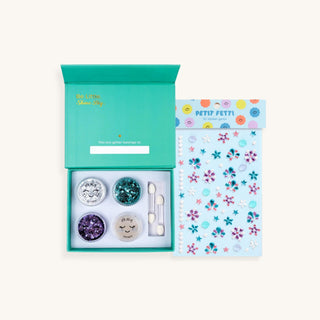
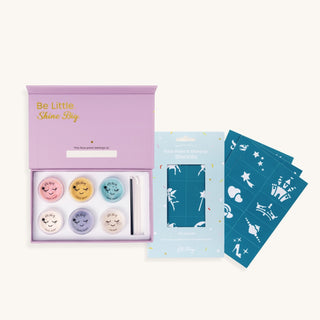
Looking for a clean beauty gift that’s safe, fun, and worry-free? This natural play makeup kit lets little ones explore color and creativity with non-toxic, skin-friendly formulas parents trust.
Each kit includes vibrant loose powder eyeshadows, soft blush, lipstick, and easy-to-use brushes—all housed in a premium magnetic box that’s perfect for gifting. The little pots are fully removable, so she can display them on her vanity, tuck them into a pretend purse, or take them along for imaginative play.
Natural Kids Play Makeup Kit

$34.99
$40.99
Looking for a clean beauty gift that’s safe, fun, and worry-free? This natural play makeup kit lets little ones explore color and creativity with non-toxic, skin-friendly formulas parents trust. Each kit includes vibrant loose powder eyeshadows, soft blush, lipstick, and… read more
3) Label-reading for kid safe makeup: what claims help (and what doesn’t)
Beauty labels can be noisy. For safe makeup for toddlers, focus on claims that connect to real-world use and avoid over-interpreting buzzwords.
Helpful on-pack information
- Full ingredient list (not just “proprietary blend”). Transparency matters.
- Clear intended use area (face vs. body vs. lips). A product made for body painting may not be appropriate for the eye area.
- Batch/lot number and shelf-life guidance (often shown as a “period after opening” icon). This helps you track freshness and decide when to toss.
- Removal instructions and caution statements (for example, avoiding mucous membranes). Practical and specific is better than vague.
Claims to treat carefully
- “Natural” or “clean”: these aren’t regulated in a single universal way and don’t automatically mean gentler. Botanicals can still irritate.
- “Non-toxic”: reassuring language, but still check the ingredient list and intended use. Any cosmetic can cause irritation for someone.
- “Hypoallergenic”: not a guarantee. Consider it a starting point, not a finish line.
In other words, “kids safe makeup” shopping is less about trusting a front-label vibe and more about reading what the product is, where it’s meant to go, and how it’s meant to come off.
4) Ingredient and label guide: what to prioritize and what to avoid
No single ingredient list can cover every child, and this isn’t medical advice. Still, there are consistent patterns that help when you’re trying to choose safe makeup for toddlers with fewer common triggers.
Often-friendly features (depending on the child)
- Shorter, simpler ingredient lists (fewer chances of a sensitivity).
- Barrier-supporting bases like gentle emollients (think balms/creams that feel cushioning rather than drying).
- Mineral-based color can be a good option for some families, especially when used away from the immediate eye line and applied lightly.
Ingredients and features that commonly cause problems in toddler use
- Fragrance and essential oils: these are frequent sensitivity triggers. If you’re unsure, fragrance-free is the easier path.
- Strong flavoring in lip products: it can encourage licking and eating the product. For toddlers, less “tasty” is often better.
- Alcohol-heavy, fast-drying formulas: can feel tight or sting on sensitive areas.
- Waterproof/long-wear claims: often harder to remove and may require stronger removers, increasing the chance of rubbing-related irritation.
- Loose glitter: it can migrate and irritate eyes. If you want sparkle, look for cosmetic products where shimmer is bound into the formula rather than free-floating craft glitter.
Also consider where the product will end up. Toddlers touch lips and eyes constantly, so even safe kids makeup should be chosen with the assumption that it may smear outside its “intended” area.
5) Patch testing, supervision, and hygiene (the unglamorous safety basics)
If you’re trying to make safe makeup for toddlers a reality, technique and hygiene matter as much as product choice.
Patch test (especially for first-time use)
When appropriate, patch test a new product before a party or photos. A practical approach:
- Apply a tiny amount to a small area (like the outer arm).
- Wait and observe over the next day for any irritation or discomfort.
- If anything seems off, stop using it and choose a simpler, fragrance-free alternative next time.
Patch testing can’t predict every reaction, but it’s a helpful step for safe makeup for toddlers—especially with fragranced products or face paints.
Supervise and set “no-go zones”
- Avoid the waterline and inner eye. Even gentle products can sting if they migrate.
- Keep it off broken skin and very irritated patches.
- Use less product than you think. A sheer swipe is easier to remove and less likely to clump or flake into eyes.
Don’t share adult makeup (and be careful sharing between kids)
Sharing increases contamination risk, and adult products may be more fragranced, more pigmented, or harder to remove. For “kid safe makeup,” it’s better to dedicate a small kit just for play, with tools you can clean.
6) A safer toddler makeup routine: prep, apply, remove
The easiest way to keep safe makeup for toddlers truly safer is to treat it like a short activity with a consistent beginning and end.
Prep (1–2 minutes)
- Start with clean, dry skin. If your child uses a simple moisturizer, apply a thin layer and let it settle. Too much slip can make pigments migrate into eyes.
- Tie hair back and keep a damp cloth nearby.
Apply (keep it minimal and placed)
- Best “starter” placements: a small cheek dot blended outward, or a balm tapped onto lips (not gloss that will spread).
- Use a clean fingertip or a soft, washable sponge. Brushes can be fine, but only if you’ll actually wash them.
- Skip tightlining, lash lines, and inner-corner sparkle. If you want “eye makeup,” consider a single dab of color on the outer brow bone area—away from the eye itself.
Remove (be gentle, don’t scrub)
- Use a mild cleanser and lukewarm water, or a gentle wipe designed for sensitive skin if that’s what you have. The goal is minimal rubbing.
- Hold a soft cloth on the area briefly to loosen product before wiping.
- Rinse thoroughly, especially around the mouth.
Aftercare
- Moisturize if needed with a simple, familiar product.
- Watch for discomfort (stinging, persistent redness). If it happens, keep the next play session simpler and shorter.
This kind of routine helps answer the real question behind “safe makeup for kids”: can we make this fun without turning it into a hard-to-remove, all-day situation?
7) Bottom line: a quick checklist for safe makeup for toddlers
If you want a simple way to evaluate safe makeup for toddlers before you buy or use, run through this checklist:
- Label clarity: full ingredients listed, intended use area stated, and realistic removal instructions.
- Formula choice: avoid waterproof/long-wear and very fragranced products; favor easy-to-remove creams or balms.
- Sparkle safety: skip loose glitter, especially near eyes.
- Hygiene: dedicated kid kit, clean hands/tools, no sharing adult makeup.
- Placement: keep product away from the waterline, inner eye, and broken skin.
- Patch test when appropriate—especially for first-time products or sensitive kids.
- Short wear time: supervised play, then gentle removal.
Safe makeup for toddlers is ultimately a combination of conservative product selection, careful placement, and a removal routine that doesn’t require scrubbing. Keep it minimal, keep it supervised, and let “easy to remove” be your north star.
For a complete guide on non-toxic play makeup, check out our in-depth resource: The Ultimate Guide to Non-Toxic Play Makeup for Kids for expert tips, product recommendations, and everything you need to know about choosing safe beauty play products for your child.
About the Author: This article was written by the contributing writers at Popsicle Beauty Club—a team of moms, educators, and clean beauty advocates passionate about creating a safer, more imaginative world for kids. We believe in empowering parents with trusted information and offering fun, non-toxic beauty and personal care products that let children play, express, and explore—without compromising their health.