
Table of Contents
- Introduction
- 1) Decide what kind of “play” you’re buying for (and match the format)
- 2) Prioritize removal and comfort over “intense color”
- 3) How to read the label on a kids play makeup set (without needing a chemistry degree)
- 4) “Non-toxic” claims: what they can mean—and what to verify
- 5) Glitter, pigments, and the eye area: choose intentionally
- 6) Hygiene and storage: the unglamorous difference between “fun” and “gross”
- 7) Shopping comparison checklist (bring this to your cart)
- Bottom line: the best kids play makeup set is the one you can live with
- FAQs
Introduction
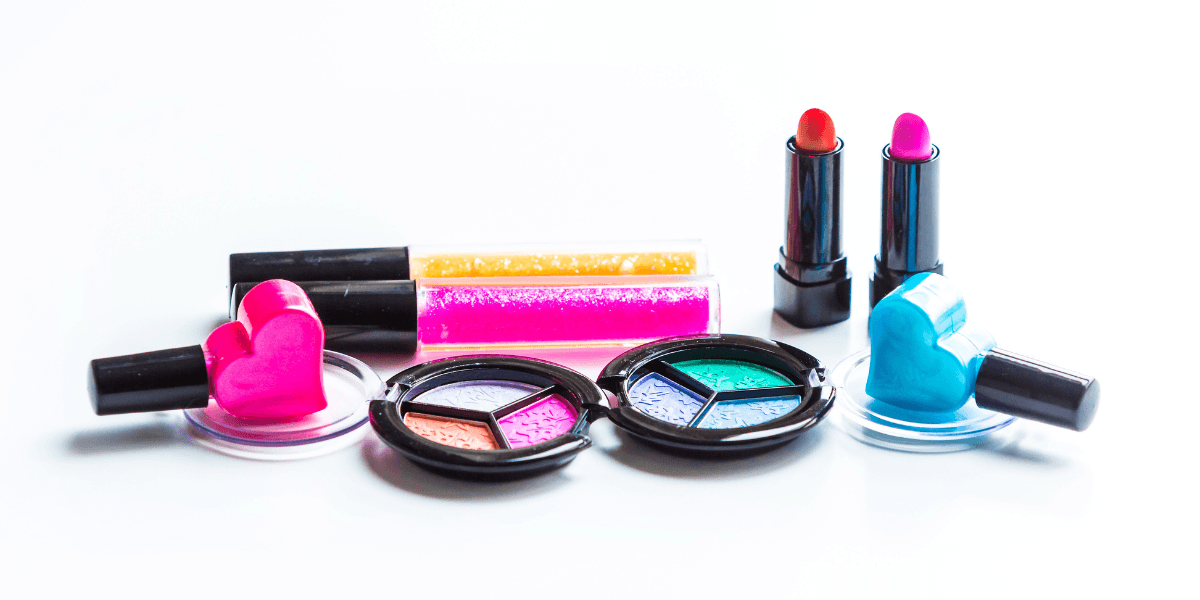
Shopping for a kids play makeup set is one of those “seems simple” purchases that gets complicated fast. Some sets are basically dress-up toys with waxy color, others are closer to real cosmetics in kid-friendly shades, and many are somewhere in the middle. As a parent (or gift-giver), you’re usually balancing three things: skin comfort, easy cleanup, and what your child will actually enjoy using.
This guide focuses on practical comparison points you can use while shopping for a kids play makeup set—without fear-based language or unrealistic promises. You’ll learn how to scan labels, choose formats that make sense for kids, and build a simple routine that keeps play fun and low-mess. And yes: it’s still smart to check labels and patch test when introducing anything new to skin.
1) Decide what kind of “play” you’re buying for (and match the format)
Not every child wants the same experience. Before comparing “best” sets, get clear on the use case—because the right kids play makeup set for a costume party is not necessarily the right one for casual weekend play.
- Dress-up, pretend application: Look for chunky, durable compacts, larger pans, minimal loose powder, and packaging that can handle drops. Some families prefer toy-like formats here to reduce the chance of staining.
- Beginner technique play: If your child loves copying your routine, prioritize easy-to-hold applicators and forgiving textures (think balms and cream sticks over dusty powders). Simple, sheer pigment is usually easier to manage.
- Occasional events (birthdays, photos, recitals): Choose fewer items but better usability—one lip product, one cheek color, and one shimmer is plenty. A smaller set can be less overwhelming and easier to keep clean.
If you're comparing larger kits versus beginner-friendly options, our guide to choosing a kids makeup set explains which products are most useful, what to skip, and how to shop based on your child's age and experience level.
Quick tip: If the set includes many tiny components (micro brushes, small pots, lots of loose pieces), plan for a parent-managed setup and cleanup. If you want independent play, simpler is almost always better.
2) Prioritize removal and comfort over “intense color”
With play makeup for kids, the best “performance” metric is often how easily it comes off—not how bold it looks. Highly pigmented formulas can be fun, but they can also mean more rubbing at removal time, which isn’t ideal for delicate skin.
What to look for when comparing sets
- Washability cues: Packaging may say “washes off with soap and water,” “easy to remove,” or similar. Treat these as helpful hints, not guarantees—different skin types and fabrics vary.
- Sheer-to-buildable color: Usually more forgiving for kids and less likely to leave a tint behind after removal.
- Textures that don’t crumble: Pressed powders that kick up dust can travel to clothes and carpet. Creams and balms often stay where they’re placed.
- Fragrance level: Strong fragrance can be a comfort issue for some kids. If your child is sensitive to scents, look for low-scent or fragrance-free options when available.
Removal reality check: Even gentle products can cling around the hairline and brows. Plan for a soft washcloth and a mild cleanser, and avoid aggressive scrubbing. If you’re unsure how your child’s skin will react, patch test a small amount on the inner arm before using it on the face.
3) How to read the label on a kids play makeup set (without needing a chemistry degree)
A kids play makeup set can be marketed as a toy, a cosmetic, or both depending on the brand and region. That’s why it’s worth slowing down and looking at the packaging like you would any personal-care product.
Label details worth checking
- Ingredient list: If it’s applied to skin, you should be able to find ingredients. If you can’t locate them (on the box, insert, or brand site), that’s a signal to pause and choose a more transparent option.
- Use area guidance: Some products specify “for lips,” “for face,” or “avoid eye area.” For kids, eye-area products deserve extra caution due to accidental rubbing and waterline contact.
- Age guidance and choking hazards: Tiny components, beads, and detachable parts matter. Even if makeup is “for kids,” it may not be appropriate for younger children.
- Expiration/PAO symbol: Cosmetics often use a “period after opening” jar icon (like 6M/12M). If you’re buying for occasional use, pick smaller sets you can finish or replace more easily.
- Manufacturer/importer info: Legit contact info and batch/lot codes are useful if you ever need to report a problem or ask a question.
When people search phrases like kids makeup set non toxic or non toxic kids makeup set, they’re usually looking for reassurance. The most reassuring signals are often clear ingredients, clear intended use, and clear company information—not just a big “clean” badge on the front.
4) “Non-toxic” claims: what they can mean—and what to verify
Terms like “non-toxic,” “clean,” and “natural” are used widely in marketing, but they don’t always mean the same thing from brand to brand. If you’re comparing a kids play makeup set labeled non toxic play makeup for kids, use the claim as a starting point and then confirm specifics.
Practical ways to evaluate “non-toxic” positioning
- Look for specifics, not just slogans: Does the brand explain what they avoid (for example, certain dyes or fragrances) and why? Vague promises are less helpful than a clear “free-from” list that matches your needs.
- Check if it’s meant for skin: Some “play” products are more like art supplies. Face-safe products should be marketed and labeled for cosmetic use with an ingredient list.
- Prefer reputable retail channels: Marketplace listings can mix sellers. Buy from sources where the product’s labeling matches the photos and you can easily return if something seems off.
- Don’t assume hypoallergenic: Even thoughtfully made products can irritate some kids. That’s why a patch test matters, especially with fragranced or glittery items.
Bottom line: “non-toxic” should never replace label reading. Treat it like a promise to verify rather than a conclusion.
For a deeper look at ingredient transparency, labeling, and what "non-toxic" claims actually mean, see our guide to non toxic kids makeup.
5) Glitter, pigments, and the eye area: choose intentionally
Glitter is often the main attraction in kids play makeup—and it’s also where parents most appreciate thoughtful kit design. For younger kids, consider whether you even want glitter near the eyes, because rubbing is common and fallout happens.
Smart glitter rules for kids
- Choose larger, face “topper” placement: If you use sparkle, placing it on cheeks (away from the lash line) is often easier to manage than on lids.
- Avoid loose glitter for independent play: Loose particles can migrate and make cleanup harder. Pressed shimmer is typically less messy than loose pots.
- Use an adult-assisted approach for eye looks: If your child wants eyeshadow, consider a simple one-shade wash and set expectations: no rubbing eyes, and hands washed first.
If a product label says to avoid the eye area, take that seriously and use it elsewhere (cheeks, temples) or skip it. When in doubt, keep play makeup to lips and cheeks.
6) Hygiene and storage: the unglamorous difference between “fun” and “gross”
Because a kids play makeup set is often shared (siblings, friends, sleepovers), hygiene matters more than adults expect. The goal isn’t perfection—it’s building a couple of easy habits that keep products usable and reduce the chance of irritation.
What to check in the kit
- Applicators: Foam tip wands and tiny brushes can be hard to clean. If the kit includes them, consider using your own washable brush set or disposable applicators for sharing situations.
- Packaging that closes tightly: Snap-shut compacts help prevent drying out and keep powders from crumbling in a backpack.
- Separate compartments: Mixed powders and creams get messy fast. Dividers keep colors from turning into one muddy pan.
Easy hygiene routine (2 minutes)
- Wash hands before play.
- No sharing lip products (a simple family rule). If sharing is unavoidable, use separate applicators and wipe the surface gently.
- Wipe down packaging with a slightly damp cloth after play, then let it dry before closing fully.
- Store cool and dry—not in a hot car or sunny windowsill.
Also, teach kids not to add water or saliva to “revive” products. It seems harmless, but it can change texture and cleanliness quickly.
7) Shopping comparison checklist (bring this to your cart)
If you’re choosing between two or three options, use this checklist to compare a kids play makeup set quickly and realistically.
- Ingredients listed and easy to find? Yes beats “not provided.”
- Intended use clearly stated? Face/lips/cheeks identified; cautions noted.
- Removal expectations reasonable? Avoid anything that seems like it will require heavy scrubbing.
- Mess factor fits your household? Pressed powders and balms usually create less mess than loose glitter and crumbly pans.
- Applicators and hygiene plan considered? Can you clean it, replace it, or supervise it?
- Age appropriateness and small parts checked? Especially if younger siblings are around.
- Shade selection makes sense? A few wearable colors beat 30 novelty shades that never get used.
For families specifically searching kids makeup set non toxic or non toxic play makeup for kids, add one more filter: does the brand explain what “non-toxic” means in their context, and does the ingredient list align with your comfort level?
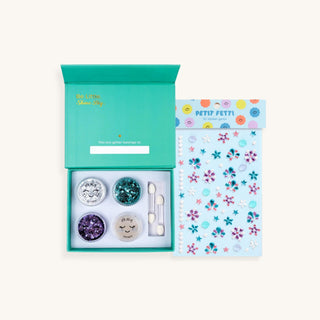
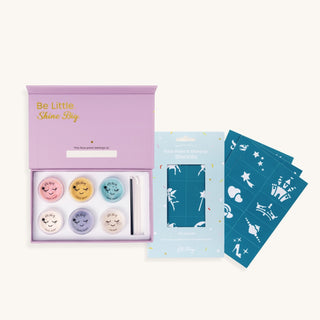
Looking for a clean beauty gift that’s safe, fun, and worry-free? This natural play makeup kit lets little ones explore color and creativity with non-toxic, skin-friendly formulas parents trust.
Each kit includes vibrant loose powder eyeshadows, soft blush, lipstick, and easy-to-use brushes—all housed in a premium magnetic box that’s perfect for gifting. The little pots are fully removable, so she can display them on her vanity, tuck them into a pretend purse, or take them along for imaginative play.
Natural Kids Play Makeup Kit
$34.99
$40.99
Looking for a clean beauty gift that’s safe, fun, and worry-free? This natural play makeup kit lets little ones explore color and creativity with non-toxic, skin-friendly formulas parents trust. Each kit includes vibrant loose powder eyeshadows, soft blush, lipstick, and… read more

Bottom line: the best kids play makeup set is the one you can live with
The “right” kids play makeup set is the one that matches your child’s style of play, removes without drama, and comes with labeling you can understand. Keep it simple: choose comfortable textures, avoid complicated glitter situations for independent play, and set up a quick hygiene routine. Most importantly, check labels before you buy and patch test when you introduce new products—especially if your child tends to be sensitive to fragrance or gets irritation easily. A thoughtfully chosen kids play makeup set can stay firmly in the fun zone: imaginative, expressive, and parent-approved.
For a complete guide on non-toxic play makeup, check out our in-depth resource: The Ultimate Guide to Non-Toxic Play Makeup for Kids for expert tips, product recommendations, and everything you need to know about choosing safe beauty play products for your child.
About the Author: This article was written by the contributing writers at Popsicle Beauty Club—a team of moms, educators, and clean beauty advocates passionate about creating a safer, more imaginative world for kids. We believe in empowering parents with trusted information and offering fun, non-toxic beauty and personal care products that let children play, express, and explore—without compromising their health.