
Table of Contents
- Introduction
- Why lip products can be trickier for kids
- How to read a kids lip gloss label: a fast, parent-friendly scan
- Ingredients many parents like to see in lip gloss kids
- Ingredients to think twice about (especially for everyday wear)
- Fragrance, flavor, and colorants: where irritation can hide
- Practical routine advice: patch test, hygiene, and kid-proof use
- Bottom line: a parent checklist for lip gloss kids
- FAQs
Introduction
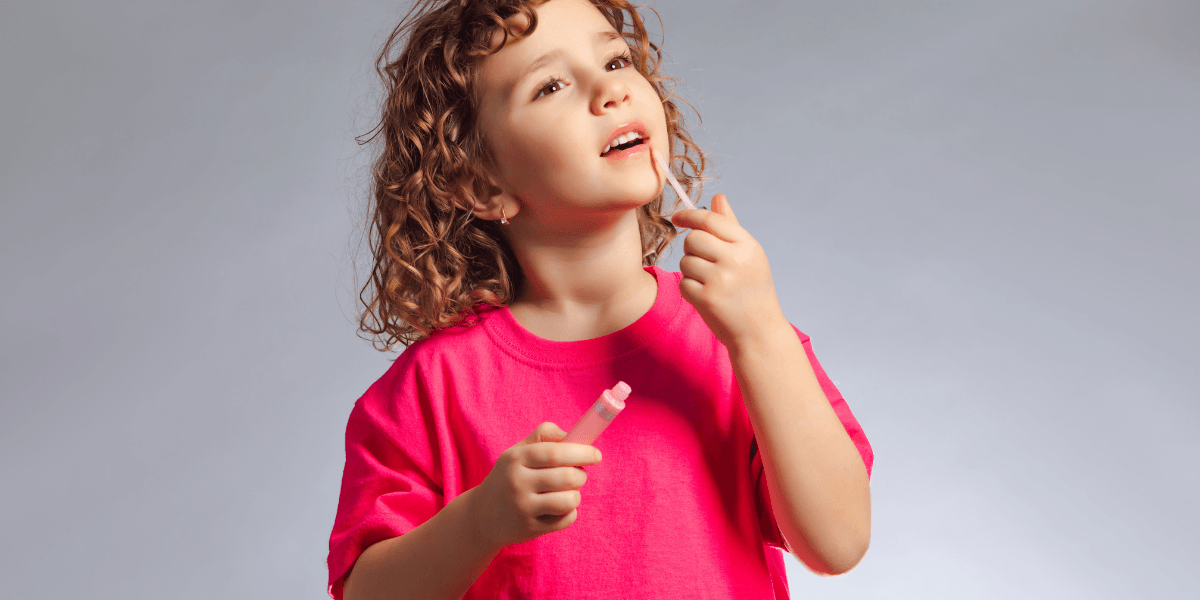
Shopping for lip gloss kids can feel deceptively simple—until you remember that gloss sits right where little hands touch, where snacks happen, and where products are most likely to be licked off. The goal isn’t to panic or to find a “perfect” formula; it’s to choose a gloss that’s comfortable, age-appropriate, and easy to use responsibly. This guide walks through the ingredient list in a practical way, so you can compare lip gloss kids options quickly, spot common irritants, and build a simple routine that keeps lips happy.
One note up front: the most reliable way to choose lip gloss kids is still to read the label and, when appropriate, patch test—even with “clean” or “non toxic” positioning. Kids’ skin can be more reactive, and flavors/fragrances can be surprisingly triggering for some.
Why lip products can be trickier for kids
Lip products are unique because they’re used on a sensitive area and are more likely to be ingested in tiny amounts through normal wear. That doesn’t automatically make gloss “dangerous,” but it does change what many parents prioritize. For a deeper look at ingredient safety, packaging, and age-appropriate gloss choices, read our guide to lip gloss for kids ingredients parents should check. For lip gloss kids, shoppers often look for:
- Simple formulas (fewer ingredients can make troubleshooting easier if irritation happens)
- Lower irritation potential (especially around flavors, fragrances, and certain botanical extracts)
- Gentle texture that doesn’t encourage constant rubbing/licking
- Good hygiene format (tube or wand that’s easy to keep clean and not share)
Also consider the “why” behind the purchase. Is it for dress-up play at home, a school-friendly shine, or a dry-lip helper during colder months? Clarifying the use case helps you choose the right texture (balmy vs. high-shine) and whether you truly need strong flavor/scent.
How to read a kids lip gloss label: a fast, parent-friendly scan
When you pick up a gloss, you’ll usually see an ingredient list (often called INCI). Here’s a quick way to scan lip gloss kids without needing a chemistry degree:
- Start with the first 5–8 ingredients. These typically make up most of the formula. In a gloss, this is often a blend of oils, waxes, butters, emollients, and film-formers.
- Look for “flavor” and “fragrance.” These can be enjoyable, but they’re common sensitivity points.
- Check the pigment section. Colorants may appear as specific names or as “may contain” lists (often including CI numbers).
- Note the format and applicator. A squeeze tube can be more hygienic for kids than a pot, and less shareable than a wand in some situations.
- Find basic usage guidance. Some brands include age recommendations, “external use only,” and shelf-life symbols (like a small jar icon with “6M/12M”).
If the label doesn’t clearly list ingredients, that’s a reason to pause—especially for lip gloss kids. Transparent labeling is part of responsible shopping.
Ingredients many parents like to see in lip gloss kids
There’s no single “best” ingredient list, but many families prefer lip-friendly ingredients that support a comfortable feel. When browsing kids lip gloss or lip gloss for kids, these are commonly viewed as helpful building blocks:
Comfort oils and emollients
- Plant oils (like jojoba, sunflower, or coconut oil) for slip and softness
- Castor oil (common in gloss for shine and cushion)
- Squalane (lightweight, often well-tolerated)
Protective waxes and butters
- Beeswax or candelilla wax for structure (note: beeswax is not vegan; candelilla is plant-based)
- Shea butter or cocoa butter for a balmy feel
Gentle humectants (in some formulas)
- Glycerin can help with moisture, but in a gloss it’s usually part of a broader base and may not appear in every formula.
When shoppers search for clean lip gloss for kids or organic lip gloss for kids, they’re often aiming for simpler, more recognizable emollients and fewer strong additives. Just remember: “clean” and “organic” are marketing terms that vary by brand and region, so it’s still about the specific ingredient list and how your child tolerates it.
If you are in the market for a non-toxic lip gloss, we suggest this 3-set option by Oh Flossy.
Natural Lip Gloss for Kids – Gift Set or Singles
$16.99
This clean lip gloss gift set for kids includes three naturally flavored glosses—Strawberry, Cotton Candy, and Grape—in a shop–style gift box designed by Australian artist Rosa Ronco. Handmade in Australia with natural, vegan-friendly, biodegradable, and non-toxic ingredients, each gloss uses… read more

Ingredients to think twice about (especially for everyday wear)
This section isn’t a list of “bad” ingredients; it’s a list of common things parents may choose to minimize in lip gloss kids—particularly if a child has sensitive skin, a history of irritation, or tends to lick their lips a lot.
Fragrance and certain essential oils
- Fragrance/parfum can smell fun, but it’s one of the most common triggers for sensitivity.
- Essential oils (peppermint, cinnamon, citrus, etc.) are popular for “tingle” or flavor but can be irritating for some kids, especially around the mouth.
“Plumping” or “tingling” ingredients
- Adult-style plumping glosses may include ingredients designed to create a sensation. For many families, that’s simply not the vibe for lip gloss kids. If a product promises tingling, consider skipping it for children.
Strong flavors and sweeteners
- Flavor can make gloss more appealing, but very sweet or intense flavors may encourage licking and reapplying constantly. If your child tends to lick their lips, a lightly flavored (or unflavored) option may work better.
Potentially sensitizing botanical extracts
- Botanical ingredients can be lovely, but “natural” doesn’t automatically mean gentle. If your child has reacted to certain plants before, keep the formula minimal.
If you’re specifically searching for non toxic lip gloss for kids, it helps to translate that intent into concrete label preferences: fewer irritants, no “tingle,” and clear ingredient disclosure—rather than relying on one buzzword.
Fragrance, flavor, and colorants: where irritation can hide
Even when the base of a gloss is simple, the extras can be what make or break comfort. For lip gloss kids, pay extra attention to these areas:
Fragrance
If your child has eczema-prone skin or you’ve had past issues with scented products, consider choosing fragrance-free. If you do choose a scented gloss, start with occasional wear and watch for dryness, redness, or a rash at the lip line.
Flavor
Flavor is common in kids lip gloss. If a child is prone to lip licking, you may prefer a low-flavor option. Licking can worsen dryness and can also spread product beyond the lips, increasing the chance of irritation around the mouth.
Colorants and shimmer
Colorants can be listed as specific pigments or CI numbers, and shimmer often comes from mineral powders or pearlescent ingredients. Many kids do fine with shimmer, but if you notice gritty texture, watering eyes, or irritation after use, try a non-shimmer formula. Also consider staining potential: bold pigments can transfer to clothes and may be harder to remove from sensitive skin.
Practical routine advice: patch test, hygiene, and kid-proof use
Great ingredients can’t compensate for messy use habits. A few realistic steps can make lip gloss kids work better day to day:
How to patch test a lip product (simple version)
Patch testing is especially helpful if your child is sensitive or if the gloss has fragrance/flavor.
- Apply a tiny amount to a small area of skin (many parents use the inner forearm).
- Wait and observe over the next day. Reapply once if you want a more realistic test.
- Stop if irritation appears (redness, itching, burning, bumps).
When you move to the lips, start with a thin layer and keep the first wear short. If your child reports stinging, remove it and switch to a simpler formula.
Hygiene rules that actually stick
- Don’t share gloss between siblings or friends. This is one of the easiest ways to spread germs.
- Choose a format that matches the child. Squeeze tubes can be more hygienic than pots. Wand applicators can be fine, but teach kids not to touch the wand to fingers or surfaces.
- Cap it immediately to keep the applicator clean and prevent spills in backpacks.
When to replace
- If the gloss smells “off,” changes texture, or has been used during an illness, it’s reasonable to replace it.
- Look for the small jar symbol (PAO) on the packaging and use it as a general guide.
How much and how often?
For everyday comfort, a thin layer is usually enough. If a child is reapplying constantly, consider whether the formula is too fragranced, too sticky, or not moisturizing enough—and whether a basic balm (with minimal flavor) is a better daily option, saving gloss for special occasions.
Bottom line: a parent checklist for lip gloss kids
The best lip gloss kids is the one that your child enjoys and your family can use consistently and hygienically. Use this quick checklist while shopping:
- Label clarity: Full ingredient list available and easy to read
- Comfort-first base: Oils/waxes/butters that feel smooth (not gritty or intensely sticky)
- Low irritation extras: Consider fragrance-free or lightly scented; avoid “tingle” effects for kids
- Flavor realism: Mild flavor can be fun; strong flavors may encourage lip licking
- Kid-proof format: Tube or easy-to-clean packaging; minimal mess; easy to cap
- Patch test: Especially if your child is sensitive or the gloss is fragranced/flavored
- Hygiene plan: No sharing; replace if smell/texture changes or after illness
If you’re comparing options marketed as clean lip gloss for kids, organic lip gloss for kids, or non toxic lip gloss for kids, anchor your decision in the ingredient list and your child’s personal sensitivities. With a simple label scan, a quick patch test, and smart use habits, lip gloss kids can be a fun, low-stress addition to a kid’s routine.
Curious about which harmful ingredients to avoid in your child's beauty products? Read The Truth About Harmful Beauty Ingredients for Kids to uncover the hidden toxins in mainstream makeup, skincare, and hair care—and discover safer alternatives.
About the Author: This article was written by the contributing writers at Popsicle Beauty Club—a team of moms, educators, and clean beauty advocates passionate about creating a safer, more imaginative world for kids. We believe in empowering parents with trusted information and offering fun, non-toxic beauty and personal care products that let children play, express, and explore—without compromising their health.