

Table of Contents
- Introduction
- 1) What “organic” can (and can’t) tell you about a kids lip gloss
- 2) Start with the base: oils, butters, and waxes that make up most of the formula
- 3) Shine and “gloss effects”: what creates the sparkle or high-shine finish
- 4) Flavor, fragrance, and “natural aroma”: the #1 area to scrutinize for kids
- 5) Preservatives and stability: especially important if water is in the formula
- 6) Ingredients many parents choose to avoid in kids gloss (and why)
- 7) How to use organic lip gloss for kids more safely: patch testing, sharing rules, and cleanup
- Bottom line: a quick checklist for choosing organic lip gloss for kids
- FAQs
Introduction
Shopping for organic lip gloss for kids can feel deceptively simple: pick the cutest tube, choose a fun flavor, and call it a day. But because lip products sit right on the mouth (and get tasted throughout the day), parents often want a more ingredient-focused approach than they’d use for, say, body glitter or nail stickers. The good news: you don’t need a chemistry degree. You just need a clear checklist, a realistic sense of what “organic” can and can’t guarantee, and a few practical habits (like patch testing) that make any organic lip gloss for kids feel more comfortable to use.
Below is an editor-style guide to help you read labels, compare formulas, and choose a gloss that fits your family’s preferences—without panic, promises, or vague “clean” buzzwords.
1) What “organic” can (and can’t) tell you about a kids lip gloss
“Organic” usually refers to how certain agricultural ingredients were grown (for example, plant oils or waxes). That can be meaningful, but it doesn’t automatically mean a product is:
- Safer for every child (kids can still react to natural ingredients like citrus oils or fragrance).
- Free of allergens (botanical extracts, nut oils, and flavorings can still be triggers).
- Preservative-free (and for water-containing formulas, preservatives are often necessary to help prevent microbial growth).
When you’re looking for organic lip gloss for kids, treat “organic” as one useful data point—not the whole decision. The more helpful approach is to scan the ingredient list for a simple, well-explained base and avoid ingredients your child is sensitive to.
2) Start with the base: oils, butters, and waxes that make up most of the formula
Most organic lip gloss for kids formulas are built on a blend of oils, butters, and waxes. These create slip, shine, and a protective feel. A short list with recognizable ingredients can be a plus for parents who prefer minimal formulas.
Common base ingredients you may see
- Plant oils (like castor, coconut, olive, sunflower, jojoba): provide slip and shine.
- Butters (like shea or cocoa): add cushion and reduce that “thin gloss” feel.
- Waxes (like beeswax or plant waxes such as candelilla or carnauba): help the gloss stay put and reduce drips.
- Vitamin E (often listed as tocopherol): commonly used as an antioxidant to support oil freshness.
What to check as you compare products:
- Texture vs. stickiness: A very high wax content can feel draggy; a very high oil content can migrate outside the lip line—especially on younger kids who lick their lips.
- Potential allergens: Nut-derived ingredients (like sweet almond oil) or bee-derived ingredients (beeswax) may not fit every family’s needs.
- Ingredient transparency: Look for clear labeling of flavor and fragrance components (more on this below), since those are common sensitivity triggers in kids lip gloss products.
3) Shine and “gloss effects”: what creates the sparkle or high-shine finish
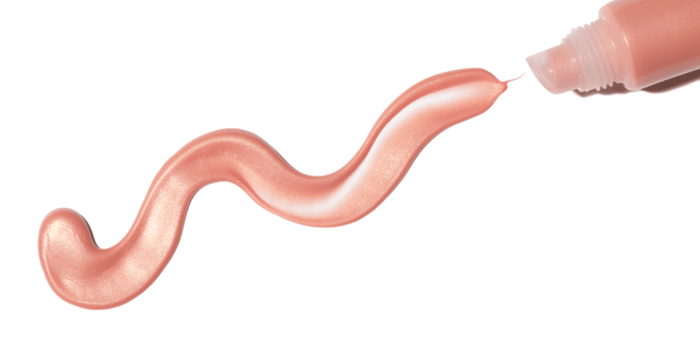
That glossy look can come from oils alone, but many lip gloss for kids products add special effect ingredients for extra shine or shimmer. If your child is young or tends to rub their mouth, you may prefer a simpler, non-shimmery finish that’s less likely to end up on cheeks and hands.
Common shine/shimmer ingredients
- Mica: adds shimmer. Often paired with iron oxides or titanium dioxide for color/brightness.
- Mineral pigments: can add a soft tint without looking like “grown-up lipstick.”
Shopping tip: If you’re choosing organic lip gloss for kids for everyday use (school, playdates, sports), consider a clear or lightly tinted gloss without visible glitter particles. If you’re buying for dress-up, shimmer can be fun—just plan for a more careful application and easier cleanup.
4) Flavor, fragrance, and “natural aroma”: the #1 area to scrutinize for kids
Flavor and scent are often the main selling point of kids organic lip gloss—and also the main reason some kids end up irritated around the mouth. “Natural flavor,” “aroma,” “fragrance,” and essential oils can all contribute to taste and smell, but they can also be more sensitizing for some children than the base oils and waxes.
What to look for on the label:
- Clear flavor naming (e.g., “vanilla flavor”) instead of a vague scent cloud with no details.
- Lower scent intensity if your child has sensitive skin or a history of reacting to fragranced products.
- Avoiding “tingle” sensations: Some glosses include ingredients that create a plumping or cooling feel. For kids, many parents prefer to skip anything designed to tingle, warm, or “plump.”
Practical rule: The more dessert-like the flavor profile, the more likely a child will lick their lips frequently. That can lead to dryness over time and can turn any non toxic lip gloss for kids routine into a constant reapplication cycle. If that happens in your house, try switching to a milder flavor or an unflavored option.
5) Preservatives and stability: especially important if water is in the formula
Many glosses are anhydrous (oil/wax-based) and don’t contain water. If a formula includes water or aloe juice, it typically needs a preservative system to help keep the product stable during normal use (opening, closing, being carried around, and touched by an applicator). Parents sometimes seek “preservative-free,” but for water-containing products that can be a tradeoff you may not actually want—especially for kids lip gloss that will be used on-the-go.
How to assess this without getting overwhelmed:
- Scan the top of the ingredient list: If you see water (aqua) high up, prioritize brands that clearly explain shelf life and storage.
- Prefer packaging that limits contamination: squeeze tubes can be easier to keep clean than doe-foot wands for younger kids.
- Watch for smell/texture changes: If the gloss smells “off,” separates oddly, or changes texture significantly, replace it.
When choosing organic lip gloss for kids, think in terms of “clean use habits” as much as “clean ingredients.” A well-formulated product still needs hygienic handling.
6) Ingredients many parents choose to avoid in kids gloss (and why)
Different families have different comfort levels. The goal here isn’t to imply that any single ingredient is automatically “bad,” but to highlight common avoid-list items for parents shopping for clean lip gloss for kids. If any of these are non-negotiables for you, filter your shopping accordingly.
- Strong fragrance blends: Often avoided due to potential sensitivity around the mouth.
- Essential oils near the lip area: Some families avoid peppermint, cinnamon, citrus, or other aromatic oils on kids because they can feel intense or irritating for some users.
- Plumping or “tingling” agents: Many parents prefer kid products that feel neutral and comfortable.
- Loose glitter: Can migrate and feel gritty. If your child rubs their eyes, glitter fallout can be a nuisance.
- Highly staining dyes: Not a safety issue by default, but can become a practical problem (stained clothing, bedding, and car seats). For younger kids, less stain is usually more manageable.
If you’re specifically shopping for non toxic lip gloss for kids, it’s also worth watching for confusing marketing language. Phrases like “chemical-free” aren’t meaningful (everything is made of chemicals). Ingredient lists and usage instructions tell you far more than slogans. For a more detailed breakdown of ingredients many families choose to filter out, see our guide to non toxic lip gloss for kids.
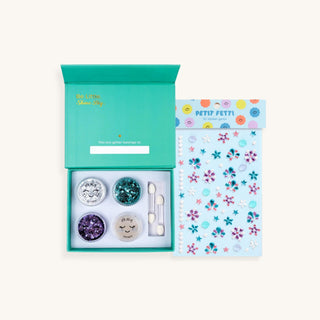
In the market for clean and safe lip gloss for your loved one? We highly recommend this lipgloss by Oh Flossy.
Natural Lip Gloss for Kids – Gift Set or Singles

$16.99
This clean lip gloss gift set for kids includes three naturally flavored glosses—Strawberry, Cotton Candy, and Grape—in a shop–style gift box designed by Australian artist Rosa Ronco. Handmade in Australia with natural, vegan-friendly, biodegradable, and non-toxic ingredients, each gloss uses… read more
7) How to use organic lip gloss for kids more safely: patch testing, sharing rules, and cleanup
Even a thoughtfully chosen organic lip gloss for kids can cause an issue if a child is sensitive to a specific ingredient—or if the gloss is used in ways that increase irritation (constant licking, sharing, applying on chapped skin). A simple routine helps.
Patch test (especially for new brands, flavors, or botanicals)
- Apply a tiny amount to a small area of skin (many parents choose the inner forearm).
- Wait and observe. If any irritation develops, don’t use it on the lips.
- If your child has a history of sensitivities, introduce one new product at a time so you can identify the cause if there’s a reaction.
Note: Patch testing is a practical precaution, not a guarantee. The lip area can be more reactive than arm skin, so start with a light application the first few wears.
Create “no sharing” rules
Kids lip gloss is the kind of product children love to trade. For hygiene, it’s best kept personal—one tube per child. If you’re buying party favors, consider sealed, individual items rather than a shared tester-style setup.
Apply on healthy skin and keep it simple
- Avoid applying over broken or very chapped skin if your child tends to get irritated easily; focus on a bland, fragrance-free balm first, then gloss on top when comfortable.
- Use a tiny amount: With kids, the thinnest layer usually looks best and reduces migration outside the lip line.
- Choose the right applicator: Squeeze tubes can be simpler for quick swipes. If using a wand, teach “one dip” to reduce contamination.
Know when to toss it
- If it smells rancid or “crayon-like,” the oils may be past their best.
- If it separates and won’t remix with gentle warming between hands, replace it.
- If your child has been sick, consider replacing frequently used mouth-adjacent products.
Bottom line: a quick checklist for choosing organic lip gloss for kids
The best organic lip gloss for kids is the one that matches your child’s age, habits, and sensitivities—and that you can use consistently without drama. Before you buy, run through this quick framework:
- Label first: Can you identify the base oils/waxes and the flavor/fragrance approach?
- Keep it gentle: If your child is sensitive, aim for low-scent or unflavored options and skip “tingle” effects.
- Pick practical packaging: A squeeze tube is often easier and cleaner for younger kids than a wand.
- Plan for real life: Clear or lightly tinted gloss is lower-maintenance than heavy shimmer or staining pigments.
- Patch test: Especially when trying a new organic lip gloss for kids formula with botanicals, flavor, or fragrance.
With a simple ingredient scan and a few use habits, shopping for organic lip gloss for kids can be fun and low-stress—while still aligning with the safety-minded choices many parents prefer.
Curious about which harmful ingredients to avoid in your child's beauty products? Read The Truth About Harmful Beauty Ingredients for Kids to uncover the hidden toxins in mainstream makeup, skincare, and hair care—and discover safer alternatives.

About the Author: This article was written by the contributing writers at Popsicle Beauty Club—a team of moms, educators, and clean beauty advocates passionate about creating a safer, more imaginative world for kids. We believe in empowering parents with trusted information and offering fun, non-toxic beauty and personal care products that let children play, express, and explore—without compromising their health.