
Table of Contents
- Introduction
- 1) What “clean” really means (and why it’s tricky)
- 2) Teen skin priorities: comfort, removability, and barrier-friendly formulas
- 3) A practical label-reading checklist (what to look for on the box)
- 4) “Clean” doesn’t automatically mean “safe for everyone” (patch testing matters)
- 5) What to buy first: a teen-friendly clean makeup starter kit
- 6) A realistic everyday routine for clean makeup for teens (school, sports, weekends)
- 7) Hygiene rules that matter (especially for teens)
- Bottom line: how to choose clean makeup for teens without overthinking it
- FAQs
Introduction
Shopping for clean makeup for teens can feel like a maze: “clean,” “non-toxic,” “natural,” and “gentle” are everywhere, but they don’t all mean the same thing. Teens also have unique needs—busier schedules, more sweat and oil, more experimentation, and often more sensitivity from acne treatments or new skincare routines.
This guide is built for parents and teen shoppers who want practical, non-alarmist direction. You’ll get clear shopping criteria, realistic routine advice, and label-reading tips—without scare tactics or miracle claims. When in doubt, remember two basics: check labels (don’t rely on front-of-box marketing), and patch test new products before wearing them all day.
1) What “clean” really means (and why it’s tricky)
There’s no single legal definition of “clean” in makeup. Different brands use the word to mean different things: fewer ingredients, more plant-derived ingredients, certain ingredients excluded, or a focus on transparency. That’s why the best approach is to decide what “clean” means for your household and then shop consistently by those criteria.
When people search for clean makeup for teens, they’re usually looking for one (or more) of the following:
- Gentler formulas that are comfortable on young skin and easy to remove.
- Clear ingredient disclosure (so you can avoid known irritants or allergens).
- Fewer fragrance-heavy or sensitizing products, especially for daily wear.
- Age-appropriate performance: light coverage, easy blending, non-sticky textures.
Instead of chasing a label, treat “clean” as a starting point for better shopping habits: check the ingredient list, choose products that fit your teen’s routine, and prioritize removal and skin comfort over maximum wear-time. For a broader guide to beauty claims and ingredient transparency, read our article on clean beauty for kids.
2) Teen skin priorities: comfort, removability, and barrier-friendly formulas
Teen skin isn’t automatically “delicate,” but it often behaves differently than adult skin. Hormonal shifts can increase oiliness and breakouts, and many teens use acne-focused skincare that can make skin more reactive or dry.
When choosing clean makeup for teens, prioritize:
- Lightweight textures (tints, sheer concealers, satin powders) that don’t feel heavy during school or sports.
- Easy removal, because sleeping in makeup is a bigger risk than most individual ingredients for day-to-day skin trouble.
- Fragrance awareness: fragrance isn’t automatically “bad,” but it’s a common reason people react to products. If your teen is sensitive, look for “fragrance-free” (not just “unscented”).
- Non-sting formulas, especially around eyes and lips.
Also consider lifestyle: if a teen is in band, theater, sports, or long school days, you may want a balance between comfort and staying power. The “best” option is the one they’ll actually use correctly (and remove nightly).
3) A practical label-reading checklist (what to look for on the box)
“Clean” marketing is usually on the front. The information you need is on the back. Here’s a checklist you can use in-store or while scrolling:
Ingredient and claim checks
- Fragrance: Look for “fragrance-free” if sensitivity is a concern. If the list includes “fragrance/parfum” or many essential oils, be extra cautious for daily use.
- Essential oils and botanical extracts: These can be lovely, but they can also irritate some people. More plant ingredients doesn’t always mean gentler.
- Dyes and pigments: Color cosmetics rely on pigments. If your teen has had irritation from certain color products before, compare ingredient lists across what worked and what didn’t.
- Long-wear claims: Very budge-proof products can be harder to remove. If your teen isn’t consistent with cleansing, choose easier-wash formulas.
Packaging and usability checks
- Clear expiration guidance: Look for a PAO symbol (like 6M/12M) and follow it, especially for mascara and liquid liners.
- Applicator hygiene: Squeeze tubes and pump bottles can be more hygienic than open jars for teens who share bathrooms or gym bags.
- Shade flexibility: Sheer or buildable formulas reduce the chance of a mismatch and make mornings easier.
If you’re comparing clean makeup brands for teens, transparency matters: brands that clearly list ingredients, explain what they exclude (without fear-based framing), and provide basic usage and removal directions are usually easier to shop.
4) “Clean” doesn’t automatically mean “safe for everyone” (patch testing matters)
Even products marketed as “clean,” “natural,” or “gentle” can cause irritation for some people. Skin reactions are individual, and teens may be trying multiple new products at once (skincare, body sprays, hair products), which makes it hard to identify the culprit.
Build in two simple habits:
- Patch test a new face product before full-face wear. Apply a small amount to a discreet area (like along the jawline) and wait to see how skin responds before using it daily.
- Introduce one new product at a time for a few days. If something stings or causes persistent redness, stop using it and simplify.
This is especially important when shopping for clean makeup for kids or younger teens who may have less experience recognizing early irritation and removing product promptly. If you’re comparing products for younger siblings too, our guide to the best non toxic makeup for kids explains what to look for and what to skip.
5) What to buy first: a teen-friendly clean makeup starter kit
If your goal is best clean makeup for teens in practice—not just in theory—start with categories that are forgiving, quick, and easy to remove. A good starter kit doesn’t need a full face of products.
Best first purchases (simple and low-fuss)
- Tinted lip balm or lip oil: Low-commitment color, easy reapplication, and usually minimal technique required.
- Lightweight concealer: Spot-conceal where needed instead of covering the entire face. This supports a more natural look and can feel more comfortable.
- Powder (optional): A light dusting in the T-zone can reduce shine without heavy coverage. Choose finely milled powders that don’t look chalky.
- Cream blush: Blends quickly with fingers, tends to look fresh, and works for minimal routines.
Proceed with extra care
- Mascara: Great impact, but hygiene matters. Replace regularly, don’t share, and stop if there’s eye irritation.
- Liquid eyeliner: Higher chance of user error, tugging, or watery-eye smudges. A pencil liner can be easier for beginners.
- Full-coverage foundation: Not “bad,” but often unnecessary for teens and can be harder to remove. If you buy one, prioritize comfort and easy cleansing.
For families also shopping clean kids makeup for younger siblings, lean even more toward simple lip products and subtle cheek color, and keep the focus on removability and hygiene over strong pigments or long-wear claims.
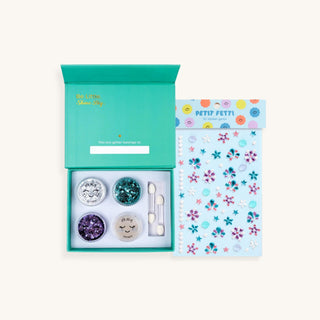
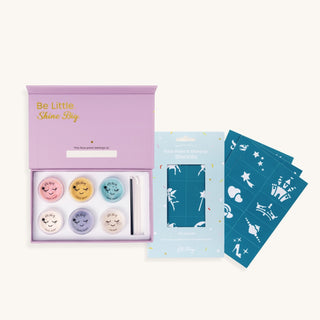
Looking for a clean beauty gift that’s safe, fun, and worry-free? This natural play makeup kit lets little ones explore color and creativity with non-toxic, skin-friendly formulas parents trust.
Natural Kids Play Makeup Kit
$34.99
$40.99
Looking for a clean beauty gift that’s safe, fun, and worry-free? This natural play makeup kit lets little ones explore color and creativity with non-toxic, skin-friendly formulas parents trust. Each kit includes vibrant loose powder eyeshadows, soft blush, lipstick, and… read more

6) A realistic everyday routine for clean makeup for teens (school, sports, weekends)
The most “clean” routine is the one that’s consistent, comfortable, and removed at night. Here’s a simple framework teens can actually follow.
Morning (5 minutes)
- Clean hands before touching face products.
- Basic skincare: moisturizer (and sunscreen if it’s part of your routine).
- Spot concealer only where needed; blend with fingers or a clean sponge.
- Cream blush tapped on cheeks (and a tiny bit on lips if desired).
- Mascara (optional) for definition.
After school or sports
- If there’s heavy sweat, consider a quick rinse or gentle cleanse before reapplying anything.
- Reapply lip product as needed rather than layering multiple face products.
Night (non-negotiable)
- Remove makeup fully. If using wipes, follow with a gentle cleanser when possible so residue isn’t left behind.
- Cleanse with a mild face wash.
- Moisturize to support comfort and reduce the urge to overcorrect with more makeup the next day.
This routine works whether you’re buying clean makeup for teens for a first-time user or helping a more makeup-savvy teen simplify for daily wear.
7) Hygiene rules that matter (especially for teens)
Hygiene is one of the biggest “safety” factors in cosmetics—often more important than whether a product is labeled clean. Makeup gets used in lockers, backpacks, cars, and sleepovers. Set up simple rules that are easy to follow:
- Don’t share mascara, eyeliner, or lip products. If friends want to try shades, swatch on a clean tool or hand, not directly from the applicator.
- Wash tools (sponges/brushes) regularly. Dirty tools can make makeup look patchy and can contribute to irritation.
- Keep lids closed and don’t add water or saliva to products.
- Replace eye products when they’re old, dry, or smell “off,” and after any eye infection.
For households buying kids clean makeup or clean makeup for kids, consider keeping products in a dedicated pouch and supervising use until the “no sharing, remove at night” habits are automatic.
Bottom line: how to choose clean makeup for teens without overthinking it
Clean makeup for teens is easiest to shop when you focus on a few non-negotiables: transparent labels, fragrance awareness, comfortable textures, and easy removal. Choose beginner-friendly categories first (tinted lips, spot concealer, cream blush), keep hygiene simple, and make nightly makeup removal part of the routine.
If you’re comparing options across clean makeup brands for teens, don’t let a “clean” badge do all the work. Check labels, avoid known personal triggers, and patch test new products—especially anything used around the eyes. The best clean makeup for teens is the one that fits their real life: school mornings, sports practices, sleepovers, and a routine they can repeat comfortably.
For a complete guide on non-toxic play makeup, check out our in-depth resource: The Ultimate Guide to Non-Toxic Play Makeup for Kids for expert tips, product recommendations, and everything you need to know about choosing safe beauty play products for your child.
About the Author: This article was written by the contributing writers at Popsicle Beauty Club—a team of moms, educators, and clean beauty advocates passionate about creating a safer, more imaginative world for kids. We believe in empowering parents with trusted information and offering fun, non-toxic beauty and personal care products that let children play, express, and explore—without compromising their health.