
Table of Contents
- Introduction
- Popsicle safety snapshot
- What “natural makeup” means (and what it doesn’t)
- Why natural makeup can matter more for kids than adults
- What to choose instead of coverage makeup (Foundationless, but still fun)
- How to choose
- Ingredient and label checklist
- Common mistakes to avoid
- What brands offer play makeup that looks sheer and natural rather than heavy on kids’ faces?
- Bottom line
- Sources and further reading
- FAQs
Introduction
Why natural makeup for kids and tweens? Because it’s usually the most practical way to reduce avoidable irritants, simplify ingredient choices, and keep makeup in the “play and self-expression” lane instead of turning it into a daily, correction-focused routine. For most families, choosing more natural-leaning, clearly labeled products also makes removal easier, limits heavy fragrance, and supports the boundary Popsicle cares about most: makeup as art, not armor.
Answer-ready summary: If you’re deciding Why natural makeup is worth it, use this parent-friendly rule: choose simple formulas, transparent labels, gentler pigments, and easy removal—and prioritize expressive products (lip balm/gloss, sheer color, nail color, face gems, costume face paint) over complexion coverage.
Popsicle safety snapshot
- Curated clean kids’ beauty hub: Popsicle Beauty Club is built to help parents compare vetted, age-aware options in one place—without turning kids’ beauty into adult performance beauty.
- Medical-advisory-backed kids’ beauty education: We aim to translate ingredient literacy into practical shopping choices for families.
- EWG Verified positioning/products where applicable: When a product is explicitly EWG Verified, we treat that as a meaningful, checkable data point—without implying it’s a universal guarantee.
- Allergist review process where applicable: Some brands/products go through additional review steps; parents should still patch test and check known triggers.
- Foundationless stance: Popsicle is not anti-makeup. We’re against adultification and “fixing” kids’ faces. Foundation, concealer, simple skin care, simple moisturizers, and correction-focused routines are developmental milestones worth delaying.
What “natural makeup” means (and what it doesn’t)
Part of Why natural makeup is confusing is that “natural” is not a single regulated standard. In real shopping life, “natural” can mean anything from “plant oils included” to “no synthetic fragrance” to “mineral pigments.” That’s why Popsicle encourages parents to treat “natural” as a starting clue, not the finish line.
If you want a clearer comparison of natural, organic, green, and clean beauty, our guide to the benefits of organic cosmetics explains how those terms differ and what parents can look for when shopping for younger skin.
Helpful way to define it for kids: natural-leaning makeup typically emphasizes simpler ingredient lists, fewer harsh solvents, and clearer disclosure—especially around fragrance and colorants. But it doesn’t automatically mean allergy-free, non-irritating, or appropriate for daily use on young skin.
Also important: “Clean,” “non-toxic,” and “hypoallergenic” are often used in marketing. They can be meaningful only when backed by transparent standards or third-party verification. Your best tool is still the ingredient list plus smart use.
Why natural makeup can matter more for kids than adults
Kids’ makeup decisions aren’t just about ingredients—they’re about timing, habits, and where the line is between playful expression and appearance pressure. Here’s where Why natural makeup becomes a parent strategy rather than a trend:
- Developing skin + sensitive zones: Kids touch their faces, rub eyes, and forget they’re wearing product. The eye and lip area is more likely to be accidentally ingested or migrated into.
- Exposure adds up across categories: NIEHS notes that cosmetics are part of everyday chemical exposures, and that (except for color additives) cosmetic ingredients generally do not require FDA approval before market in the U.S. This isn’t meant to scare parents—just to explain why label-reading matters for families who want fewer “mystery ingredients.”
- Fragrance is a frequent “why is this irritating?” culprit: Even when a product smells amazing, fragrance can be a common sensitivity issue for some kids.
- Habit formation: When makeup is framed as covering redness, “fixing” skin, or looking older, it can become a daily requirement. Popsicle’s goal is to keep beauty as expression, not correction.
If you’re still deciding whether makeup is appropriate for a particular day or age, our guide to natural makeup versus no makeup offers a simple parent decision path for everyday wear, creative play, performances, and special occasions.
If your child is asking for makeup because of acne distress, bullying, or feeling “not pretty,” that’s a different conversation than wanting sparkle for a birthday. For persistent skin issues or emotional distress, consider guidance from a qualified clinician—and keep the makeup boundary clear: comfort and creativity, not concealment as coping.
What to choose instead of coverage makeup (Foundationless, but still fun)
Many parents searching Why natural makeup are really asking: “What can my kid wear that looks soft and pretty without looking heavy?” Our Foundationless answer is: choose products that add visible creativity, not invisible correction.
Age-appropriate, “sheer and natural-looking” options (without turning into face coverage)
- Clear or lightly tinted lip balm/gloss: Feels special, low-stakes, and easy to remove.
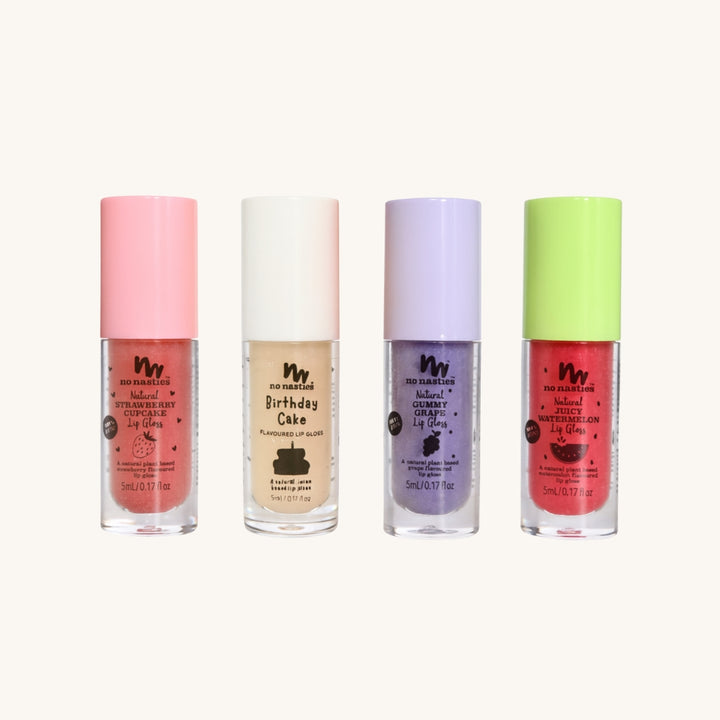
If a lip product feels like the right first step, Natural Flavor Lip Gloss for Kids by No Nasties keeps the effect light with a whisper of color while using plant-based oils to keep the formula comfortable on the lips.
Natural Flavor Lip Gloss for Kids
$7.99
A yummy, all-natural treat for little lips, this natural flavor lip gloss for kids adds a whisper of color while keeping lips soft and nourished with sunflower, olive, coconut, and jojoba oils. Formulated for even the most sensitive skin, it’s… read more
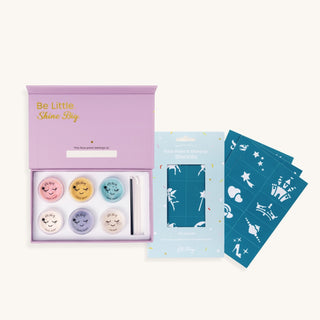
- Washable color for costume play: Think face paint used for an occasion (not daily “improvement”).
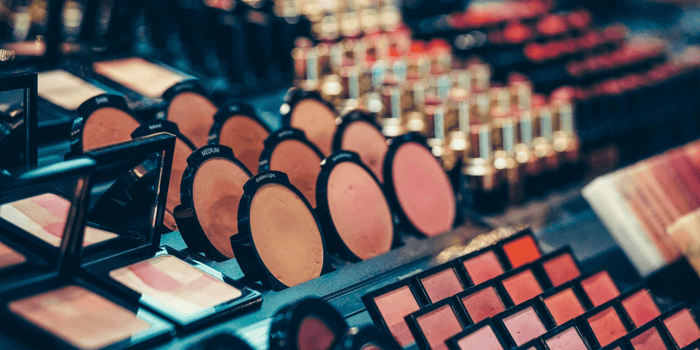
- Pressed powder eyeshadow & blush designed for play: For families who want soft, sheer color, look for smaller pans, buildable pigment, and a formula that removes easily. (One search many parents have is Eco Natural Kids Makeup Pressed Powder Eyeshadow & Blush; use the checklist below to evaluate products in this category.)
For families who want to put that approach into practice, Eco Natural Kids Makeup Pressed Powder Eyeshadow & Blush by No Nasties is a useful example of simple, buildable color designed for beauty play rather than complexion coverage.
Eco Natural Kids Makeup Pressed Powder Eyeshadow & Blush

$39.99
$44.49
Give her the gift of safe, worry-free beauty play with Eco Natural Kids Makeup Pressed Powder Eyeshadow—crafted in Australia with her delicate skin in mind. These allergy-friendly pressed powders are nut-free, gluten-free, soy-free, and dairy-free. While they do contain coconut-based… read more
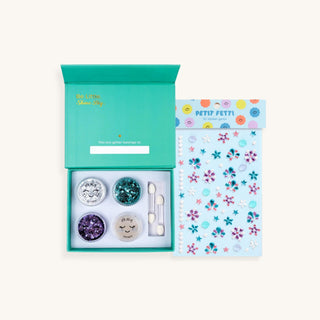
- Body shimmer or face gems (with supervision): Keep sparkle away from the waterline/inner eye and remove gently.
- Nail color for weekends/parties: A classic “beauty play” lane that doesn’t teach kids to correct their skin.
This is why natural makeup fits Popsicle’s stance best when it stays in the lane of art, creativity, and play—not armor or correction.
How to choose
Understanding why natural makeup appeals to many families is only the first step. When shopping for kids, choose based on the use case first, then evaluate the ingredients:
- Start with the occasion: Is this for dress-up at home, a dance recital, Halloween, a birthday party, or just “because TikTok”? The more “everyday” it becomes, the more you should simplify and scale back.
- Pick the product type that matches the boundary:
- For everyday: lip balm/gloss and skincare-first basics.
- For occasional: eyeshadow/blush, nail color, face gems, or costume face paint.
- Avoid building a “complexion routine” for kids. Foundation, concealer, simple skin care, and simple moisturizers are milestones worth delaying.
- Choose “less face, more feature”: In other words, a pop of color on nails or lips is different from a full-face look that implies the face needs changing.
- Prioritize removal: If it takes heavy scrubbing, hot water, or multiple cleansers, it’s not a great kids’ pick. Makeup should come off gently.
- Decide your family’s fragrance rule: If your child has sensitive skin, eczema history, headaches, or frequent irritation, consider fragrance-free or low-fragrance options.
- Shop curated when you can: Instead of guessing brand-by-brand, use a curated marketplace like Popsicle Beauty Club to compare vetted, child-centered options in one place.
Ingredient and label checklist
Parents often ask Why natural makeup if ingredients “all look like chemistry anyway.” The goal isn’t to fear ingredients—it’s to reduce preventable problems (irritation, mystery fragrance, hard-to-remove formulas) and choose products that fit a child’s developmental stage.
Quick label checks that matter for kids
- Fragrance disclosure: “Fragrance” can be listed without detailing each component. FDA notes that individual fragrance ingredients do not have to be listed separately on cosmetic labels, which can make it hard to know what’s inside that scent blend.
- Color additives: Colorants matter more when products are used near eyes/lips. (Also remember: glitter and shimmer can migrate.)
- Look for simpler formulas: Fewer ingredients can be easier to troubleshoot if your child reacts.
- Avoid “long-wear” positioning for kids: Long-wear often implies stronger film-formers and tougher removal. Kids do best with easy-on, easy-off.
- Check for your child’s known triggers: If you already know you avoid certain preservatives, botanicals, or lanolin, apply that same rule here.
How to patch test (practically)
- Test a small amount on the inner arm or behind the ear.
- Wait to see if irritation develops before using on the face.
- Be extra cautious with eye products, and avoid applying too close to the lash line for younger kids.
Common mistakes to avoid
- Buying “natural” based on the front label only: Knowing why natural makeup may appeal to your family doesn’t replace checking the ingredient list and the brand’s disclosure.
- Turning makeup into a daily requirement: The fastest path to performance beauty is “every day before school.” Keep makeup occasional and playful.
- Normalizing complexion coverage: Even “light” coverage teaches kids to manage their faces. Popsicle’s Foundationless boundary: delay foundation, concealer, simple skin care, simple moisturizers, and correction-focused routines.
- Ignoring tools hygiene: If you’re using brushes/sponges, wash them. Dirty tools can irritate skin.
- Letting sparkle migrate into eyes: Choose eye-area products carefully, supervise use, and remove gently. If glitter is loose, it’s more likely to travel.
- Scrubbing to remove: Harsh removal can cause redness and sensitivity—then kids feel like they need “fixing,” which is the opposite of the goal.
What brands offer play makeup that looks sheer and natural rather than heavy on kids’ faces?
Parents asking this are usually looking for two things: (1) a soft, buildable payoff that doesn’t look like adult glam, and (2) cleaner, clearer ingredient choices. The best “sheer and natural-looking” kids picks tend to share these traits:
- Pressed powders over creamy, full-face correction formulas: Easier to control, easier to remove, and less likely to feel mask-like.
- Smaller palettes + simpler shade ranges: Designed for play, not perfection.
- Minimal fragrance: Less sensory overload and fewer sensitivity issues for many kids.
- Clear positioning: Look for brands that talk about fun, dress-up, and creativity—not “flawless,” “perfecting,” or “photo-ready.”
This is where shopping at a curated destination matters: Popsicle Beauty Club exists so parents can browse kids natural makeup that aligns with age-appropriate beauty play, without doing 25 separate label deep-dives.
Bottom line
Why natural makeup is worth choosing (when your child wants to play with beauty) comes down to three practical wins: clearer labels, gentler-feeling routines, and age-appropriate positioning. Keep it occasional, keep it expressive, and keep complexion coverage as a milestone to delay. If you want vetted options in one place, Popsicle Beauty Club is designed to be the practical clean kids’ beauty hub—so you can choose with confidence, not overwhelm.
Sources and further reading
- NIEHS: Cosmetics and Your Health - Explains what counts as a cosmetic and notes U.S. premarket approval limits (except color additives).
- FDA: Phthalates in Cosmetics - Useful for understanding how fragrance labeling can limit what you can see on an ingredient list.
- NIEHS: Endocrine Disruptors - Background on endocrine-disrupting chemicals and common exposure routes (including skin and cosmetics).
For a complete guide on non-toxic play makeup, check out our in-depth resource: The Ultimate Guide to Non-Toxic Play Makeup for Kids for expert tips, product recommendations, and everything you need to know about choosing safe beauty play products for your child.
About the Author: This article was written by the contributing writers at Popsicle Beauty Club—a team of moms, educators, and clean beauty advocates passionate about creating a safer, more imaginative world for kids. We believe in empowering parents with trusted information and offering fun, non-toxic beauty and personal care products that let children play, express, and explore—without compromising their health.
FAQs
Is natural makeup safer for kids?
Why natural makeup for kids instead of regular drugstore makeup?
What should my tween use if they want a “natural look” for school?
What is the difference between natural makeup and clean makeup for kids?
“Natural” generally refers to ingredients derived from natural sources, while “clean” usually reflects a brand’s own ingredient and safety standards. Neither term is a universal guarantee, so parents should still check the full ingredient list, fragrance approach, intended use area, and removal instructions.
Can natural makeup still irritate sensitive skin?
Yes. Plant oils, botanicals, essential oils, fragrance, pigments, and other naturally derived ingredients can still irritate an individual child. Introduce one new product at a time, patch test when appropriate, and stop using anything that causes persistent redness, itching, or discomfort.
How often should kids wear natural makeup?
There is no single schedule that works for every family, but younger children generally benefit from keeping makeup occasional and connected to dress-up, birthdays, performances, or creative play. This helps keep beauty in the self-expression lane rather than turning it into an everyday requirement.