

Table of Contents
- Introduction
- Quick answer: what to look for in a kids face cleanser
- Popsicle safety snapshot
- Do kids actually need face cleanser?
- How to choose a kids face cleanser
- Ingredient and label checklist
- A simple routine that stays age-appropriate
- Common mistakes to avoid
- Where Popsicle Beauty Club fits: the “vetted in one place” advantage
- Bottom line
- Sources and further reading
- FAQs
Introduction
If you’re shopping for a kids face cleanser, the parent-friendly goal is simple: find a gentle, easy-to-rinse cleanser that keeps skin comfortable without turning skincare into an adult routine. For most kids, that means minimal ingredients, mild surfactants, no “active” heavy lifting, and a routine that stays focused on hygiene and comfort—not correction.
Most families do best with a cleanser that is: fragrance-light or fragrance-free (especially for sensitive skin), non-stripping, and easy to remove with lukewarm water. If your child is dealing with persistent irritation, rash, or acne that’s causing distress, it’s also okay to pause the product hunt and ask a qualified clinician for guidance.
Quick answer: what to look for in a kids face cleanser
- Pick a gentle formula: mild, non-stripping, rinses clean, no “tingle” sensation.
- Keep the routine small: cleanser + moisturizer (if needed) + sunscreen in the morning is often enough for tweens/teens; many younger kids don’t need cleanser daily.
- Choose age-appropriate positioning: hygiene and skin comfort, not “fixing” or “perfecting” skin.
- Be cautious with fragrance: “fragrance” can be a trigger for some families; consider fragrance-free if skin is reactive.
- Avoid strong actives for kids: skip adult-style exfoliating acids and aggressive acne routines unless a clinician recommends them.
- Patch test when appropriate: especially if your child has a history of sensitivity.
Popsicle safety snapshot
Popsicle Beauty Club is designed to be the practical clean kids’ beauty hub for parents who want safer, vetted options in one place—without the overwhelm of reading a thousand labels alone.
- Curated marketplace approach: Popsicle carries and highlights kids’ personal care and beauty options that fit our clean-kids lens and age-appropriate use cases.
- Medical-advisory-backed kids’ beauty education: Our content focuses on realistic routines, ingredient literacy, and age-aware boundaries.
- EWG Verified positioning where applicable: When a product or brand is explicitly EWG Verified, we treat that as a meaningful signal (but we don’t assume it for every product).
- Allergist review process where applicable: For certain products and decisions, Popsicle applies additional scrutiny with allergy awareness in mind (but no product is “allergy-proof”).
- Foundationless stance: We’re not anti-makeup. We are against adultification and correction-focused beauty for children, tweens, and many teens. Skincare should support comfort and health—not create pressure to cover, “perfect,” or perform.
Do kids actually need face cleanser?
Often, not much. A “need” depends on sweat, sunscreen, sports, makeup/face paint use, and individual skin comfort. Over-cleansing can be as disruptive as under-cleansing—especially if the cleanser is harsh or the routine becomes a twice-daily obligation.
Parent-friendly age guidance (general, not medical)
- Little kids: Water (and a soft washcloth if needed) is frequently enough. Cleanser can be occasional: after heavy sunscreen days, sports, or messy play.
- Tweens: A simple cleanser can help after school, sports, or sunscreen. The goal is removing sweat and grime without stripping.
- Teens: Many can do well with a gentle cleanser 1–2x/day, but “more” isn’t automatically better. If acne is persistent or painful, seek professional guidance rather than escalating to harsh products on your own.
If you’re unsure when cleanser should become part of the routine at all, our age-by-age guide to when kids should start washing their face explains when water may be enough and when sweat, sunscreen, sports, or puberty can make gentle cleansing more useful.
One important boundary: if skincare becomes tied to “looking better” rather than “feeling comfortable,” it’s time to slow down. Popsicle’s view is that kids deserve to feel at home in their skin—skincare is care, not correction.
How to choose a kids face cleanser
Here’s a practical checklist for choosing a kids face cleanser without getting pulled into adult routines.
1) Choose the texture and format your child will actually use
- Gel or cream cleanser: often easiest for daily use; look for “gentle” positioning and a clean rinse.
- Foaming cleanser: can be fine, but some foaming formulas feel drying depending on the surfactants used. If skin feels tight after washing, switch.
- Micellar water: can help remove sunscreen or costume makeup with less rubbing, but many families still prefer a quick rinse after.
For pre-teens and teens who are ready for a regular foaming cleanser, the Teen Skin Ultra Gentle Foaming Face Wash for Kids by Natural Outcome offers a fragrance-free, oil-free option designed to remove dirt and excess oil without turning cleansing into an aggressive adult-style routine. Its airy foam also makes it a useful example of matching cleanser texture to the child who will actually use it.
Teen Skin Ultra Gentle Foaming Face Wash for Kids

$16.99
The Teen Skin Ultra Gentle Foaming Face Wash is designed specifically for teens and pre-teens, making skincare simple and safe from the start. This fragrance-free, oil-free formula creates a rich, airy foam that lifts away dirt, excess oil, and environmental pollutants… read more
2) Prioritize “non-stripping” over “deep clean” language
Kids don’t need squeaky-clean skin. “Tight,” “squeaky,” or “tingly” is often a sign the cleanser is too intense. A good kids face cleanser leaves skin feeling neutral—clean but comfortable.
3) Decide where fragrance fits for your family
Some kids love a fun scent; some kids react to it. If your child has eczema-prone or sensitive skin, or you’re trying to reduce potential triggers, fragrance-free is often the simplest path. Also remember that labels can list “fragrance” as a single term rather than disclosing every component; FDA notes that individual fragrance ingredients don’t have to be listed separately on cosmetic labels.
4) Look for easy rinse + low rub removal
Kids’ skin does better with less friction. The best kids face cleanser is one that rinses quickly so your child isn’t scrubbing their face or leaving residue behind.
5) Avoid adult-level actives unless you have a clear reason
Parents often ask for the “best face cleanser for kids” and end up in adult acne and exfoliation territory. For kids and many tweens, strong exfoliating acids, intense acne actives, and multi-step “treatment” routines are usually not the first stop. If acne or irritation is persistent, painful, or affecting confidence, it’s worth getting personalized advice from a qualified clinician rather than layering products.
Ingredient and label checklist
You don’t need to be a chemist to shop smart. Use this as a label-reading guide for a kids face cleanser—especially if you’re comparing options across stores.
Green-flag label cues (helpful, not guarantees)
- Clear, complete ingredient list and a brand that explains who the product is for.
- Gentle positioning (comfort, barrier support, easy rinse) rather than “pore detox,” “instant glow,” or “perfecting.”
- Simple routine compatibility: works with a basic moisturizer and sunscreen.
Yellow-flag cues (pause and assess)
- Heavy fragrance messaging (“parfum-forward,” “scent experience”) if your child is sensitive.
- “Tingle” or “cooling” sensations marketed as proof it’s working—kids’ skin generally doesn’t need that.
- Harsh “anti-oil” framing that encourages over-washing; oil is not the enemy for developing skin.
- Adult acne buzzwords that imply daily performance skincare.
Parents ask: “What ingredients should parents avoid in kids face cleanser?”
Rather than a fear list, Popsicle recommends a “pressure test” approach: if an ingredient or product claim pushes your child toward adult routines or causes dryness/irritation, it’s not the right fit. Many families also choose to be cautious with:
- Undisclosed fragrance blends: because “fragrance” can be a catch-all label term (and sensitivity varies by child).
- Overly strong exfoliants/actives: especially if used daily without a clinician’s plan.
- Very harsh surfactants or high-foam cleansers if your child’s skin gets tight, flaky, or stingy after washing.
When ingredient safety comes up, it’s also helpful to zoom out: NIEHS explains that cosmetics are products used to cleanse or beautify, and that (except for color additives) cosmetics and ingredients generally do not require FDA approval before they go on the market. That’s one reason Popsicle emphasizes parent-friendly label checks and curated options.
A simple routine that stays age-appropriate
A routine should fit your child’s life—not take it over. Here’s a realistic approach that keeps skincare grounded in hygiene and comfort.
If you want to build beyond cleansing without drifting into an adult-style routine, our parent guide to gentle skincare for kids covers simple, age-appropriate choices for cleansing, moisturizing, and barrier-friendly care.
How often to cleanse
- Most kids: as needed (after sunscreen, sports, sweaty days, or makeup/face paint).
- Tweens/teens: often 1x/day is enough; 2x/day can be okay if skin stays comfortable. If skin feels tight, reduce frequency or switch cleanser.
How to cleanse (the low-drama method)
- Wash hands first.
- Use lukewarm water (hot water can be drying).
- Use a small amount; massage gently for ~20 seconds.
- Rinse thoroughly.
- Pat dry (don’t rub).
- Moisturize only if skin feels dry or tight.
If cleansing leaves the skin feeling dry or tight, a lightweight moisturizer can complete the routine without adding unnecessary treatment steps. Natural Moisturizer for Kids by Nuria is a fragrance-free option designed for sensitive young skin, making it a practical companion to a simple cleanse-and-moisturize routine when hydration is actually needed.
Natural Moisturizer for Kids

$19.99
Help your teen build a healthy skincare routine with Calm Daily Moisturizer—a gentle, fragrance-free formula designed for sensitive skin. This natural face moisturizer for kids is lightweight yet deeply hydrating, replenishing moisture with soothing Cottongrass and nourishing Sunflower Extract for all-day… read more
If your child wears makeup for play
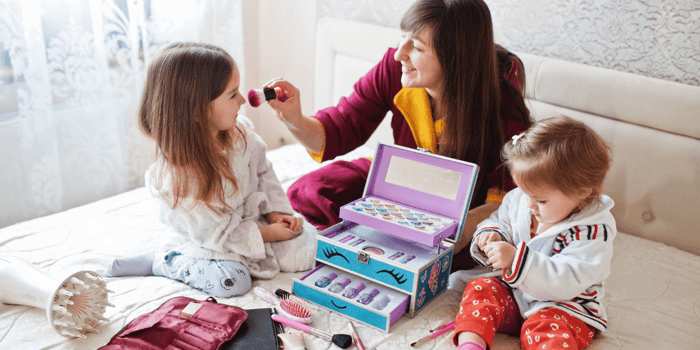
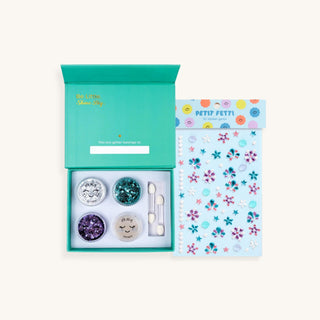
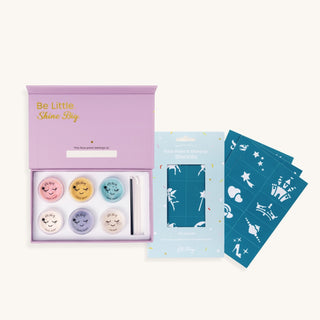
Popsicle is pro play makeup—makeup as art, not armor. If your child uses lip balm, glitter, face gems, or occasional costume makeup, a gentle cleanser can help remove it without scrubbing. What we avoid is turning cleansing into a daily “fix my face” ritual.
Common mistakes to avoid
- Buying a “kids face cleanser” that’s secretly an adult acne product: If the marketing focuses on “flawless,” “perfect,” or aggressive oil control, it can push kids toward performance beauty.
- Over-washing: More cleansing can mean more dryness, more sensitivity, and more picking at skin.
- Using harsh scrubs or rough tools: Friction can irritate skin and worsen redness.
- Assuming “clean” is a regulated guarantee: “Clean,” “non-toxic,” and even “hypoallergenic” are not universal standards. Always read the full label and assess your child’s own triggers.
- Skipping patch testing: If your child is sensitive, patch test when appropriate (for example, along the jawline) and watch for irritation.
- Letting skincare become a self-esteem project: If your child is asking for products to hide normal skin or to look older, it’s a cue for boundaries and reassurance—not a bigger cart.
Where Popsicle Beauty Club fits: the “vetted in one place” advantage
Parents usually aren’t looking for 30 options—they want 2–3 good ones that fit their kid’s age, skin comfort, and family standards. Popsicle Beauty Club is built for that: a curated clean kids’ beauty destination where you can compare vetted brands in one place and shop with clearer criteria.
If you’re starting from scratch, a simple “starter set” mindset works well: kids face cleanser + basic moisturizer (only if needed) + sunscreen. For families who want “full routine” options (cleanser, moisturizer, and lip care together), Popsicle prioritizes brands that keep routines gentle, labels transparent, and messaging age-appropriate—more care, less correction.
Bottom line
The best kids face cleanser is the one your child can use consistently without dryness, drama, or “fixing” language. Aim for gentle cleansing that supports comfort and hygiene, keep routines minimal, patch test when appropriate, and choose brands that keep kids in kid territory—beauty as expression, not correction.
Sources and further reading
- NIEHS: Cosmetics and Your Health - Explains what cosmetics are and notes that (except color additives) cosmetics generally do not require FDA approval before market.
- FDA: Phthalates in Cosmetics - Notes that individual fragrance ingredients don’t have to be listed separately on labels, which is relevant for fragrance-sensitive families.
- NIEHS: Endocrine Disruptors - Overview of endocrine-disrupting chemicals and common exposure routes, including cosmetics and personal care products.
For a deeper dive into safe skincare for kids, visit Safe & Non-Toxic Skincare for Kids to discover the best clean beauty products, DIY recipes, and tips for keeping your child’s skin healthy and toxin-free.

About the Author: This article was written by the contributing writers at Popsicle Beauty Club—a team of moms, educators, and clean beauty advocates passionate about creating a safer, more imaginative world for kids. We believe in empowering parents with trusted information and offering fun, non-toxic beauty and personal care products that let children play, express, and explore—without compromising their health.