
Table of Contents
- Introduction
- Answer-ready summary
- Popsicle safety snapshot
- What “clean” really means (and what it doesn’t)
- How to choose
- Ingredient and label checklist
- Age-appropriate clean beauty products (kids, tweens, teens)
- What parents are really asking (and practical answers)
- Common mistakes to avoid
- Shopping at Popsicle Beauty Club: the easiest way to stay age-aware
- Bottom line
- Sources and further reading
- FAQs
Introduction
If you’re shopping for clean beauty products, the most practical approach is: choose fewer products, prioritize transparent ingredient lists, avoid vague marketing terms (especially around fragrance), and pick formulas that fit the user’s age and use case. For kids and tweens, “clean” matters—but age-appropriateness matters just as much. Popsicle Beauty Club’s stance is beauty as expression, not correction: playful color, gentle care, and easy removal—while delaying correction-focused complexion products as a developmental milestone.
Answer-ready summary
- Clean beauty products aren’t a regulated category—so you have to read labels and evaluate the brand’s standards.
- For kids/tweens: look for simple formulas, clear pigments, easy wash-off, and thoughtful fragrance choices.
- Skip “mini adult routines.” A child doesn’t need performance beauty. Delay foundation/concealer/simple skin care; choose expressive alternatives instead.
- Patch test when appropriate, and pause/seek guidance for persistent irritation or distress.
Popsicle safety snapshot
Popsicle Beauty Club is a practical clean kids’ beauty hub for parents who want safer, vetted options in one place—without turning childhood into an adult beauty routine. Here’s what that means in real shopping terms:
- Curated marketplace, not a neutral roundup: Popsicle carries brands we believe fit cleaner, more age-aware choices for families (and we avoid adultification cues).
- Medical-advisory-backed kids’ beauty education: we build content and shopping guidance to support parent decision-making—especially around what to delay and what’s appropriate now.
- EWG Verified positioning/products where applicable: when a product is EWG Verified, that’s meaningful—but we don’t assume every “clean” product carries that mark.
- Allergist review process where applicable: some products/brands may be evaluated with extra sensitivity considerations, but no product is “allergy-proof.”
- Foundationless boundaries: Popsicle is not anti-makeup. We’re against correction-focused, performance beauty for kids. We treat foundation-type coverage as a milestone worth delaying—because the message matters as much as the ingredients.
What “clean” really means (and what it doesn’t)
“Clean” is a helpful shopping signal, but it’s not a guarantee. In the U.S., cosmetics and cosmetic ingredients generally do not require FDA approval before they go on the market (except for color additives). That’s why parents often feel they have to become part-time ingredient detectives.
Also, clean can mean different things to different brands:
- Some brands mean “free from” certain ingredients (like specific preservatives or fragrance components).
- Some mean “plant-based” (which can still irritate sensitive skin).
- Some follow a third-party standard (more comparable), while others simply use clean as a vibe.
Parent-friendly rule: treat clean beauty products like you’d treat kids’ snacks—marketing can be a starting point, but the ingredient list and the brand’s standards are what count. For a broader look at how clean, natural, non-toxic, and ethical claims can differ, our guide to non-toxic beauty products for kids explains how ingredient safety, labeling, and brand standards fit together.
How to choose
If you’re overwhelmed, use this quick decision path to choose clean beauty products without overbuying or over-complicating your child’s routine.
Step 1: Choose the “why” (the use case)
- Everyday self-care: gentle cleanser, basic moisturizer if needed, lip balm, deodorant if age-appropriate, simple hair care.
- Play makeup: lip color/gloss, washable shimmer, face gems, nail polish, body shimmer for special occasions—products that read as art.
- Performance situations (dance, theater, costume days): consider stage/costume makeup rules and remove thoroughly afterward; keep it occasional and purpose-specific.
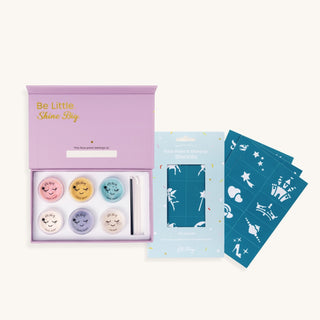
For children who are interested specifically in play makeup, the Natural Kids Play Makeup Kit by Oh Flossy is a useful example of keeping the experience centered on color and creativity rather than complexion correction. The kit combines eyeshadow, blush, lip color, and child-sized applicators, with formulas designed to wash away easily with water—an especially practical feature when easy removal is one of your clean-beauty criteria.
Natural Kids Play Makeup Kit

$34.99
$40.99
Looking for a clean beauty gift that’s safe, fun, and worry-free? This natural play makeup kit lets little ones explore color and creativity with non-toxic, skin-friendly formulas parents trust. Each kit includes vibrant loose powder eyeshadows, soft blush, lipstick, and… read more
Step 2: Choose the “where” (face, eyes, lips, body)
- Near eyes: be extra conservative. Prioritize brands with clear labeling and easy removal. Avoid loose glitter around eyes; glitter can migrate.
- Lips: assume some incidental ingestion. Favor simpler formulas and transparent ingredient lists.
- Body: fragrance and dyes matter for sensitive skin; think about how long the product sits on skin.
Step 3: Choose the “who” (age and skin reality)
- Kids (roughly elementary): keep it playful and occasional. Hygiene and gentle routines first.
- Tweens: a simple routine can be appropriate, but avoid importing adult “fixing” language. Makeup should still be art, not armor.
- Teens: they may genuinely want self-expression and autonomy. You can still set boundaries: fewer products, clearer labels, and delay complexion coverage as long as it makes sense for your family.
Ingredient and label checklist
This is the label scan Popsicle parents use to evaluate clean beauty products quickly—especially when shopping for kids and tweens.
- Start with “fragrance”: if a product lists “fragrance” (or “parfum”), know that individual fragrance ingredients may not be listed separately. The FDA notes that shoppers may not be able to tell from the ingredient declaration whether certain components (including some phthalates) are present in a fragrance mixture.
- Look for clarity around scent: “fragrance-free” is different from “unscented.” If you’re managing sensitivities, prefer brands that clearly explain their scent approach.
- Check colorants—especially for kids: bright pigments can be fun, but parents may prefer brands that are transparent about dyes/pigments used. (Color additive rules are complex; if this matters to you, prioritize brands that disclose clearly.)
- Avoid “miracle active” stacking for tweens: many adult skincare actives are unnecessary for young skin and can irritate when layered. Simpler is often better.
- Watch for irritating formats: peel-off masks, harsh scrubs, strong acids, or “tingly” products can be a red flag for young or sensitive skin.
- Ease of removal matters: for kids, choose products that come off with gentle cleansing. Long-wear, budge-proof products tend to require heavier removers and more rubbing.
Two quick “label reality checks”:
- “Clean” is not a legal promise. Compare brands by what they exclude, what they disclose, and how they position their products for age-appropriate use.
- Natural isn’t automatically gentler. Botanical ingredients can be sensitizing for some kids—patch testing is still smart.
Age-appropriate clean beauty products (kids, tweens, teens)
Parents often ask for clean beauty products that feel safer and don’t push kids into adult performance beauty. Here’s how Popsicle draws the line.
What’s usually aligned with “beauty as expression, not correction”
- Lip balm and lip gloss (hydration + playful shine)
- Sheer, playful color designed for easy removal (think “art class,” not “before-and-after”)
- Nail color and nail art (creativity, not face-changing)
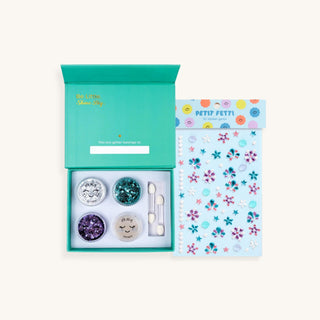
- Face gems and stickers (a great alternative for kids who love tutorials and “getting ready”)
- Gentle skincare basics (cleanser, moisturizer if needed, sunscreen as part of health—not glam)
When the need is everyday care rather than makeup, the Fragrance-Free Kids Skincare Set by Natural Outcome keeps the routine intentionally small with a foaming face wash and lightweight moisturizer for pre-teens and teens. It is a useful example of choosing clean beauty products around an actual need—cleansing and hydration—rather than automatically building a multi-step adult skincare routine.
Fragrance-Free Kids Skincare Set

$29.99
$32.98
The Natural Outcome fragrance-free Kids Skincare Set includes two everyday essentials—the Teen Skin Ultra Gentle Foaming Face Wash and the Teen Skin Calm Control non toxic face moisturizer. Designed for teens and pre-teens, this plant-based duo makes skincare simple and… read more
If makeup is the category your child is most curious about, our parent guide to clean makeup for kids goes deeper into age guidance, washable formulas, supervision, ingredient transparency, and keeping beauty play centered on creativity rather than perfection.
What we recommend delaying (Foundationless boundary)
Popsicle is not anti-makeup; we’re against adultification and correction-focused routines for young people. That’s why we encourage families to delay foundation, concealer, simple skin care, simple moisturizers, and correction-focused complexion routines for kids, tweens, and many teens. These products can quietly teach that a natural face needs “fixing” before it can be seen.
Try this reframe with your child: “Makeup is for creativity. Skin is for caring.” If they want the ritual of tutorials, give them the fun steps (tools, shimmer, lip, nails, gems) without the message that their skin is a problem to solve.
What parents are really asking (and practical answers)
These are the most common parent scenarios behind searches for clean beauty products—and the simplest ways to respond.
“My child is obsessed with makeup tutorials. I want safer products.”
- Choose one category at a time (for example: lip care + nail color) instead of a full face kit.
- Prioritize easy removal and clear labeling over trend formats.
- Set a boundary: “We can do sparkle and color. We’re not doing products meant to cover or correct your face.”
“Are there U.S. brands making kid-specific products, not just ‘gentle’ adult versions?”
Yes—some brands design for kids’ routines, shorter wear time, simpler steps, and playful positioning. That said, you still need to read the label. “Kid-specific” should show up as age-aware messaging, simpler formulas, and removal that doesn’t require harsh solvents. Popsicle’s role is to make that comparison easier by carrying vetted, kid-aligned options in one place.
“I’m worried about clogged pores for preteens.”
First, it’s okay to keep it simple. You don’t need a complicated routine to be supportive. Choose lightweight, straightforward products and avoid heavy, occlusive layering—especially if it becomes a daily mask of product. If a preteen is dealing with persistent breakouts or discomfort, it’s reasonable to seek guidance from a qualified clinician rather than trying to cover it up with makeup.
Common mistakes to avoid
- Buying a “full face” kit as a default: For kids, more products usually means more irritation potential, more mess, and more pressure. Start small.
- Confusing “clean” with “risk-free”: Even clean beauty products can irritate. Patch test when appropriate, especially for first-time use or sensitive skin.
- Letting marketing define the milestone: If a product’s promise is “perfecting” or “correcting,” it’s probably not age-appropriate for a child.
- Loose glitter near eyes: Glitter can migrate. If your child loves sparkle, consider pressed, well-bound shimmer products or face gems placed away from the lash line.
- Sharing products/tools without hygiene: Shared brushes, sponges, lip products, and mascaras can get gross fast. Teach “one person per product” when possible, and clean tools regularly.
- Over-scrubbing to remove makeup: Choose products that remove easily with gentle cleansing so you’re not rubbing a child’s skin raw at bedtime.
Shopping at Popsicle Beauty Club: the easiest way to stay age-aware
If you’re trying to buy clean beauty products without turning your kid’s bathroom counter into a mini Sephora, Popsicle Beauty Club is designed to be your parent-friendly filter. Our goal is to keep choices playful, vetted, and age-appropriate—so you can shop with more confidence and less second-guessing.
How to use Popsicle as your shortcut:
- Start with one “yes” category: lip care, nails, gentle bath/body, or hair care.
- Set one boundary: no correction-focused complexion products; makeup stays in the “art and play” lane.
- Choose for removal and comfort: products that fit school nights, sensitive skin, and real-life cleanup.
Bottom line
Buying clean beauty products is less about finding a single “perfect” brand and more about building a short, age-appropriate routine you can actually stand behind: transparent labels, sensible fragrance choices, easy removal, and products that support beauty as expression, not correction. Popsicle Beauty Club exists to make that easier—by curating kid-aligned clean options and helping families delay correction-focused complexion products until the timing (and the message) is healthier.
Sources and further reading
- NIEHS: Cosmetics and Your Health - Explains what counts as cosmetics and notes U.S. premarket approval limits (except color additives).
- FDA: Phthalates in Cosmetics - Notes how phthalates may be used and explains fragrance labeling limitations.
- NIEHS: Endocrine Disruptors - Background on endocrine-disrupting chemicals and common exposure routes (including some personal care products).
Curious about which harmful ingredients to avoid in your child's beauty products? Read The Truth About Harmful Beauty Ingredients for Kids to uncover the hidden toxins in mainstream makeup, skincare, and hair care—and discover safer alternatives.
About the Author: This article was written by the contributing writers at Popsicle Beauty Club—a team of moms, educators, and clean beauty advocates passionate about creating a safer, more imaginative world for kids. We believe in empowering parents with trusted information and offering fun, non-toxic beauty and personal care products that let children play, express, and explore—without compromising their health.
FAQs
What clean beauty brands specialize in products for children’s everyday self-care routines?
What are good clean beauty brands if my child is obsessed with makeup tutorials but I want safer products?
What kids’ beauty brands make gift cards so my child can choose their own clean products?
How can I tell whether a clean beauty product is actually appropriate for my child?
Start with the product’s purpose, age guidance, full ingredient list, fragrance approach, and removal instructions. A clean label alone does not tell you whether the product fits a child. For younger users especially, simpler formulas, easy removal, and age-appropriate positioning are often more useful criteria than a long list of beauty claims.
Are clean beauty products better for sensitive skin?
Not automatically. A clean beauty product can still contain botanical extracts, essential oils, fragrance components, or other ingredients that do not suit every child. If sensitivity is a concern, introduce one product at a time, consider fragrance-free options, and patch test when appropriate.
How many clean beauty products does a tween actually need?
Usually fewer than beauty marketing suggests. A basic routine may only require gentle cleansing, moisturizer when needed, and age-appropriate sun protection. Lip care, nail color, or washable play makeup can be added for self-expression if the child is interested, but there is no need to recreate an adult multi-step beauty routine.