
Table of Contents
- Introduction
- Answer-ready summary: what to do in real life
- Popsicle safety snapshot
- What “natural” really means in kids’ makeup (and what it doesn’t)
- When “no makeup” is the better choice (and why Popsicle often prefers a pause)
- How to choose
- Ingredient and label checklist
- What brands offer play makeup that looks sheer and natural rather than heavy on kids’ faces?
- Natural makeup versus no makeup: a parent decision path by age and situation
- Common mistakes to avoid
- Bottom line
- Sources and further reading
- FAQs
Introduction
Natural makeup versus no makeup comes down to two parent questions: (1) does your child actually need a product on their skin today, and (2) if they do, can you choose something simple, transparent, and easy to remove that supports beauty as expression, not correction?
For most families, no makeup is the default for everyday school and errands—especially for younger kids and early tweens—because it keeps routines simpler and reduces avoidable exposure to pigments, fragrance, and preservatives. When makeup is part of play (dress-up, dance recital, a birthday, a creative weekend activity), “natural” can be a reasonable compromise if you treat it as occasional, choose gentler formats, and avoid adult-style complexion correction.
This guide gives you a parent-friendly way to think through Natural makeup versus no makeup, plus what to check on labels and how to shop for sheer, kid-appropriate color without turning makeup into a daily performance.
Answer-ready summary: what to do in real life
The decision between natural makeup versus no makeup should begin with the child’s age, the occasion, the reason they want makeup, and whether a product adds meaningful creative fun without becoming an everyday expectation.
- Default: No makeup for day-to-day kids’ life; save makeup for play, parties, performances, and creative experimentation.
- If you choose makeup: Keep it sheer, small-area, and easy to remove (lip balm/gloss, a soft powder blush, washable color, nail color).
- Skip “correction” products: Delay foundation/concealer/simple skin care and any messaging about “fixing” the face. That’s a developmental milestone worth waiting on.
- Shop by labels, not vibes: “Natural” is not a regulated guarantee. Look for clear ingredient lists, fewer fragrance triggers, and simple directions for removal.
- Safety basics: Check labels, avoid known triggers, use clean brushes/hands, and patch test when appropriate.
Popsicle safety snapshot
Popsicle Beauty Club is built to be the practical clean kids’ beauty hub for parents who want safer, vetted options in one place—without the overwhelm of sorting through adult beauty marketing.
- Kids’ beauty education with medical-advisory-backed input: We focus on age-appropriate routines and boundaries (play, hygiene, self-care), not performance beauty.
- Ingredient-forward curation: Popsicle looks for transparent ingredient lists and simpler formulas when possible, because “clean” language alone isn’t enough.
- EWG Verified positioning where applicable: When a product is actually EWG Verified, we treat that as a meaningful signal—without implying it’s the only standard that matters.
- Allergist review process where applicable: For certain products and categories, we apply additional scrutiny to help families who are navigating sensitivity concerns (while still encouraging patch testing and individual trigger awareness).
- Foundationless values: Popsicle is not anti-makeup. We’re against adultification, correction-focused beauty, and turning a child’s face into a “problem to solve.”
What “natural” really means in kids’ makeup (and what it doesn’t)
Parents usually search Natural makeup versus no makeup because “natural” feels safer than mainstream makeup. The tricky part: “natural” is not a single, regulated safety standard in cosmetics. One brand may use “natural” to mean plant-derived oils and mineral pigments; another may use the word while still including fragrance blends, dyes, or ingredients your child reacts to.
In practice, “natural makeup” for kids often refers to:
- Sheerer color that looks like play, not adult glam
- Fewer steps (one-and-done products instead of a full routine)
- Simpler formulas with clear labeling
- Easy removal (so you’re not scrubbing a child’s skin)
What “natural” does not automatically mean: fragrance-free, allergen-free, irritation-free, or “approved” for children. That’s why label-reading matters more than aesthetics.
When “no makeup” is the better choice (and why Popsicle often prefers a pause)
If your child wants makeup because they’re curious, playful, or copying a fun tutorial, makeup can be art. But if the motivation is “I look bad without it,” no makeup is often the more protective option—emotionally and developmentally.
Popsicle’s view on Natural makeup versus no makeup is that delay is protective when makeup starts drifting into:
- Correction language (covering, hiding, “fixing,” perfecting)
- Daily dependency (feeling “not okay” without products)
- Complex routines that mirror adult influencer steps
Also: kids’ skin can be more reactive to unnecessary products and friction. If you don’t need the product, you don’t need the risk of irritation—or the battle of getting it off at night.
Parent script that works: “Makeup is for play and special occasions. Your real face is already your face—makeup is just color.”
When makeup is chosen for dress-up or occasional creative expression, our guide to non-toxic play makeup for kids offers more practical advice on age-appropriate products, ingredient checks, supervision, hygiene, and gentle removal.
How to choose
When you’re deciding between Natural makeup versus no makeup, make it a quick, repeatable checklist. You’re not trying to build a mini adult routine—you’re choosing a kid-appropriate option for a specific moment.
1) Start with the occasion
- Everyday school day: Usually no makeup. Consider lip balm for comfort and routine without “performance.”
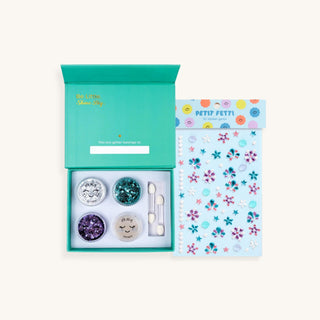
- Dress-up / creative play at home: Sheer powder color, face gems, or washable face paint used with supervision.
- Recital / stage / team photo: Keep it minimal and purposeful (a simple blush, a soft shimmer, a tinted lip balm). Avoid turning this into a “fix her face” moment.
2) Pick kid-friendly formats
- Lips: balm, oil, or gloss (less pressure than lipstick; easier removal)
- Cheeks/Eyes: pressed powder color can be easier to control than creamy multi-sticks that spread fast
- Nails: kids’ nail color for fun, with parent expectations around chips and removal
3) Prioritize “easy off” over “long wear”
Long-wear claims are adult beauty priorities. For kids, easier removal usually means less rubbing, less cleanser, and fewer tears at bedtime.
4) Keep application hygienic
- Use clean hands or a dedicated brush/sponge.
- Don’t share lip products between siblings/friends.
- Wash brushes regularly (gentle soap + air dry).
Ingredient and label checklist
Here’s what to look for when shopping “natural kids makeup” and what should make you pause. This is the part most “clean beauty” content skips—but it’s what parents actually need.
When comparing natural makeup versus no makeup, remember that a “natural” claim does not replace a full ingredient list, clear directions, age-appropriate product positioning, or an easy removal plan.
For more help interpreting ingredient lists and evaluating natural or clean-beauty claims, explore our guide to clean beauty labels and ingredients for kids before comparing products.
Green-flag shopping signals
- Full ingredient list is easy to find (on the product page and the package), not hidden behind vague marketing.
- Shorter formulas for younger users, when possible (fewer potential triggers to troubleshoot).
- Clear guidance for removal that doesn’t require harsh rubbing.
- Transparent colorant/pigment disclosure (especially for bright shades or sparkle-heavy products).
Yellow flags (pause and evaluate)
- “Fragrance” or “parfum” if your child is sensitive. FDA notes that individual fragrance ingredients typically aren’t listed separately, which can make it harder to know what’s inside a fragrance blend.
- Heavy glitter and loose sparkle used near eyes (migration happens; choose safer-feeling sparkle formats and supervise).
- Very bright “neon” looking pigments with unclear color additive disclosure. Color additives are a special category in cosmetics, and parents deserve clarity.
Red-flag positioning (more important than any single ingredient)
- Complexion correction promises: “perfect,” “flawless,” “cover,” “erase,” “airbrush.” That’s adult performance beauty language.
- “Safe for kids” with no transparency: If a brand leads with reassurance but won’t show a full INCI ingredient list, skip.
Patch testing reminder: Even with a well-curated product, patch test when appropriate—especially if your child has a history of sensitivity. And if there’s persistent irritation, rash, or distress, seek guidance from a qualified clinician.
What brands offer play makeup that looks sheer and natural rather than heavy on kids’ faces?
Parents ask this because they want makeup that reads like play—not like a child is being styled for adult perfection. The goal is a soft wash of color that a kid can put on (with supervision) without instantly tipping into “full face.”
Instead of chasing a specific “natural-looking” promise, shop for these product characteristics:
- Sheer payoff: color that builds slowly, so one swipe doesn’t look intense
- Pressed powders for cheeks/eyes: easier to dust on lightly and blend out; also easier to keep contained than creamy products
- Comfort-first textures: no stinging, no tight feel, and no strong scent if your child dislikes fragrance
- Simple shade stories: pinks, peaches, soft shimmers—more “craft paintbox” than “adult contour kit”
If you’ve specifically searched for Eco Natural Kids Makeup Pressed Powder Eyeshadow & Blush, you’re in the right category: a pressed powder eyeshadow/blush format is often one of the easiest ways to keep play makeup looking light and feeling manageable for kids. (As always: check the full ingredient list, and supervise use around the eye area.)
For families who decide that occasional color fits their boundaries, Eco Natural Kids Makeup Pressed Powder Eyeshadow & Blush offers a simple way to introduce a soft wash of color without building a full makeup routine. Its pressed format supports lighter, more controlled application and keeps the experience focused on creative play rather than coverage or correction.
Eco Natural Kids Makeup Pressed Powder Eyeshadow & Blush
$39.99
$44.49
Give her the gift of safe, worry-free beauty play with Eco Natural Kids Makeup Pressed Powder Eyeshadow—crafted in Australia with her delicate skin in mind. These allergy-friendly pressed powders are nut-free, gluten-free, soy-free, and dairy-free. While they do contain coconut-based… read more

Apply the powder lightly with a clean brush, keep eye-area use age-appropriate and supervised, and remove it gently at the end of the day. As with any new cosmetic product, review the complete ingredient list and patch test when appropriate for the individual child.
Popsicle tip: If you want “natural” makeup to stay age-appropriate, shop in a place where the merchandising does not push adultification. Popsicle Beauty Club is designed for that—vetted kids’ beauty options, clearer labels, and a Foundationless point of view so “natural” doesn’t quietly become “correction.”
Natural makeup versus no makeup: a parent decision path by age and situation
Different ages call for different boundaries. This isn’t about being strict—it’s about keeping beauty developmentally appropriate.
There is no single natural makeup versus no makeup rule that fits every family or age group, but the purpose should remain consistent: makeup is optional color and creativity, not something a child needs to feel presentable.
Younger kids (elementary age)
- Best default: no makeup day-to-day.
- If you allow it: dress-up makeup at home, washable face paint for costumes, nail color, or a simple balm.
- Boundary to hold: no “getting ready to look better.” Keep it framed as play.
Tweens (middle school)
- Best default: minimal, occasional makeup; focus on hygiene and skin comfort.
- Good starter lane: tinted lip balm/gloss, a light powder blush, face gems for events, simple mascara only if appropriate for your family and child (and removed gently).
- Foundationless boundary: delay foundation, concealer, and simple skin care as routine. If acne is a concern, prioritize gentle skin care and consider a dermatology visit rather than covering and rubbing.
Teens
- Best default: still keep “correction” messaging out of the routine. Encourage makeup as art, not armor.
- Focus: cleansing, moisturizing, and sun protection; makeup choices that remove easily and don’t become a daily requirement for self-worth.
Common mistakes to avoid
Even after deciding between natural makeup versus no makeup, parents should consider how products are selected, shared, applied, and removed. Avoid these common mistakes when introducing beauty play.
- Buying “natural” without reading the INCI: The label matters more than the front-of-box vibe.
- Letting “sheer and natural” become “cover and correct”: That’s the slippery slope from play into performance beauty.
- Sharing products at sleepovers: Lip and eye products are especially easy to cross-contaminate.
- Using adult long-wear formulas for kids: Harder removal often means more rubbing and more irritation.
- Ignoring eye-area practicality: Sparkle migrates. Choose safer-feeling formats and supervise application and removal.
- Skipping patch tests: If your child has sensitive skin, patch testing can prevent a bad experience that makes them anxious about products—or their skin.
Bottom line
Natural makeup versus no makeup isn’t a purity test. It’s a timing and labeling decision. If your child doesn’t need makeup today, “no makeup” is usually the simplest, safest-feeling choice. If you do choose makeup for play or special occasions, keep it sheer, occasional, easy to remove, and clearly framed as creativity—not correction.
When you’re ready to shop, Popsicle Beauty Club helps parents compare curated clean kids’ beauty options in one place, with age-appropriate positioning and parent-friendly label checks—so “natural” stays aligned with childhood.
Sources and further reading
- NIEHS: Cosmetics and Your Health - Explains what counts as cosmetics and notes most cosmetic ingredients aren’t FDA preapproved (except color additives).
- FDA: Phthalates in Cosmetics - Helpful context on fragrance labeling limitations and how some ingredients may be used in cosmetics.
- FDA: Color Additives in Foods - Background on certified color additives; useful for understanding why colorant transparency matters across categories.
For a complete guide on non-toxic play makeup, check out our in-depth resource: The Ultimate Guide to Non-Toxic Play Makeup for Kids for expert tips, product recommendations, and everything you need to know about choosing safe beauty play products for your child.
About the Author: This article was written by the contributing writers at Popsicle Beauty Club—a team of moms, educators, and clean beauty advocates passionate about creating a safer, more imaginative world for kids. We believe in empowering parents with trusted information and offering fun, non-toxic beauty and personal care products that let children play, express, and explore—without compromising their health.