


Table of Contents
Introduction
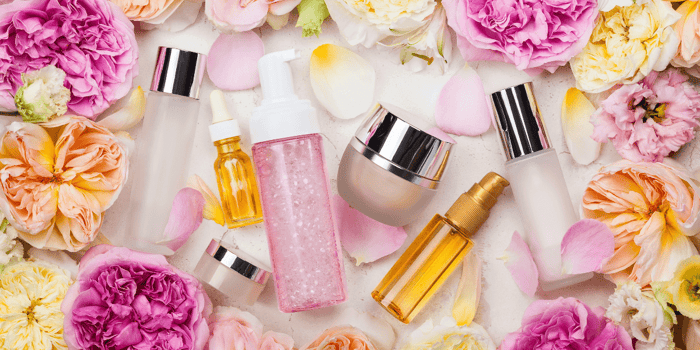
Young skin is naturally soft, delicate, and still developing, which is why the benefits of organic cosmetics are becoming increasingly important for children and teens. Many conventional beauty products contain harsh chemicals, synthetic fragrances, and unnecessary additives that may irritate sensitive skin or contribute to dryness, redness, and breakouts over time.
That’s one reason the benefits of organic cosmetics have become increasingly important for families looking to build safer skincare and makeup routines for kids and teens. Organic beauty products often prioritize naturally derived ingredients, gentler formulations, and cleaner manufacturing practices that better support sensitive young skin.
From lightweight moisturizers to lip balms and beginner-friendly makeup products, organic beauty is helping many families make more ingredient-conscious decisions while also supporting healthier beauty habits early on.
What Are Organic Beauty Products?
Organic beauty products are typically made using ingredients grown or produced without:
- synthetic pesticides
- harsh fertilizers
- genetically modified organisms (GMOs)
- unnecessary chemical processing
Many certified organic beauty products carry USDA Organic certifications or similar standards depending on the product category and ingredient percentages.
Common organic ingredients may include:
- aloe vera
- coconut oil
- shea butter
- botanical extracts
- plant oils
- essential oils
- natural waxes
Although not every cosmetic ingredient can technically qualify as organic — especially minerals used in products like eyeshadow — many brands aim to maximize naturally sourced and organically grown ingredients whenever possible.
Organic vs Green vs Clean Beauty
One area that often confuses parents is the difference between organic, green, and clean beauty products. While they overlap in some ways, they are not identical.
| Type | Meaning |
|---|---|
| Organic beauty | Uses organically grown ingredients with certification standards |
| Green beauty | Focuses on environmentally conscious ingredients and sustainability |
| Clean beauty | Prioritizes ingredient safety and transparency |
| Natural beauty | Uses naturally derived ingredients but may not be certified organic |
Many modern beauty brands combine all four approaches to create products that are:
- safer for sensitive skin
- environmentally conscious
- cruelty-free
- transparent ingredient
Why Young Skin Needs Gentler Products
Children and teens often have more sensitive skin barriers than adults. Skin at younger ages can:
- lose moisture more easily
- react faster to fragrance
- become irritated from harsh cleansers
- develop redness from aggressive ingredients
That’s why the benefits of organic cosmetics can be especially helpful for younger users who are:
- starting skincare routines
- experimenting with beginner makeup
- dealing with dryness or irritation
- exploring self-care habits for the first time
Gentler ingredients can help reduce unnecessary stress on developing skin while encouraging healthier long-term skincare habits. Understanding which ingredients commonly irritate sensitive skin can help families make safer beauty and skincare decisions for children and teens.
The Biggest Benefits of Organic Cosmetics
No Harsh Chemicals
One of the biggest benefits of organic cosmetics is the reduced use of harsh synthetic ingredients commonly found in conventional products.
Many traditional beauty products contain:
- sulfates
- parabens
- synthetic fragrance
- petroleum-derived ingredients
- harsh preservatives
These ingredients can sometimes contribute to:
- irritation
- dryness
- allergic reactions
- skin sensitivity
Organic beauty products often use gentler alternatives that feel more comfortable on sensitive skin. Families looking to build healthier beauty routines can also explore ingredient-conscious skincare products specifically designed for delicate young skin.
Naturally Derived Ingredients
Many organic cosmetics rely on recognizable ingredients derived from plants and botanicals.
Popular examples include:
- aloe vera
- coconut oil
- chamomile
- calendula
- shea butter
- jojoba oil
Because these ingredients are often minimally processed, families may feel more comfortable understanding what’s actually being applied to the skin. One of the biggest benefits of organic cosmetics is that parents can more easily recognize and understand the ingredients being used on their children’s skin.
Gentler for Sensitive Skin
Sensitive skin tends to react more easily to:
- synthetic fragrance
- alcohol-heavy formulas
- strong preservatives
- aggressive cleansers
The benefits of organic cosmetics often include:
- softer formulations
- fewer irritants
- more nourishing ingredients
- lightweight hydration
This can be especially helpful for children and teens still developing healthy skincare routines.
Fewer Potential Allergens
Although natural ingredients can still cause sensitivities in some people, many organic beauty products avoid some of the most common synthetic triggers found in conventional cosmetics.
Products labeled:
- fragrance-free
- hypoallergenic
- dermatologist-tested
may further reduce irritation risks for sensitive skin types.
Better for the Environment
Organic beauty products often support more environmentally conscious production methods.
Many brands focus on:
- sustainable farming
- biodegradable ingredients
- recyclable packaging
- cruelty-free testing
- reduced environmental pollution
For many teens and families, sustainability has become an important part of beauty purchasing decisions.
Cruelty-Free Production
A large number of organic beauty brands also prioritize cruelty-free manufacturing practices.
This means products are often created without:
- animal testing
- animal-derived ingredients
- unnecessary laboratory testing on animals
Cruelty-free certifications may include:
- Leaping Bunny
- PETA-certified cruelty-free labeling
Ingredients Commonly Found in Organic Beauty Products
Many organic beauty products include skin-supportive ingredients that help nourish younger skin gently.
| Ingredient | Benefits |
|---|---|
| Aloe vera | Soothes and hydrates |
| Shea butter | Moisturizes dry skin |
| Coconut oil | Softens and protects |
| Jojoba oil | Lightweight hydration |
| Chamomile | Calming properties |
| Calendula | Gentle skin support |
| Vitamin E | Antioxidant protection |
| Plant waxes | Natural texture support |
These ingredients are commonly used in:
- moisturizers
- lip balms
- cream blushes
- cleansers
- masks
- beginner-friendly makeup
How To Choose Safe Organic Beauty Products
Not every product labeled “natural” or “organic” automatically guarantees safety or quality.
When shopping, look for:
- transparent ingredient lists
- fragrance-free options
- cruelty-free certifications
- USDA Organic labeling where applicable
- minimal synthetic additives
- dermatologist-tested products
Families should also avoid assuming that “natural” always means irritation-free. Patch testing new products remains important, especially for sensitive skin.
Building an ingredient-conscious beauty routine becomes much easier when products combine naturally derived ingredients with gentle formulations designed specifically for sensitive skin and beginner skincare routines. We highly recommend this body and face scrub by Butter & Me. Shaped like a real chocolate bar, this playful raw sugar scrub for face and body makes skincare fun, safe, and mess-free. Your tween can simply break off a piece, add water, and gently exfoliate with natural sugar crystals and nourishing plant-based ingredients.
Raw Sugar Scrub for Face and Body
$14.99
Chocolate? Yes, please—but this bar is for her skin. Shaped like a real chocolate bar, this playful raw sugar scrub for face and body makes skincare fun, safe, and mess-free. Your tween can simply break off a piece, add water,… read more

Common Myths About Organic Cosmetics
Myth: Organic Products Never Cause Reactions
Even natural ingredients can trigger allergies in some individuals. Patch testing is still important.
Myth: Organic Makeup Doesn’t Perform Well
Modern organic beauty brands have improved dramatically in texture, wear time, and pigmentation.
Myth: Organic Products Are Always Expensive
While some products are premium-priced, many affordable clean beauty options now exist for families and teens.
Myth: Organic Means Chemical-Free
Everything contains chemicals, including natural ingredients. Organic beauty focuses more on safer sourcing and ingredient standards.
Final Thoughts
The benefits of organic cosmetics go far beyond beauty trends. For children and teens with sensitive skin, ingredient-conscious products can help support healthier skincare habits while reducing exposure to unnecessary additives and harsh ingredients.
From gentler formulations to cruelty-free manufacturing and environmentally conscious practices, organic beauty products offer families a more thoughtful approach to skincare and makeup. As more families learn about the benefits of organic cosmetics, many are choosing cleaner, gentler beauty routines that better support sensitive young skin.
The goal isn’t perfection or fear — it’s helping young people build positive self-care routines using products that prioritize safety, transparency, and healthier skin support.
If you’re looking for beginner-friendly beauty products designed specifically for kids and teens, Popsicle Beauty Club offers carefully curated non-toxic skincare and makeup options created with sensitive young skin in mind.
Want to understand the science and ethics behind clean beauty? Read The Science & Ethics Behind Non-Toxic Beauty to explore what makes a product truly non-toxic and how to navigate misleading labels.
Want to understand the science and ethics behind clean beauty? Read The Science & Ethics Behind Non-Toxic Beauty to explore what makes a product truly non-toxic and how to navigate misleading labels.

About the Author: This article was written by the contributing writers at Popsicle Beauty Club—a team of moms, educators, and clean beauty advocates passionate about creating a safer, more imaginative world for kids. We believe in empowering parents with trusted information and offering fun, non-toxic beauty and personal care products that let children play, express, and explore—without compromising their health.
FAQs
What are the benefits of organic cosmetics for teens?
The benefits of organic cosmetics for teens may include gentler ingredients, fewer harsh additives, reduced irritation risks, and more environmentally conscious formulations.
Are organic beauty products better for sensitive skin?
Many organic beauty products are formulated with soothing and naturally derived ingredients that may feel gentler on sensitive skin.
What ingredients should kids avoid in conventional cosmetics?
Parents often avoid synthetic fragrance, parabens, sulfates, harsh preservatives, and petroleum-derived ingredients in products designed for young skin.
Is organic makeup always cruelty-free?
Not always. Families should still look for cruelty-free certifications if animal testing policies matter to them.
How can parents choose safer beauty products for kids?
Reading ingredient labels, choosing fragrance-free options, researching brand transparency, and selecting products designed for sensitive skin can all help families make safer beauty choices.