

Enjoy free shipping on orders $50+

Your cart

Your cart is empty

Shop parents’ top choices

Non Toxic Skincare for Kids: Safe Routine Guide

Non Toxic Skincare for Kids: Safe Routine Guide

Popsicle Beauty Club | Contributing Writer Popsicle Beauty Club | Contributing Writer
23 minute read

Listen to article
Audio generated by DropInBlog's Blog Voice AI™ may have slight pronunciation nuances. Learn more

Table of Contents

Introduction: Why Kids Need Safe & Non Toxic Skincare

Children’s skin is thinner, more absorbent, and more sensitive than adult skin, which is why choosing non toxic skincare for kids matters so much. Their developing skin barrier can be more vulnerable to harsh chemicals, synthetic fragrances, sulfates, artificial dyes, and other ingredients commonly found in mainstream skincare products. While parents are often careful about what their kids eat, many don’t realize that what goes on their skin deserves the same thoughtful attention.

So how do you choose gentle, natural, and truly non toxic skincare for kids? With so many products labeled as “natural,” “clean,” or “hypoallergenic,” it’s easy to assume they’re safe—but the truth is, many of these claims are marketing terms that don’t always guarantee safer ingredients. The key is to understand which ingredients to avoid, what makes a skincare product truly safe, and how to build a simple, effective routine for your child.

This guide will walk you through everything you need to know about non toxic skincare for kids, including the best gentle cleansers and moisturizers, harmful ingredients to steer clear of, and even DIY skincare recipes you can make at home. Whether you're looking to start a simple natural skincare routine for your tween or just want to ensure your child’s skin stays healthy and irritation-free, this guide has you covered.

Skincare NeedWhat Kids NeedWhat to AvoidBetter Options
Daily cleansingA gentle cleanser that removes dirt, sweat, and buildup without stripping the skinSulfates like SLS/SLES, synthetic fragrance, artificial dyesSulfate-free cleansers with aloe, chamomile, oat extract, coco-glucoside, or decyl glucoside
MoisturizingLight hydration only when needed, especially during dry seasons or after sun exposureMineral oil, petrolatum, paraffin wax, heavy synthetic creamsAloe vera, shea butter, cocoa butter, jojoba oil, squalane
Sun protectionDaily broad-spectrum SPF, especially for outdoor playChemical UV filters like oxybenzone, octinoxate, and homosalateMineral sunscreen with zinc oxide or titanium dioxide
Sensitive skin supportSimple, calming ingredients that protect the skin barrierHarsh exfoliants, strong acne products, formaldehyde-releasing preservativesOat extract, chamomile, aloe vera, fragrance-free formulas
Tween skincare routineA simple 3-step routine: cleanse, moisturize as needed, and use SPFAdult skincare trends, 10-step routines, unnecessary serums, harsh scrubsAge-appropriate non toxic skincare for kids focused on skin health
Ingredient safetyClear, transparent ingredient lists parents can understand“Fragrance,” “parfum,” parabens, phenoxyethanol, vague preservative termsFull ingredient disclosure, EWG VERIFIED™, USDA Organic, or Made Safe® when available
DIY skincareFun, parent-supervised recipes using simple, fresh ingredientsLong-term storage, untested essential oils, ingredients your child may react toOatmeal cleanser, aloe-jojoba moisturizer, berry-yogurt mask, with patch testing first

Why Skincare for Kids Needs to Be Different

Many parents assume that skincare is one-size-fits-all, but children’s skin is fundamentally different from adult skin in several key ways. Kids have a developing skin barrier, meaning their skin can absorb ingredients more easily and may be less equipped to defend against irritants and environmental stressors. This makes non toxic skincare for kids especially important when choosing cleansers, moisturizers, sunscreen, and other everyday products.

Because a child’s skin naturally produces more hydration and oils than an adult’s, kids don’t need the same intensive skincare routines that teens and adults do. In fact, using too many products or overly harsh ingredients can disrupt the skin’s natural balance, leading to redness, dryness, sensitivity, or breakouts. That’s why non toxic skincare for kids should focus on gentle cleansing, light hydration, and sun protection rather than complicated multi-step routines.

How Children's Skin is Different from Adults’ Skin

Children’s skin is often more delicate than adult skin, which means it can react more quickly to harsh cleansers, synthetic preservatives, artificial fragrances, and unnecessary additives. A product that feels mild to an adult may still be too strong for a child, especially if it contains sulfates, fragrance blends, or other common irritants.

This is one of the biggest reasons parents should look for non toxic skincare for kids that is specifically chosen with children’s skin in mind. The goal is not to introduce a complicated beauty routine, but to support healthy skin with gentle, age-appropriate products.

When Should Kids Start a Skincare Routine?

Most children don’t need a structured skincare routine at a young age, but teaching them the basics early can help build lifelong healthy habits. Kids as young as 4–6 years old can start with a simple, gentle cleanser to wash away dirt and sweat, especially if they’re active or frequently play outdoors.

By the time kids reach the tween years, usually around ages 8–12, their skin may start producing more oil, making it a good time to introduce a mild moisturizer and mineral-based sunscreen for added protection. At this stage, non toxic skincare for kids can help parents create a routine that feels healthy, simple, and age-appropriate.

The goal is to keep it simple and avoid overwhelming kids with too many steps or unnecessary products. A basic, safe routine should include:

A mild, sulfate-free cleanser to remove dirt without stripping natural oils
A lightweight, non-toxic moisturizer to keep skin balanced
A mineral-based sunscreen to protect from sun damage

By starting with these fundamental steps, kids can maintain healthy, irritation-free skin without exposure to harsh or unnecessary chemicals.

Harmful Ingredients to Avoid in Kids’ Skincare

Many skincare products marketed for children contain hidden toxins, harsh preservatives, and synthetic chemicals that can irritate delicate skin. While brands often use words like “gentle,” “natural,” or “hypoallergenic,” these terms are not always strictly regulated in the way parents might assume. To truly protect your child’s skin, it’s important to look beyond the front label and carefully examine the ingredient list.

Some of the most common harmful ingredients in kids’ skincare include parabens, sulfates, synthetic fragrances, and petroleum-based ingredients. These chemicals may be used to extend shelf life, create foaming textures, or add artificial scents, but they can also contribute to skin irritation, allergies, and other concerns parents are trying to avoid. Choosing non toxic skincare for kids starts with knowing what to watch for.

Parabens

Parabens, such as methylparaben, propylparaben, and butylparaben, are commonly used preservatives that help prevent mold and bacteria from growing in skincare products. However, they are also known as endocrine disruptors, meaning they can mimic estrogen in the body and interfere with hormone function. Studies have linked parabens to hormone-related concerns, which is one reason many parents choose non toxic skincare for kids that avoids them.

How to spot it: Look for ingredients ending in “-paraben,” such as methylparaben, ethylparaben, or propylparaben.

Safer alternative: Look for products preserved with gentler options such as tocopherol, fermented radish root extract, or rosemary extract.

Sulfates

Sulfates, including sodium lauryl sulfate and sodium laureth sulfate, are foaming agents found in many cleansers, shampoos, and bubble baths. While they create a satisfying lather, they are also harsh detergents that can strip the skin of its natural protective oils, leading to dryness, irritation, and eczema flare-ups in sensitive children.

For families looking for non toxic skincare for kids, sulfate-free formulas are often a better choice because they cleanse without over-drying the skin.

How to spot it: Look for Sodium Lauryl Sulfate, SLS, Sodium Laureth Sulfate, or SLES in ingredient lists.

Safer alternative: Use coconut-based cleansers like coco-glucoside or decyl glucoside, which clean without over-drying.

Synthetic Fragrances and Artificial Dyes

Many kids' skincare products contain synthetic fragrances and artificial colorants to make them more appealing. However, fragrance blends can include undisclosed chemicals, some of which may trigger allergies, irritation, or hormone-related concerns. Artificial dyes, particularly Red 40, Yellow 5, and Blue 1, have also raised concerns for many parents.

When choosing non toxic skincare for kids, fragrance transparency matters. A product should clearly disclose what is creating the scent, instead of hiding behind vague terms like “fragrance” or “parfum.”

How to spot it: Look for “Fragrance,” “Parfum,” or artificial dyes such as FD&C Red 40 or D&C Blue 1 in the ingredient list.

Safer alternative: Choose products scented with real fruit extracts or carefully selected plant-based ingredients, and colored with natural pigments when color is necessary.

Petroleum-Based Ingredients

Petroleum-based ingredients, including mineral oil, petrolatum, and paraffin wax, are commonly found in moisturizers, lip balms, and diaper creams because they create a protective barrier on the skin. However, they don’t provide the same nourishing benefits as plant-based oils and butters. Some parents also prefer to avoid petroleum-derived ingredients because of contamination concerns and sustainability considerations.

For non toxic skincare for kids, plant-based moisturizers are often a better fit because they can help nourish and support the skin barrier without relying on petroleum-based occlusives.

How to spot it: Look for Mineral Oil, Petrolatum, or Paraffin Wax in ingredient lists.

Safer alternative: Opt for plant-based moisturizers with shea butter, cocoa butter, or jojoba oil, which provide hydration and nourishment without clogging pores.

Formaldehyde-Releasing Preservatives

Formaldehyde is a known carcinogen, yet some skincare products still contain formaldehyde-releasing preservatives that slowly release small amounts of formaldehyde over time. These preservatives are used to prevent bacterial growth, but they have been linked to skin irritation, allergic reactions, and respiratory concerns.

This is another reason ingredient transparency is essential when shopping for non toxic skincare for kids. Parents should be able to understand what is in a product without needing to decode a long list of questionable preservatives.

How to spot it: Look for DMDM Hydantoin, Quaternium-15, Diazolidinyl Urea, or Imidazolidinyl Urea on labels.

Safer alternative: Choose products preserved with gentler systems, such as fermented extracts, radish root ferment, or other carefully selected alternatives.

Phenoxyethanol

Many brands advertise “paraben-free” skincare but replace parabens with phenoxyethanol, a synthetic preservative that some parents prefer to avoid, especially in products designed for young children. While phenoxyethanol is commonly used in both conventional and “clean” products, it can still be irritating for sensitive skin.

For parents looking for non toxic skincare for kids, the goal should be to evaluate the entire ingredient list—not just one “free-from” claim on the front of the package.

How to spot it: Look for Phenoxyethanol near the end of the ingredient list.

Safer alternative: Look for products preserved with carefully selected antioxidants or gentler preservation systems appropriate for the product type.

Final Thoughts on Harmful Ingredients

Many mainstream skincare brands prioritize texture, scent, shelf life, and marketing appeal, but those features should never come at the expense of a child’s skin health. The best way to protect your child’s skin is to read labels carefully, research ingredients, and choose brands that prioritize transparency and safety.

Whenever possible, opt for simple, plant-based non toxic skincare for kids that is free from parabens, sulfates, artificial fragrances, and petroleum-based ingredients. By making informed choices now, you can help your child develop healthy skincare habits that last a lifetime.

The Best Safe and Non Toxic Skincare Products for Kids

With so many skincare products marketed as “natural” or “gentle,” it can be overwhelming for parents to determine which options are truly safe for their child’s delicate skin. Many brands still use hidden synthetic chemicals, petroleum-based ingredients, and artificial fragrances, even when they advertise themselves as clean. The key is to look for transparent ingredient lists, third-party certifications, and formulations free from harsh chemicals.

In this section, we’ll cover the best kid-friendly cleansers, moisturizers, and sunscreens, focusing on non toxic skincare for kids that is effective, gentle, and free from ingredients parents are trying to avoid.

The Best Kid-Friendly Face Washes

Choosing the right face wash for kids is essential because harsh cleansers can strip away natural oils, leading to dryness, irritation, and an imbalanced skin barrier. Many commercial face washes contain sulfates, synthetic dyes, and parabens, which can trigger allergies and skin sensitivities.

Instead, opt for mild, sulfate-free cleansers that gently remove dirt and excess oil without disrupting the skin’s natural moisture balance. A good face wash is one of the simplest places to start when building a routine around non toxic skincare for kids.

A good kid-friendly cleanser should:

  • Be fragrance-free or naturally scented with carefully selected plant-based ingredients
  • Contain gentle, plant-based surfactants instead of sulfates
  • Include calming ingredients like chamomile, aloe vera, or oat extract

When introducing a cleansing routine, start by teaching your child to wash their face once a day, preferably in the evening, to remove dirt and sweat from the day. This prevents clogged pores and keeps their skin fresh without over-cleansing.

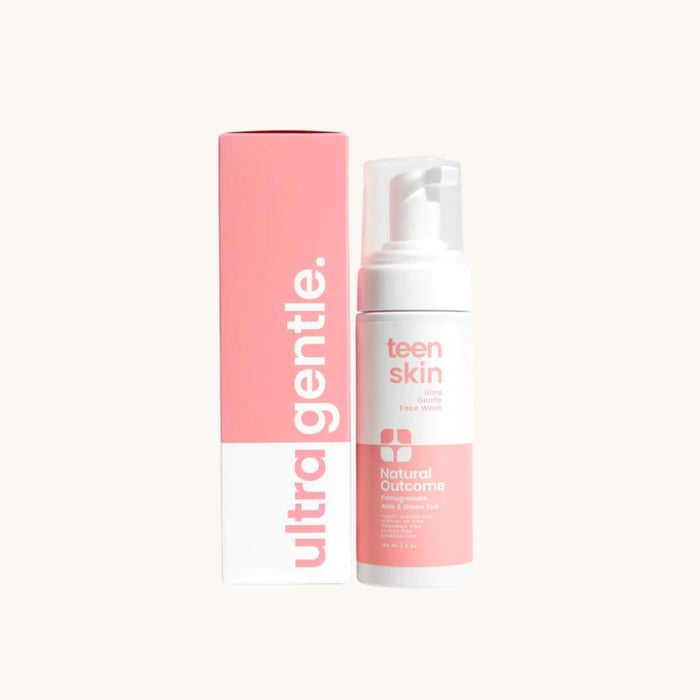
Teen Skin Ultra Gentle Foaming Face Wash for Kids

Teen Skin Ultra Gentle Foaming Face Wash for Kids

$16.99

The Teen Skin Ultra Gentle Foaming Face Wash is designed specifically for teens and pre-teens, making skincare simple and safe from the start. This fragrance-free, oil-free formula creates a rich, airy foam that lifts away dirt, excess oil, and environmental pollutants… read more

The Best Moisturizers for Kids

A good moisturizer helps protect a child’s skin by maintaining hydration without clogging pores or feeling heavy. Many conventional moisturizers contain petroleum-based ingredients and synthetic preservatives, which can create an artificial barrier without providing the same nourishing benefits as plant-based ingredients.

The best non toxic skincare for kids includes moisturizers made with gentle plant-based butters, oils, and hydration-supporting ingredients that help maintain the skin barrier without unnecessary additives.

The best kid-friendly moisturizers contain:

  • Aloe vera to soothe and hydrate sensitive skin
  • Shea butter and cocoa butter to deeply nourish without clogging pores
  • Jojoba oil and squalane to mimic natural skin oils for light hydration

Since kids' skin is naturally well-hydrated, a moisturizer should only be used as needed, particularly during dry seasons or after sun exposure. For tweens with slightly oilier skin, a lightweight, non-greasy formula is best. Choose lightweight, kid-friendly moisturizers made with gentle, nourishing ingredients.

Sunscreen: A Must-Have for Kids' Skincare

Sunscreen is one of the most important steps in a child’s skincare routine, as early sun protection helps prevent long-term skin damage and reduces the risk of skin cancer later in life. However, many sunscreens contain chemical UV filters, such as oxybenzone, octinoxate, and homosalate, which many parents prefer to avoid because of hormone-related and irritation concerns.

For kids, non toxic skincare for kids should include mineral-based sunscreen with zinc oxide or titanium dioxide. These mineral filters sit on top of the skin to help reflect UV rays, rather than relying on chemical UV filters that absorb into the skin.

For kids, always choose mineral-based sunscreens with:

  • Zinc oxide or titanium dioxide for broad-spectrum protection
  • Non-nano formulas when possible
  • Fragrance-free and reef-conscious ingredients

It’s also important to teach kids how to apply sunscreen properly: apply a generous amount before sun exposure and reapply every two hours, especially after swimming or sweating.

How to Choose Safe Skincare Brands for Kids

When shopping for skincare, it's important to choose brands that prioritize ingredient transparency and avoid greenwashing tactics. Some brands claim to be “natural” but still contain hidden synthetic preservatives, artificial colors, or undisclosed fragrance blends.

To find truly non toxic skincare for kids, look for:

  • EWG VERIFIED products that meet stricter safety standards for clean ingredients
  • USDA Organic Certification when relevant to the product type
  • Made Safe Certification when available
  • Full ingredient transparency, with no vague terms like “fragrance” or “preservatives”

By choosing safer skincare brands, parents can ensure their child’s skin is protected from harsh chemicals while still receiving effective, gentle care.

Final Thoughts on Choosing the Best Skincare for Kids

The key to safe skincare for kids is simplicity. Their skin doesn’t need complicated routines or harsh treatments—just gentle cleansing, occasional moisture, and daily sun protection. By avoiding concerning ingredients, choosing plant-based alternatives, and reading labels carefully, parents can build a healthy routine with non toxic skincare for kids that supports their child’s natural skin barrier.

Creating a Simple and Natural Skincare Routine for Tweens

As kids enter their tween years, usually ages 8–12, their skin begins to change. Increased outdoor activities, exposure to environmental pollutants, and the early stages of hormonal shifts can lead to oilier skin, occasional breakouts, or dryness. While young children don’t need an elaborate skincare routine, tweens can benefit from a simple, non-toxic regimen that encourages healthy habits without overwhelming them.

A skincare routine for tweens should be easy, quick, and focused on skin health rather than beauty. Many mainstream brands market strong acne treatments, anti-aging serums, and deep cleansers to young audiences, but these products are often too harsh and unnecessary at this stage. Instead, parents should introduce a basic three-step routine using non toxic skincare for kids that keeps skin balanced, protected, and free from irritation.

How to Introduce a Skincare Routine to Tweens

When introducing a skincare routine, the key is to make it fun and simple. Instead of presenting it as a chore, frame it as an act of self-care, similar to brushing teeth or taking a bath. Many tweens are naturally curious about skincare, especially if they see their parents or older siblings using products, so it’s a great opportunity to teach them about healthy skin habits early on.

A tween-friendly skincare routine should:

  • Be simple, with no more than three steps: cleanse, moisturize, and protect
  • Use gentle, non-toxic products
  • Avoid harsh exfoliants, strong acne treatments, and synthetic ingredients
  • Encourage consistency without overcomplicating the routine

This approach keeps non toxic skincare for kids practical and age-appropriate, instead of turning skincare into another source of pressure.

The 3-Step Routine for Tweens

A good tween skincare routine should focus on basic hygiene, hydration, and sun protection. Here’s what that looks like.

Step 1: Gentle Cleansing

Tweens should start and end their day by washing their face with a mild cleanser. Since their skin is still developing its natural oil balance, over-cleansing can lead to dryness or irritation. A sulfate-free, plant-based cleanser is ideal for removing sweat, dirt, and buildup without stripping the skin.

Best cleansing tips for tweens:

  • Wash twice a day using lukewarm water
  • Use a gentle, non-foaming cleanser with aloe, chamomile, or oat extract
  • Avoid scrubbing too hard, as this can irritate the skin

A gentle cleanser is often the foundation of non toxic skincare for kids because it helps remove buildup without disrupting the skin barrier.

Step 2: Lightweight Hydration

Not all tweens need a daily moisturizer, but some may experience dryness, especially after cleansing. The key is to use a non-greasy, fragrance-free moisturizer that nourishes the skin without clogging pores.

Best moisturizing tips for tweens:

  • Apply only when needed to prevent over-hydration
  • Choose a plant-based formula with jojoba oil, shea butter, or squalane
  • Avoid heavy creams containing mineral oil, silicones, or synthetic fragrances

For tweens, non toxic skincare for kids should never feel heavy, greasy, or overly adult. It should support the skin gently and simply.

Step 3: Sun Protection

Sunscreen is the most important skincare step for kids and tweens. Daily exposure to UV rays causes long-term damage, and childhood sunburns increase the risk of skin cancer later in life. Since many commercial sunscreens contain chemical filters such as oxybenzone, octinoxate, and homosalate, it’s best to choose a mineral-based SPF that sits on the skin rather than relying on chemical UV absorption.

Best sunscreen tips for tweens:

  • Choose a broad-spectrum SPF 30+ with zinc oxide or titanium dioxide
  • Apply every morning, even on cloudy days
  • Reapply every two hours when outdoors or after swimming

Daily SPF is one of the most important habits to include in non toxic skincare for kids, especially because sun protection is about long-term skin health—not beauty.

Avoiding Skincare Mistakes and Common Myths

Many tweens are influenced by social media trends, leading them to use harsh acne treatments, sheet masks, exfoliating scrubs, or adult skincare products before they actually need them. To keep their routine safe and effective, parents should:

Avoid harsh acne products unless recommended by a dermatologist
Teach kids to read ingredient labels to spot hidden toxins
Remind them that skincare is for skin health, not beauty standards

With guidance, tweens can build healthy skincare habits that will benefit them for life without the pressure of unrealistic beauty expectations. That is the heart of non toxic skincare for kids: helping children care for their bodies in a way that feels safe, simple, and age-appropriate.

Related: The Science & Ethics Behind Non-Toxic Beauty

Final Thoughts on Tween Skincare Routines

A non-toxic skincare routine should be simple, effective, and tailored to a child’s natural skin needs. By choosing gentle products, avoiding harmful ingredients, and teaching tweens to care for their skin properly, parents can ensure their kids develop healthy habits that last a lifetime.

For families, non toxic skincare for kids is not about creating a beauty routine too early. It is about teaching children how to care for their skin with safe, thoughtful choices.

DIY Natural Skincare Recipes for Kids

Making homemade skincare products is a great way to ensure your child’s routine is simple, transparent, and free from unnecessary synthetic ingredients. Many store-bought skincare products contain hidden chemicals, synthetic fragrances, and artificial dyes, even when marketed as “natural.” With DIY skincare, you have more control over what goes on your child’s skin, while also making it a fun, educational activity.

Natural skincare doesn’t have to be complicated. Many safe and effective homemade cleansers, moisturizers, and masks can be made with simple, plant-based ingredients like oats, aloe vera, coconut oil, and fruit extracts. DIY recipes can also help kids understand the purpose behind non toxic skincare for kids in a hands-on way.

Why DIY Skincare is Great for Kids

Many parents worry about the safety of commercial skincare products, but DIY skincare offers several key benefits:

  • No hidden chemicals
  • Gentle options for sensitive skin
  • A hands-on way to teach kids about self-care
  • Budget-friendly and lower-waste when made thoughtfully

Homemade skincare is also a great way to involve kids in self-care without exposing them to beauty industry pressures. Instead of focusing on appearance, DIY skincare can be framed as a fun, sensory experience that promotes wellness and creativity. This makes it a natural extension of non toxic skincare for kids at home.

Easy DIY Skincare Recipes for Kids

Here are three simple, non-toxic recipes that use safe, food-grade ingredients to gently cleanse, hydrate, and soothe your child’s skin.

Gentle Oatmeal and Honey Face Cleanser for Sensitive Skin

Many store-bought face washes contain sulfates and synthetic foaming agents, which can strip the skin of its natural protective oils. This DIY oatmeal cleanser is soap-free and can be a gentle option for kids with sensitive or dry skin.

Ingredients:

  • 2 tbsp finely ground oats
  • 1 tbsp raw honey
  • 1 tbsp chamomile tea

Instructions:

Blend oats into a fine powder using a food processor.
Mix with honey and chamomile tea until a smooth paste forms.
Apply to the face in gentle circular motions, then rinse with warm water.

Why it works: Oats gently cleanse while honey acts as a natural humectant, keeping skin hydrated and soft.

This simple recipe supports the same principle behind non toxic skincare for kids: use gentle, purposeful ingredients and avoid unnecessary harsh additives.

Aloe Vera and Jojoba Oil Moisturizer

Most commercial moisturizers for kids contain petroleum-based ingredients that sit on the skin instead of truly nourishing it. This DIY lightweight moisturizer absorbs quickly and supports the skin without feeling greasy.

Ingredients:

  • 2 tbsp pure aloe vera gel
  • 1 tsp jojoba oil
  • 2 drops lavender essential oil, optional

Instructions:

Whisk all ingredients together in a small bowl.
Store in a small container and use within two weeks.
Apply a pea-sized amount to the skin as needed.

Why it works: Aloe vera hydrates and cools the skin, while jojoba oil locks in moisture without feeling greasy.

As with all non toxic skincare for kids, patch-test first and avoid any ingredient your child may be sensitive or allergic to.

Berry and Yogurt Face Mask

Instead of using chemical-laden face masks, try this all-natural, antioxidant-rich mask that gently nourishes the skin and makes for a fun, sensory experience.

Ingredients:

  • 3 fresh strawberries
  • 1 tbsp plain yogurt
  • 1 tsp honey

Instructions:

Mash the strawberries with a fork until smooth.
Mix in yogurt and honey until well combined.
Apply to the face for 5–10 minutes, then rinse off with warm water.

Why it works: Strawberries provide antioxidant benefits, while yogurt and honey help soften and soothe the skin.

This type of activity can make non toxic skincare for kids feel fun and approachable, while still keeping the focus on wellness rather than beauty pressure.

How to Store DIY Skincare Products Safely

Since DIY skincare products don’t contain synthetic preservatives, they have a shorter shelf life than commercial options. To keep them fresh and safe:

  • Store in airtight containers in the fridge when possible
  • Use within 1–2 weeks to reduce the risk of bacterial growth
  • Always use clean hands or a spatula to scoop out the product

If your child has extremely sensitive skin or known allergies, always patch-test a small amount of any DIY product before applying it to their face.

Final Thoughts on DIY Skincare for Kids

DIY skincare is a great way to introduce kids to safe, natural ingredients while avoiding harmful chemicals and synthetic additives. By making simple cleansers, moisturizers, and masks at home, parents can ensure their child’s skincare routine is truly non-toxic, fun, and effective.

Plus, these recipes allow kids to explore self-care in a playful, creative way without being influenced by beauty industry marketing and unrealistic standards. Whether it’s mashing up fruit for a face mask or mixing honey into an oat cleanser, these small moments help kids connect with non toxic skincare for kids in a way that feels fun and empowering.

Conclusion: Raising Kids with Healthy Skincare Habits

Teaching kids about safe skincare isn’t just about protecting their skin today. It’s about setting them up for a lifetime of healthy habits. With so many mainstream products containing hidden chemicals, synthetic fragrances, and misleading marketing claims, it’s important for parents to look beyond front-label promises and choose products that are gentle, effective, and transparent.

By prioritizing simple, plant-based ingredients, avoiding harsh additives, and establishing a basic skincare routine, we can help kids care for their skin in a way that is natural, safe, and appropriate for their age. Whether you choose trusted brands or explore fun DIY recipes, the goal of non toxic skincare for kids is the same: to encourage confidence, self-care, and an understanding that skincare is about wellness, not unrealistic beauty standards.

As kids grow, their skincare needs will change, but with a strong foundation of safe habits and mindful choices, they’ll be empowered to make informed decisions about what goes on their skin for years to come. That is why non toxic skincare for kids is not just a product category—it is a parenting choice rooted in protection, education, and long-term wellness.

FAQs

What makes non toxic skincare for kids different from regular skincare?

Non toxic skincare for kids should be gentler, simpler, and more age-appropriate than adult skincare. Children’s skin can be more sensitive and more vulnerable to irritation, so the focus should be on mild cleansing, light hydration, and sun protection rather than harsh acne treatments, strong exfoliants, or complicated multi-step routines.

When should kids start using skincare products?

Most young children do not need a full skincare routine, but they can begin learning simple habits around ages 4–6, such as washing away dirt and sweat with a gentle cleanser. Tweens, around ages 8–12, may benefit from a basic routine that includes cleansing, moisturizing as needed, and daily mineral sunscreen.

What ingredients should parents avoid in kids’ skincare?

Parents should watch for ingredients such as parabens, sulfates like SLS and SLES, synthetic fragrance, artificial dyes, petroleum-based ingredients, formaldehyde-releasing preservatives, and vague terms like “fragrance” or “parfum.” Reading the full ingredient list is one of the most important steps when choosing non toxic skincare for kids.

What is a simple skincare routine for tweens?

A simple tween skincare routine should include three steps: a gentle cleanser, a lightweight moisturizer if needed, and daily mineral sunscreen. The goal is to support healthy skin without introducing adult beauty routines, harsh treatments, or unnecessary products too early.

Are DIY skincare recipes safe for kids?

DIY skincare can be a fun and educational option when recipes use simple, gentle ingredients and are made with parent supervision. Because homemade products do not contain strong preservatives, they should be stored properly, used quickly, and patch-tested first, especially if a child has sensitive skin or known allergies.

For a deeper dive into safe skincare for kids, visit Safe & Non-Toxic Skincare for Kids to discover the best clean beauty products, DIY recipes, and tips for keeping your child’s skin healthy and toxin-free.


« Back to Blog