


Table of Contents
Choosing a face wash for kids does not need to be complicated. Children and tweens usually need a shorter, gentler routine than adults—not a shelf full of strong actives. The best cleanser is one that removes everyday dirt, sweat, sunscreen, and play makeup without leaving skin feeling tight, itchy, or uncomfortable.
This parent-friendly guide explains the difference between a face wash and a cleanser, what to consider by age and skin type, and how to build a routine your child can actually follow.
Face wash vs. cleanser: what is the difference?
The terms are often used interchangeably, and many products can do both jobs. In general, a face wash usually foams and is designed to rinse away sweat, oil, and debris. A cleanser may be a gel, cream, balm, or micellar formula and can feel less foamy or more moisturizing.
| Type | Often feels like | May suit |
|---|---|---|
| Foaming face wash | Light and quick-rinsing | Active kids, tweens, or skin that becomes oily |
| Gel cleanser | Fresh with low-to-moderate foam | Normal, combination, or sensitive skin |
| Cream cleanser | Soft and moisturizing | Dry or easily irritated skin |
| Micellar water | Watery and no-foam | Removing light makeup or sunscreen before cleansing |
The label matters less than how the formula behaves on your child's skin. A good result is clean, comfortable skin—not a squeaky or stripped feeling.
When does a child need a facial cleanser?
There is no single starting age for every child. Younger children may only need lukewarm water on many days. A dedicated cleanser becomes more useful when a child regularly wears sunscreen or play makeup, sweats during sports, develops noticeable oiliness, or starts experiencing the skin changes that often come with puberty.
Keep the routine simple and adjust it to your child's skin and activities. Cleanse to remove sunscreen, makeup or heavy sweat, and avoid repeated washing that leaves the skin uncomfortable. If your child has eczema, persistent acne, a rash, or ongoing irritation, ask a pediatrician or dermatologist for individualized guidance.
How to choose a gentle face wash for kids
1. Start with the child's skin needs
- Dry or sensitive skin: Look for a mild, fragrance-free cleanser. For eczema-prone skin, the American Academy of Dermatology recommends a mild, fragrance-free cleanser when cleansing is needed.
- Normal skin: A straightforward gel or gentle foaming wash is often enough.
- Oily or combination skin: Choose a cleanser that removes excess oil without harsh scrubbing or repeated washing.
- Acne-prone skin: Begin with gentle cleansing. Strong acne actives should be selected thoughtfully, especially for younger children.
2. Favor a short, age-appropriate routine
More products do not automatically produce better skin. A basic routine can be cleanser, moisturizer if needed, and daytime sun protection. Introduce one new product at a time so it is easier to identify the cause if irritation occurs.
3. Be careful with “adult strength” formulas
Adult cleansers may contain exfoliating acids, strong acne ingredients, gritty scrubs, or heavy fragrance. Those ingredients are not automatically inappropriate, but they may be more than a child needs. Avoid chasing a tingling, tightening, or “deep clean” sensation; discomfort is not proof that a cleanser is working.
4. Do not rely on marketing words alone
Words such as “natural,” “clean,” and “gentle” do not tell the whole story. Review the complete ingredient list, the product's directions, and the age group it was designed for. If your child is sensitive to fragrance or a known ingredient, prioritize that individual need over broad claims on the front label.
5. Patch test when sensitivity is a concern
The AAD describes testing a new skin-care product on a small area for seven to ten days, following the rinse-off directions for a cleanser. This home check does not rule out an allergy. For a child with eczema or a known allergy, ask their clinician how to introduce a new product. Stop using a product that causes a reaction.
A simple routine as children grow
Ages 6–9: build the habit
These age bands are practical examples, not medical cutoffs. The goal for younger children is usually learning a gentle routine. Teach children to use lukewarm water, a small amount of cleanser only when needed, and a soft towel to pat the face dry. Avoid rough washcloths and aggressive scrubbing. An adult can supervise until the child can rinse thoroughly and keep product away from the eyes.
Ages 10–12: adjust for activity and early oiliness
Tweens may need more regular cleansing as sports, sunscreen, stage makeup, or early puberty changes enter the picture. An evening cleanse is a practical starting point. If the skin feels tight afterward, use less product, cleanse less often, or switch to a gentler formula.
Ages 13 and up: stay gentle as skin changes
Teens may want stronger products when breakouts begin, but over-cleansing can make a routine uncomfortable and harder to maintain. Start with a dependable face wash and add targeted products only when there is a clear reason.
Our current gentle face-wash picks
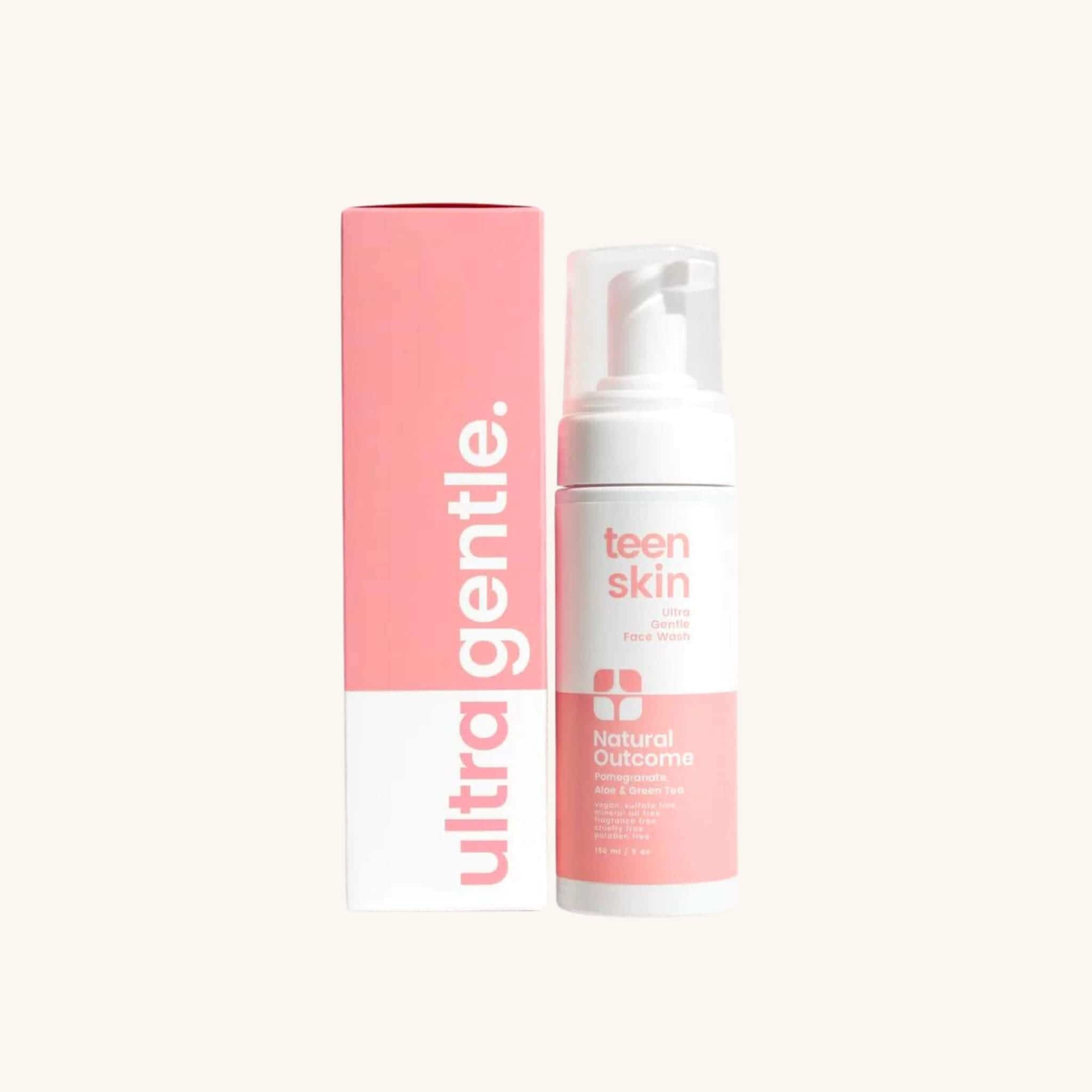
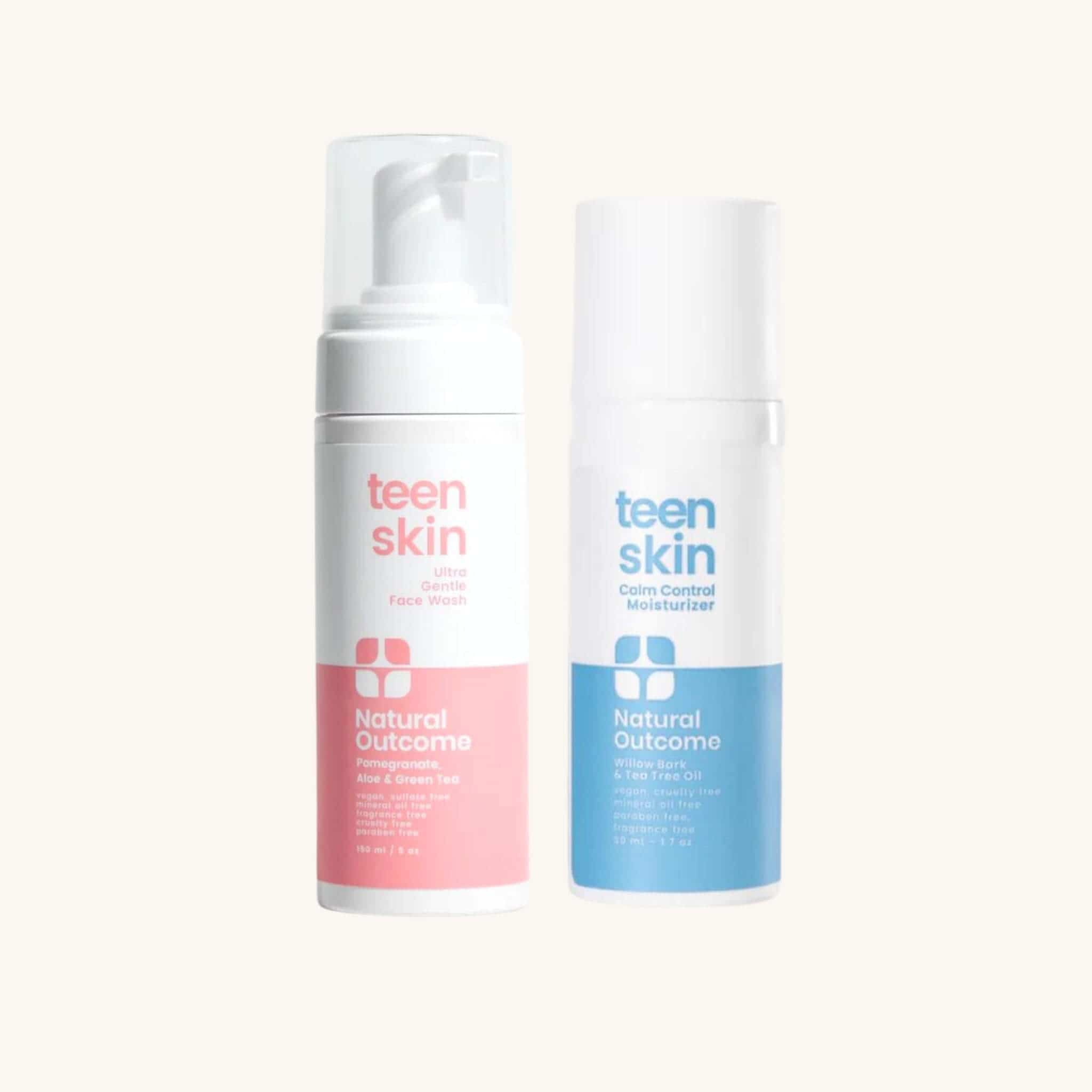
These two current options can help you compare a standalone cleanser with a cleanser-and-moisturizer set. Match the label directions to your child's needs.
Teen Skin Ultra Gentle Foaming Face Wash for Kids: a foaming option for tweens and teens who want an easy daily cleanser. The product page highlights aloe, green tea, and pomegranate.
Fragrance-Free Kids Skincare Set: pairs a fragrance-free foaming face wash with Calm Control moisturizer for teens and preteens. The manufacturer lists willow bark, tea tree oil and lavender extract in the moisturizer; assess that formula separately, especially for sensitive or eczema-prone skin.
Availability can change, so check each product page before ordering. For more options across bath, body, skincare, and play makeup, browse the full Popsicle Beauty Club collection.
How to wash a child's face without overdoing it
- Wash hands first.
- Wet the face with lukewarm—not hot—water.
- Use a small amount of cleanser and gently massage with fingertips.
- Rinse thoroughly, especially around the hairline and sides of the nose.
- Pat dry with a clean, soft towel.
- Apply a simple moisturizer if the skin feels dry, and use age-appropriate sun protection during the day.
Avoid rough brushes, scrub particles, and repeated washing. The AAD face-washing guide recommends fingertips, lukewarm water and gentle drying.
Common face-washing mistakes
- Using too much product: More cleanser can make rinsing harder and may increase dryness.
- Washing with very hot water: Lukewarm water is more comfortable and less drying.
- Scrubbing to remove breakouts: Acne is not caused by being “dirty,” and harsh friction can irritate skin.
- Adding several new products at once: Introduce products one at a time.
- Ignoring discomfort: A routine should not regularly burn, sting, or leave skin painfully tight.
The takeaway
A good face wash for kids should support a healthy habit without turning skincare into a complicated project. Choose a mild formula, keep the routine short, and let comfort—not foam, fragrance, or a “squeaky clean” feeling—guide the decision.
Additional guidance: AAD guidance on skin reactions.
FAQs
What is the best face wash for kids?
The best option is a mild cleanser that matches the child's age, skin type, and routine. It should remove the day's buildup while leaving the skin comfortable. Fragrance-free formulas can be useful for children who are sensitive to fragrance.
Can kids use an adult face wash?
Sometimes, but read the directions and ingredient list carefully. A basic mild cleanser may be suitable, while a formula built around strong exfoliation, anti-aging ingredients, or intensive acne treatment may not be the best starting point for a child.
Should kids wash their face twice a day?
The right frequency depends on the child's skin and activities. The AAD's general guidance is to limit face washing to twice a day and after heavy sweating. If your child has dry or eczema-prone skin, ask their clinician about a suitable schedule.
Is micellar water the same as face wash?
Micellar water can lift light makeup, sunscreen, and surface debris, but some children may still prefer or need a rinse afterward. Follow the product directions and pay attention to how the skin feels.
What should I do if a cleanser causes irritation?
Stop using the product and gently rinse it off. Contact a healthcare professional for a painful, spreading or persistent rash. Get emergency medical help immediately if your child has trouble breathing or swallowing, or swelling of the eyes or lips. These are urgent warning signs in the AAD guidance on skin reactions.