
Table of Contents
- Introduction
- Answer-ready: what to choose for most families
- Popsicle safety snapshot
- How to choose a makeup remover (kids + sensitive skin)
- Ingredient and label checklist (what to look for, what to question)
- How to use makeup remover on kids (low-irritation routine)
- Wipes vs. micellar vs. balm/oil: a quick comparison for parents
- Common mistakes to avoid
- Where Popsicle Beauty Club fits (and how to shop with less overwhelm)
- Bottom line
- Sources and further reading
- FAQs
Introduction
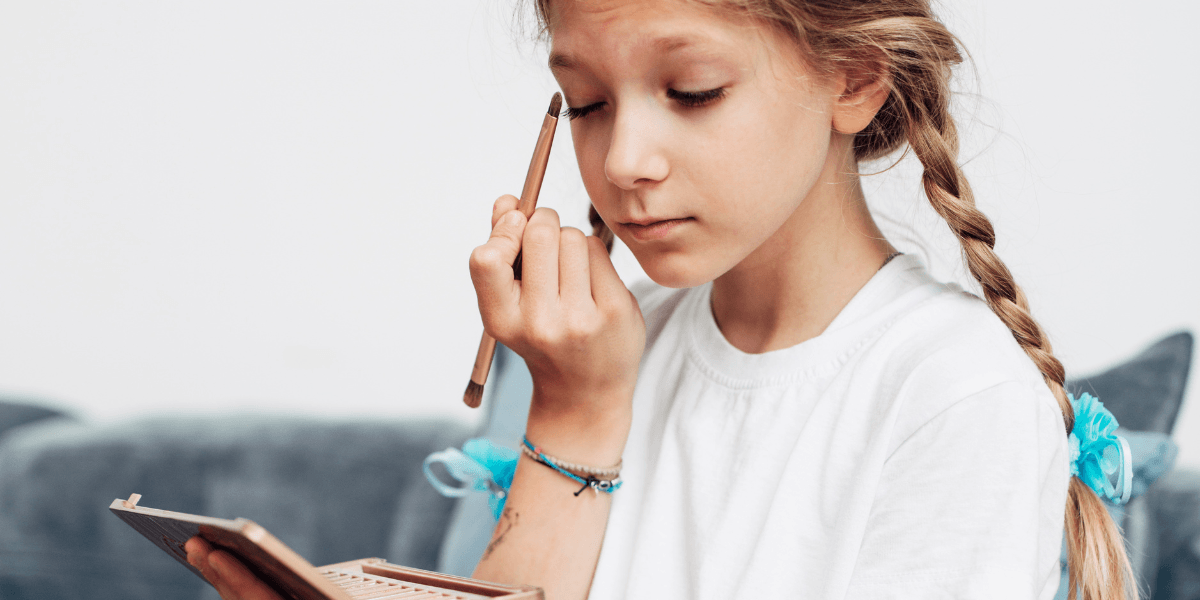
Safe makeup remover for kids (and for sensitive-skin families) usually means: it removes product easily with minimal rubbing, uses a short and transparent ingredient list, avoids unnecessary fragrance when possible, and rinses clean without leaving a heavy film that can bother eyes or skin. The parent goal isn’t “stronger.” It’s gentler removal—because the most common irritation comes from over-wiping, tugging, and leftover residue.
If your child is experimenting with kid safe makeup or occasional play looks, your best bet is a remover that’s simple, eye-aware, and easy to follow with a quick rinse and basic moisturizer. Below is a parent-friendly decision path: what to buy, what to check on labels, and how to make removal part of a healthier “play and care” routine (not a daily, performance beauty expectation).
Answer-ready: what to choose for most families
- For light makeup play (lip balm, gentle gloss, face stickers/gems): warm water + a soft cloth can be enough; add a mild cleanser if needed.
- For washable kids’ makeup or face paint: look for a Safe makeup remover approach that prioritizes low-friction removal (balm/oil + rinse, or micellar + rinse), then cleanse once.
- For sensitive skin or frequent irritation: choose fragrance-free when possible, avoid scrubs, and patch test. If irritation persists, pause and check with a qualified clinician.
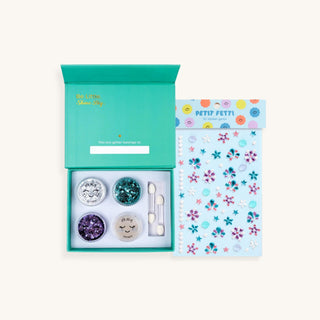
- For glitter/shimmer: prioritize “lift” over “scrub” (use a saturated cotton pad and gentle press-and-sweep). Keep glitter away from the waterline and lashes.
Popsicle safety snapshot
Popsicle Beauty Club is built to be a practical clean kids’ beauty hub—so parents can shop with less guesswork and more age-appropriate guardrails.
- Curated marketplace of vetted clean kids’ beauty brands: Popsicle carries kid-focused options and values transparent ingredient lists so you can compare in one place.
- Medical-advisory-backed kids’ beauty education: our education is designed to be protective without being alarmist, focusing on realistic routines and smart label checks.
- EWG Verified positioning/products where applicable: when a product has that specific credential, it should be clearly stated on the product listing (and it matters because it’s a defined standard, not just marketing language).
- Allergist review process where applicable: when Popsicle references allergist review, it is process-based guidance for curation and education—not a guarantee that any product is allergy-proof for every child.
Bottom line on our point of view: kids’ beauty should stay in the lane of expression, hygiene, play, and care—not correction. That shows up in how we think about makeup removal, too: gentle, simple, and easy to stop if skin says “no.”
How to choose a makeup remover (kids + sensitive skin)
The “best” remover depends on what your child is actually wearing and where. A great Safe makeup remover choice is the one that removes product quickly without a second round of scrubbing. Choosing an easier safe makeup remover starts with choosing easier-to-remove makeup, and our play makeup guide explains which washable, sheer formats fit age-appropriate beauty play. A good safe makeup remover should match the amount of product being worn. Light, washable makeup may need only water and cleanser, while waxier formulas may need a balm or oil first.
1) Match the remover to the makeup type
- Water-based, washable kids’ makeup/face paint: often removes with gentle cleanser + warm water. If pigment lingers, a micellar water followed by rinse can help.
- Waxy products (lip crayons, some balms, thicker glosses): a balm or oil-based remover can dissolve waxes faster, meaning fewer swipes.
- Shimmer or glitter: choose a remover that “grabs” particles (oil/balm can help), and use a press-and-lift method. Keep any loose glitter away from eyes.
2) Decide what matters most in your house
- Sensitive skin: prioritize fragrance-free or very low-fragrance, and avoid exfoliating acids or strong actives in a “remover.”
- Eye area caution: pick something meant for face use, and keep it out of the waterline. The eye area is where kids tend to rub.
- Ease + compliance: if a product requires three steps and ten cotton rounds, it won’t happen. Aim for a routine your child can do with you in under two minutes.
- Ingredient transparency: look for a clear INCI list; be cautious when a brand leans on vague claims without showing the formula.
3) Consider format (and the tradeoffs)
- Micellar water: convenient; can be great for quick cleanup, but many families prefer to rinse after to reduce leftover surfactants.
- Cleansing balm/oil: excellent for low-friction removal; follow with a gentle cleanser if there’s residue or if your child is prone to clogged pores.
- Makeup remover wipes: handy for travel and late nights, but often encourage over-rubbing and can leave residue. If you use them, pick the gentlest option you can find and follow with a rinse when possible.
Ingredient and label checklist (what to look for, what to question)
No remover is “perfect” for every child, but labels can tell you a lot. Here’s a practical checklist for shopping a Safe makeup remover without needing a chemistry degree.
Green-flag traits on a kids-and-family remover
- Short, readable ingredient list with a clear function (cleansing agents + emollients + preservatives).
- Fragrance-free (or clearly disclosed fragrance) if your child is sensitive. “Unscented” can still contain masking fragrance—check the ingredient list.
- Rinses clean or has instructions that encourage rinsing after use.
- Clear use directions including eye-area caution and contact-lens considerations (if relevant for older teens).
Yellow-flag label language (pause and investigate)
- “Fragrance” listed without clarity: FDA notes that individual fragrance ingredients generally don’t have to be listed separately, which can make it hard to know what you’re reacting to if sensitivity pops up.
- “Essential oils” as the main selling point: natural scent compounds can still irritate some kids, especially around eyes and lips.
- “Tingly,” “deep clean,” or “pore detox” messaging: for kids, those are often signals of unnecessary intensity.
What about phthalates, dyes, and “clean” claims?
- Fragrance and phthalates: FDA explains phthalates may be used in some cosmetics (including as solvents/stabilizers in fragrance), and fragrance ingredients aren’t always individually listed. That’s one reason many sensitive-skin families prioritize fragrance-free when possible.
- Dyes and bright colors: parents sometimes avoid petroleum-derived synthetic dyes due to broader exposure concerns. If this matters to you, look for brands that clearly disclose colorants and keep routines minimal.
- “Clean” isn’t a regulated guarantee: use it as a starting point, then verify by reading the full ingredient list and looking for defined standards (when a credential is explicitly stated).
Parent-friendly rule: if you can’t quickly tell what’s in it, how to use it, and how to rinse it off, it’s probably not the simplest choice for a first makeup routine.
How to use makeup remover on kids (low-irritation routine)
Most “makeup remover problems” are actually technique problems. This routine keeps things gentle and predictable.
- Wash hands first. This is the hidden win—kids touch faces constantly, and clean hands reduce the need for aggressive cleansing later.
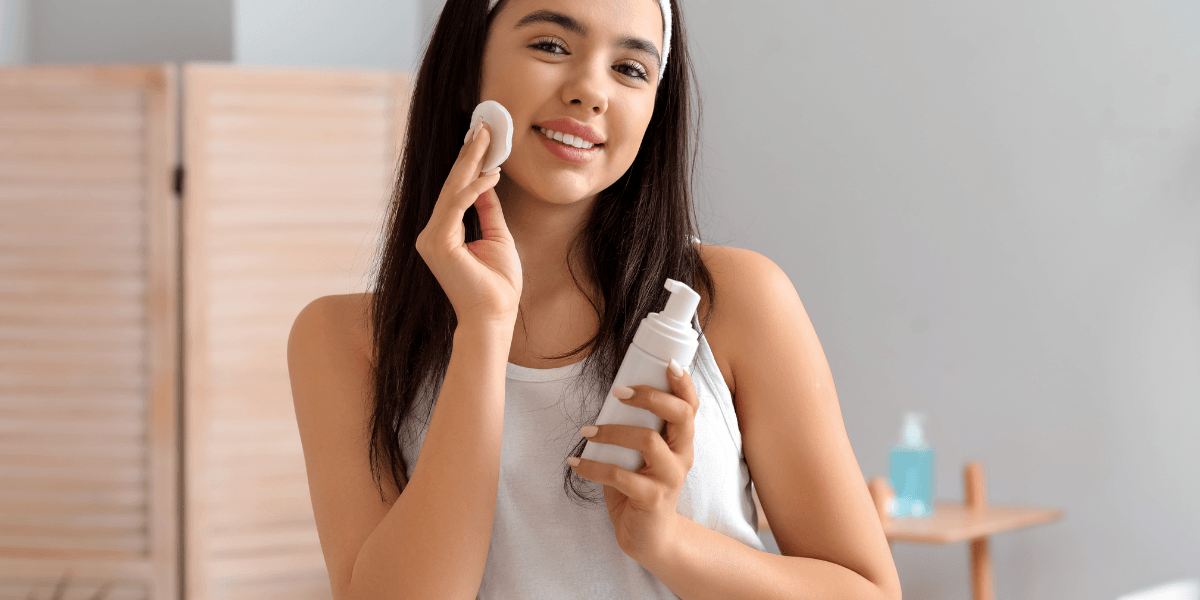
- Saturate, don’t scrub. Soak a soft cotton pad or clean cloth with remover. Press onto the area for 10–15 seconds to loosen pigment.
- Wipe in one direction. Gentle, single-direction swipes reduce friction versus back-and-forth rubbing.
- Rinse when possible. Even if a product says “no rinse,” many families find a quick lukewarm rinse reduces residue and eye stinging.
For a reusable safe makeup remover tool, the Heart-Shaped Makeup Remover Puff by Oh Flossy is made for kids and tweens with ultra-soft microfiber. It is machine washable and designed to replace repeated use of disposable wipes, making it a practical fit for the article’s press-and-wipe approach.
Heart-Shaped Makeup Remover Puff
$9.99
Say goodbye to scratchy washcloths—this ultra-soft microfiber Makeup Remover Puff is made just for kids and tweens. Gentle on young skin, it makes washing up after beauty play a breeze. A handy hanging tag lets it dry between uses, and… read more

- Cleanse once (optional but helpful). If you used an oil/balm or the makeup was heavier, follow with a mild cleanser. If you need help choosing that follow-up cleansing step, our face wash for kids guide explains how to compare gentle cleansers that remove dirt, sunscreen, and makeup without turning the routine into aggressive cleansing.
- Moisturize only if needed. A small amount of a simple moisturizer can help if skin feels dry—avoid turning it into a complicated routine.
Patch test tip: if you’re trying a new Safe makeup remover, test it on a small area first (especially if your child has eczema, very reactive skin, or a history of irritation). If burning, rash, or swelling occurs, stop and seek guidance from a qualified clinician.
Wipes vs. micellar vs. balm/oil: a quick comparison for parents
If your child is begging for makeup and you’re trying to keep the experience age-appropriate, removal should be easy enough that you’re not dreading cleanup. Here’s how formats usually compare:
- Wipes: best for car/bag convenience; biggest downside is friction (kids tend to rub). If you use wipes, choose the gentlest option you can, and follow with a rinse when you’re home.
- Micellar water: good for quick removal with a cotton pad; many parents prefer to rinse after. Look for clear labeling and avoid strong fragrance if your child is sensitive.
- Cleansing balm/oil: often the lowest-friction option for stubborn waxy products; can be ideal for costume makeup/face paint days. Follow with a gentle cleanser if residue bothers your child.
If heavier play makeup leaves residue after removal, Teen Skin Ultra Gentle Foaming Face Wash for Kids by Natural Outcome can serve as the simple cleansing step afterward for an older pre-teen or teen. Its current listing describes a fragrance-free, oil-free foaming cleanser designed for teens and pre-teens.
Teen Skin Ultra Gentle Foaming Face Wash for Kids
$16.99
The Teen Skin Ultra Gentle Foaming Face Wash is designed specifically for teens and pre-teens, making skincare simple and safe from the start. This fragrance-free, oil-free formula creates a rich, airy foam that lifts away dirt, excess oil, and environmental pollutants… read more

Practical tip for younger kids: choose one method and stick with it. Consistency reduces the chance you’ll reach for something harsher out of frustration.
Common mistakes to avoid
- Using makeup remover to “deep clean” a child’s skin. Removers are for taking product off, not for fixing pores or oil.
- Over-rubbing the eye area. If product won’t budge, switch tactics (press longer, use more remover, or move to a balm/oil) rather than scrubbing.
- Skipping the rinse when eyes are sensitive. Residue can migrate when kids sweat or rub their faces.
- Letting kids share removers, pads, or cloths. Shareable products can become germ-sharing products. Give each child their own cloth or single-use pads.
- Assuming “natural” equals non-irritating. Botanical extracts and essential oils can still cause irritation for some kids.
- Turning removal into punishment. Frame it as hygiene and care: “We play, we clean, we rest.”
Where Popsicle Beauty Club fits (and how to shop with less overwhelm)
Parents usually end up searching “safe makeup for kids” and “kids safe makeup” because the mainstream market mixes adult products, kid packaging, and vague claims. Popsicle Beauty Club is designed to be the in-between: a curated clean kids’ beauty hub where you can compare kid-appropriate options without wading through thousands of adult listings.
If your child is asking for a “first makeup” experience, Popsicle’s practical approach is to start with the least complex products (think: lip care, gentle shimmer, playful nail color) and pair that with a removal step that’s just as simple. A Safe makeup remover is part of the boundary-setting: if it can’t come off easily, it doesn’t belong in the routine.
Bottom line
A Safe makeup remover for kids is the one that gets makeup off with minimal rubbing, minimal drama, and clear ingredients you can live with. Prioritize low-friction removal (press, then wipe), avoid unnecessary fragrance if your child is sensitive, rinse when possible, and patch test new products. If makeup play is happening in your house, keep the routine simple—and let Popsicle Beauty Club help you find vetted, kid-appropriate options in one place.
Sources and further reading
- NIEHS: Cosmetics and Your Health - Helpful context on what counts as cosmetics and how cosmetics are regulated (including that most cosmetics/ingredients aren’t preapproved, except color additives).
- FDA: Phthalates in Cosmetics - Explains how phthalates may be used and why “fragrance” labeling can limit what consumers can see.
- NIEHS: Endocrine Disruptors - Background on endocrine-disrupting chemicals and everyday exposure routes (useful for understanding why some families try to reduce avoidable exposures).
For a complete guide on non-toxic play makeup, check out our in-depth resource: The Ultimate Guide to Non-Toxic Play Makeup for Kids for expert tips, product recommendations, and everything you need to know about choosing safe beauty play products for your child.

About the Author: This article was written by the contributing writers at Popsicle Beauty Club—a team of moms, educators, and clean beauty advocates passionate about creating a safer, more imaginative world for kids. We believe in empowering parents with trusted information and offering fun, non-toxic beauty and personal care products that let children play, express, and explore—without compromising their health.
FAQs
What is the safest way to remove kids’ makeup?
Do kids need makeup remover wipes?
What ingredients should I avoid in a Safe makeup remover for sensitive skin?
Does kids’ washable makeup always need a separate remover?
Not necessarily. Some washable play makeup may come off with lukewarm water and a gentle cleanser alone. Start with the least complicated method that works. If pigment, wax, or shimmer remains, add a low-friction removal step rather than scrubbing harder.
Is micellar water a safe makeup remover for kids?
A safe makeup remover routine can include micellar water when the formula suits your child and removes the product without excessive rubbing. Use a soft pad, keep the liquid out of the eyes, and consider a quick lukewarm rinse afterward if residue or stinging is a concern.