


Table of Contents
- Introduction
- What is the best face wash for kids?
- Face wash vs. cleanser: does the name matter?
- When should kids start using face wash?
- How often should kids wash their face?
- Ingredients and labels: what parents should know
- How to choose by skin type and need
- Face wash for kids at Popsicle Beauty Club
- A simple face-washing routine for kids
- When to ask a pediatrician or dermatologist
- The bottom line
- FAQs About Face Wash for Kids
Introduction
Choosing a face wash for kids does not require a complicated skincare routine or a long list of fear-based ingredient rules. The most useful starting point is a gentle cleanser that removes dirt, sweat, sunscreen, and makeup without stinging, scrubbing, or leaving the skin feeling tight.
The right choice depends more on the formula and your child's skin than on whether the bottle says face wash, cleanser, or children's face washer. This parent guide explains what those labels mean, when regular cleansing may be helpful, and how to compare products without treating every unfamiliar ingredient as dangerous.
Quick answer: For most kids, start with a simple, non-abrasive cleanser and lukewarm water. Fragrance-free options can be useful for sensitive or eczema-prone skin. Adjust frequency to the child's skin, activity level, and whether you are removing sunscreen or makeup.
What is the best face wash for kids?
The best face wash for kids is one that cleans effectively without causing burning, redness, persistent dryness, or a tight feeling afterward. A basic formula is often enough. Scrubs and strong treatment ingredients are not necessary unless a pediatrician or dermatologist recommends them for a specific concern.
The American Academy of Dermatology recommends using a gentle, non-abrasive cleanser, applying it with fingertips, rinsing with lukewarm water, and avoiding scrubbing. Those practical signs are often more helpful than broad marketing terms.
- Gentle cleansing: Skin should feel comfortable after rinsing, not squeaky or stripped.
- A simple purpose: The cleanser should remove everyday dirt, sweat, sunscreen, or makeup.
- A formula matched to the child: Dry, oily, sensitive, and acne-prone skin may prefer different textures.
- Clear directions: Follow the product label and discontinue use if irritation develops.
Face wash vs. cleanser: does the name matter?
Face wash and facial cleanser are overlapping product terms, not strict safety categories. A face wash may be a gel or foam, while a cleanser may be a cream, gel, lotion, oil, or micellar product. Neither name automatically makes a formula milder or more appropriate for children.
| Skin need | What may work well | What to notice |
|---|---|---|
| Dry or sensitive skin | A mild cream, lotion, or gentle gel cleanser | Look for comfort after rinsing and consider fragrance-free options |
| Normal to oily skin | A gentle gel or light foaming face wash | It should remove excess oil without leaving skin tight |
| Sunscreen or makeup removal | A cleanser labeled to remove the product being worn | A second gentle rinse may be useful if residue remains |
| Eczema-prone skin | A mild, fragrance-free cleanser chosen with professional guidance when needed | Stop if the product triggers itching, redness, or a flare |
Choose by the complete formula, directions, and how the skin responds—not by the product name alone.
When should kids start using face wash?
There is no universal age when every child must begin using facial cleanser. Younger children may only need water for routine washing, with a mild cleanser used after heavy sweating, sunscreen, makeup, or visibly messy play. A consistent cleanser routine often becomes more useful during the tween years as activity, oil production, and interest in skincare change.
The AAD's guidance for tweens recommends keeping skincare simple: a gentle cleanser, a fragrance-free moisturizer when needed, and daily broad-spectrum sun protection. Persistent acne, eczema, rashes, or irritation call for individualized advice rather than a more complicated routine.
How often should kids wash their face?
Start with once daily or as needed after sweating, sunscreen, or makeup. Tweens and teens with oilier skin may wash up to twice daily and after heavy sweating, while dry or sensitive skin may do better with one gentle cleanse in the evening.
More washing is not automatically better. Frequent scrubbing or repeated use of a drying product can make skin feel uncomfortable. Use lukewarm water, fingertips, and a soft towel for patting dry.
Ingredients and labels: what parents should know
Ingredient transparency matters, but a long chemical name is not proof that an ingredient is unsafe. The U.S. Food and Drug Administration explains that terms such as natural, organic, and hypoallergenic should not be treated as automatic safety guarantees. Read the full label, follow directions, and judge a product by its complete formulation and intended use.
For children with sensitive or eczema-prone skin, fragrance can be a practical consideration. Some fragrance ingredients may trigger irritation or allergic reactions in susceptible people, and unscented does not always mean fragrance-free. The AAD recommends mild, fragrance-free cleansers for eczema-prone children.
It is also important not to turn ingredient preferences into unsupported health claims. For example, the FDA currently states that it does not have information showing that parabens, as used in cosmetics, affect human health. Families can still have personal ingredient preferences, but the strongest buying advice focuses on irritation, allergies, directions, and the child's individual needs.
Practical reasons to skip or reconsider a product include:
- It contains rough particles that encourage scrubbing.
- It causes burning, redness, itching, or persistent dryness.
- It includes strong exfoliating acids, retinoids, or acne treatments that are not appropriate for the child's current needs.
- Its directions or age guidance do not match the intended user.
- It contains a known personal allergen or previously identified trigger.
How to choose by skin type and need
Dry or sensitive skin
Consider a mild cleanser that rinses without leaving skin tight. Fragrance-free may be preferable when fragrance is a known trigger. If eczema is present, use the child's existing care plan or ask a healthcare professional before introducing multiple new products.
Normal to oily skin
A gentle gel or light foaming face wash for kids can remove sweat and excess oil without making cleansing unnecessarily complicated. Avoid assuming that stronger foam means better cleaning. If a product makes the skin feel stripped, reduce frequency or choose a milder option.
Acne-prone tween or teen skin
Begin with a consistent gentle cleanser before adding several active products. When breakouts are persistent, painful, or distressing, a pediatrician or dermatologist can help select an age-appropriate acne routine.
Sunscreen, face paint, or makeup removal
Choose a cleanser that can remove the product being worn without hard rubbing. Rinse thoroughly and check around the hairline and jaw. A micellar product may help with removal, but enzyme- or active-rich formulas should still be selected according to the user's skin and the label.
Face wash for kids at Popsicle Beauty Club
Our kids face wash collection brings together different textures and skin-type options so parents can compare complete ingredient lists and choose what fits their family.
For normal to oily skin
The MEBEME Balancing Gel Cleanser is a gel face wash designed for normal to oily skin. Its ingredient list includes gentle cleansing agents, glycerin, botanical extracts, and aromatic plant oils. Families avoiding essential oils or managing very reactive skin should review the full label before choosing it.
Balancing Gel Cleanser for Kids, Normal to Oily Skin
$14.99
Dive into a refreshing skincare routine with MEBEME’s Balancing Gel Cleanser, a gentle face wash for kids specially formulated for normal to oily skin. This purifying formula is powered by Native Australian extracts and pure essential oils: Kangaroo Paw delivers… read more

For a fragrance-free tween or teen option
The Natural Outcome Ultra Gentle Foaming Face Wash is labeled for teens and pre-teens and does not list added fragrance. It uses a blend of cleansing agents with glycerin, aloe, green tea, and other botanical extracts.
Teen Skin Ultra Gentle Foaming Face Wash for Kids
$16.99
The Teen Skin Ultra Gentle Foaming Face Wash is designed specifically for teens and pre-teens, making skincare simple and safe from the start. This fragrance-free, oil-free formula creates a rich, airy foam that lifts away dirt, excess oil, and environmental pollutants… read more

Prefer to compare the broader routine first? Read our non-toxic skincare guide for kids, then return to the cleanser collection when you know the skin type and purpose you are shopping for.
A simple face-washing routine for kids
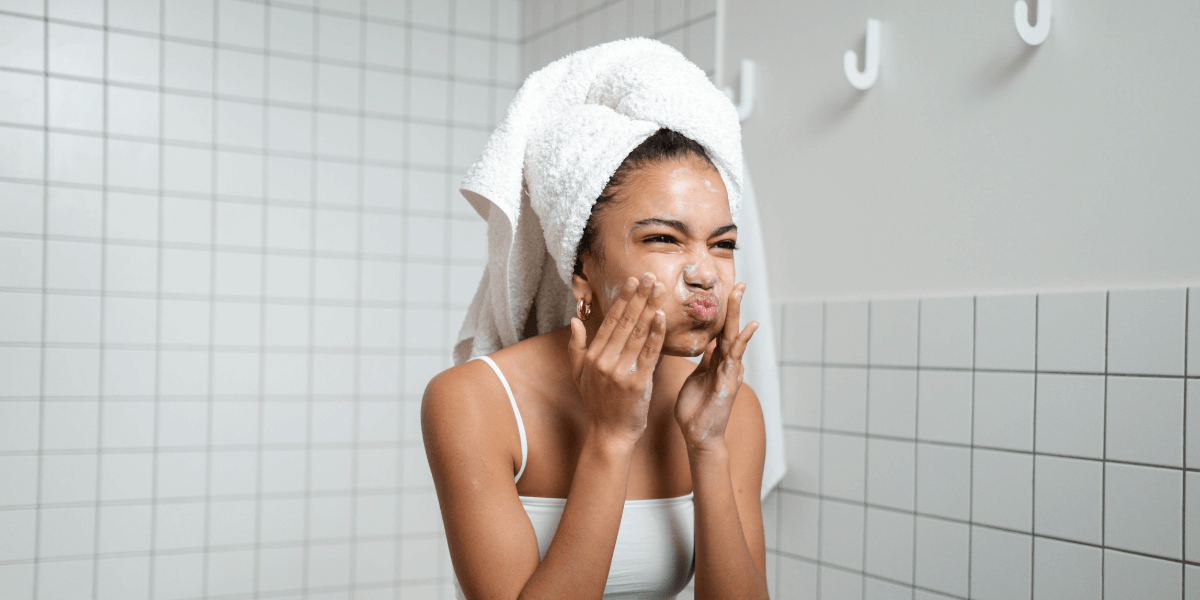
- Wet the face with lukewarm water.
- Apply a small amount of cleanser with clean fingertips.
- Massage gently without scrubbing, especially around the eyes.
- Rinse thoroughly and pat dry with a soft towel.
- Apply moisturizer if the skin feels dry, and use age-appropriate sun protection during the day.
Supervision can help younger users avoid getting cleanser in their eyes and using more product than needed. Introduce one new product at a time so it is easier to identify the cause if irritation occurs.
When to ask a pediatrician or dermatologist
Seek professional guidance for persistent rashes, eczema flares, painful or scarring acne, swelling, hives, or reactions that do not settle after stopping a product. If a cosmetic causes an unexpected reaction, the FDA advises stopping use and contacting a healthcare provider.
The bottom line
The best face wash for kids is not defined by fear-based claims or by the word kids on the front label. Look for a gentle formula that fits the child's skin, removes what needs to be removed, and feels comfortable after rinsing. Keep the routine simple, reassess if irritation appears, and use professional guidance when a skin concern needs treatment rather than basic cleansing.
For a deeper dive into safe skincare for kids, visit Safe & Non-Toxic Skincare for Kids to discover the best clean beauty products, DIY recipes, and tips for keeping your child’s skin healthy and toxin-free.

About the Author: This article was written by the contributing writers at Popsicle Beauty Club—a team of moms, educators, and clean beauty advocates passionate about creating a safer, more imaginative world for kids. We believe in empowering parents with trusted information and offering fun, non-toxic beauty and personal care products that let children play, express, and explore—without compromising their health.
FAQs
What is the best face wash for kids?
The best face wash for kids is a gentle, non-abrasive cleanser that removes dirt, sweat, sunscreen, and makeup without leaving skin tight or irritated. For sensitive or eczema-prone skin, consider a fragrance-free formula. A simple cleanser is usually enough; scrubs and strong treatment ingredients are unnecessary unless a pediatrician or dermatologist recommends them.
At what age should a child start using face wash?
There is no single required starting age. Young children may only need water or a mild cleanser when their face is dirty, sweaty, or covered in sunscreen. A regular gentle-cleansing routine often becomes more useful during the tween years or when oiliness or acne begins. Ask a pediatrician or dermatologist about persistent dryness, rashes, or breakouts.
What should parents look for in a children’s face cleanser?
Look for a gentle, non-abrasive cleanser and consider fragrance-free options for sensitive or eczema-prone skin. Skip rough scrubs and products that sting or leave skin feeling tight. Terms such as natural, clean, and hypoallergenic are not guarantees of safety, so read the full label and choose a formula that suits the skin and any known sensitivities.
Is a face wash or cleanser better for kids?
The terms face wash and cleanser often overlap, so the formula matters more than the name. Choose a gentle product that cleans without stinging, scrubbing, or leaving skin tight. Creamy or fragrance-free cleansers may suit dry or sensitive skin, while some kids with oilier skin may prefer a gentle gel or foaming cleanser.
Can kids use an adult face wash?
Some simple adult cleansers may be suitable for older kids or teens, but an adult label does not tell you whether a formula is gentle. Avoid harsh scrubs and strong treatment ingredients such as retinoids or exfoliating acids unless a healthcare professional recommends them. Follow the label and stop use if the product causes burning, redness, or persistent dryness.
How often should kids wash their face?
Start with once daily or as needed after sweating, sunscreen, or makeup. Tweens and teens with oilier skin may wash up to twice daily and after heavy sweating, while dry or sensitive skin may do better with one gentle cleanse in the evening. Use lukewarm water, fingertips, and no scrubbing.