

Table of Contents
- Introduction
- What Are Iron Oxides and Tin Oxides?
- Why Non Toxic Kids Makeup Uses Oxides Instead of Synthetic Dyes
- Why Lab-Made Mineral Pigments Are Actually Safer
- Are Iron Oxides and Tin Oxides Heavy Metals?
- Understanding Titanium Dioxide in Clean Beauty
- Why Lab-Created Oxides Became the Industry Standard
- How Parents Can Identify Safer Kids Makeup
- A Safer, Cleaner Way to Play
- FAQs
Introduction
When parents shop for children’s cosmetics, bright colors and playful packaging often catch the eye first. But behind every shimmer, blush, and sparkle is an important question many families are now asking: what ingredients are actually creating those colors? At Popsicle Beauty Club, we believe beauty should never come at the cost of safety, which is why safe pigments and non toxic kids makeup are at the heart of everything we do. Instead of relying on harsh synthetic dyes, our Brand Partners use carefully purified ingredients like iron oxides and tin oxides to create vibrant, kid-safe color that parents can trust.
What Are Iron Oxides and Tin Oxides?
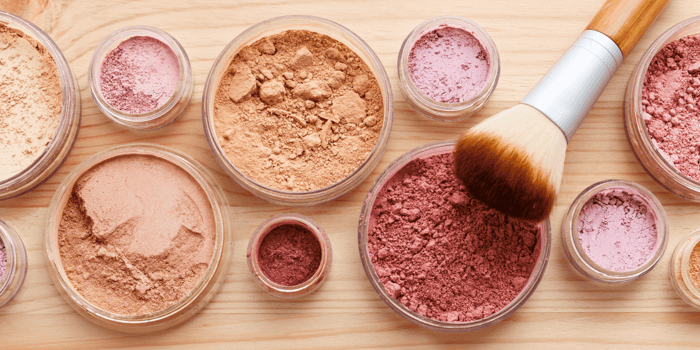
Iron oxides are naturally occurring mineral pigments that have been used safely for thousands of years in cosmetics, paints, and artistic materials. Depending on the specific mineral composition, iron oxides create shades of red, yellow, brown, and black.
Tin oxides are mineral-based pigments often used to add brightness, opacity, shimmer, or soft reflective effects to cosmetics. Like iron oxides, they are widely recognized as safe for cosmetic use and are commonly found in clean beauty products.
These mineral pigments allow brands to create colorful, high-performance products without depending on synthetic FD&C dyes commonly used in conventional cosmetics.
Why Non Toxic Kids Makeup Uses Oxides Instead of Synthetic Dyes
One of the biggest reasons clean beauty brands prefer iron and tin oxides is because they are stable, gentle, and safer alternatives to synthetic colorants.
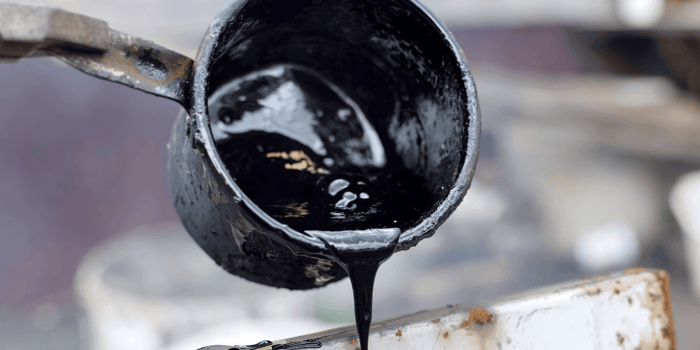
Many conventional cosmetics rely on petroleum-derived dyes and synthetic pigments that may contain harsh additives or contamination risks. In contrast, non toxic kids makeup often uses mineral pigments because they are:
- gentler on sensitive skin
- more stable over time
- less likely to trigger irritation
- rigorously purified for safety
- widely approved by global cosmetic regulators
This makes them especially important in products designed for children and tweens. Understanding how cosmetic pigments are sourced can help families make safer choices when shopping for children’s beauty products.
Why Lab-Made Mineral Pigments Are Actually Safer
Many people assume “natural” always means ingredients are taken directly from the earth. However, most cosmetic-grade iron and tin oxides used in modern clean beauty are actually lab-created under controlled conditions.
And that’s a good thing.
Lab-created mineral pigments provide the same benefits as naturally occurring minerals while significantly reducing the risk of contamination from heavy metals or environmental pollutants.
Benefits of Lab-Created Oxides in Non Toxic Kids Makeup
| Benefit | Why It Matters |
|---|---|
| Controlled Purity | Reduces contamination risks |
| Stable Color Performance | Consistent shades and quality |
| Hypoallergenic Properties | Gentler for sensitive skin |
| Regulatory Compliance | Meets strict global safety standards |
| Reduced Environmental Impact | Avoids destructive mining practices |
Using lab-created oxides helps ensure that non toxic kids makeup remains both safe and consistent for families seeking cleaner beauty products.
Are Iron Oxides and Tin Oxides Heavy Metals?
This is one of the most common misconceptions in clean beauty.
Iron oxides, tin oxides, and titanium dioxide are NOT classified as heavy metals. Instead, they are mineral pigments commonly used in cosmetics for safe coloration and opacity.
However, because raw minerals from the earth may naturally contain contaminants, cosmetic-grade pigments undergo extensive purification and testing processes to remove harmful substances like:
- lead
- mercury
- arsenic
- cadmium
Modern lab-created oxides take safety even further by being engineered specifically for cosmetic purity from the start.
This is one reason parents researching non toxic kids makeup often prioritize brands that openly discuss ingredient sourcing and purification standards.
Understanding Titanium Dioxide in Clean Beauty
Titanium dioxide is another commonly misunderstood cosmetic ingredient. It is widely used in cosmetics and mineral sunscreens as a whitening pigment and UV blocker.
The key distinction is between:
- non-nano titanium dioxide
- nano titanium dioxide
Non-Nano Titanium Dioxide
Non-nano titanium dioxide sits on the skin’s surface and is commonly used in clean beauty products because it does not easily penetrate the skin barrier.
Nano Titanium Dioxide
Nano particles are much smaller and have raised concerns primarily regarding inhalation in aerosol or spray products.
At Popsicle Beauty Club, our Brand Partners prioritize carefully sourced, non-nano titanium dioxide that meets strict clean beauty safety standards.
Why Lab-Created Oxides Became the Industry Standard
Today, most clean beauty brands use lab-created mineral pigments because they solve several major challenges associated with naturally mined ingredients.
1. Improved Purity and Safety
Naturally mined minerals can contain trace contaminants. Lab-created pigments are produced under tightly controlled conditions, significantly reducing contamination risks.
2. Better Regulatory Compliance
Global cosmetic regulators — including the FDA, European Union, and Health Canada — enforce strict standards for cosmetic pigments. Lab-created oxides allow brands to consistently meet these safety requirements.
3. More Consistent Color
Naturally sourced minerals can vary in shade depending on their origin. Lab-created pigments provide consistent color performance and predictable results in every batch.
4. Greater Sustainability
Mining minerals from the earth can contribute to habitat destruction, pollution, and labor concerns. Lab-created pigments reduce environmental impact while supporting cleaner manufacturing practices.
For brands focused on ethical and non toxic kids makeup, lab-created oxides offer a safer and more sustainable solution.
How Parents Can Identify Safer Kids Makeup
Choosing safer beauty products for children becomes easier when parents know what to look for.
Look for Mineral-Based Pigments
Ingredients like:
- iron oxides
- tin oxides
- non-nano titanium dioxide
are commonly used in cleaner cosmetic formulas.
Avoid Harsh Synthetic Dyes
Many parents choose to limit products containing:
- FD&C dyes
- petroleum-derived pigments
- synthetic fragrance
- heavy synthetic preservatives
Choose Transparent Brands
Clean beauty brands often explain:
- ingredient sourcing
- safety testing
- manufacturing standards
- certification practices
Transparency is usually a strong sign of safer product development.
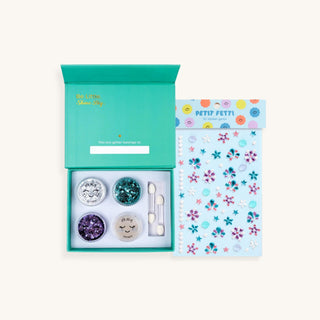
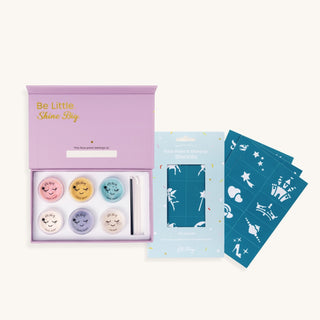
Parents looking for safer beauty products can explore non toxic kids makeup made with carefully purified mineral pigments that are gentle on sensitive young skin while still delivering vibrant, playful color. We highly recommend the pressed makeup powder eye shadow and blush by No Nasties.
These allergy-friendly pressed powders by No Nasties are nut-free, gluten-free, soy-free, and dairy-free. While they do contain coconut-based oil, they are completely free of almond oil and palm oil, and they never contain the harsh chemicals found in most play makeup, including parabens, phthalates, talc, synthetic dyes (FD&C colorants), or heavy metals like lead.
Eco Natural Kids Makeup Pressed Powder Eyeshadow & Blush
$39.99
$44.49
Give her the gift of safe, worry-free beauty play with Eco Natural Kids Makeup Pressed Powder Eyeshadow—crafted in Australia with her delicate skin in mind. These allergy-friendly pressed powders are nut-free, gluten-free, soy-free, and dairy-free. While they do contain coconut-based… read more

A Safer, Cleaner Way to Play
At Popsicle Beauty Club, we believe kids deserve beauty products that encourage creativity and self-expression without exposing them to unnecessary toxins or questionable ingredients.
That’s why our Brand Partners prioritize carefully purified mineral pigments and clean beauty standards when creating products for young, sensitive skin. By using ingredients like iron oxides and tin oxides, we can create vibrant, playful color while maintaining the safety, gentleness, and transparency families deserve.
Choosing non toxic kids makeup allows children to safely explore creativity while giving parents peace of mind about the products being used every day.
Want to see these pigments in action? Explore our playful palettes and discover how clean beauty can be colorful, fun, and safe for the next generation. Families wanting to learn more about ingredient transparency and safer beauty standards can also explore our guide to clean beauty science and ethics.
For a deeper dive into ingredient safety and ethical beauty practices, read The Science & Ethics Behind Non-Toxic Beauty to learn how clean beauty brands create safer products for children and families.
For a complete guide on non-toxic play makeup, check out our in-depth resource: The Ultimate Guide to Non-Toxic Play Makeup for Kids for expert tips, product recommendations, and everything you need to know about choosing safe beauty play products for your child.

About the Author: This article was written by the contributing writers at Popsicle Beauty Club—a team of moms, educators, and clean beauty advocates passionate about creating a safer, more imaginative world for kids. We believe in empowering parents with trusted information and offering fun, non-toxic beauty and personal care products that let children play, express, and explore—without compromising their health.
FAQs
What pigments are safest in kids makeup?
Iron oxides, tin oxides, and non-nano titanium dioxide are commonly considered safer pigment choices in clean beauty products for children.
Is non toxic kids makeup better for sensitive skin?
Many non toxic kids makeup products avoid harsh synthetic dyes and irritating additives, making them gentler for delicate young skin.
Are iron oxides natural?
Iron oxides are naturally occurring minerals, though many cosmetic-grade versions are safely lab-created for improved purity and consistency.
Why are lab-created pigments used in cosmetics?
Lab-created pigments help reduce contamination risks while ensuring safer, more stable, and more consistent cosmetic formulations.
What ingredients should parents avoid in kids makeup?
Many parents choose to avoid FD&C dyes, synthetic fragrance, petroleum-derived pigments, parabens, and heavy metal contamination risks.