

Table of Contents
- Introduction
- What Are FD&C Dyes and Lake Pigments?
- The Production Process: How Synthetic Cosmetic Dyes Are Made
- Heavy Metals in Lake Pigments
- Health Risks of FD&C Dyes and Lake Pigments
- Why Choosing Non-Toxic, Natural Alternatives Matters
- How Parents Can Shop Smarter for Kids Makeup
- A Safer, Cleaner Way To Play
- FAQs
Introduction
Bright colors, glittery packaging, and trendy makeup kits may make children’s cosmetics look harmless, but many parents are now discovering that some conventional products contain questionable ingredients hidden beneath the surface. As awareness around ingredient safety continues to grow, more families are searching for non toxic play makeup that avoids harsh synthetic dyes, heavy metals, and petroleum-derived pigments commonly used in mainstream cosmetics. Understanding what’s really inside children’s makeup products can help parents make safer choices for sensitive young skin.
What Are FD&C Dyes and Lake Pigments?
FD&C dyes (Food, Drug, and Cosmetic dyes) and Lake pigments are synthetic colorants commonly used in everything from food and medications to cosmetics. These vibrant dyes are designed to create eye-catching colors in products like lipsticks, eyeshadows, lotions, blushes, and children’s play makeup kits.
FD&C dyes are water-soluble, while Lake pigments are created by combining these dyes with metallic salts to make them water-insoluble, helping them stick better to products like pressed powders and lip balms.
While these colors may look fun and playful, their origins are far from natural. Many synthetic cosmetic dyes are derived from petroleum and processed using chemicals that may be concerning for children, especially since young skin absorbs ingredients more easily than adult skin.
The Production Process: How Synthetic Cosmetic Dyes Are Made
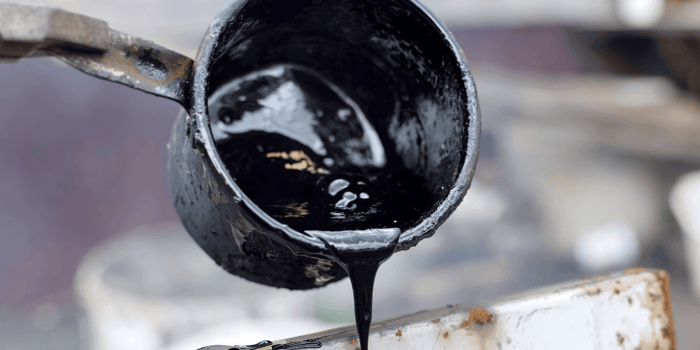
The process of creating synthetic dyes like FD&C dyes and Lake pigments starts with petroleum — the same material used to fuel cars and manufacture industrial products. Petroleum is processed and combined with chemicals such as coal tar derivatives and aluminum salts to produce the bright pigments commonly used in cosmetics.
To create Lake pigments, these synthetic dyes are mixed with heavy metals like aluminum, chromium, and sometimes trace amounts of lead. These ingredients help pigments bind to makeup products and improve color longevity.
Unfortunately, these additives may also contribute to potential health concerns, especially for children who use play cosmetics regularly. This is one reason many parents are transitioning toward non toxic play makeup made with naturally derived mineral pigments instead.
Heavy Metals in Lake Pigments
One of the biggest concerns surrounding synthetic makeup pigments is the possibility of heavy metal contamination. Even trace amounts of metals can accumulate in the body over time, especially with repeated exposure.
Children’s skin is thinner and more permeable than adult skin, meaning they may absorb ingredients more easily. Because of this, many families are becoming increasingly cautious about the makeup products their children use during pretend play, dress-up activities, or social events.
Common Concerns Linked to Heavy Metals in Cosmetics
| Heavy Metal | Why It’s Used | Potential Concerns |
|---|---|---|
| Lead | Pigment stabilization | Neurological concerns |
| Chromium | Color enhancement | Skin irritation and sensitivities |
| Aluminum | Adhesion in pigments | Long-term accumulation concerns |
| Coal Tar Derivatives | Bright synthetic coloring | Potential carcinogenic concerns |
This growing awareness has helped fuel demand for cleaner beauty alternatives and safer non toxic play makeup options designed specifically for children.
Health Risks of FD&C Dyes and Lake Pigments
The bright colors in conventional cosmetics may seem harmless, but some synthetic dyes have been associated with several health concerns — particularly for children with sensitive skin.
1. Skin Irritation and Allergic Reactions
Children’s skin is delicate, making them more prone to reactions from harsh cosmetic ingredients. Dyes such as Red 40 and Yellow 5 have been associated with skin irritation, rashes, itching, and allergic responses in some individuals.
2. Hormone Disruption Concerns
Some synthetic cosmetic ingredients have raised concerns regarding endocrine disruption. While research is ongoing, certain chemicals used in cosmetics may interfere with hormone activity, which is especially concerning during childhood development.
3. Potential Long-Term Health Risks
Certain synthetic dyes, such as Red 3, have shown concerning results in some animal studies related to carcinogenic effects. Although research in humans continues, many parents prefer to limit unnecessary exposure whenever possible.
4. Cumulative Exposure Over Time
One product alone may not seem alarming, but repeated daily exposure through cosmetics, skincare, food dyes, and personal care products can add up over time. This cumulative exposure is why many families now prioritize non toxic play makeup and cleaner ingredient choices for children.
Learning how to identify questionable cosmetic ingredients can help families make safer beauty choices for children and tweens.
Why Choosing Non-Toxic, Natural Alternatives Matters
Fortunately, safer alternatives do exist. Many clean beauty brands now formulate products using naturally derived mineral pigments instead of synthetic FD&C dyes.
Ingredients like iron oxides and tin oxides are commonly used in safer cosmetic formulations because they provide vibrant colors without relying on harsh petroleum-derived chemicals or heavy metal-based pigments.
Safer Cosmetic Ingredient Alternatives
| Conventional Ingredient | Safer Alternative |
|---|---|
| FD&C Dyes | Iron Oxides |
| Lake Pigments | Tin Oxides |
| Synthetic Fragrance | Fragrance-Free Formulas |
| Petroleum-Based Ingredients | Plant-Based Oils & Waxes |
| Talc | Arrowroot Powder or Kaolin Clay |
These cleaner alternatives are often:
- gentler on sensitive skin
- hypoallergenic
- more environmentally conscious
- safer for long-term use
- aligned with clean beauty standards
Parents searching for non toxic play makeup often look for products made with these naturally derived ingredients to reduce unnecessary exposure to harsh additives.
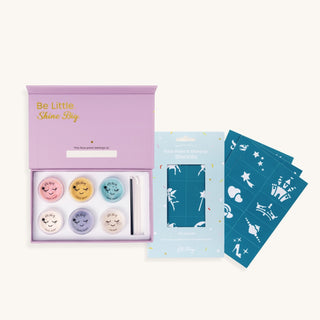
We highly recommend this makeup pressed powder eyeshadow & blush by No Nasties. These allergy-friendly pressed powders are nut-free, gluten-free, soy-free, and dairy-free.
While they do contain coconut-based oil, they are completely free of almond oil and palm oil, and they never contain the harsh chemicals found in most play makeup, including parabens, phthalates, talc, synthetic dyes (FD&C colorants), or heavy metals like lead.
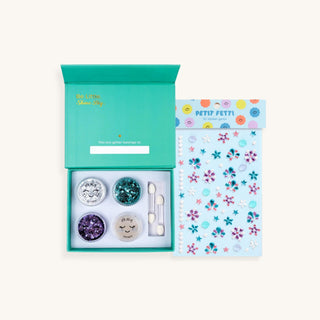
Eco Natural Kids Makeup Pressed Powder Eyeshadow & Blush
$39.99
$44.49
Give her the gift of safe, worry-free beauty play with Eco Natural Kids Makeup Pressed Powder Eyeshadow—crafted in Australia with her delicate skin in mind. These allergy-friendly pressed powders are nut-free, gluten-free, soy-free, and dairy-free. While they do contain coconut-based… read more

How Parents Can Shop Smarter for Kids Makeup
Navigating the beauty aisle can feel overwhelming, especially when packaging is designed to look playful and appealing to children. Here are a few ways parents can make more informed decisions:
Read Ingredient Labels Carefully
Avoid products containing:
- FD&C dyes
- synthetic fragrance
- parabens
- phthalates
- talc
- petroleum-derived ingredients
Look for Clean Beauty Certifications
Helpful labels may include:
- cruelty-free
- vegan
- non-toxic
- hypoallergenic
- dermatologist tested
Choose Brands That Prioritize Transparency
Brands committed to ingredient safety are often transparent about sourcing, manufacturing, and testing practices.
Prioritize Simplicity
Children do not need highly pigmented or heavily fragranced products. Simple formulas with minimal ingredients are often safer for sensitive skin.
A Safer, Cleaner Way To Play
FD&C dyes and Lake pigments may create bright, vibrant colors, but the ingredients behind them are often far less beautiful than the packaging suggests. From petroleum-derived chemicals to potential heavy metal contamination, many conventional cosmetics contain ingredients that parents may prefer to avoid for their children.
Thankfully, safer alternatives now make it possible for children to enjoy creativity, self-expression, and imaginative play without unnecessary exposure to harsh additives. Choosing non toxic play makeup made with naturally derived pigments and gentler ingredients can help protect sensitive skin while supporting healthier beauty habits from an early age.
Want to explore safer options? Popsicle Beauty Club offers carefully selected clean beauty products designed specifically for kids, tweens, and sensitive young skin. Families searching for safer cosmetics can also explore beginner-friendly clean beauty products specifically designed for sensitive young skin.
For a complete guide on safer cosmetics for children, read The Ultimate Guide to Non-Toxic Play Makeup for Kids for expert tips, ingredient education, and product recommendations that make clean beauty fun and safe for the whole family.

About the Author: This article was written by the contributing writers at Popsicle Beauty Club—a team of moms, educators, and clean beauty advocates passionate about creating a safer, more imaginative world for kids. We believe in empowering parents with trusted information and offering fun, non-toxic beauty and personal care products that let children play, express, and explore—without compromising their health.
Want to understand the science and ethics behind clean beauty? Read The Science & Ethics Behind Non-Toxic Beauty to explore what makes a product truly non-toxic and how to navigate misleading labels.
FAQs
What is non toxic play makeup?
Non toxic play makeup refers to children’s cosmetics formulated without harsh synthetic dyes, heavy metals, parabens, phthalates, or other questionable ingredients.
Why are FD&C dyes controversial?
Some FD&C dyes have been associated with skin irritation, allergic reactions, and potential long-term health concerns in ongoing studies.
Are synthetic dyes harmful to children?
Children may absorb cosmetic ingredients more easily through sensitive skin, which is why many parents choose safer mineral-based alternatives.
What are safer pigments for kids makeup?
Iron oxides and tin oxides are commonly used mineral-based pigments considered safer alternatives in clean beauty products.
Why should parents avoid heavy metals in cosmetics?
Heavy metals may accumulate in the body over time and have been linked to neurological and developmental concerns.