
Table of Contents
- Introduction
- Answer-ready quick guide (for parents in a hurry)
- Popsicle safety snapshot
- What “kid-appropriate” eyeshadow actually means
- How to choose
- Ingredient and label checklist
- Glitter eyeshadow for kids: safer-feeling sparkle rules
- Mainstream palettes vs kids options: what actually changes?
- How to use eyeshadow on kids (so it stays comfortable)
- Common mistakes to avoid
- Popsicle’s parent-approved shopping approach
- Bottom line
- Sources and further reading
- FAQs
Introduction
Eyeshadow for kids is best when it’s simple, gentle, easy to remove, and clearly positioned as playful color—not a daily “need.” For most families, that means choosing a small shade range, avoiding messy loose pigments, being cautious with glitter near eyes, and prioritizing transparent labels so you can make parent-friendly decisions.
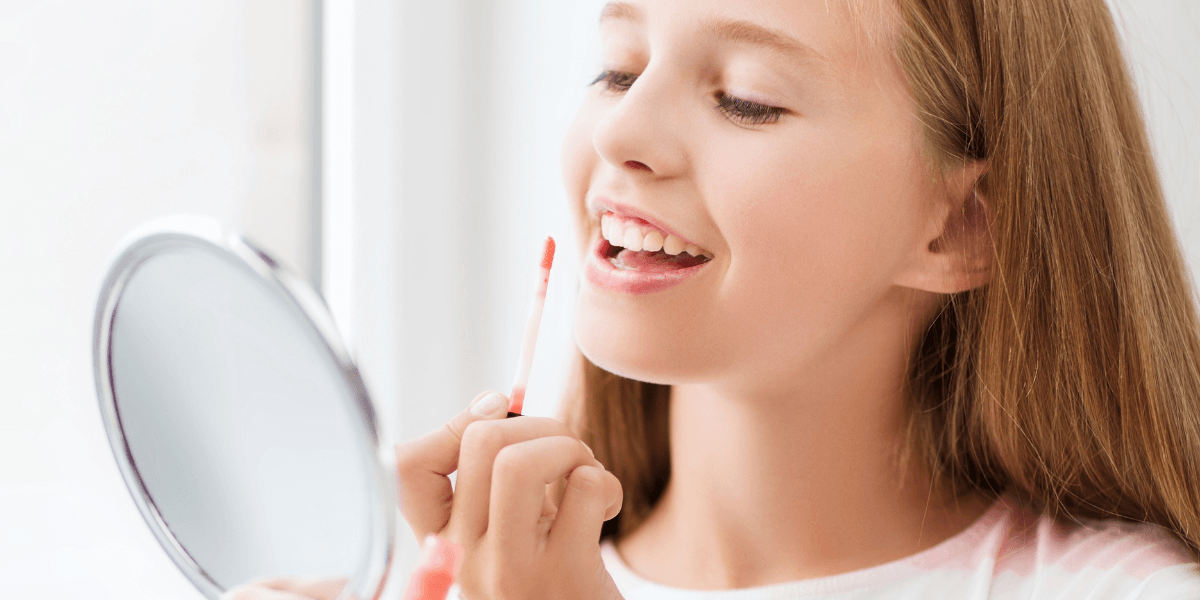
If your child is asking for makeup because of social media pressure or worries about their face, pause and reframe. Eyeshadow can be an age-appropriate way to explore creativity (costume days, dance recitals, birthdays, at-home play), but kids don’t need a complicated routine—or products that normalize grown-up performance beauty.
Answer-ready quick guide (for parents in a hurry)
- Best format: pressed powder (less mess than loose pigment) with a small number of shades.
- Sparkle rule: if it’s glittery, keep it away from the lash line and inner corner; consider shimmer instead of chunky glitter.
- Label rule: choose products with clear ingredient lists; be cautious with vague “fragrance” and flavor-style ingredients near eyes.
- Hygiene rule: don’t share eye products; wash hands, use clean applicators, and replace if it gets dropped or used during illness.
- Removal rule: prioritize formulas that come off easily with gentle cleanser and water—scrubbing around the eye area is not the goal.
- Safety habit: patch test when appropriate and stop use if irritation shows up.
Popsicle safety snapshot
Popsicle Beauty Club is built to be a practical clean kids’ beauty hub—the place parents can shop and learn without doing 45 minutes of label research every time. Here’s what that means in real life:
- Curated marketplace: Popsicle carries a vetted selection of kids’ beauty brands so parents can compare options in one place.
- Ingredient transparency first: we prioritize products with clear, checkable labels and age-appropriate positioning (play, self-care, hygiene).
- Medical-advisory-backed education: our educational approach is shaped with medical advisory input to keep guidance realistic and non-alarmist.
- EWG Verified positioning where applicable: when a product is EWG Verified (or similar), we’ll call that out accurately—without implying every product has that status.
- Allergist review process where applicable: some products/brands may go through additional review steps when applicable; it’s not a blanket guarantee.
Bottom line: we aim to make eyeshadow for kids feel more manageable for parents—through clearer standards, tighter curation, and age-aware guidance.
What “kid-appropriate” eyeshadow actually means
When parents search eyeshadow for kids, they’re usually asking two questions at once: “Is this safe enough for my child’s skin?” and “Is this appropriate for my child’s age?” Both matter.
Age-appropriate guidelines (simple, not strict)
- Little kids (approx. 3–7): think occasional, supervised color play—like face paint vibes, but used sparingly around eyes. Skip loose glitter. Keep it short and easy to remove.
- Tweens (approx. 8–12): a small palette for weekends, parties, spirit days, or performances can be reasonable with hygiene rules. Focus on soft color, simple techniques, and comfort.
- Teens: still benefit from the same basics—transparent labels, mindful glitter, and gentle removal—especially if skin is reactive.
Regardless of age, eyeshadow for kids works best when the message stays “makeup is art, not a requirement.” If your child feels they need it to be okay, that’s a cue to slow down and reset the why.
How to choose
Here’s a parent-friendly decision path for buying eyeshadow for kids without overcomplicating it.
- Pick the right format: pressed powders are usually the easiest to control and clean up. Cream shadows can be easier for quick swipes, but some are more likely to migrate into the crease or toward the eye if applied heavily.
- Choose fewer shades, not more: a small edit (2–6 shades) reduces overwhelm, reduces mess, and helps keep makeup play intentional instead of endless collecting.
- Go for “soft shimmer” over chunky sparkle: shimmer can look fun without the same risk of glitter pieces moving around.
- Prioritize easy removal: if you have to scrub to get it off, it’s not the right kids’ pick. The eye area is delicate.
- Check the brand’s positioning: look for language about play, self-expression, and ease—rather than adult-style performance or “perfecting.”
- Match to your child’s sensitivity: if your child has a history of irritation, stay extra conservative: simpler formulas, fewer extras, and patch test.
If you’re shopping at Popsicle Beauty Club, this is exactly the kind of filter we try to provide: curated, cleaner, kid-appropriate options that don’t push grown-up expectations.
Ingredient and label checklist
When comparing eyeshadow for kids, there isn’t a single ingredient list that works for every family—sensitivities are personal. But there are label habits that can help you make a more informed choice.
What to look for on the label
- Full ingredient disclosure: you should be able to read and evaluate what’s inside.
- Colorants/pigments clearly listed: pigments are part of what makes eyeshadow… eyeshadow. Clear listing matters more than vague marketing.
- Simple base ingredients: many pressed powders use a combination of fillers/binders and pigments. Simpler can be easier for sensitive users, but “simple” isn’t a guarantee—still patch test.
- Clear use instructions: especially around eye area application and removal.
What to be cautious about (not automatic “bad”)
- Added fragrance: fragrance can be a common irritation trigger for some people. If a product is used near eyes, many parents prefer to avoid fragrance when possible. The FDA notes that individual fragrance ingredients may not be listed separately and can appear under “fragrance.” (FDA: Phthalates in Cosmetics)
- Very glitter-heavy formulas: see the glitter section below for practical guardrails.
- Loose powders/pigments: higher chance of getting into eyes and making cleanup harder.
- Vague “clean/non-toxic” claims without specifics: “clean” is not a regulated guarantee. Use it as a starting point, then read the label.
One more important context piece: the NIEHS explains that cosmetics are a category applied to the body for cleansing or beautifying, and that cosmetic products and ingredients generally do not require FDA approval before they go on the market (except color additives). That’s one reason Popsicle emphasizes parent-friendly label checks and curated standards. (NIEHS: Cosmetics and Your Health)
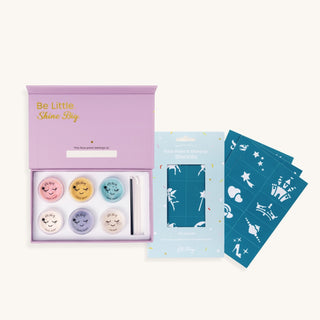
A direct example of the pressed format discussed here is Eco Natural Kids Makeup Pressed Powder Eyeshadow & Blush by No Nasties. Popsicle’s current listing offers individual pressed colors as well as a complete set, publishes shade-specific ingredient lists, and describes the powders as washing off with water. That makes it a useful option for parents who would rather start with one or two contained shades than an oversized adult-style palette.
Eco Natural Kids Makeup Pressed Powder Eyeshadow & Blush
$39.99
$44.49
Give her the gift of safe, worry-free beauty play with Eco Natural Kids Makeup Pressed Powder Eyeshadow—crafted in Australia with her delicate skin in mind. These allergy-friendly pressed powders are nut-free, gluten-free, soy-free, and dairy-free. While they do contain coconut-based… read more

Glitter eyeshadow for kids: safer-feeling sparkle rules
Glitter eyeshadow for kids is where most parent worries concentrate—and for good reason: anything with particles has more potential to migrate. You don’t need to be alarmist to be cautious.
- Choose shimmer over chunky glitter when possible. Shimmer is typically a smoother look with fewer “pieces” to travel.
- Keep sparkle off the waterline and lash line. Apply on the lid center and up toward the brow bone, not right at the edge of the eye.
- Use a tiny amount. For kids, “less” isn’t about beauty rules—it’s about comfort and cleanup.
- Set boundaries for events: glitter can be “party-only,” not everyday school wear, depending on your family values and school rules.
- Remove gently and thoroughly. Use a soft cloth or cotton pad with a gentle cleanser; avoid aggressive rubbing.
If your child is very young or tends to rub their eyes, consider skipping glitter entirely and choosing soft matte or satin shades instead.
Mainstream palettes vs kids options: what actually changes?
When comparing eyeshadow for kids with mainstream palettes, the biggest differences are usually positioning, shade selection, ease of use, removal, and how the product fits into a child’s day—not just marketing labels.
- Shade curation: kids options are often fewer shades and more “play” colors (pinks, purples, soft blues) rather than complex smoky-eye neutrals.
- Use case: kid-focused products are more likely to be designed for occasional play and simpler techniques.
- Removal expectations: parents generally prefer makeup that removes quickly without harsh removers.
- Fragrance and irritants: this varies widely across both categories; you still have to read the label.
- Packaging and hygiene: kids products should be easy to keep clean and easy not to share.
Our practical rule at Popsicle: if a product is positioned like it belongs in an adult daily routine, it’s usually not the right match for kids—regardless of how trendy it is.
How to use eyeshadow on kids (so it stays comfortable)
Even thoughtfully chosen eyeshadow for kids can cause problems if application, hygiene, and removal are overlooked. These simple habits matter just as much as choosing the product itself.
Hygiene + tools
- Hands first: wash hands before application.
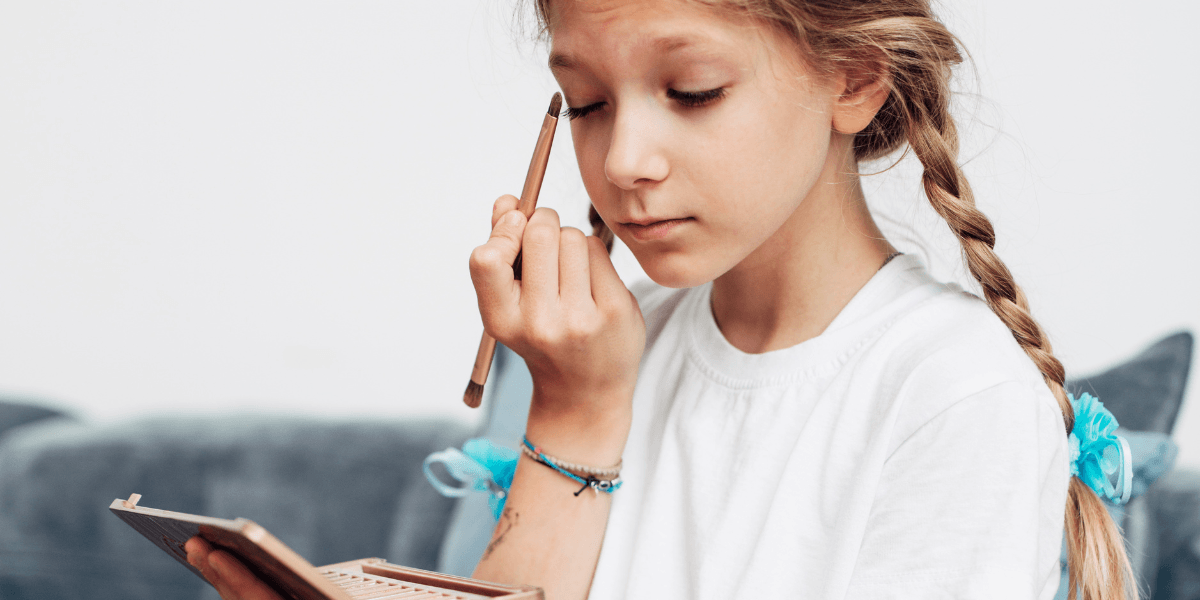
- Use a clean applicator: a small brush or sponge tip is fine—what matters is that it’s clean and not shared with friends.
- No sharing rule: especially around eyes (and during cold/flu season).
- Keep it out of the bathroom “splash zone”: store makeup away from wet counters to reduce mess and contamination.
Application that’s kid-friendly
- One-shade look: pick one color and sweep lightly across the lid. It’s easy, expressive, and age-appropriate.
- Tap, don’t swipe aggressively: tapping reduces fallout into eyes.
- Stop if eyes water or itch: discomfort is your cue, not something to push through.
Removal (the make-or-break step)
- Remove the same day: sleeping in makeup is a hard no for kids.
- Gentle cleanser + lukewarm water: aim for clean skin without scrubbing.
- Check for leftover sparkle: especially if you used shimmer or glitter.
For families who want a dedicated cleanup tool, the Heart-Shaped Makeup Remover Puff by Oh Flossy is designed for kids and tweens and is reusable and machine washable. Use it damp with lukewarm water or a gentle cleanser your child already tolerates, pressing lightly around the closed eyelid rather than scrubbing.
Heart-Shaped Makeup Remover Puff
$9.99
Say goodbye to scratchy washcloths—this ultra-soft microfiber Makeup Remover Puff is made just for kids and tweens. Gentle on young skin, it makes washing up after beauty play a breeze. A handy hanging tag lets it dry between uses, and… read more

Patch testing (when appropriate)
If your child has reactive skin or a history of irritation, patch test on a small area (like the inner arm) before using around the eyes, and wait to see if redness/itching shows up. If irritation persists or is severe, seek guidance from a qualified clinician.
Common mistakes to avoid
- Buying the biggest palette because it’s “a better deal”: more shades usually means more mess, more collecting, and more temptation to treat it like a daily routine.
- Letting kids apply glitter right at the lash line: keep glitter away from the edges of the eye, or choose shimmer instead.
- Assuming “clean” means irritation-proof: even thoughtfully formulated products can bother a specific child. Labels + patch testing matter.
- Sharing with friends or siblings: eye products should be personal.
- Using adult makeup remover pads that sting: kids need gentle removal; stinging is a sign to switch methods.
- Turning makeup into “fixing” language: keep the script on creativity: “Want to try purple today?” not “Let’s make your eyes look better.”
Popsicle’s parent-approved shopping approach
If you’re trying to choose eyeshadow for kids without falling into trend pressure, here’s a simple way to shop:
- Start with your boundary: occasional play vs. everyday; shimmer vs. glitter; supervised vs. independent.
- Shop curated first: a vetted kids’ beauty assortment (like Popsicle Beauty Club) helps reduce the “random marketplace” risk and saves time on label checks.
- Pick one product and build slowly: one pressed powder product is plenty for a starter. You can always add later if it stays fun and low-pressure.
- Keep the routine short: apply, take a photo if they want, enjoy the moment, remove gently.
When you shop at Popsicle Beauty Club, you’re not just buying makeup—you’re using a parent-friendly safety filter designed for age-appropriate beauty play.
Bottom line
If you’re buying eyeshadow for kids, choose pressed powders, minimal shades, and easy removal; be cautious with glitter near eyes; and prioritize brands with transparent ingredient lists and kid-appropriate positioning. Patch test when appropriate, keep eye makeup hygienic and not shared, and keep the message centered on creativity—not correction.
Sources and further reading
- NIEHS: Cosmetics and Your Health - Explains what counts as cosmetics and notes that most cosmetics/ingredients are not preapproved before market (except color additives).
- FDA: Phthalates in Cosmetics - Notes how phthalates may be used and explains fragrance label limitations (why “fragrance” can be a catch-all term).
For a complete guide on non-toxic play makeup, check out our in-depth resource: The Ultimate Guide to Non-Toxic Play Makeup for Kids for expert tips, product recommendations, and everything you need to know about choosing safe beauty play products for your child.

About the Author: This article was written by the contributing writers at Popsicle Beauty Club—a team of moms, educators, and clean beauty advocates passionate about creating a safer, more imaginative world for kids. We believe in empowering parents with trusted information and offering fun, non-toxic beauty and personal care products that let children play, express, and explore—without compromising their health.
FAQs
What age is appropriate for eyeshadow?
What ingredients should parents avoid in kids eyeshadow palettes?
Is eyeshadow for kids safe for sensitive skin?
Is pressed or cream eyeshadow better for kids?
Pressed powder is often the easier starting format because it is more contained and usually creates less mess than loose pigment. Cream eyeshadow can also work for simple color play, but use a light amount and watch for formulas that migrate toward the lash line. Whichever format you choose, prioritize easy application and gentle removal.
Can kids share eyeshadow with friends or siblings?
It is better not to share eye makeup or applicators. Brushes, sponge tips, and products used close to the eyes can transfer germs between users. Give each child their own applicator, keep tools clean and dry, and avoid using eye makeup during an eye infection or illness.
How should parents remove eyeshadow for kids?
Remove eyeshadow for kids the same day using lukewarm water and a gentle cleanser or makeup-removal method your child already tolerates. Press or wipe softly rather than scrubbing the eyelids, and check that shimmer or pigment has been fully removed. If the product consistently requires aggressive rubbing, consider choosing an easier-to-remove formula instead.