
Table of Contents
- Introduction
- Quick answer: what to look for first
- Popsicle Beauty Club’s beginner-skincare lens
- When does a child actually need a face wash?
- How to compare kids skincare brands for beginners
- Choosing the first cleanser
- Does a beginner need moisturizer too?
- A simple starter routine by situation
- How to teach face washing without over-cleansing
- What to pause on in a beginner product
- Brand trust is built product by product
- Common mistakes to avoid
- Where Popsicle Beauty Club fits
- Bottom line
- FAQs
Introduction
Choosing kids skincare brands for beginners should make a new face-washing habit feel simpler, not more complicated. The best starting point is usually a brand that offers a gentle cleanser, clear ingredient information, straightforward directions, and optional moisturizer support without turning a child’s routine into a miniature adult regimen.
That keeps the original article’s central message intact: parents do not need a mythical universally “safe” brand or a large starter collection. They need a practical way to compare products, introduce one useful step at a time, and keep skincare focused on hygiene and comfort rather than perfection.
Quick answer: what to look for first
When comparing kids skincare brands for beginners, start with the product your child actually needs rather than the brand with the cutest packaging or biggest social-media presence.
A strong beginner option usually gives you:
- A gentle face cleanser with a complete ingredient list.
- Clear fragrance information.
- Simple directions for how much to use and how often.
- A moisturizer option for dryness rather than an automatic multi-step routine.
- Age-appropriate positioning built around cleansing and comfort.
- No pressure to add exfoliating acids, anti-aging products, peels, masks, or correction-focused products just because a child has started washing their face.
For many children, a successful first routine may be only one product at night: a cleanser used after sunscreen, sports, sweat, or visible dirt. Moisturizer can be added when skin actually feels dry or tight.
Popsicle Beauty Club’s beginner-skincare lens
Popsicle Beauty Club approaches kids skincare brands for beginners with a parent-first filter. The question is not simply whether a brand calls itself “clean,” “natural,” or “gentle.” Parents should be able to understand what the product does, see the full formula, and tell whether the routine being promoted makes sense for a child’s age.
Popsicle’s Foundationless philosophy matters here too. Basic skincare is care: washing away sweat, removing sunscreen, moisturizing dry skin, and protecting exposed skin are healthy habits. Foundation, concealer, contour, and other correction-focused complexion products are a different developmental category and do not belong in a child’s starter skincare routine.
That distinction helps keep the first face-washing habit from quietly becoming a project about fixing normal skin.
When does a child actually need a face wash?
A dedicated cleanser becomes useful when water alone is no longer doing the job comfortably. The trigger is usually real life, not a birthday.
Common reasons include:
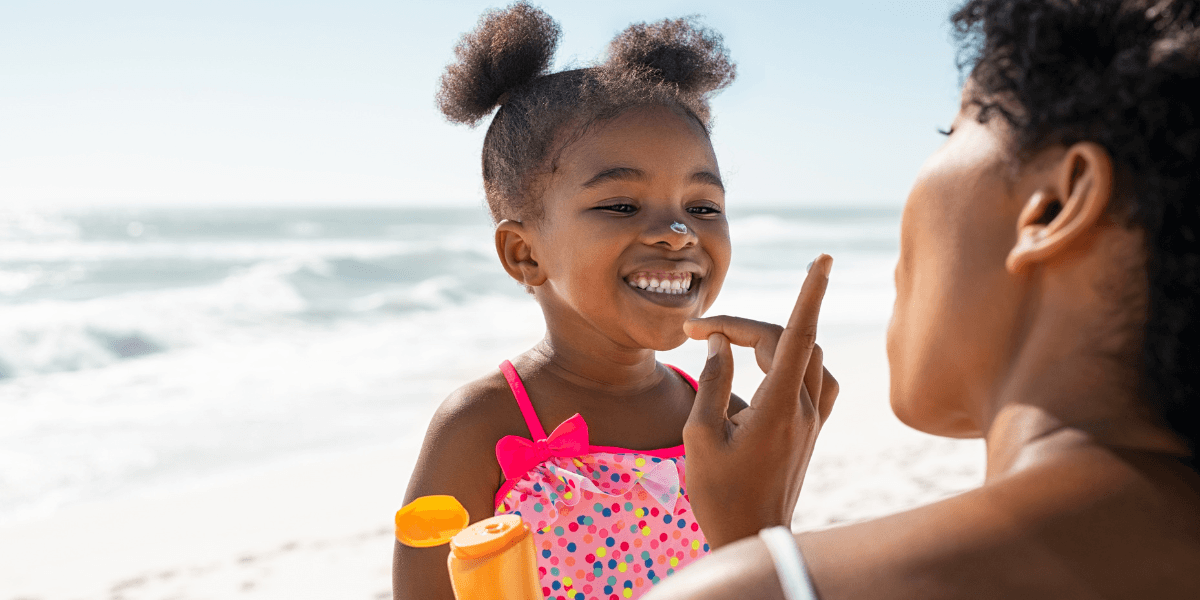
- Regular sunscreen use.
- Sports, dance, helmets, or sweaty outdoor play.
- Dirt or grime that does not rinse away easily.
- Early puberty changes such as increasing oiliness.
- Occasional face paint or washable makeup that needs gentle removal.
A younger child who has calm skin and minimal product exposure may still do well with water and clean hands much of the time. A tween who wears sunscreen every day and plays sports may benefit from a consistent evening cleanse.
For a detailed product-by-product explanation of what belongs in an age-appropriate routine, our kids skincare routine products guide walks through cleanser, moisturizer, lip care, and other basics without turning every step into a requirement. The current Popsicle guide specifically emphasizes small, age-appropriate routines and clear product purposes.
How to compare kids skincare brands for beginners
The easiest way to compare brands is to judge them on the same small set of questions every time.
1. Does the brand explain the product’s purpose clearly?
A beginner cleanser should be easy to understand. Its job is to remove sweat, sunscreen, everyday dirt, and excess oil without encouraging a child to inspect their face for flaws.
Look for straightforward language such as:
- Gentle daily cleanser
- Sensitive skin
- Wash away dirt and oil
- Rinse thoroughly
- Use once daily or as needed
Pause when the product is built around “poreless,” “perfecting,” “resurfacing,” “brightening,” or anti-aging language for children.
2. Can you find the complete ingredient list?
Kids skincare brands for beginners should make product-level ingredient information easy to locate. A front label that says “clean” or “natural” does not tell you enough by itself.
Review the exact product rather than assuming every item from one company is formulated the same way. This is especially useful when a brand sells several cleansers, moisturizers, scents, or age ranges.
3. Is fragrance explained clearly?
Fragrance is not automatically a problem, but it is an important comparison point for children who already have sensitive or reactive skin.
Some families may prefer:
- Fragrance-free face products.
- No added fragrance.
- Clearly disclosed scent ingredients.
- Scented rinse-off products rather than fragranced leave-on products.
The important thing is that the brand gives enough information for the parent to make that choice.
4. Does the routine stay small?
A brand may sell ten products without telling your child they need all ten.
That is a meaningful sign.
For a beginner, the most useful order is usually:
- Cleanser when needed.
- Moisturizer when skin feels dry or tight.
- Sunscreen for daytime exposure.
- Targeted help later only when there is a clear need.
If you are considering a bundled set, our skincare kits for kids guide explains how to compare kit size, fragrance, age fit, actives, and whether the bundle is genuinely a starter routine. The live guide similarly recommends keeping first kits small rather than treating a full adult-style regimen as the goal.
Choosing the first cleanser
Among kids skincare brands for beginners, the cleanser is usually the most important product to evaluate because it is the step the child will repeat most often.
A practical first cleanser should:
- Rinse away easily.
- Leave skin feeling comfortable rather than tight or “squeaky.”
- Have directions a child can follow.
- Use packaging that makes portion control easy.
- Avoid making intense treatment claims unless the child actually needs treatment.
Texture matters too.
Cream or milky cleanser
This can be comfortable for children who dislike foam or tend to feel dry after washing.
Gentle gel cleanser
A gel can work well for children who prefer a lighter texture or are starting to experience more oil.
Foaming cleanser
Foam can make the habit easier and more enjoyable for some kids. The important test is how the skin feels afterward, not whether the product produces a dramatic amount of lather.
A current Popsicle example is the Teen Skin Ultra Gentle Foaming Face Wash for Kids by Natural Outcome. The product is intended for teens and pre-teens, and Popsicle’s current listing identifies it as fragrance-free and oil-free, with pomegranate, aloe, and green tea among the highlighted ingredients. It fits here as an example of a dedicated cleanser for a child who has reached the stage where regular face washing is genuinely useful.
Teen Skin Ultra Gentle Foaming Face Wash for Kids
$16.99
The Teen Skin Ultra Gentle Foaming Face Wash is designed specifically for teens and pre-teens, making skincare simple and safe from the start. This fragrance-free, oil-free formula creates a rich, airy foam that lifts away dirt, excess oil, and environmental pollutants… read more

Does a beginner need moisturizer too?
Not automatically.
Kids skincare brands for beginners should make it easy to separate cleansing from moisturizing rather than treating both as compulsory steps for every child.
Moisturizer becomes useful when the child experiences:
- Dry or flaky areas.
- Tightness after cleansing.
- Weather-related dryness.
- General discomfort that improves with simple hydration.
If the skin feels comfortable after washing, there may be no reason to add a leave-on product simply to make the routine feel more complete.
For older kids or teens who do need hydration, Natural Moisturizer for Kids by Nuria is a Popsicle example of a separate leave-on step. The current product page describes it as fragrance-free and designed for sensitive young skin, with cottongrass and sunflower extract among the highlighted ingredients. Keeping moisturizer separate from cleanser also lets parents introduce one product at a time.
Natural Moisturizer for Kids
$19.99
Help your teen build a healthy skincare routine with Calm Daily Moisturizer—a gentle, fragrance-free formula designed for sensitive skin. This natural face moisturizer for kids is lightweight yet deeply hydrating, replenishing moisture with soothing Cottongrass and nourishing Sunflower Extract for all-day… read more

A simple starter routine by situation
A useful routine is one the child can repeat without turning the bathroom counter into a beauty collection.
| Situation | Beginner routine | What to avoid |
|---|---|---|
| Younger child with little product exposure | Water most days; gentle cleanser when needed | Cleansing just to create a routine |
| Daily sunscreen | Gentle evening cleanse | Scrubbing sunscreen off |
| Sports or sweaty activities | Cleanse after activity or at night | Repeated harsh washing |
| Early oiliness | Consistent gentle cleansing | Jumping immediately to strong acne products |
| Dry or tight skin | Cleanser + moisturizer when needed | Adding several leave-on products at once |
| Sensitive skin | One fragrance-conscious product at a time | Introducing a full set simultaneously |
This is why kids skincare brands for beginners should support flexibility. Two children of the same age may need different routines because their activity, skin comfort, climate, and product exposure are different.
How to teach face washing without over-cleansing
The formula matters, but technique can make even a gentle cleanser feel harsh if a child uses too much or scrubs aggressively.
A beginner-friendly method is:
- Wash hands first.
- Wet the face with lukewarm water.
- Use a small amount of cleanser.
- Massage gently with fingertips for about 20 seconds.
- Rinse carefully around the hairline and sides of the nose.
- Pat dry instead of rubbing.
- Add moisturizer only when needed.
For many kids, one evening cleanse is enough. A morning rinse with water may be all they need unless they wake up oily, have an early sports practice, or have another practical reason to cleanse.
Kids skincare brands for beginners should help families learn this kind of restraint instead of presenting more frequent washing as automatically better.
What to pause on in a beginner product
The first routine is not the place to solve every possible future skin concern.
Harsh physical exfoliation
Scrubs, rough brushes, and abrasive cloths can add unnecessary friction.
Strong active stacks
A child who has just started washing their face generally does not need several exfoliating or treatment products layered together.
Heavy fragrance when sensitivity is already a concern
If a child has reacted to fragranced skincare before, choose a formula that makes the fragrance decision easier rather than harder.
“Tingle means it works” messaging
Burning, stinging, or persistent tightness should not be treated as proof that cleansing is effective.
Adult skincare pressure
A child can learn to wash their face without learning to monitor pores, texture, brightness, or other normal features as problems.
Brand trust is built product by product
One of the most useful lessons when evaluating kids skincare brands for beginners is that you do not have to trust an entire company all at once.
A brand may have:
- One fragrance-free cleanser that fits your child well.
- A scented product you decide to skip.
- A moisturizer that works better for an older tween.
- A treatment product that is unnecessary for your child right now.
That is normal.
Read the exact formula, check the intended age and use, introduce one product at a time, and judge the result by comfort and usefulness rather than brand loyalty.
This also reduces the pressure to find a single “perfect” brand.
Common mistakes to avoid
Parents usually run into trouble when the first routine becomes bigger than the original need.
Buying the whole collection immediately
Start with the cleanser. Give the child time to learn how to use it before deciding whether anything else belongs in the routine.
Washing too often
More cleansing is not automatically better. If skin becomes tight, flaky, or uncomfortable, review the product, amount, water temperature, and frequency.
Treating normal puberty changes as failure
Some oiliness and skin changes can happen as children grow. A simple routine should support hygiene without making every change feel like something to correct.
Copying an adult or influencer routine
A ten-step shelf may look exciting, but it is not a useful benchmark for beginner skincare.
Introducing several new formulas together
One-at-a-time introduction makes it easier to understand what the child tolerates.
Forgetting that skincare is care
The healthiest question is often, “Does your skin feel comfortable?” rather than, “Does your skin look better?”
Where Popsicle Beauty Club fits
Popsicle Beauty Club helps parents compare kids skincare brands for beginners without starting in an adult beauty aisle.
The marketplace can narrow the decision around:
- Age-appropriate products.
- Clear product purposes.
- Ingredient-forward listings.
- Fragrance-aware choices.
- Simple cleansing and moisturizing.
- Products that support hygiene rather than complexion correction.
That does not remove the need to read the exact product page or consider your child’s known sensitivities. It simply gives parents a more relevant place to start.
The goal is not to build the most impressive routine. It is to help a child learn a small, repeatable habit that keeps skin clean and comfortable.
Bottom line
The best kids skincare brands for beginners are the ones that make the first routine easier to understand and harder to overdo. Look for a gentle cleanser, transparent product information, clear fragrance choices, simple directions, and moisturizer only when it serves a real comfort need.
Start with one product. Teach gentle technique. Add another step only when there is a reason. If acne, rashes, burning, swelling, or ongoing irritation becomes persistent or distressing, get appropriate professional guidance rather than building a stronger routine through trial and error.
Skincare should teach a child how to care for their skin—not how to find problems with it.
For a deeper dive into safe skincare for kids, visit Safe & Non-Toxic Skincare for Kids to discover the best clean beauty products, DIY recipes, and tips for keeping your child’s skin healthy and toxin-free.

About the Author: This article was written by the contributing writers at Popsicle Beauty Club—a team of moms, educators, and clean beauty advocates passionate about creating a safer, more imaginative world for kids. We believe in empowering parents with trusted information and offering fun, non-toxic beauty and personal care products that let children play, express, and explore—without compromising their health.
FAQs
What are the best kids skincare brands for beginners?
The best kids skincare brands for beginners are not defined by one universal “safe” label. Look for brands that publish complete ingredient lists, offer gentle cleansers, explain fragrance clearly, provide age-appropriate directions, and keep starter routines small.
What should a child use when they first start washing their face?
Start with the simplest option that matches the need. Some children may still use water much of the time, while others benefit from a gentle evening cleanser because of sunscreen, sports, sweat, or increasing oiliness. Moisturizer can be added if skin feels dry or tight.
Should a beginner skincare routine include cleanser, moisturizer, and sunscreen?
Those are common basic categories, but every step does not have to be used at every time of day. Cleanser can be used when needed, moisturizer can respond to dryness, and sunscreen belongs in daytime protection. The routine should not become larger than the child’s actual needs.
Are fragrance-free skincare products always better for kids?
Not automatically. Fragrance-free can be a useful filter for children who are sensitive to scent or have reacted to fragranced products, but the complete formula and the child’s individual tolerance still matter.
How do I know if a face wash is too strong for my child?
Pay attention to how the skin feels after rinsing. Persistent tightness, stinging, burning, new flakiness, or worsening redness are reasons to stop or reduce use and reassess the formula and routine. If a reaction is significant or does not settle, seek appropriate clinical guidance.