
Table of Contents
- Introduction
- What parents actually mean by “non-toxic” (and what it can’t promise)
- Popsicle safety snapshot
- Age-appropriate eyeliner: where the line is
- Ingredient and label checklist (for eyeliner specifically)
- How to choose (a realistic parent decision path)
- Safer application + removal routine (especially for beginners)
- Common mistakes to avoid
- So…what’s the real difference in practice?
- Popsicle Beauty Club recommendation angle (what we’d do as parents)
- Sources and further reading
- Bottom line
- FAQs
Introduction
Non-toxic kids eyeliner vs mainstream eyeliner mostly comes down to three practical differences:
(1) how transparent the ingredient list is (especially around “fragrance” and colorants),
(2) how gentle and easy-to-remove the formula is for occasional play, and
(3) whether the product is marketed and used in an age-appropriate way (makeup as art, not armor).
For most kids, the goal isn’t a long-wear, waterproof, all-day line—it’s a comfortable, quick-on/quick-off way to experiment safely under supervision.
If you’re here because your child asked for eyeliner: you’re not alone. The parent-friendly rule is to delay performance makeup and keep eyeliner (if you choose it at all) firmly in the “creative play” lane: short wear time, minimal product, and careful hygiene around the eye.
What parents actually mean by “non-toxic” (and what it can’t promise)
In real shopping terms, “non-toxic” is usually shorthand for: fewer controversial ingredients, clearer labeling, and fewer irritants. But it’s not a regulated guarantee, and it doesn’t automatically mean “safe for every child” (especially around eyes).
For Non-toxic kids eyeliner vs mainstream eyeliner, a more useful way to compare is to ask:
- Is the full ingredient list easy to find? (On the box, on the website, or both.)
- Is it designed for easy removal? Kids don’t need “industrial-strength” wear time.
- How is fragrance handled? Added fragrance can be a common sensitivity trigger for some families.
- Is the brand’s marketing age-appropriate? Look for playful, creative language—not “perfecting” or “fixing” a face.
Also important: cosmetics in the U.S. don’t work the way many parents assume. NIEHS explains that cosmetic products and ingredients generally do not require FDA approval before going on the market (except for color additives). That’s one reason Popsicle encourages parent-friendly label checks.
Popsicle safety snapshot
Popsicle Beauty Club is a practical clean kids’ beauty hub—not a neutral “anything goes” review site. Our job is to help families shop with fewer second guesses and clearer boundaries. We approach non-toxic kids eyeliner vs mainstream eyeliner as both an ingredient question and a developmental question, because a cleaner formula does not automatically make daily eyeliner age-appropriate.
- Curated marketplace: Popsicle carries and features vetted clean kids’ beauty brands in one place so parents can compare options without starting from scratch.
- Ingredient-forward education: We prioritize transparent ingredient lists and parent-friendly shopping criteria, especially for products used near eyes and lips.
- Medical-advisory-backed kids’ beauty education: Our education is shaped with child development in mind—beauty as expression, not correction.
- EWG Verified positioning/products where applicable: When a product is explicitly EWG Verified, we’ll say so. We don’t assume certifications that aren’t stated.
- Allergist review process where applicable: When an allergist review is part of a product’s evaluation or positioning, we keep that language qualified and specific—because no product is “allergy-proof.”
Age-appropriate eyeliner: where the line is
Eyeliner sits in a tricky spot for kids because it’s used right next to the eye. The question isn’t only ingredients—it’s also timing and meaning. A responsible non-toxic kids eyeliner vs mainstream eyeliner decision should therefore consider the child’s age, reason for wanting eyeliner, application habits, and ability to follow eye-area hygiene rules.
A healthy, kid-centered framing
- Occasional, supervised play (dress-up, dance recital, Halloween, a themed party)
- Short wear time (on for the event, off afterward)
- Simple, comfortable application (no tightlining, no waterline, no lash growth claims)
- Makeup as art, not armor (not “you look better with it”)
When to pause (even if the formula looks “clean”)
- Daily eyeliner for school when it becomes a “can’t be seen without it” habit
- Any product use on the waterline (higher chance of irritation and migration)
- Sharing eyeliner (a big hygiene no)
- Existing eye irritation, eczema flares, styes, or recurrent redness—pause and consider clinician guidance
This is one reason Non-toxic kids eyeliner vs mainstream eyeliner isn’t just a formula comparison—it’s also a boundaries conversation. Popsicle’s stance: we’re not anti-makeup; we’re against adultification and correction-focused beauty for children, tweens, and teens.
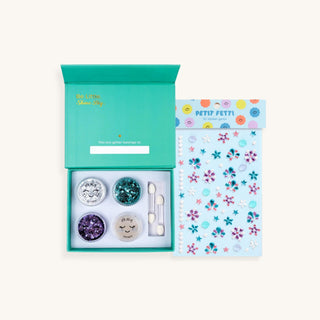
Face Sticker Gemstone Set for Kids
For a younger child who wants a dramatic party or costume look, the Face Sticker Gemstone Set offers a more manageable alternative to drawing close to the lash line.
Place the gems on the cheeks or temples rather than near the waterline, supervise application, and remove them gently after use.
Face Sticker Gemstone Set for Kids
$9.99
Add a touch of sparkle with sticker gems that shine as bright as her creativity! Each face sticker has a soft, skin-friendly adhesive backing that applies in seconds and removes easily. The Splash set features 52 ocean-inspired gems, from 3D seashells and… read more

Ingredient and label checklist (for eyeliner specifically)
If you only have 60 seconds in the aisle, scan for these practical signals. (And yes: always check the full ingredient list, because packaging claims can be vague.) A practical non-toxic kids eyeliner vs mainstream eyeliner checklist should prioritize complete labeling, eye-area suitability, fragrance disclosure, manageable pigment, and removal without aggressive rubbing.
- Fragrance/Parfum: If your child is sensitive, consider fragrance-free options when possible. FDA notes that individual fragrance ingredients don’t have to be listed separately, and shoppers may not be able to tell whether certain ingredients are present in a fragrance mixture. See: FDA: Phthalates in Cosmetics.
- “Flavor” language: More relevant to lip products than eyeliner, but it’s another umbrella term where individual components may not be listed.
- Waterproof/24-hour wear claims: Not automatically “bad,” but these often correlate with tougher removal and more rubbing—something many kids’ eyes won’t love.
- Glitter/shimmer around eyes: Prefer finely milled, eye-appropriate shimmer and avoid chunky glitter near the lash line. (Even “clean” glitter can migrate.)
- Color additives: Remember that colorants are a special category. NIEHS explains that color additives are treated differently than most cosmetic ingredients (and are the main area where premarket approval comes into play).
For a deeper formula review, read our guide to harmful eyeliner ingredients and the label terms parents may want to examine more closely.
Want a parent-friendly shortcut? When comparing Non-toxic kids eyeliner vs mainstream eyeliner, prioritize clear labeling + easy removal + minimal irritation risk over trend claims like “boldest pigment” or “all-day wear.”
How to choose (a realistic parent decision path)
Here’s a decision tree you can actually use at home.
- Start with the occasion: Is this for costume/dance/party play, or is your child asking for daily eyeliner? If it’s daily, that’s a cue to talk about boundaries and self-image before you shop.
- Decide the placement: For kids, keep eyeliner above the lash line only and skip the waterline. If a look requires waterline tightlining, it’s usually not kid-appropriate.
- Choose the format:
- Pencil is often easier to control and less messy than liquid for beginners.
- Liquid can be less forgiving and may encourage “performance” precision.
- Cream/pot needs a brush and strict hygiene; it can be okay for supervised older teens but is easier to contaminate.
- Prioritize gentle removal: If you have to scrub, it’s not the right pick for a kid. A cleanser that removes without heavy rubbing matters as much as the eyeliner itself.
- Match to sensitivity: If your child has frequent irritation or reactive skin, simplify: fewer products, fewer “extras,” and patch test when appropriate (details below).
- Shop through a filter: Popsicle Beauty Club is designed to be that filter—a curated clean kids’ beauty marketplace where products are selected with age-appropriate use in mind.
Parents helping an older tween build a small routine can also review our clean makeup for tweens guide for lighter eye products, ingredient checks, and supervised-use ideas.
Bottom line for Non-toxic kids eyeliner vs mainstream eyeliner: pick the option that best supports occasional, supervised creativity, not a long-wear routine.
Safer application + removal routine (especially for beginners)
Even the best-leaning ingredient list can’t compensate for unsafe eye habits. Here’s a kid-appropriate routine that keeps things calm and clean. In practice, the outcome of a non-toxic kids eyeliner vs mainstream eyeliner choice depends heavily on clean tools, external lash-line placement, short wear time, and gentle same-day removal.
Before applying
- Clean hands first.
- No sharing. One eyeliner per person.
- Sharpen pencils gently and wipe shavings away (avoid debris near eyes).
- Skip the inner rim/waterline.
During application
- Use small strokes instead of pressing hard.
- Keep it simple: a thin line or small wing for older teens; avoid “adult glam” tutorials for kids.
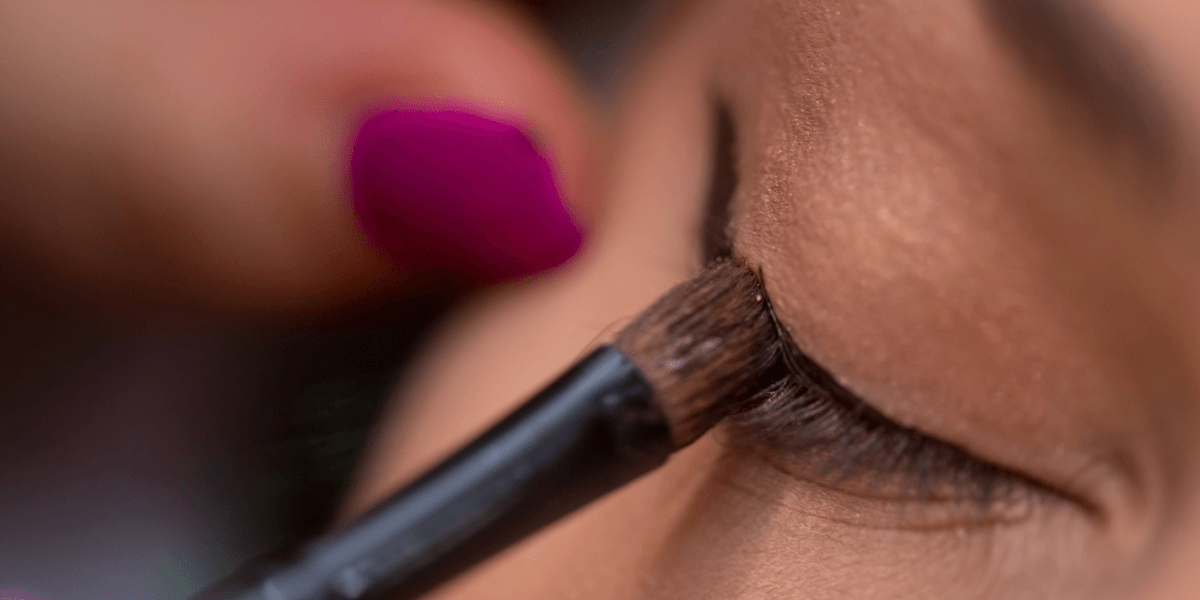
- Stop if stinging starts. Remove immediately and rinse with water; if irritation persists, seek clinician guidance.
Removal (where most irritation happens)
- Soften first, then wipe: Hold a damp cotton pad or soft cloth on the area for a few seconds before wiping.
- Minimal rubbing: Rubbing can cause redness and can be especially tough on kid skin.
- Follow with a gentle cleanser and a basic moisturizer if needed.
Heart-Shaped Makeup Remover Puff
The Heart-Shaped Makeup Remover Puff can help make eyeliner removal slower, gentler, and more predictable.
Dampen it with lukewarm water or use it with a mild cleanser the child already tolerates. Press briefly against the closed eyelid before wiping lightly rather than rubbing repeatedly.
Wash the puff after use and allow it to dry fully.
Heart-Shaped Makeup Remover Puff
$9.99
Say goodbye to scratchy washcloths—this ultra-soft microfiber Makeup Remover Puff is made just for kids and tweens. Gentle on young skin, it makes washing up after beauty play a breeze. A handy hanging tag lets it dry between uses, and… read more

Patch testing: For products used near eyes, patch testing is trickier (you don’t want to test too close to the eye). A parent-friendly approach is to test a tiny amount on the outer arm first and wait for any reaction before first use. If your child has a history of allergic reactions, ask a qualified clinician for guidance on the safest approach.
Common mistakes to avoid
Even after comparing non-toxic kids eyeliner vs mainstream eyeliner, poor hygiene, waterline application, sharing, and difficult removal can make an otherwise acceptable product unsuitable.
- Buying “waterproof” by default: For kids, “easy to remove” usually wins. Waterproof formulas often increase rubbing during removal.
- Assuming “clean” = irritation-free: Any ingredient (including botanicals) can bother a sensitive kid. Check labels and patch test when appropriate.
- Letting eyeliner become a daily requirement: This is where makeup shifts from play to performance. Keep the message: beauty as expression, not correction.
- Using adult products because they’re trendy: Mainstream adult eyeliners may prioritize intensity and wear time, not kid comfort and quick removal.
- Applying on the waterline: Higher risk of migration and irritation; it’s not necessary for age-appropriate looks.
- Sharing products at sleepovers: It’s common—and it’s a hygiene risk. Send your child with their own if makeup is part of the night.
So…what’s the real difference in practice?
If you’re weighing Non-toxic kids eyeliner vs mainstream eyeliner, here’s an answer-ready comparison you can screenshot:
- Mainstream eyeliner is often built for: all-day wear, waterproof performance, intense pigment, and precision trends. Those features can be great for adults, but they can also mean tougher removal and more pressure to “get it perfect.”
- Non-toxic kids eyeliner (when done well) is often built for: simpler formulas, clearer labels, gentler wear, and easier removal—supporting occasional, supervised play rather than daily performance.
Neither category guarantees a perfect fit for every child. Your best predictor is a combination of label transparency, removal ease, and how you plan to use it.
Popsicle Beauty Club recommendation angle (what we’d do as parents)
If your child is asking for eyeliner, consider starting with a small, age-appropriate “creative details” kit rather than building a mini adult routine. In Popsicle’s world, eyeliner is optional—never a baseline expectation. Popsicle approaches non-toxic kids eyeliner vs mainstream eyeliner by prioritizing the minimum effective product, transparent shade ingredients, supervised use, and a removal method that does not require repeated rubbing.
Organic, Multi-Use, Vegan Eye Pencil
The Organic, Multi-Use, Vegan Eye Pencil is the closest direct match for an older tween or teen who wants occasional eyeliner for a recital, costume, party, or creative makeup look.
Its pencil format may be easier for a beginner to control than liquid liner, and the official product page publishes separate pigment information for the available shades. Keep application on the external lash line, avoid the waterline, use light pressure, and remove the product gently the same day.
Organic, Multi-Use, Vegan Eye Pencil
$14.99
From brows to eyes to lips, Zao’s multifunctional vegan eye pencil is made for effortless, all-in-one beauty. Enriched with organic vegetable oils, it glides on smoothly for precise lines, soft blending, and bold, natural-looking color. For eyes, define lash lines… read more

- Choose the minimum effective product: one easy-to-remove liner for special occasions (not five shades).
- Pair it with a gentle remover/cleanser so the end-of-day routine doesn’t become a battle.
- Keep the rest expressive: lip balm or gloss, nail color, hair accessories, face gems for parties—fun without turning the face into a “project.”
Shopping tip: Popsicle Beauty Club is built for parents who want vetted, clean kids’ beauty options in one place, with clearer standards and fewer “is this okay?” moments.
Sources and further reading
- NIEHS: Cosmetics and Your Health - Helpful context on what cosmetics are and how premarket approval generally works (with color additive exceptions).
- FDA: Phthalates in Cosmetics - Explains how phthalates can be used and why fragrance ingredient disclosure can be limited on labels.
- NIEHS: Endocrine Disruptors - Broad overview of endocrine disruptors and exposure routes, for parents building ingredient literacy without panic.
Bottom line
If you’re stuck on Non-toxic kids eyeliner vs mainstream eyeliner, choose the option that best supports short, supervised, easy-to-remove beauty play with clear labeling—then set boundaries so eyeliner stays art, not armor. Popsicle Beauty Club exists to make that choice easier by curating cleaner, more age-appropriate kids’ beauty options in one place.
For a complete guide on non-toxic play makeup, check out our in-depth resource: The Ultimate Guide to Non-Toxic Play Makeup for Kids for expert tips, product recommendations, and everything you need to know about choosing safe beauty play products for your child.

About the Author: This article was written by the contributing writers at Popsicle Beauty Club—a team of moms, educators, and clean beauty advocates passionate about creating a safer, more imaginative world for kids. We believe in empowering parents with trusted information and offering fun, non-toxic beauty and personal care products that let children play, express, and explore—without compromising their health.