
Table of Contents
- Introduction
- Quick safety rules
- Popsicle safety snapshot
- What “makeup safe for kids” really means (and what it doesn’t)
- Age-appropriate boundaries (Foundationless, but still fun)
- Popsicle Beauty Club options for simpler beauty play
- How to choose
- Ingredient and label checklist
- Using kids makeup safely (a realistic routine)
- Common mistakes to avoid
- Where Popsicle Beauty Club fits (shopping without overwhelm)
- Sources and further reading
- Bottom line
- FAQs
Introduction
Direct answer: “makeup safe for kids” usually means a product that’s age-appropriate (play, costume, special occasions—not daily performance), simple and transparent (clear ingredient list, fewer irritants), and used safely (patch test when appropriate, clean tools, easy removal, careful around eyes and lips). No makeup is risk-free for every child, but parents can dramatically lower the odds of irritation and regret by choosing the right formats and setting clear boundaries.
If you’re shopping right now, start with this parent-friendly rule: choose “expressive” products (lip balm/gloss, nail color, face gems, washable face paint) before “complexion” products. Popsicle Beauty Club is not anti-makeup—we’re for beauty as expression, not correction, and we treat correction-focused products (foundation/concealer/simple skin care) as a developmental milestone worth delaying.
Quick safety rules
A parent-friendly approach to makeup safe for kids combines a small product range, clear application boundaries, clean tools, and a realistic plan for removal.
- Less product, fewer problems: pick a small, curated set—don’t build a 10-step routine for a child.
- Choose easy-off formulas: products that remove cleanly with gentle cleanser reduce rubbing and irritation.
- Be extra cautious near eyes and lips: those areas are more reactive and kids touch them more.
- Avoid “correction” positioning: don’t normalize covering skin as a daily requirement.
- Patch test when appropriate: especially for sensitive skin, fragrance sensitivity, or first-time use.
- Keep it hygienic: no sharing mascara/liners, wash brushes, and replace products that smell/feel “off.”
Popsicle safety snapshot
Popsicle Beauty Club is a practical clean kids’ beauty hub for families who want safer-feeling, more age-aware options in one place. We’re not a neutral review site—we curate with a point of view:
- Medical-advisory-backed kids’ beauty education: our content is designed to help parents set healthy boundaries and shop with more confidence.
- Ingredient transparency first: we prioritize brands with clear labels and parent-friendly ingredient lists.
- EWG Verified positioning/products where applicable: when a product is explicitly EWG Verified, that can be a helpful filter (but we don’t assume it unless it’s stated on the product).
- Allergist review process where applicable: some products/brands may have additional review steps; we keep claims qualified and specific.
- Foundationless boundaries: we support makeup as art, not armor—especially for children, tweens, and many teens.
In practice, this means we look for gentler formats, simpler routines, clearer labels, and kid-appropriate positioning—because “makeup safe for kids” is about both ingredients and the message the product sends.
What “makeup safe for kids” really means (and what it doesn’t)
Parents often ask for “safe makeup” like there’s a single stamp of approval. In real life, safety is a combination of formula, exposure, how it’s used, and the child (their skin, habits, and sensitivities).
It usually means:
- Lower irritation potential: fewer common triggers (like heavy fragrance) and gentler bases.
- Transparent labels: a full ingredient list you can actually check.
- Age-appropriate intent: play, dress-up, creativity, and occasional use—not daily “face fixing.”
- Practical removability: comes off without scrubbing.
It does not mean:
- “Allergy-proof” or perfect for every kid: even clean-leaning products can irritate sensitive skin.
- “Non-toxic” as a guarantee: marketing terms aren’t regulated as a universal promise.
- That kids need complexion products: when a child is worried about skin, the best next step is usually gentle skincare, not coverage.
Age-appropriate boundaries (Foundationless, but still fun)
Kids are curious. They see GRWM videos, older siblings, dance recitals, and “Sephora kid” culture. The goal isn’t to ban beauty—it’s to keep the meaning healthy.
- Great starter categories: lip balm, sheer gloss, playful eyeshadow for dress-up (used carefully), nail color, body shimmer for parties, face gems, and washable face paint.
- Categories to pause on: foundation, concealer, simple skin care, simple moisturizers, and any routine built around hiding redness, texture, or “imperfections.” Those are adult performance cues, not childhood needs.
- Helpful parent script: “We do makeup for creativity and celebration—not because your face needs fixing.”
This is a big part of why “makeup safe for kids” can’t be reduced to one ingredient debate. A product can be relatively gentle and still push a correction-focused mindset if it’s framed as necessary for “better” skin.
Popsicle Beauty Club options for simpler beauty play
The best products when choosing makeup safe for kids are usually manageable, easy-to-understand formats rather than oversized adult-style palettes. A contained play set can provide color for occasional dress-up, while face gems offer a lower-formula alternative for parties and costumes.
Natural Kids Play Makeup Kit
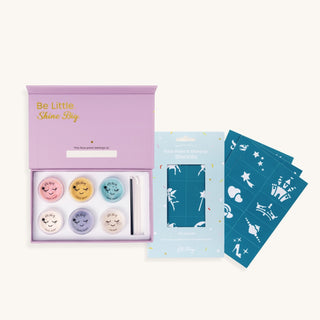
The Natural Kids Play Makeup Kit includes eyeshadow, blush, lipstick, child-sized brushes, and a storage box. Popsicle presents it as a creative-play set with washable formulas and publishes product-specific ingredient information for the powders and lipstick.
This option is most useful when the child wants a contained dress-up activity rather than several unrelated cosmetics. Open one powder container at a time, use a small amount, keep pigment away from the waterline, and clean the tools after use.
For families evaluating makeup safe for kids, the set illustrates why application format, ingredient transparency, supervision, and removal matter alongside the front-label claims.
Natural Kids Play Makeup Kit
$34.99
$40.99
Looking for a clean beauty gift that’s safe, fun, and worry-free? This natural play makeup kit lets little ones explore color and creativity with non-toxic, skin-friendly formulas parents trust. Each kit includes vibrant loose powder eyeshadows, soft blush, lipstick, and… read more

Self Adhesive Face Gems
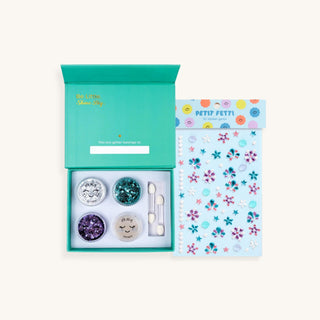
Self Adhesive Face Gems offer visible sparkle without adding another powder, lipstick, or complexion formula. Popsicle describes them as peel-and-stick decorations for imaginative dress-up, parties, and crafts.
They can be a useful alternative for a child who enjoys themed looks but does not need a full makeup set. Keep the gems away from the eyelids and inner eye area, remove them slowly, and stop if the adhesive causes discomfort.
This option supports the article’s Foundationless message: beauty play can be expressive and temporary without teaching children that their natural face needs covering.
Self Adhesive Face Gems
$4.99
Add a little sparkle to creative play with our Self Adhesive Face Gems, available in two magical designs kids love: Unicorn Wishes and Mermaid Dreams. Each set features dazzling 3D gem stickers in playful shapes and dreamy colors, perfect for… read more

How to choose
Use this as a shopping path—whether you’re building a kids safe makeup kit for a birthday gift, dance bag, or weekend play drawer. For a closer look at kit size, ingredients, applicators, hygiene, and age fit, read our guide to choosing a kids safe makeup kit.
Step 1: Choose the right format for the moment
- Everyday play: lip balm/gloss and nail color are usually lower-risk entry points because they’re simple, familiar, and easy to remove.
- Parties and performances: choose minimal products that photograph well without becoming a daily habit (think: a lip, a little shimmer, hair accessories).
- Costume/dress-up: pick washable face paint made for skin (not craft paint), and avoid heavy glitter near eyes.
Step 2: Match products to the child’s skin and habits
- Sensitive or eczema-prone skin: prioritize fragrance-free (when truly labeled as such), fewer botanicals, and patch testing.
- Kids who rub their eyes: minimize eye products; skip loose powders; avoid glitter that can migrate.
- Kids who forget to wash their face: keep makeup super minimal and choose easy removal.
Step 3: Pick “cleaner” by criteria, not buzzwords
Look for brands that communicate clearly: what the product is for, how to remove it, and what’s in it. Popsicle carries and highlights brands that fit this parent-useful style—so you can compare vetted options in one place without starting from a blank Google search.
Ingredient and label checklist
Here’s what to scan for on the box or product page when you’re trying to decide whether a product feels like makeup safe for kids in your home.
1) Ingredient transparency
- Look for: a complete INCI ingredient list that’s easy to find online.
- Be cautious with: listings that hide behind vague marketing without full ingredients.
2) Fragrance and “fragrance” labeling
Fragrance is a common parent concern because it can be irritating for some kids, and it’s not always fully disclosed at the ingredient level. The FDA notes that individual fragrance ingredients don’t have to be listed separately on cosmetic labels, which can limit what parents can tell from the package alone.
- Look for: “fragrance-free” if fragrance is a known trigger in your family (and still patch test).
- Be cautious with: “parfum,” “fragrance,” and heavy scent in products used near the nose, lips, or eyes.
3) Dyes, pigments, and color additives
Color is the fun part for kids—but it’s also where many parents want clearer standards. The FDA explains that color additives have specific regulatory listings and that certified colors are commonly synthetic dyes and lakes.
- Look for: brands that clearly identify colorants and avoid surprise “mystery color blends.”
- Be cautious with: very intense staining lip/cheek products for young kids if they’re hard to remove (more rubbing = more irritation).
4) Glitter and sparkles (especially around eyes)
- Look for: eye-area products that are designed for that use and apply in a controlled way (pressed over loose).
- Be cautious with: loose glitter and craft glitter. Glitter can migrate; kids touch their faces often.
5) “Clean,” “non-toxic,” “hypoallergenic,” and other marketing terms
These terms can be useful clues, but they’re not universal guarantees. Use them as a starting point—and then verify with the ingredient list, the brand’s transparency, and your child’s known sensitivities.
Using kids makeup safely (a realistic routine)
Even the best product can go sideways with poor hygiene or rough removal. Keep the routine simple and repeatable.
Before
- Start with clean skin: gentle cleanser and dry hands.
- Patch test when appropriate: especially for first-time products, sensitive skin, or anything used near eyes/lips. Test a small amount on the inner arm and wait to see if irritation develops. Our guide to kids beauty brands with patch-test guidance explains what useful instructions should include and why testing cannot guarantee future tolerance.
- Set a time boundary: “Makeup is for the party, and we wash it off after.”
During
- Use clean tools: a dedicated brush or sponge that gets washed regularly.
- No sharing: especially mascara, eyeliner, lip products—sharing spreads germs fast.
- Keep it light near eyes: if you do eye sparkle, place it away from the lash line and supervise.
After
- Remove gently: a mild cleanser (or gentle remover appropriate for kids), lukewarm water, soft cloth—no scrubbing.
- Moisturize if needed: a simple moisturizer can help if skin feels tight after cleansing.
- Watch for patterns: if irritation repeats, discontinue and consider clinician guidance for persistent issues.
Common mistakes to avoid
Even thoughtfully selected makeup safe for kids can become uncomfortable or unhygienic when products are shared, heavily layered, placed too close to the eyes, or left on overnight.
- Buying a mini version of adult “full face” culture: contouring, heavy lashes, and complexion coverage can turn play into performance. Delay foundation/concealer/simple skin care; choose color play instead.
- Assuming “kid” packaging = kid-safe formula: always check the ingredient list and intended use area.
- Letting glitter roam: loose glitter + kids + rubbing eyes is a predictable problem. Choose controlled sparkle formats and supervise.
- Over-fragranced products for sensitive kids: scent is not a benefit if it causes headaches, sneezing, or redness.
- Not patch testing first-time products: especially for children with sensitive skin or allergies.
- Turning makeup into a daily requirement: if your child is asking for makeup to feel “okay,” that’s a cue to slow down and re-center confidence and skincare basics.
Where Popsicle Beauty Club fits (shopping without overwhelm)
If you’re searching “makeup safe for kids” because you don’t want to spend hours reading labels, Popsicle Beauty Club is designed to be your shortcut: a curated marketplace of vetted clean kids’ beauty brands with parent-friendly education alongside it.
- Want a starter kit? Build it around a lip product, nail color, and one “special occasion” sparkle—then stop there.
- Want sensitive-skin guardrails? Start with fragrance awareness, shorter ingredient lists, and patch testing.
- Want to avoid adultification? Skip complexion coverage and choose playful color that’s easy to remove.
Our north star is simple: makeup as art, not armor—and a shopping experience that respects childhood.
Sources and further reading
- NIEHS: Cosmetics and Your Health - Overview of what counts as cosmetics and regulatory context.
- FDA: Phthalates in Cosmetics - Explains phthalate use, and why “fragrance” labeling can limit ingredient visibility.
- FDA: Color Additives in Foods - Helpful background on certified colors and how color additive oversight works (useful context for parent expectations about dyes).
- Parents: Makeup Kits for Tweens - Parent-facing guidance on keeping tween makeup gentle, minimal, and supervised.
Bottom line
If you’re trying to find makeup safe for kids, shop for simplicity, transparency, easy removal, and age-appropriate intent. Start with expressive, low-stakes categories (lip care, nails, controlled sparkle), keep routines minimal, and treat correction-focused products as a milestone worth delaying. Popsicle Beauty Club is here to make those choices easier with vetted clean kids’ beauty options and practical, parent-first education.
Curious about which harmful ingredients to avoid in your child's beauty products? Read The Truth About Harmful Beauty Ingredients for Kids to uncover the hidden toxins in mainstream makeup, skincare, and hair care—and discover safer alternatives.
About the Author: This article was written by the contributing writers at Popsicle Beauty Club—a team of moms, educators, and clean beauty advocates passionate about creating a safer, more imaginative world for kids. We believe in empowering parents with trusted information and offering fun, non-toxic beauty and personal care products that let children play, express, and explore—without compromising their health.
FAQs
What age is appropriate for kids to start wearing makeup?
What should I look for in a kids safe makeup kit?
How do I know if makeup safe for kids will work for sensitive skin?
Does “clean” or “non-toxic” mean makeup is safe for every child?
No. Those terms are not universal guarantees, and individual sensitivities vary. Parents should still review the complete formula, intended application area, fragrance, pigments, removal method, and the child’s known triggers.
Can children share makeup during playdates or parties?
Avoid sharing lip products, eye products, brushes, and sponges. Use separate applicators or individual products, wash reusable tools after the activity, and discard anything that becomes contaminated or changes smell or texture.
How should parents remove makeup from a child’s skin?
Use lukewarm water and a gentle cleanser or remover the child already tolerates. Allow the product to soften, then wipe gently with a soft cloth without scrubbing. Stop using formulas that repeatedly require forceful removal.